How to Keep a CPAP Running During a Storm
To keep a CPAP running during a storm, use a portable power station with at least 500Wh capacity or a 12V DC adapter connected to your car battery. Most CPAP…

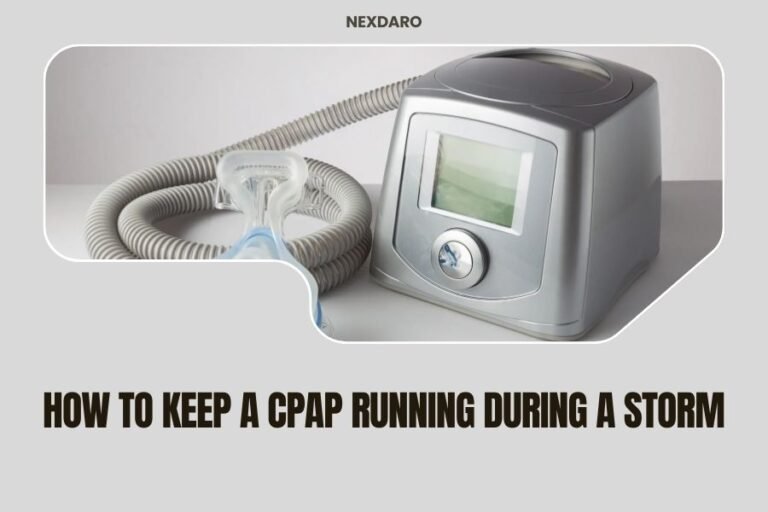
To keep a CPAP running during a storm, use a portable power station with at least 500Wh capacity or a 12V DC adapter connected to your car battery. Most CPAP…
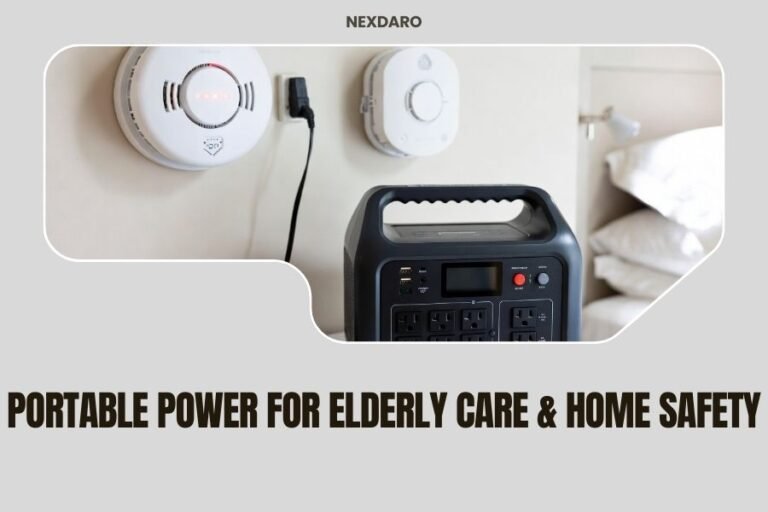
Portable power for elderly care provides backup electricity during outages, powering medical devices, phones, and safety equipment when seniors need them most. These battery-powered stations can run CPAP machines, oxygen…
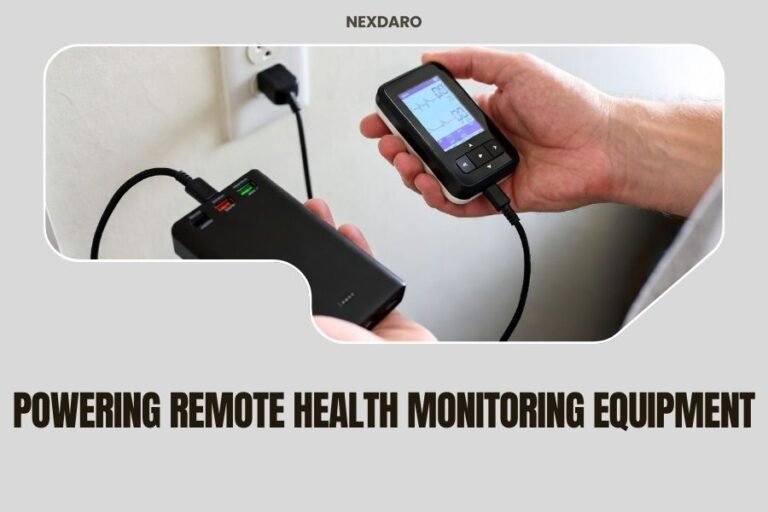
Portable power stations provide reliable electricity for remote health monitoring equipment, delivering 12V to 240V AC power with capacities ranging from 300Wh to 3000Wh for continuous operation. These battery systems…

Charge hearing aids while traveling using portable power stations, USB charging cases, or car adapters to ensure continuous hearing support during trips. Most modern hearing aids can be charged for…
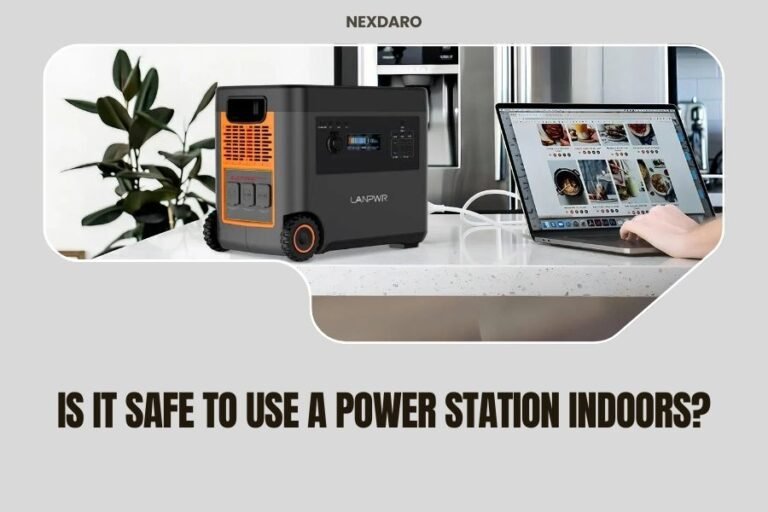
Yes, it is safe to use a power station indoors when you follow proper ventilation and safety guidelines. Modern power stations with lithium batteries produce no harmful fumes during normal…
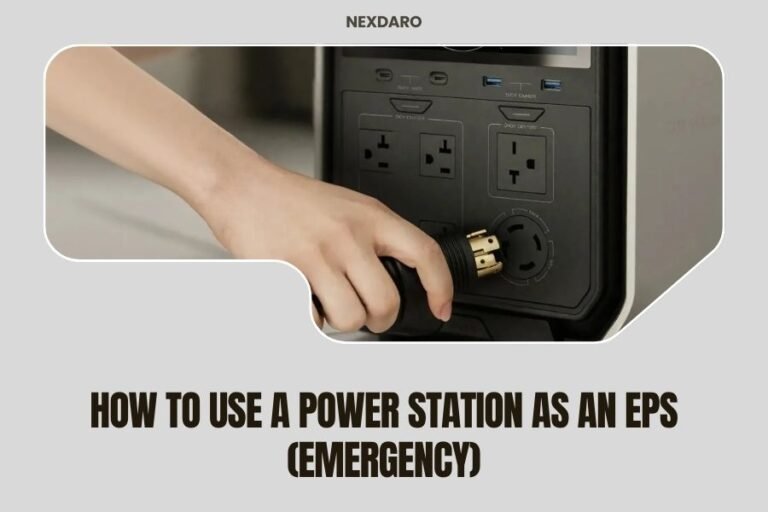
A power station works as an Emergency Power Supply (EPS) by automatically switching to battery power when your main electricity goes out, keeping your most important devices running without interruption….

You can power a lift chair during a power cut using portable power stations, car power inverters, or backup battery systems designed for medical equipment. A portable power station with…
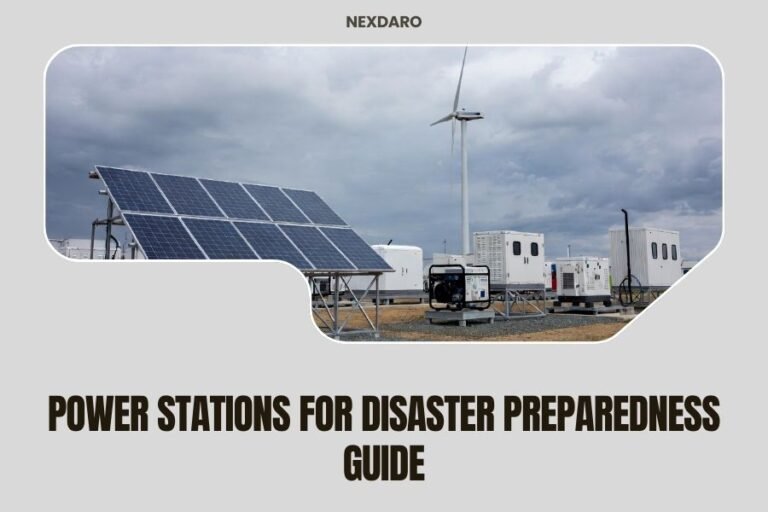
Power stations for disaster preparedness should provide backup electricity for 3-7 days, with at least 1000Wh capacity to run essential devices like phones, radios, and medical equipment during emergencies. The…

Your home security system needs constant power to protect your family and property, and a portable power station provides reliable backup when the grid fails. Most security systems consume 20-50…
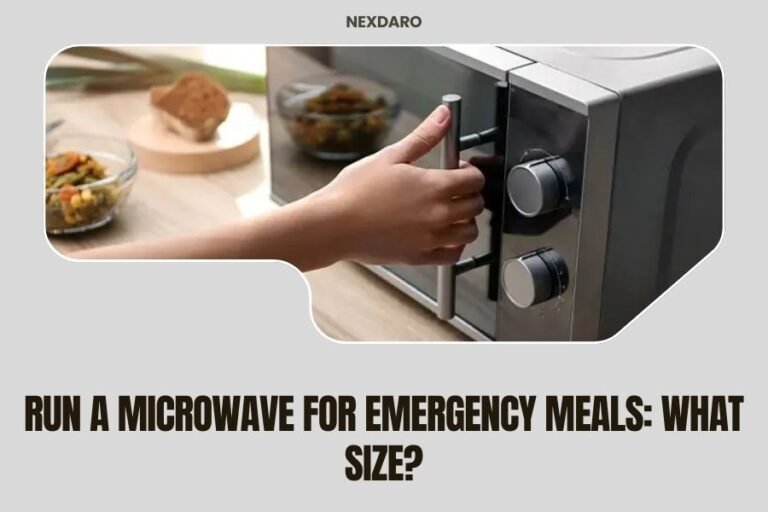
You need a portable power station with at least 1,500 watts of output and 1,000Wh capacity to run a standard microwave for emergency meals. Most microwaves require 700-1,200 watts to…