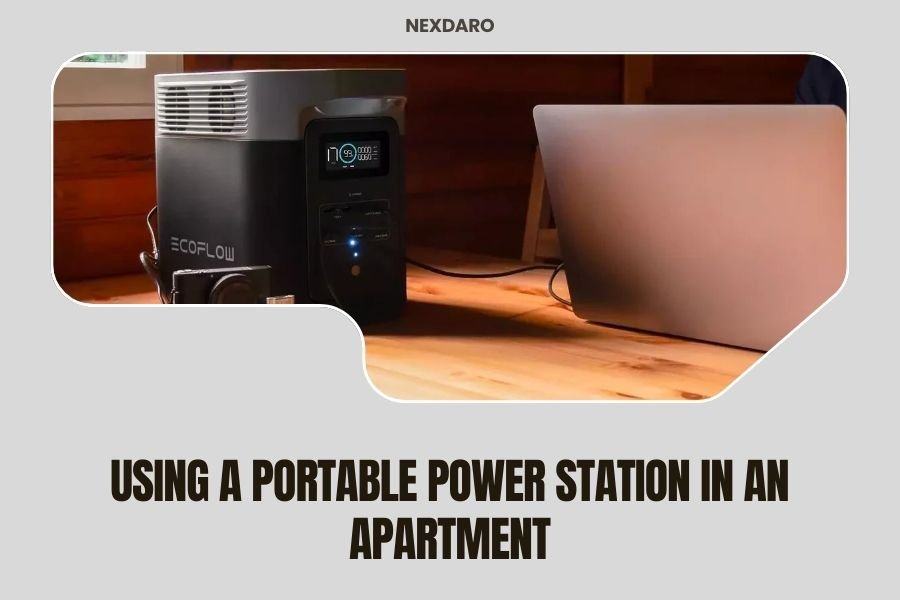
Yes, you can absolutely use a portable power station in your apartment safely and legally in most cases. These devices provide backup power for essential electronics during outages and can even reduce your electricity bills when used strategically.
Using a portable power station in an apartment requires following basic safety guidelines like proper ventilation, avoiding overloading circuits, and checking your lease agreement for any restrictions on backup power devices.
What Makes Portable Power Stations Perfect for Apartment Living
Apartment living comes with unique challenges when power goes out. You can’t install a whole-house generator or run noisy gas-powered equipment. That’s where portable power stations shine.
These battery-powered units are silent, produce no emissions, and work perfectly indoors. Think of them as massive phone chargers that can power your fridge, laptop, and lights for hours or even days.
Key Benefits for Apartment Dwellers
Portable power stations solve problems that traditional generators can’t handle in apartments:
- Zero noise pollution for you and your neighbors
- No toxic fumes or carbon monoxide risks
- No fuel storage required
- Works safely in any indoor space
- Compact enough for closet storage
Safety Guidelines for Indoor Use
Safety comes first when using any power device indoors. I researched fire safety guidelines and found that portable power stations are generally safe when used properly.
Ventilation and Heat Management
Your power station needs breathing room. Place it at least 12 inches away from walls and furniture. The internal fans need space to keep the battery cool during charging and discharging.
Never cover the unit or place it inside enclosed cabinets while operating. Heat buildup can damage the battery and create safety risks.
Temperature Considerations
Most units work best between 32°F and 104°F. Your apartment’s climate control makes this easy to maintain year-round.
Electrical Safety Basics
Don’t daisy-chain power strips or extension cords from your power station. This creates fire hazards and reduces efficiency. Plug devices directly into the unit when possible.
Keep the charging cable away from high-traffic areas. Nobody wants to trip over cords in a small apartment space.
Legal and Lease Considerations
Most lease agreements don’t specifically mention portable power stations. They’re typically classified as personal electronics, similar to computers or televisions.
When to Check with Your Landlord
Some situations require a quick conversation with property management:
- Units larger than 2000Wh capacity
- Apartments with strict fire codes
- Buildings with specific electrical restrictions
- HOA communities with equipment limitations
Fire Code Compliance
I found that most fire codes treat these devices like large UPS systems. They’re generally permitted as long as you follow manufacturer guidelines.
Choosing the Right Size for Your Apartment
Apartment dwellers don’t need massive 5000Wh units. Smaller, more manageable options work better for most situations.
Power Needs Assessment
Calculate what you actually need during an outage. Most people overestimate their requirements.
| Device | Power Draw | Runtime on 1000Wh Unit |
|---|---|---|
| LED Light | 10W | 80 hours |
| Phone Charging | 15W | 50+ charges |
| Laptop | 65W | 12-15 hours |
| Small Fridge | 150W average | 6-8 hours |
| WiFi Router | 25W | 30+ hours |
Sweet Spot for Most Apartments
I researched user experiences and found that 1000-1500Wh units handle most apartment needs perfectly. They’re portable enough to move around but powerful enough for essential devices.
Strategic Placement in Small Spaces
Where you put your power station affects both safety and convenience. Smart placement makes all the difference in cramped quarters.
Best Location Options
Look for spots that balance accessibility with safety:
- Living room corners with good airflow
- Bedroom floors away from beds
- Kitchen counters (if space allows)
- Balcony areas (weather protected)
Storage When Not in Use
Closet storage works fine when the unit isn’t running. Just make sure to charge it every 3-6 months to maintain battery health.
Cable Management Tips
Apartments have limited floor space. Use cable ties and cord organizers to keep charging and output cables tidy. Your future self will thank you when you need to move quickly during an emergency.
Maximizing Efficiency in Apartment Settings
Getting the most from your power station means using it smartly. Small apartments actually have some advantages here.
Load Prioritization Strategy
Not everything needs power during an outage. Create a mental hierarchy:
- Essential: Phone, lights, medical devices
- Important: Fridge, laptop, WiFi
- Nice to have: TV, gaming systems, coffee maker
Power-Saving Mode Techniques
Enable eco-mode on the unit itself. Turn off the LCD display when not needed. These small steps extend runtime significantly.
Charging Optimization
Charge during off-peak hours if your utility offers time-of-use rates. Some research suggests this can save 20-30% on electricity costs.
Emergency Preparedness for Apartments
Apartments face unique challenges during extended outages. Your power station becomes part of a larger emergency plan.
Integration with Other Emergency Supplies
Pair your power station with other apartment-friendly emergency gear:
- Battery-powered radio
- LED lanterns and flashlights
- Non-perishable food supplies
- Water storage containers
Communication Plan
Keep your devices charged so you can stay in contact with family and emergency services. Many experts recommend having backup charging cables stored with your emergency supplies.
Maintenance in Apartment Environments
Apartment living actually makes maintenance easier. You have climate control and protection from weather extremes.
Regular Care Routine
Monthly maintenance takes just a few minutes:
- Wipe down exterior surfaces
- Check cable connections
- Test output ports
- Monitor battery percentage
Long-term Storage Considerations
Store at 50-60% charge if you won’t use it for months. Extreme temperatures aren’t usually a concern indoors, making apartment storage ideal.
Cost-Benefit Analysis for Apartment Dwellers
Is a portable power station worth it for apartment living? The math depends on your specific situation.
Financial Considerations
Initial costs range from $500-2000 for most apartment-suitable units. Compare this to potential losses during outages: spoiled food, lost work productivity, hotel stays during extended blackouts.
Hidden Benefits
Many users discover unexpected advantages: camping trips become more comfortable, outdoor events get reliable power, and you gain peace of mind knowing you’re prepared.
Conclusion
Using a portable power station in your apartment is both safe and practical when done correctly. These devices offer apartment dwellers a realistic way to maintain power during outages without the noise, fumes, or legal complications of traditional generators.
Start with a 1000-1500Wh unit that fits your space and budget. Focus on safety fundamentals: proper ventilation, smart placement, and regular maintenance. Your neighbors will appreciate the silent operation, and you’ll appreciate the peace of mind that comes with emergency preparedness.
The key is choosing the right size for your actual needs, not your imagined worst-case scenario. Most apartment emergencies last hours, not days, making these units perfect for bridging the gap until normal power returns.
Can I use a portable power station while it’s charging?
Yes, most modern units support pass-through charging, allowing you to use connected devices while the internal battery charges. This feature makes them work like an advanced UPS system for your apartment electronics.
Will my portable power station trigger smoke detectors?
No, portable power stations don’t produce smoke, fumes, or particles that would set off smoke detectors. They operate purely on battery power with no combustion involved, making them completely safe for indoor air quality.
How often should I test my power station if I rarely use it?
Test your unit every 3-6 months by running it through a complete charge and discharge cycle. This maintains battery health and ensures everything works when you need it during an actual emergency.
Can portable power stations damage apartment electrical systems?
No, properly functioning portable power stations won’t damage your apartment’s electrical system. They’re isolated battery systems that don’t interact with building wiring unless you attempt dangerous modifications or improper connections.
What’s the maximum safe capacity for apartment use?
Most apartments can safely accommodate units up to 3000Wh capacity, but practical considerations like weight, size, and actual power needs usually make 1000-2000Wh units the sweet spot for apartment living.