When it comes to reliable backup or outdoor power, two popular options dominate the conversation: portable power stations and gas generators. Both are designed to supply electricity when traditional power sources are unavailable, but they differ greatly in how they operate, where they can be used, and who they are best suited for.
This guide explains the key differences between portable power stations and gas generators to help you decide which option fits your needs.
Understanding the Basics
Before choosing between the two, it is important to understand how each system works.
What Is a Portable Power Station?
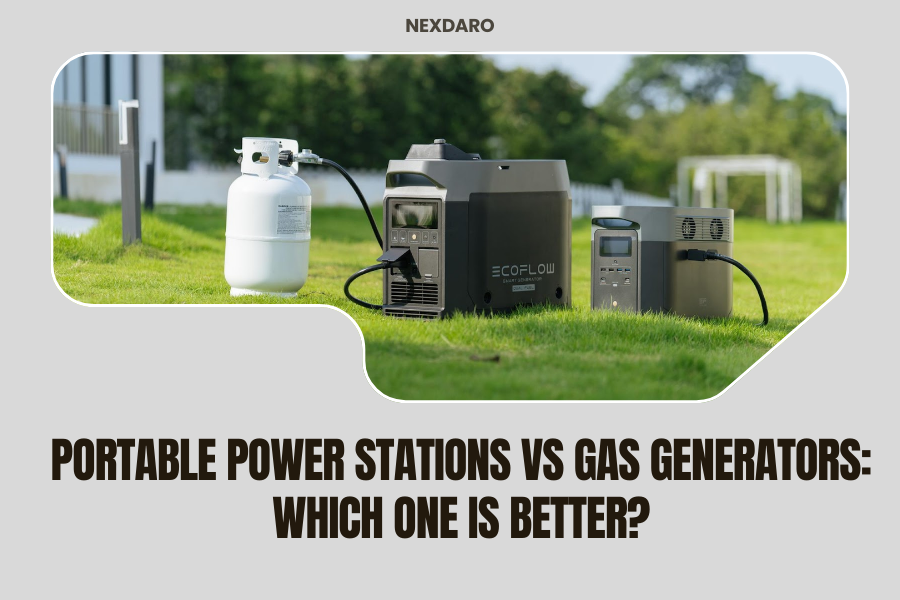
A portable power station is a battery powered device that stores electrical energy and delivers it through multiple output ports. It uses an internal inverter to supply AC power and can be recharged using wall outlets, car chargers, or solar panels.
Portable power stations are commonly used for camping, RV travel, emergency backup, and off grid work.
What Is a Gas Generator?
A gas generator uses gasoline, propane, or diesel to power an internal combustion engine. The engine drives an alternator that produces electricity. Gas generators are often used for home backup, construction sites, and high power applications.
Power Output Comparison
Gas generators typically offer higher power output than portable power stations. They are capable of running heavy appliances, power tools, and entire home circuits depending on the model.
Portable power stations are more limited in output but continue to improve each year. Many modern units can power refrigerators, CPAP machines, and other essential devices for extended periods.
Noise Levels
Noise is one of the biggest differences between the two options.
Portable power stations operate silently since they rely on batteries and electronic components. This makes them ideal for campsites, indoor use, and quiet environments.
Gas generators produce significant noise due to their engines. This can be disruptive in residential areas or outdoor recreation settings.
Emissions and Indoor Safety
Portable power stations produce zero emissions. They are safe to use indoors, inside vehicles, and in enclosed spaces.
Gas generators produce exhaust fumes that contain carbon monoxide. They must always be operated outdoors and away from buildings to prevent serious health risks.
Fuel and Maintenance
Portable power stations do not require fuel. Once charged, they are ready to use and require minimal maintenance beyond basic care and battery management.
Gas generators require a constant supply of fuel and regular maintenance. This includes oil changes, filter replacements, and fuel stabilization for long term storage.
Runtime and Refueling
Gas generators can run continuously as long as fuel is available. This makes them suitable for long duration power outages.
Portable power stations have a limited runtime based on battery capacity. However, solar recharging allows extended use in off grid situations without fuel.
Portability and Ease of Use
Portable power stations are designed for convenience. They are compact, lightweight, and easy to transport. Most models work instantly with simple plug and play operation.
Gas generators are heavier and bulkier. Setup takes more time and often requires fuel handling, ventilation planning, and noise management.
Cost Considerations
Portable power stations typically have a higher upfront cost for larger capacity models, but operating costs are low since no fuel is required.
Gas generators may be cheaper initially, but fuel and maintenance expenses can add up over time.
Which Option Is Right for You?
A portable power station is a better choice if you need:
- Quiet operation
- Indoor safe power
- Minimal maintenance
- Portable and lightweight design
- Clean energy with solar charging options
A gas generator may be better if you need:
- Very high power output
- Long runtime without recharging
- Whole home backup capabilities
Final Thoughts
Both portable power stations and gas generators have their place. The right choice depends on how much power you need, where you plan to use it, and how important factors like noise, emissions, and maintenance are to you.
For outdoor recreation, travel, and clean emergency backup, portable power stations continue to be the preferred option for many users.