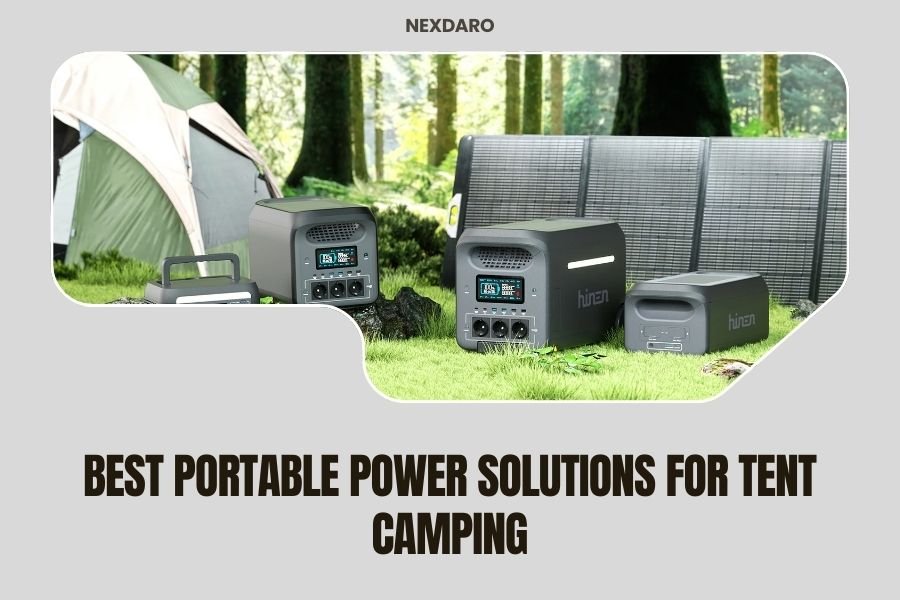
The best portable power solutions for tent camping include lithium-ion power stations with 300-1000Wh capacity, solar panel kits, and backup battery packs that can run your essential devices for 2-5 days.
Choose power stations with multiple USB ports, AC outlets, and 12V outputs to handle lights, phones, fans, and small appliances during your camping adventures.
Why You Need Power While Tent Camping
Gone are the days when camping meant complete disconnection from power. You still want to charge your phone for emergencies. Your kids need their tablets for rainy afternoons. That portable fan makes sleeping possible on hot nights.
Modern tent camping balances outdoor adventure with practical comfort. Smart campers bring reliable power solutions that keep essential devices running without the noise and fumes of gas generators.
Types of Portable Power Solutions
Lithium-Ion Power Stations
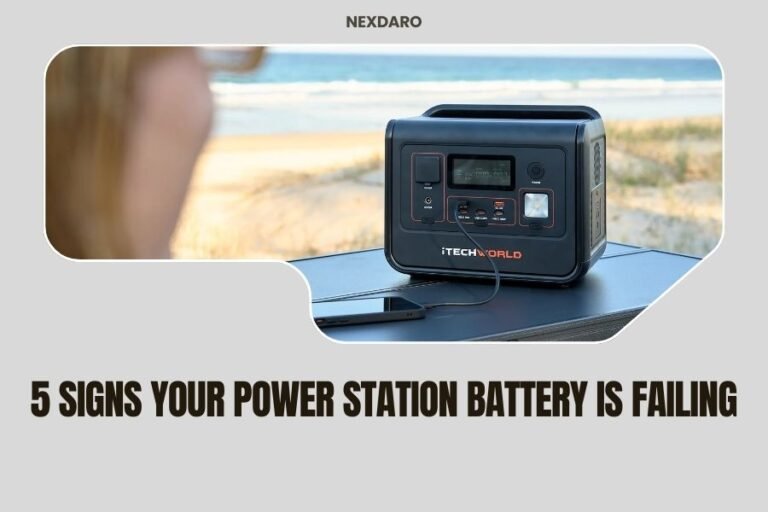
These are the workhorses of camping power. Think of them as giant phone batteries with multiple outlets. They’re quiet, clean, and powerful enough for most camping needs.
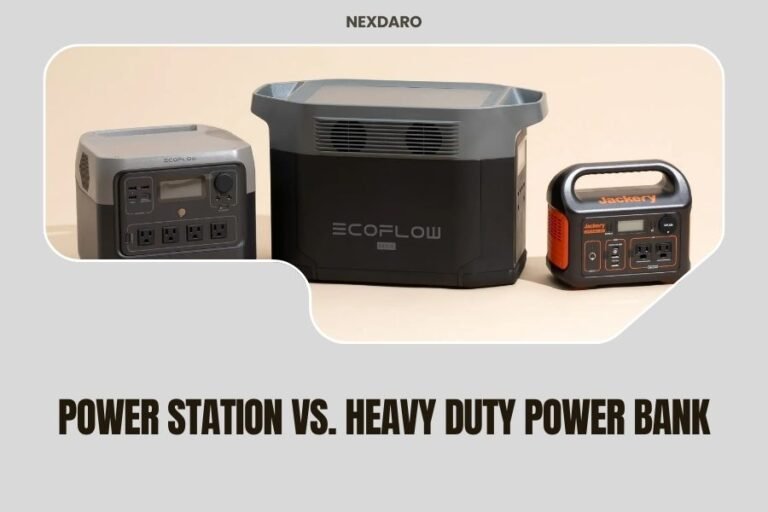
Most power stations weigh 10-30 pounds and provide 200-2000 watt-hours of capacity. You can run LED lights for days or charge phones dozens of times on a single charge.
Best Capacity Ranges
- 300-500Wh: Perfect for phone charging and LED lights (1-2 people)
- 500-1000Wh: Handles fans, laptops, and small appliances (2-4 people)
- 1000Wh+: Powers everything including portable fridges (large families)
Solar Panel Systems
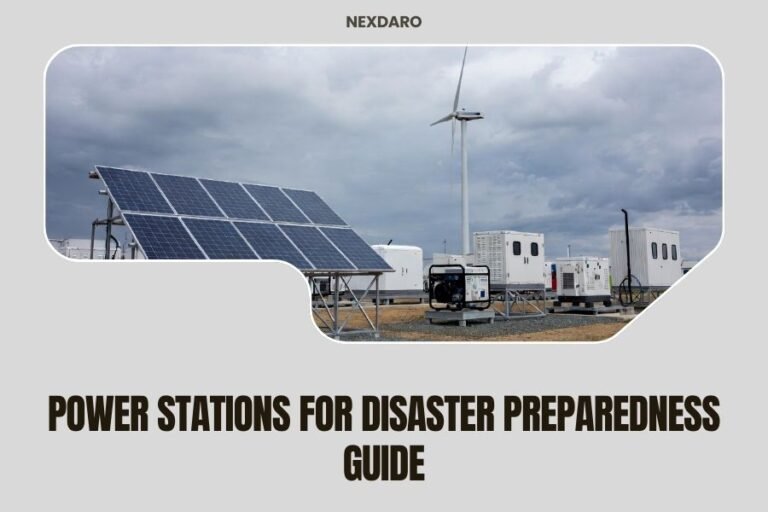
Solar panels pair perfectly with power stations. They recharge your battery during sunny days and extend your camping time indefinitely.
Portable solar panels fold up like briefcases and produce 50-200 watts of power. On a bright day, a 100-watt panel can fully charge a 500Wh power station in about 6 hours.
Solar Panel Considerations
Weather affects solar charging dramatically. Cloudy days produce only 20-30% of rated power. Plan backup charging methods for extended trips or bad weather.
Backup Battery Packs
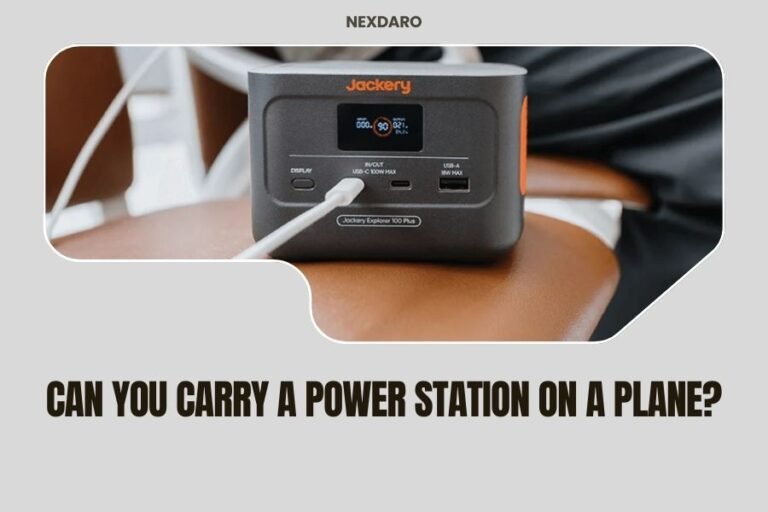
These smaller units focus on phones and tablets. They’re lighter and cheaper than power stations but can’t run larger devices like fans or lights.
High-capacity power banks with 20,000-50,000mAh work well for weekend trips when you only need device charging.
Power Requirements for Common Camping Devices
| Device | Power Draw | Daily Usage |
|---|---|---|
| Smartphone | 15-20Wh per charge | 1-2 charges |
| LED lantern | 5-15W | 4-6 hours |
| Portable fan | 15-40W | 6-8 hours |
| Laptop | 45-85W | 2-4 hours |
| Portable fridge | 40-60W | 24 hours |
Choosing the Right Power Solution
Calculate Your Power Needs
Start by listing every device you’ll bring. Add up their power draws and multiply by hours of daily use. This gives you your daily power requirement in watt-hours.
Add 20-30% extra capacity for efficiency losses and unexpected usage. Your power station should have at least this much capacity.
Example Power Calculation
Family of four, three-day trip:
- 4 phones: 80Wh daily
- LED lights: 60Wh daily
- Portable fan: 200Wh daily
- Laptop: 150Wh daily
- Total: 490Wh daily + 30% buffer = 640Wh needed
Consider Weight and Portability
Every pound matters when you’re carrying gear to your campsite. Balance power capacity with weight limits.
Power stations under 20 pounds work well for car camping. If you’re hiking to your site, stick with smaller units under 10 pounds or high-capacity power banks.
Key Features to Look For
Multiple Output Types
Your power station should have various outlet types. USB-A and USB-C ports handle phones and tablets. AC outlets power laptops and small appliances. 12V outlets run car accessories and some camping gear.
Fast Charging Capabilities
Look for USB-C PD (Power Delivery) ports that charge phones and laptops quickly. This saves precious battery power by reducing charging time.
Display and Monitoring
A clear LCD display shows remaining battery, power usage, and charging status. This helps you manage power consumption throughout your trip.
Some advanced models connect to smartphone apps for detailed monitoring and control.
Recharge Options
The best power stations recharge multiple ways: wall outlets, car chargers, and solar panels. This flexibility ensures you can recharge anywhere.
Charging Speed Matters
Fast charging gets you back to full power quickly. Look for units that recharge in 6-8 hours from wall outlets and accept high-wattage solar input.
Safety Considerations
Battery Management Systems
Quality power stations include safety features that prevent overcharging, overheating, and short circuits. Research from battery safety experts shows these protections prevent most power-related camping accidents (Battery University).
Weather Protection
Most power stations aren’t waterproof. Keep them dry inside your tent or under a tarp. Even light rain can damage electronics.
Temperature Effects
Extreme cold reduces battery capacity by 20-40%. Hot weather can trigger safety shutdowns. Store your power station in moderate temperatures when possible.
Power Management Tips
Prioritize Essential Devices
Rank your devices by importance. Phones for safety come first. Lights for navigation second. Entertainment devices last.
When battery runs low, focus on essentials only. That tablet movie can wait until you get home.
Use Power-Saving Modes
Enable low power modes on all devices. Dim screens, turn off WiFi, and close unnecessary apps. These simple changes can double your device runtime.
Timing Your Usage
Charge devices during peak solar hours when possible. Run power-hungry items like fans during the day when solar panels can supplement your battery.
Budget-Friendly Alternatives
DIY Solar Solutions
Basic solar chargers cost much less than complete power stations. They work well for phone charging and small devices on sunny days.
Combine a solar charger with high-capacity power banks for a lightweight, affordable power solution.
Car Charging Strategy
If you’re car camping, use your vehicle’s 12V outlet for charging. Run the engine periodically to avoid draining your car battery.
Cigarette Lighter Inverters
Small inverters convert 12V car power to standard AC outlets. They’re cheap but limited to low-power devices and require running your engine.
Maintenance and Storage
Battery Care
Lithium batteries last longest when stored at 50-60% charge. Completely draining or fully charging for storage reduces lifespan.
Recharge your power station every 3-4 months during storage to maintain battery health.
Cleaning and Protection
Keep outlets clean and covered when not in use. Dust and debris can cause connection problems and safety issues.
Store your power station in a cool, dry place away from direct sunlight and extreme temperatures.
Advanced Power Strategies
Load Management
Don’t run high-power devices simultaneously. Stagger usage to avoid overloading your power station and extend battery life.
Many power stations have surge protection, but sustained high loads drain batteries faster and generate heat.
Backup Power Planning
Bring backup power sources for extended trips. Multiple smaller batteries often work better than one large unit for weight distribution and redundancy.
Conclusion
The right portable power solution transforms your tent camping experience. You’ll stay connected when needed, comfortable in any weather, and prepared for emergencies. Start with your power needs calculation, choose quality equipment with safety features, and practice good power management. Whether you pick a compact power bank or a full solar system, reliable power lets you enjoy nature without sacrificing essential comforts. Your next camping trip will be more relaxing and worry-free with dependable power at your fingertips.
What size power station do I need for weekend tent camping?
For most weekend camping trips, a 300-500Wh power station works perfectly. This capacity handles phone charging, LED lights, and a small fan for two people over 2-3 days without recharging.
Can I leave my power station charging in the sun all day?
Avoid leaving power stations in direct sunlight for extended periods. High temperatures can trigger safety shutdowns and reduce battery life. Place solar panels in the sun but keep the power station in shade when possible.
How long do portable power station batteries last?
Quality lithium power stations typically last 500-2000 charge cycles before losing significant capacity. With proper care and storage, expect 5-10 years of reliable service from a good power station.
Will my power station work in freezing weather?
Most power stations work in freezing temperatures but with reduced capacity and slower charging. Expect 20-40% less runtime in cold weather. Keep the unit warm when possible and avoid charging below 32°F.
What’s better for camping: solar panels or extra batteries?
Solar panels work best for extended trips in sunny weather, while extra batteries provide reliable backup regardless of conditions. For trips longer than 3-4 days, solar panels become more practical than carrying multiple batteries.