A portable solar generator is a battery-powered station that charges through solar panels, providing clean electricity for camping, emergencies, and off-grid activities.
These devices combine solar panels, batteries, and power outlets in one system, letting you generate and store solar energy anywhere you go.
How Portable Solar Generators Actually Work
Think of a portable solar generator as a power bank on steroids. You connect solar panels that capture sunlight and convert it into electricity. This power charges the internal battery, which stores energy for later use.
The process is pretty simple. Solar panels feed DC power into the generator’s charge controller. This controller manages the charging to protect your battery. When you need power, an inverter converts the stored DC energy into AC power for your devices.
The Three Main Components
Every portable solar generator has three key parts working together:
- Solar panels that capture sunlight
- Battery storage (usually lithium-ion)
- Power inverter and outlets for your devices
What Makes Them Different From Regular Generators
I found that many people get confused about the differences. Traditional generators burn fuel like gas or propane to make electricity. Solar generators store electricity from the sun.
Gas generators are loud, produce fumes, and need constant fuel. Solar generators run silently, produce zero emissions, and get free energy from sunlight. The trade-off? Solar units cost more upfront and depend on weather conditions.
Noise Levels
This difference matters more than you might think. Gas generators sound like lawnmowers running constantly. Solar generators make no noise at all. You can use them inside your tent, RV, or home without bothering anyone.
Environmental Impact
Solar generators produce zero emissions during operation. Gas generators release carbon monoxide, which can be deadly in enclosed spaces. From what I read, this makes solar units much safer for indoor emergency use.
Types of Portable Solar Generators
Small Personal Units
These compact models weigh 10-30 pounds and power phones, tablets, and small electronics. Perfect for day trips or backup phone charging. Battery capacity usually ranges from 100-500 watt-hours.
Best Uses for Small Units
- Camping trips
- Beach days
- Outdoor events
- Emergency phone charging
Medium Capacity Systems
Mid-size generators weigh 30-60 pounds with 500-1500 watt-hours of storage. They can run laptops, mini fridges, and CPAP machines for several hours. Great for weekend camping or small RVs.
Large Power Stations
Heavy-duty units pack 1500+ watt-hours and weigh 60+ pounds. These can power refrigerators, power tools, and even some home appliances during outages. Many experts say these work well for whole-home backup systems.
What Large Units Can Power
- Full-size refrigerators for hours
- Multiple devices simultaneously
- Power tools for construction
- Medical equipment like oxygen concentrators
Key Features to Look For
Battery Capacity
Measured in watt-hours (Wh), this tells you how much energy the unit stores. A 1000Wh generator can theoretically run a 100-watt device for 10 hours. In reality, you’ll get about 80-90% efficiency due to power conversion losses.
Output Power Rating
This measures how much power the generator can deliver at once, shown in watts. A 1000W output can run a small microwave. A 2000W output handles larger appliances like coffee makers or hair dryers.
Surge vs Continuous Power
Many devices need extra power to start up. Motors and compressors might need 2-3 times their running power for a few seconds. Make sure your generator’s surge rating covers your device’s startup needs.
Charging Options
Good solar generators offer multiple ways to recharge:
- Solar panels (obviously)
- Wall outlets (AC charging)
- Car chargers (12V DC)
- Wind turbines (some models)
Solar Panel Considerations
Panel Types
Monocrystalline panels cost more but work better in low light. Polycrystalline panels cost less but need more direct sunlight. I found that most portable systems use monocrystalline for better performance.
Folding vs Rigid Panels
Folding panels pack smaller for travel but sacrifice some efficiency. Rigid panels perform better but take up more space. Choose based on how you plan to transport and use your system.
Panel Size and Power Output
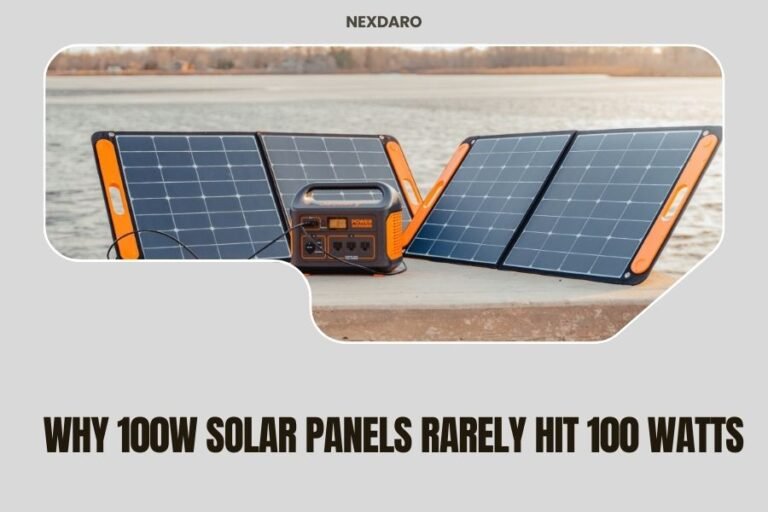
A 100-watt solar panel produces about 300-500 watt-hours per day in good sunlight. Cloudy days reduce this to maybe 100-200 watt-hours. Size your solar array based on daily power needs, not peak capacity.
Real-World Performance Expectations
Charging Time Reality
Marketing claims often show best-case scenarios. A 1000Wh generator with 200W of solar panels takes 6-8 hours of perfect sunlight to fully charge. Cloudy weather doubles or triples this time.
I researched actual user experiences and found charging from empty takes most of a sunny day. Plan accordingly and don’t expect instant results.
Weather Dependencies
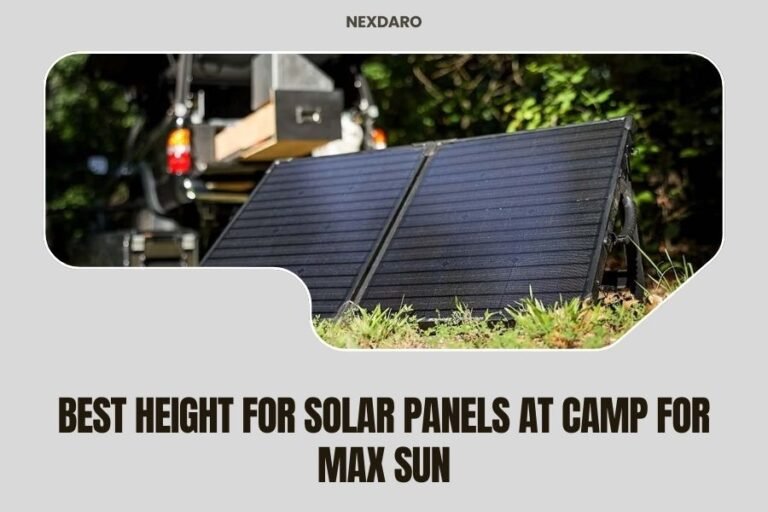
Solar generators work best in direct sunlight between 10 AM and 4 PM. Morning and evening sun produces much less power. Shade, clouds, and dirty panels all reduce output significantly.
Cold Weather Effects
Cold temperatures actually help solar panels work more efficiently. But lithium batteries lose capacity in freezing weather. Many units shut down below 32°F to protect the battery.
Common Applications and Use Cases
Emergency Preparedness
Power outages happen without warning. A solar generator keeps your phone charged, powers medical devices, and runs essential appliances. Unlike gas generators, you can safely use them indoors.
RV and Van Life
Many RV owners love the silent operation and unlimited fuel supply. You can park anywhere with sunlight and generate your own power. Just size your system for your actual power needs, not your wishes.
Construction and Remote Work
Job sites without grid power benefit from portable solar. Contractors use them to power tools, charge equipment, and run lights. The quiet operation won’t disturb neighbors like gas generators do.
Outdoor Events and Camping
Music festivals, camping trips, and outdoor weddings all need reliable power. Solar generators handle sound systems, lighting, and vendor equipment without noise complaints or fuel runs.
| Application | Recommended Capacity | Key Features Needed |
|---|---|---|
| Phone/tablet charging | 100-300Wh | USB ports, lightweight |
| Weekend camping | 500-1000Wh | AC outlets, 12V ports |
| RV living | 1000-3000Wh | High output, fast charging |
| Home backup | 2000Wh+ | Multiple outlets, surge capacity |
Maintenance and Longevity
Battery Care Tips
Lithium batteries last longer when you avoid completely draining them. Try to recharge when the battery hits 20-30% capacity. Extreme temperatures also shorten battery life, so store your generator in moderate conditions.
Solar Panel Maintenance
Keep panels clean for maximum output. Dust, leaves, and bird droppings block sunlight and reduce charging. A simple rinse with water usually does the trick.
Expected Lifespan
Quality lithium batteries handle 2000-5000 charge cycles before losing significant capacity. With normal use, expect 5-10 years of reliable service. Solar panels last even longer, often 20+ years.
Conclusion
Portable solar generators offer clean, quiet power for countless situations. They cost more upfront than gas generators but provide free energy from sunlight with minimal maintenance. Choose your capacity based on actual power needs, not maximum possible usage.
The technology keeps improving while prices drop. If you camp regularly, live off-grid, or want emergency backup power, a portable solar generator makes sense. Just remember that solar charging takes time and depends on weather conditions.
Can a portable solar generator power my entire house during an outage?
Large units can run essential appliances like refrigerators, lights, and phones for hours or days. But powering your whole house requires multiple units or a much larger system with permanent installation.
How long does it take to charge a portable solar generator?
Charging time depends on battery size and solar panel wattage. A typical 1000Wh unit with 200W of panels needs 6-8 hours of direct sunlight to fully charge from empty.
Do portable solar generators work in winter or cloudy weather?
They work but generate much less power. Cloudy days produce 10-25% of normal output. Snow covering panels blocks all generation until cleared off.
What’s the difference between a power station and a solar generator?
Power stations are battery packs that store electricity from any source. Solar generators specifically include solar panels for recharging. Many power stations become solar generators when you add solar panels.
Are portable solar generators worth the high cost compared to gas generators?
They cost 2-3 times more initially but have no ongoing fuel costs, work silently, and require minimal maintenance. The payback period depends on how often you use them and local fuel prices.