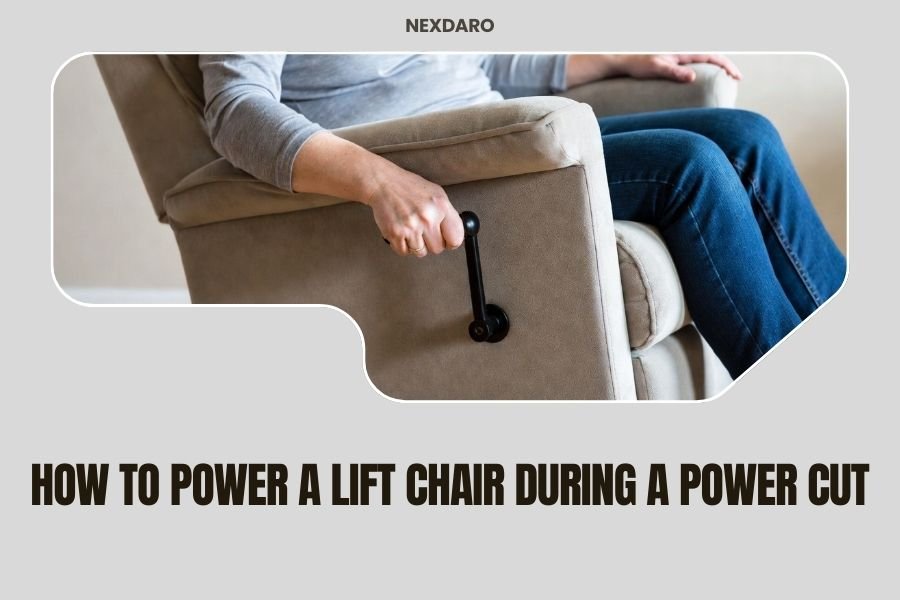
You can power a lift chair during a power cut using portable power stations, car power inverters, or backup battery systems designed for medical equipment.
A portable power station with 1000-3000 watt hours capacity will typically run most standard lift chairs for several hours, depending on usage frequency and chair specifications.
Understanding Your Lift Chair’s Power Needs
Before you pick a backup power solution, you need to know how much energy your lift chair uses. Most lift chairs draw between 100-400 watts during operation. The motor only runs when you’re lifting or reclining.
I found that checking your chair’s label or manual gives you the exact wattage. Look for a metal plate on the motor housing or transformer. If you can’t find it, call the manufacturer with your model number.
Peak vs. Running Power
Your lift chair needs more power to start than to run. This is called surge or peak power. It might be 2-3 times the running wattage for a few seconds.
For example, a chair that runs on 200 watts might need 600 watts to start. Your backup power source must handle both numbers.
Portable Power Stations: Your Best Friend During Outages
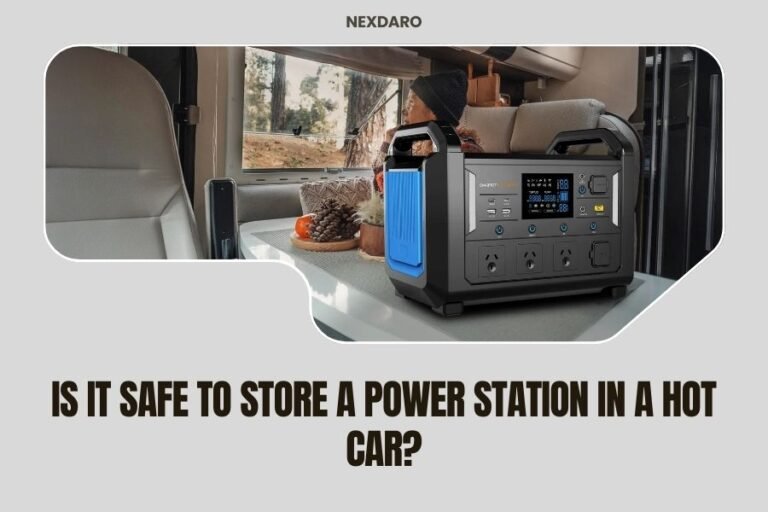
Portable power stations are like giant phone chargers for your home. They store electricity in rechargeable batteries and give you clean, safe power through regular outlets.
I researched the most popular models and found that units with 1000-2000 watt hour capacity work well for lift chairs. They’re quiet, need no gas, and won’t create dangerous fumes indoors.
Choosing the Right Size Power Station
Here’s a simple way to calculate what you need. Take your chair’s wattage and multiply by how many hours you want backup power.
If your chair uses 200 watts and you want 8 hours of backup, you need 1600 watt hours minimum. Add 20% extra for efficiency losses.
Top Features to Look For
- Pure sine wave output (protects sensitive electronics)
- Multiple AC outlets for other medical devices
- LCD display showing remaining power
- Fast recharge capability
- Wheels or handles for easy moving
Solar Charging Options
Many power stations can recharge using solar panels. This helps during long outages when you can’t plug into the wall. A 100-200 watt solar panel typically recharges a medium power station in 6-10 hours of good sunlight.
Car Power Inverters as Emergency Backup
Your car can become a backup generator with a power inverter. These devices change your car’s 12V power into regular household 120V electricity.
I found online that you need an inverter rated for at least 150% of your chair’s surge power. If your chair needs 600 watts to start, get a 1000-watt inverter.
Installation and Safety Tips
Large inverters connect directly to your car battery, not the cigarette lighter. This requires basic wiring but gives you much more power. Always use proper fuses and thick cables.
Keep your car running during use. Idling uses less gas than buying a generator, and you won’t drain your car battery.
Extension Cord Considerations
You’ll need a heavy-duty outdoor extension cord to reach from your car to your lift chair. Use 12-gauge wire for runs up to 100 feet. Lighter wire causes voltage drops that can damage your chair.
Dedicated Medical Battery Systems
Some companies make battery backups specifically for medical equipment. These plug into your wall outlet and automatically switch on during power failures.
Research shows these systems often cost more than portable power stations but offer seamless switching. Your chair keeps working without any interruption when the power goes out.
UPS Systems for Lift Chairs
Uninterruptible Power Supply units work like the battery backups that protect computers. Medical-grade UPS systems can handle the high startup power that lift chairs need.
Look for units labeled “true sine wave” and rated for at least 1500 watts. They typically provide 30-60 minutes of runtime, enough for short outages.
Generator Options and Safety
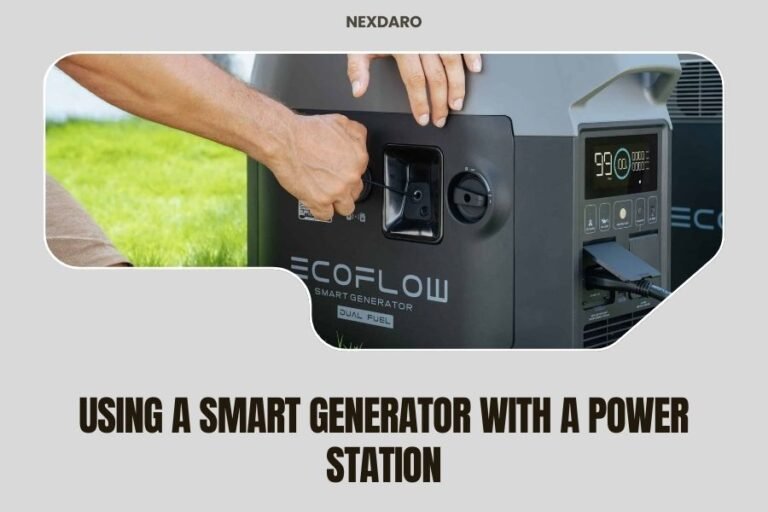
Portable generators can power lift chairs, but they require careful handling. Never run generators indoors or in attached garages. Carbon monoxide kills silently.
I came across guidance from the Consumer Product Safety Commission about keeping generators at least 20 feet from windows and doors. Use a transfer switch to safely connect to your home’s wiring.
Inverter Generators vs. Standard Generators
Inverter generators make cleaner electricity that won’t damage sensitive electronics. They’re quieter and more fuel-efficient but cost more upfront.
Standard generators work fine for lift chairs but might interfere with other electronic medical devices. Consider what else you need to power during outages.
Fuel Storage and Maintenance
Generators need regular maintenance to start reliably. Use fuel stabilizer and run the generator monthly. Store extra gas safely in approved containers away from ignition sources.
Planning Your Power Backup Strategy
The best approach combines multiple backup options. Start with a portable power station for most outages. Add a car inverter for extended emergencies.
Many experts say planning for 24-48 hours of independent power covers most situations. Longer outages usually involve community shelters or emergency services.
Testing Your Backup System
Test your backup power monthly when you’re healthy and alert. Time how long different solutions actually run your chair. Check all connections and switches.
Keep a simple checklist near your lift chair. Include phone numbers for your power company, family members, and medical supply company.
Maintenance Schedule
| Equipment Type | Monthly Check | Yearly Service |
|---|---|---|
| Portable Power Station | Charge/discharge cycle | Battery capacity test |
| Car Inverter | Connection inspection | Cable replacement if needed |
| Generator | Run for 30 minutes | Oil change and tune-up |
Cost-Effective Solutions for Different Budgets
You don’t need to spend thousands for reliable backup power. A basic 1000-watt power station costs $400-800 and handles most lift chairs easily.
From what I read online, car inverters offer the cheapest backup option at $50-200. They work well if you can park close to your house and don’t mind running extension cords.
DIY Battery Bank Options
Handy people can build custom battery systems using deep-cycle marine batteries and inverters. This approach costs less but requires electrical knowledge and safety precautions.
Use proper battery chargers and ventilation. Lead-acid batteries produce explosive gases during charging. Lithium batteries are safer but more expensive.
Government Assistance Programs
Some areas offer financial help for medical equipment backup power. Contact your local emergency management office or utility company about available programs.
Emergency Planning Beyond Power
What happens if your backup power fails or your lift chair breaks during an outage? Have a plan that doesn’t rely on electricity.
Practice transferring from your chair to other furniture safely. Keep a flashlight and phone charger within reach. Consider a manual recliner as a backup seating option.
Communication During Outages
Cell towers often have backup power, but your home internet might not work. Keep a battery-powered or hand-crank radio for emergency information.
Charge all devices before storms arrive. Power banks can keep your phone working for days if you use them carefully.
Working with Healthcare Providers
Tell your doctor about your backup power plans. They might have suggestions or know about local resources you haven’t considered.
Some medical supply companies offer loaner equipment during emergencies. Ask when you rent or buy your lift chair about their outage policies.
Insurance and Medical Necessity
Insurance rarely covers backup power equipment, but it’s worth asking. If your doctor writes a letter of medical necessity, you might get partial coverage or tax deductions.
Conclusion
Powering your lift chair during outages requires planning, but you have several good options. Portable power stations offer the best balance of safety, convenience, and capacity for most people. Car inverters provide affordable backup power if you can park nearby.
Start with understanding your chair’s power needs, then choose a solution that fits your budget and living situation. Test everything regularly and keep backup plans ready. With proper preparation, you can maintain your independence and comfort even when the grid goes down.
Can I use a regular car battery to power my lift chair?
Yes, but you need a power inverter to convert 12V battery power to household 120V electricity. A deep-cycle marine battery works better than a car battery because it handles repeated discharge cycles. You’ll also need a battery charger to restore power between uses.
How long will a portable power station run my lift chair?
Runtime depends on your chair’s power draw and how often you use it. A 1500 watt-hour power station typically runs a 200-watt lift chair for 6-8 hours of normal use, since the motor only operates during lifting and reclining movements, not while you’re sitting still.
What size generator do I need for a lift chair and other essentials?
A 2000-3000 watt generator handles most lift chairs plus lights, phone chargers, and a small refrigerator. Make sure it can handle your chair’s startup surge power, which might be 2-3 times the running wattage. Always use generators outdoors with proper ventilation.
Are there any safety risks when using backup power with medical equipment?
The main risks come from improper generator use (carbon monoxide poisoning) and electrical hazards from damaged cords or overloaded circuits. Use only properly rated equipment, check connections regularly, and never operate gas-powered generators indoors or in enclosed spaces.
Can solar panels directly power a lift chair during the day?
Solar panels need a battery system and inverter to power AC devices like lift chairs reliably. Direct solar power varies with clouds and sun angle, which could damage your chair’s electronics. Use solar panels to charge a power station or battery bank, then power your chair from the stored energy.