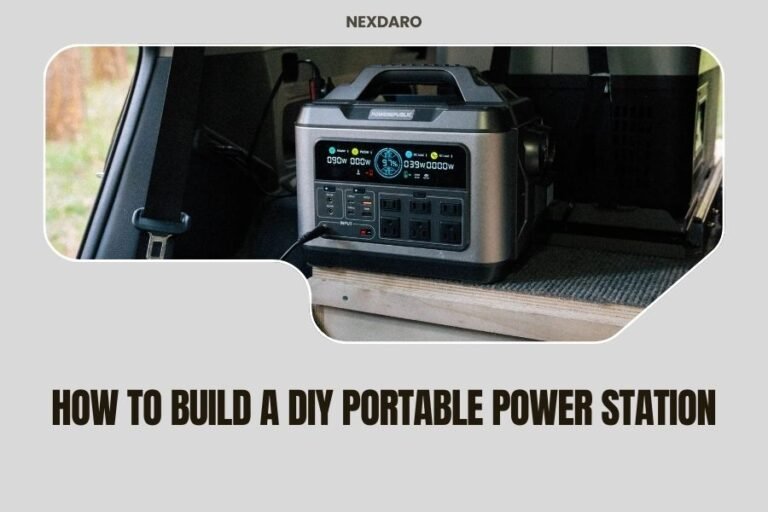

A mobile pet grooming business requires at least 3,000-5,000 watts of continuous power to run essential equipment like hair dryers, clippers, water pumps, and lighting systems.
Portable power stations provide the reliable electricity needed to operate a mobile pet grooming business anywhere, eliminating dependence on generators or vehicle alternators that often fail under heavy loads.
Why Your Mobile Pet Grooming Business Needs Reliable Power
Running a mobile pet grooming business means bringing salon-quality services to your customers’ doorsteps. But here’s the challenge: professional grooming equipment demands serious power.
Your blow dryers alone can pull 1,800-2,000 watts. Add in your clippers, vacuum systems, water pump, and lighting, and you’re looking at significant electrical needs. Traditional solutions like running extension cords from customers’ homes create liability issues and limit where you can work.
That’s where portable power stations shine. They give you complete electrical independence while staying quiet enough not to spook nervous pets.
Essential Equipment Power Requirements
Before choosing a power station, you need to understand exactly how much electricity your equipment uses. I researched typical power consumption for professional pet grooming tools and found these numbers:
High-Power Equipment
- Professional blow dryers: 1,500-2,000 watts
- Stand dryers: 1,000-1,500 watts
- Water heaters: 1,200-1,500 watts
- Wet/dry vacuums: 800-1,200 watts
Medium-Power Tools
- Electric clippers: 15-25 watts
- Trimming tools: 10-20 watts
- Water pumps: 100-300 watts
- LED work lights: 20-50 watts
Low-Power Accessories
- Tablet or payment systems: 10-30 watts
- Phone chargers: 5-20 watts
- Small fans: 25-75 watts
Calculating Your Total Power Needs
Your power station needs to handle your peak load plus a safety margin. Here’s how to calculate it:
Peak Load Scenario
During busy moments, you might run multiple devices at once. A typical peak load includes:
- One blow dryer: 1,800 watts
- Clippers: 20 watts
- Water pump: 200 watts
- LED lights: 40 watts
- Vacuum (intermittent): 1,000 watts
Total peak load: 3,060 watts
Daily Energy Consumption
You also need enough battery capacity for a full day’s work. Most mobile groomers service 6-8 dogs daily. Each appointment uses roughly 500-800 watt-hours of energy.
For 8 appointments, you’ll need approximately 4,000-6,400 watt-hours of stored energy.
Types of Portable Power Stations for Pet Grooming
High-Capacity Solar Generators
These units offer 3,000+ watts of continuous power and 3,000+ watt-hours of capacity. They handle your heaviest equipment without breaking a sweat.
The downside? They’re heavy and expensive. Expect to pay $3,000-$6,000 for units with enough power for professional grooming.
Medium-Capacity Power Stations
Units in the 1,500-3,000 watt range work well if you manage your power usage carefully. You might need to avoid running your blow dryer and vacuum simultaneously.
These cost $1,500-$3,000 and weigh 50-80 pounds.
Dual Power Station Setup
Some groomers use two smaller units instead of one large one. This spreads the weight and provides backup power if one unit fails.
You can dedicate one station to high-draw items like dryers and use the second for everything else.
Key Features to Look For
Pure Sine Wave Output
Your sensitive electronic equipment needs clean power. Pure sine wave inverters protect your expensive tools from damage and ensure they run at full efficiency.
Multiple AC Outlets
Look for at least 4-6 standard outlets. You’ll often need to plug in several items at once.
Fast Charging Capability
Between appointments, you want to top off your battery quickly. Look for units that can charge from your vehicle’s 12V outlet or accept solar panels.
Battery Management System
Quality power stations include protection against overcharging, overheating, and short circuits. These features protect your investment and keep you safe.
Real-World Power Management Strategies
Stagger High-Power Usage
Don’t run your blow dryer and vacuum at the same time. Dry the dog first, then clean up afterward. This reduces your peak power demand.
Use Efficient Equipment
Variable-speed dryers let you dial down the power when you don’t need maximum airflow. This extends your battery life significantly.
Plan Your Route
Schedule your most power-intensive appointments early in the day when your battery is fully charged. Save quick touch-ups for later appointments.
Charging Your Power Station
Vehicle Charging
Most power stations can charge from your van’s 12V outlet while driving between appointments. A 30-minute drive might add 200-500 watt-hours of capacity.
Solar Panel Integration
Roof-mounted solar panels keep your batteries topped off during sunny days. You’ll need 400-800 watts of solar panels to make a meaningful difference.
Shore Power Charging
Plug into standard wall outlets overnight or during lunch breaks. Most units fully recharge in 4-8 hours from empty.
Installation and Setup Considerations
Weight Distribution
Large power stations weigh 60-150 pounds. Mount them low in your van to maintain stability and make loading easier.
Ventilation Requirements
Power stations generate heat during operation. Ensure adequate airflow around the unit to prevent overheating.
Secure Mounting
Use proper brackets or tie-downs to prevent your power station from sliding around during transport. A loose 100-pound battery is dangerous.
Budget Considerations
| Power Level | Price Range | Best For |
|---|---|---|
| 1,000-2,000W | $800-$1,800 | Light grooming, cats only |
| 2,000-3,000W | $1,800-$3,500 | Mixed services, careful power management |
| 3,000W+ | $3,500-$7,000 | Full professional services, no restrictions |
Return on Investment
A quality power station pays for itself quickly. You can service customers without electrical access, charge premium prices for convenience, and avoid the fuel costs of running a generator.
Many groomers report adding 20-30% more customers after switching to portable power.
Maintenance and Longevity
Battery Care
Lithium batteries last longest when kept between 20-80% charge. Avoid completely draining your power station if possible.
Temperature Management
Extreme heat or cold reduces battery performance. Park in shade when possible and avoid charging in freezing temperatures.
Regular Cleaning
Pet hair gets everywhere, including your power station’s air vents. Clean the exterior monthly to prevent overheating.
Safety Considerations
Water Protection
Keep your power station away from wash areas. Even water-resistant units can fail if soaked.
Proper Grounding
Use GFCI adapters when working with water nearby. This prevents dangerous electrical shocks.
Emergency Shutoff
Know how to quickly turn off your power station if equipment malfunctions or pets get tangled in cords.
Common Mistakes to Avoid
Underestimating Power Needs
Many groomers buy underpowered systems to save money. This limits your services and frustrates customers when equipment runs slowly.
Ignoring Surge Requirements
Motors draw extra power when starting up. Make sure your power station can handle surge loads from dryers and vacuums.
Forgetting About Winter
Cold weather reduces battery capacity by 20-40%. Plan for shorter operating times during winter months.
Conclusion
Powering a mobile pet grooming business with portable power stations gives you the freedom to work anywhere while maintaining professional service quality. Choose a system with at least 3,000 watts of continuous output and 4,000+ watt-hours of capacity for full-service grooming.
The investment pays for itself through increased customer access and premium pricing. You’ll provide better service while building a more profitable business that isn’t limited by electrical access.
Remember to manage your power usage smartly, maintain your equipment properly, and always prioritize safety around water and electricity. With the right portable power setup, your mobile grooming business can serve customers anywhere with complete electrical independence.
How long will a portable power station run my grooming equipment?
A 4,000 watt-hour power station typically runs professional grooming equipment for 6-8 full appointments, depending on your tools and efficiency. Blow dryers use the most power, so managing their usage extends your operating time significantly.
Can I use a portable power station in cold weather?
Yes, but expect 20-40% reduced capacity in freezing temperatures. Keep your power station warm between appointments and consider a larger unit if you work in cold climates regularly.
What’s the difference between surge power and continuous power ratings?
Surge power handles the brief high-power draw when motors start up, while continuous power is what the unit can provide steadily. Your blow dryer might need 2,500 watts to start but only 1,800 watts to run continuously.
Should I buy one large power station or two smaller ones?
Two smaller units offer backup redundancy and easier handling but cost more overall. One large unit is more cost-effective and efficient but creates a single point of failure for your business.
How do I calculate the payback period for a power station investment?
Factor in the additional customers you can serve without electrical access, premium pricing for convenience, and savings from eliminating generator fuel costs. Most groomers see payback within 12-18 months through increased revenue opportunities.