
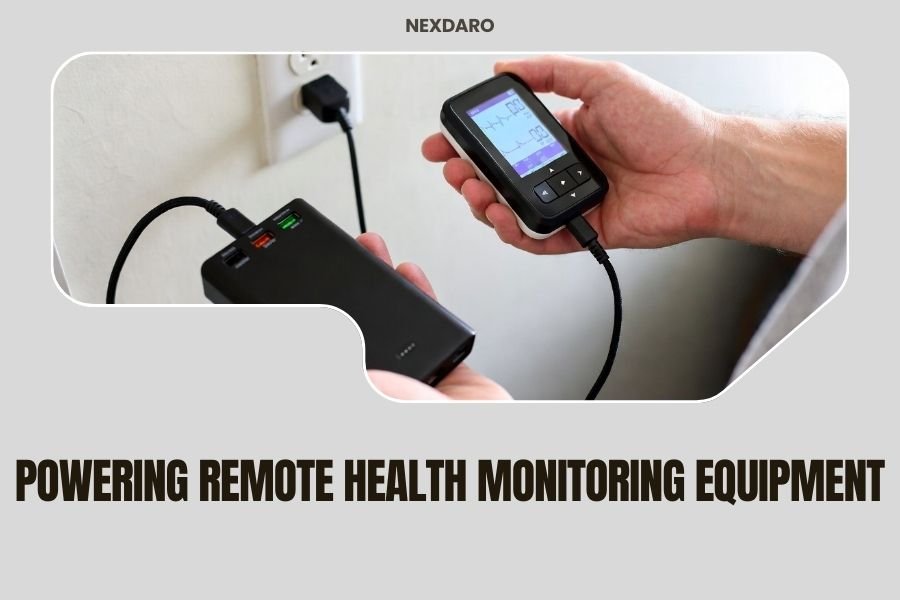
Portable power stations provide reliable electricity for remote health monitoring equipment, delivering 12V to 240V AC power with capacities ranging from 300Wh to 3000Wh for continuous operation.
These battery systems keep medical devices running during power outages, in remote locations, and during patient transport, making them perfect for powering remote health monitoring equipment safely and efficiently.
Why Remote Health Monitoring Needs Reliable Power
Your medical equipment can’t afford power interruptions. When you’re monitoring patients in remote areas, backup generators aren’t always practical.
I researched power requirements for common medical devices and found that most monitoring equipment needs steady, clean electricity to function properly. Even brief power losses can reset devices or corrupt patient data.
Remote locations face unique challenges. You might be dealing with unreliable grid power, no electrical infrastructure, or weather-related outages.
Common Remote Monitoring Scenarios
Medical professionals use portable power in many situations. Field clinics need power for patient monitors and diagnostic equipment.
Home healthcare workers visit patients in rural areas where power outages happen frequently. Emergency responders need portable electricity during disasters or accidents.
Research teams conducting health studies in remote locations depend on consistent power for their monitoring devices.
Power Requirements for Medical Equipment
Different health monitoring devices have different power needs. Understanding these requirements helps you choose the right portable power station.
Low-Power Monitoring Devices
Many basic monitors use surprisingly little power. Pulse oximeters typically draw 5-15 watts. Blood pressure monitors use 10-25 watts per reading.
Glucose monitors and small diagnostic tools often run on less than 20 watts. These devices work well with smaller power stations.
Medium-Power Medical Equipment
Patient monitors with multiple sensors need 50-150 watts continuously. Portable ultrasound machines often require 100-200 watts during operation.
ECG machines and similar diagnostic equipment fall into this category. You’ll need a mid-sized power station for extended use.
High-Power Medical Devices
Some equipment demands significant power. Portable X-ray machines can use 1000-3000 watts during imaging. Laboratory equipment often needs 200-500 watts.
Refrigerated storage for medications or samples requires continuous power, sometimes 100-300 watts depending on size.
Types of Portable Power Stations for Medical Use
Not all power stations work well for medical equipment. You need specific features for healthcare applications.
Lithium Battery Systems
Lithium iron phosphate (LiFePO4) batteries offer the best performance for medical use. They provide clean, stable power output and last longer than other battery types.
These systems typically offer 2000-6000 charge cycles. That means years of reliable service with proper care.
Pure Sine Wave Output
Medical equipment needs pure sine wave AC power. Modified sine wave output can damage sensitive electronics or cause malfunction.
Always check that your power station provides true sine wave output before connecting medical devices.
Why Sine Wave Matters
Think of sine wave like smooth water flowing through a pipe. Modified sine wave is like choppy water that can damage delicate components.
Medical monitors have sensitive circuits that expect smooth, consistent power. Choppy power can cause false readings or equipment failure.
Key Features for Medical Applications
Medical-grade portable power needs special considerations beyond basic electricity storage.
Multiple Output Options
Look for stations with various outlets. You’ll want several AC outlets, USB ports, and 12V connections.
Some medical devices use specialized connectors. Having multiple output types gives you flexibility.
Battery Capacity Planning
Calculate your runtime needs carefully. A 1000Wh power station running a 100W device provides roughly 8-10 hours of operation.
Always plan for 20-30% less runtime than the math suggests. Real-world efficiency losses and battery protection circuits reduce actual capacity.
Recharging Capabilities
Fast recharging keeps your equipment operational. Look for stations that charge via AC power, 12V car ports, and solar panels.
Some high-end units charge from empty to 80% in 2-3 hours. This rapid charging helps in emergency situations.
Safety Considerations for Medical Power
Patient safety depends on reliable, safe power delivery. Several factors require special attention.
Ground Fault Protection
Medical environments need protection from electrical faults. Quality power stations include ground fault circuit interrupters (GFCI).
This protection automatically cuts power if it detects dangerous current leakage. It’s like having a safety guard watching your electrical connections.
Surge Protection
Power surges can destroy expensive medical equipment. Built-in surge protection shields your devices from voltage spikes.
Many experts recommend additional surge protectors for very sensitive equipment (Mayo Clinic guidelines suggest layered protection).
Temperature Management
Batteries generate heat during heavy use. Overheating can cause shutdowns or reduce battery life.
Look for stations with active cooling fans and temperature monitoring. Some units automatically reduce output to prevent overheating.
Choosing the Right Size Power Station
Matching your power station to your needs saves money and ensures adequate runtime.
Small Stations (300-500Wh)
Perfect for basic monitoring equipment. These handle pulse oximeters, blood pressure monitors, and small diagnostic tools.
Lightweight and portable, they work well for home visits or basic field work.
Medium Stations (500-1500Wh)
The sweet spot for most medical applications. These power patient monitors, portable ultrasound, and multiple devices simultaneously.
They balance capacity with portability. Most weigh 30-50 pounds but provide substantial runtime.
Large Stations (1500Wh+)
For high-power equipment or extended operations. These handle portable X-ray machines, laboratory equipment, and multiple high-draw devices.
Weight becomes a factor – many exceed 60 pounds. Consider wheeled cases for transport.
Real-World Applications
Understanding how others use portable power for medical equipment helps you make better decisions.
Rural Healthcare Clinics
I found online that many rural clinics use 1000-2000Wh stations as backup power. They keep patient monitors, computers, and lighting operational during outages.
These facilities often combine solar charging with battery storage for sustainable power.
Emergency Medical Services
EMT and paramedic teams rely on portable power for field operations. They need power for monitors, communication equipment, and lighting.
Quick setup and reliable operation can make the difference in emergency situations.
Home Healthcare
Home health nurses use smaller power stations for portable equipment during patient visits. They’re particularly useful in areas with unreliable grid power.
Patients with home monitoring equipment also use these systems as backup power for life-sustaining devices.
Maintenance and Care
Proper maintenance keeps your power station reliable when you need it most.
Regular Testing
Test your power station monthly. Check all outlets, monitor battery capacity, and verify charging functions.
Keep a log of test results. Declining performance often shows up gradually.
Battery Health
Store batteries at 50-60% charge for long-term storage. Extreme temperatures harm battery life.
Avoid completely draining the battery regularly. Lithium batteries prefer partial discharge cycles.
Cleaning and Storage
Keep air vents clear of dust and debris. Blocked vents cause overheating and reduced performance.
Store in clean, dry locations. Medical environments can be dusty or humid.
Cost Considerations
Medical-grade portable power represents a significant investment. Understanding costs helps with budgeting.
Initial Purchase Price
Quality medical power stations range from $500 for basic units to $3000+ for high-capacity systems.
Remember that cheaper units often lack medical-grade features like pure sine wave output or proper safety protections.
Operating Costs
Consider replacement costs over time. Quality lithium systems last 5-10 years with proper care.
Solar charging reduces operating costs and provides sustainable power in remote locations.
Future Trends in Medical Power
Technology improvements continue making portable medical power more effective.
Higher Energy Density
New battery technologies pack more power into smaller packages. This means lighter, more portable systems with longer runtime.
Smart Monitoring
Modern power stations include smartphone apps for remote monitoring. You can check battery status, power consumption, and system health remotely.
Faster Charging
New charging technologies reduce recharge times significantly. Some systems now charge to 80% capacity in under an hour.
Conclusion
Powering remote health monitoring equipment requires careful planning and the right portable power station. Focus on pure sine wave output, adequate capacity, and medical-grade safety features. Calculate your power needs accurately and choose a system with room to grow. Regular maintenance and proper care ensure your power station provides reliable service when patients depend on it. The investment in quality portable power pays dividends in patient care capability and peace of mind during critical situations.
What’s the minimum power station size needed for basic patient monitoring?
A 500Wh power station typically provides 6-8 hours of runtime for basic monitors drawing 50-75 watts. This covers pulse oximeters, blood pressure monitors, and simple diagnostic equipment with some reserve capacity.
Can modified sine wave power stations damage medical equipment?
Yes, modified sine wave output can cause malfunction, false readings, or permanent damage to sensitive medical electronics. Always use pure sine wave power stations for medical devices to ensure proper operation and protect expensive equipment.
How do I calculate runtime for my medical equipment?
Divide the power station capacity (in watt-hours) by your device’s power consumption (in watts), then multiply by 0.8 to account for efficiency losses. For example: 1000Wh ÷ 100W × 0.8 = 8 hours of runtime.
What safety certifications should I look for in medical power stations?
Look for UL listing, FCC certification, and medical-grade safety features like GFCI protection. Some manufacturers also obtain FDA registration for medical device power supplies, though this isn’t always required for external power sources.
How often should portable power stations be replaced in medical settings?
Quality lithium power stations typically last 5-10 years with proper maintenance. Replace them when battery capacity drops below 80% of original capacity or when safety systems begin failing regular testing protocols.