To power a small space heater safely, you need a power source that delivers at least 1500 watts continuously and includes proper surge protection features.
Safety depends on matching your heater’s power requirements with an appropriate electrical source, whether it’s a wall outlet, generator, or portable power station.
Power Requirements for Small Space Heaters
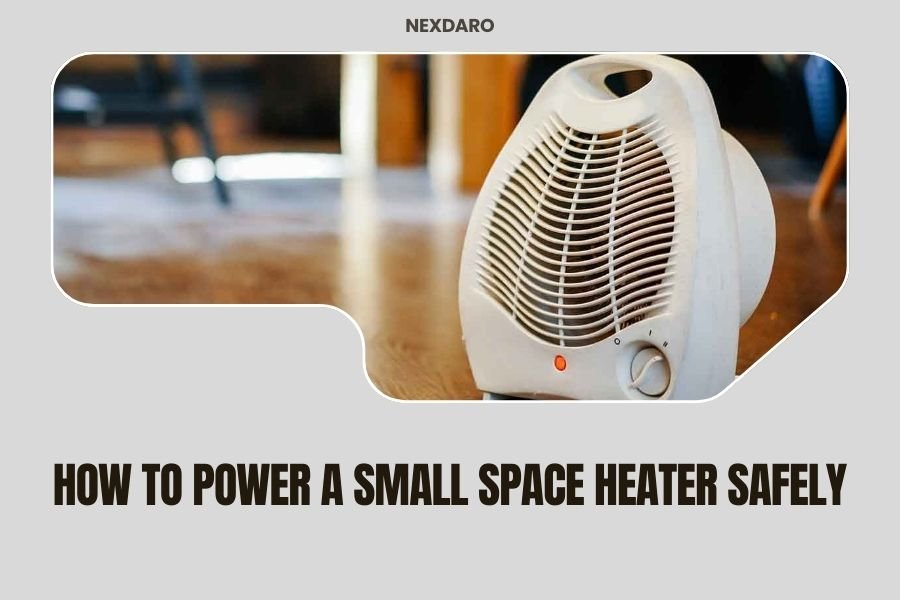
Most small space heaters pull between 750 and 1500 watts when running. That’s similar to running a hair dryer or microwave. You can find your heater’s exact power draw on a label stuck to the unit itself.
I researched typical power consumption patterns and found that ceramic heaters often use less energy than oil-filled radiators. Fan-forced heaters sit somewhere in the middle.
Understanding Wattage vs Amperage
Here’s a simple way to think about electrical load. Watts tell you total power consumption. Amps tell you current draw from your circuit.
Most home circuits handle 15 or 20 amps safely. A 1500-watt heater draws about 12.5 amps on a standard 120-volt outlet. That leaves little room for other devices on the same circuit.
Quick Power Calculation
Want to check if your circuit can handle the load? Divide watts by volts to get amps. So 1500 watts ÷ 120 volts = 12.5 amps.
Choosing the Right Power Source
You have three main options for powering your space heater. Each comes with different safety considerations and limitations.
Standard Wall Outlets
Wall outlets work great if your electrical system can handle the load. I found that many older homes struggle with high-draw appliances on circuits shared with other devices.
Check your circuit breaker box. Look for 15-amp or 20-amp breakers. The higher-rated circuits give you more headroom for safe operation.
Circuit Sharing Concerns
Never run a space heater on the same circuit as other high-draw devices. Things like refrigerators, microwaves, or computers can push your total load over safe limits.
Portable Generators
Generators can power space heaters during outages or in remote locations. You need at least a 2000-watt generator to run a 1500-watt heater safely.
The extra capacity handles startup surges and prevents overloading. Many experts recommend 25% more capacity than your heater’s rated wattage (Consumer Reports).
Generator Safety Rules
Always run generators outdoors, at least 20 feet from windows and doors. Carbon monoxide from generators kills dozens of people each year, often during power outages (CDC).
Portable Power Stations
Battery-powered stations offer clean, quiet power for small spaces. You need a unit rated for at least 1500 watts continuous output to run most space heaters.
I researched runtime expectations and found that most portable power stations run a 1500-watt heater for 1-3 hours, depending on battery capacity.
Essential Safety Precautions
Space heater safety goes way beyond just having enough power. Poor setup causes thousands of house fires every year.
Proper Placement Guidelines
Keep your heater at least three feet away from anything that can burn. That includes curtains, furniture, papers, and clothing.
Place heaters on flat, stable surfaces. Never put them on beds, chairs, or other soft surfaces that can tip over or block air vents.
Floor Surface Considerations
Hard floors work best for heater placement. Carpets can trap heat and create fire risks, especially with older heater models.
Extension Cord Safety
Extension cords cause major problems with space heaters. Most household extension cords can’t handle the high current draw safely.
If you must use an extension cord, get a heavy-duty 12-gauge cord rated for at least 15 amps. Anything lighter will overheat and potentially start fires.
Why Extension Cords Overheat
Think of electrical current like water flowing through a pipe. Thinner wires create more resistance, just like smaller pipes slow water flow. That resistance creates heat.
Monitoring and Maintenance
Regular checks keep your heating setup running safely. Small problems become big dangers if you ignore them.
Signs of Electrical Problems
Watch for flickering lights when your heater starts up. That often means your circuit is overloaded or your wiring needs attention.
Hot outlets, burning smells, or frequently tripping breakers all signal electrical problems. Stop using the heater and call an electrician right away.
Temperature Checks
Touch your outlets and plugs after running the heater for 30 minutes. They should feel cool or barely warm. Hot plugs mean dangerous overloading.
Regular Heater Maintenance
Clean your heater’s air intake and exhaust vents monthly during heavy use. Dust buildup blocks airflow and causes overheating.
Check the power cord for damage before each heating season. Cracked or frayed cords need immediate replacement.
Energy-Efficient Operation Tips
Smart operation saves money and reduces strain on your power source. Small changes make a big difference in energy consumption.
Thermostat Settings
Set your thermostat to the lowest comfortable temperature. Every degree higher increases energy use by about 6-8% (Department of Energy).
Use programmable thermostats or timers to avoid heating empty spaces. Why waste energy warming rooms nobody’s using?
Zone Heating Strategy
Heat only the rooms you’re using instead of the whole house. This approach can cut heating costs by 20-40% in many homes.
Insulation and Air Sealing
Seal gaps around windows and doors before cranking up your heater. Cold air leaks force your heater to work harder and use more power.
Heavy curtains or blankets over windows add extra insulation during cold nights. Every bit of heat retention helps.
| Power Source | Best For | Safety Considerations | Cost Range |
|---|---|---|---|
| Wall Outlet | Permanent installations | Check circuit capacity | $0 (existing) |
| Generator | Outages, remote areas | Outdoor use only | $300-$800 |
| Power Station | Indoor backup power | Limited runtime | $500-$1500 |
Troubleshooting Common Issues
Most heater problems have simple solutions. Knowing what to check saves time and prevents unnecessary service calls.
Heater Won’t Turn On
Check the obvious stuff first. Is it plugged in? Did a circuit breaker trip? Many heaters have reset buttons that pop out during overload conditions.
Look for the reset button on your heater’s control panel or cord. Press it firmly and try again.
Thermal Shutoff Features
Modern heaters shut down automatically when they overheat. This safety feature prevents fires but can be annoying if your heater keeps shutting off.
Frequent Circuit Breaker Trips
Tripping breakers usually mean overloaded circuits. Try moving other devices to different outlets or reducing your heater’s power setting.
If the problem continues with nothing else running, you might have wiring problems that need professional attention.
Conclusion
Powering a small space heater safely comes down to matching your heater’s needs with an appropriate power source and following basic safety rules. Check your heater’s wattage, verify your power source can handle the load, and always maintain proper clearances from flammable materials. Whether you’re using wall power, a generator, or a portable power station, regular monitoring and maintenance keep your heating system running safely and efficiently. Remember that space heaters are meant for supplemental heating in occupied spaces, not as primary heat sources for entire homes.
Can I run a space heater on a portable power station overnight?
Running a space heater overnight on battery power isn’t recommended due to limited runtime and fire safety concerns. Most portable power stations provide only 1-3 hours of heater operation, and unattended space heaters pose fire risks regardless of power source.
What size generator do I need to run multiple space heaters?
You need approximately 2000 watts of generator capacity per 1500-watt space heater, plus 25% extra for startup surges. For two heaters, consider a 5000-watt generator minimum to ensure safe operation without overloading.
Is it safe to plug a space heater into a power strip?
Never plug space heaters into power strips or surge protectors. These devices aren’t designed to handle high current loads and will overheat, potentially causing fires. Always plug directly into wall outlets.
How can I tell if my outlet can handle a space heater?
Check your circuit breaker rating and calculate total load on that circuit. A 15-amp circuit can safely handle about 1440 watts continuously, while a 20-amp circuit handles up to 1920 watts. Don’t exceed 80% of circuit capacity.
What’s the most energy-efficient type of small space heater?
Ceramic heaters with fans typically offer the best combination of efficiency and heating speed for small spaces. Oil-filled radiators use similar energy but heat more slowly, while they retain heat longer after shutoff.