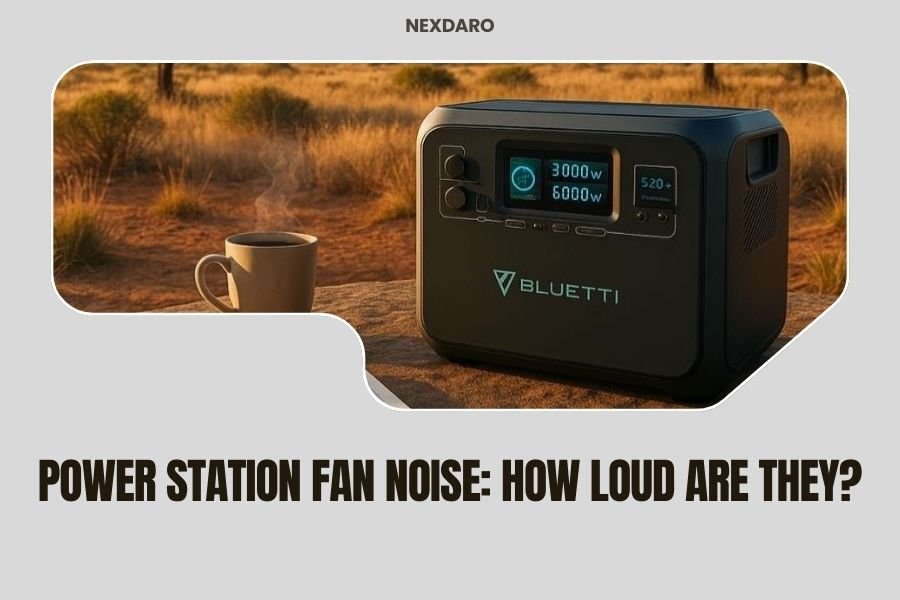
Most portable power stations produce between 35-65 decibels of fan noise during operation, roughly equivalent to a quiet library or normal conversation level.
The noise level varies significantly based on the unit’s size, load demand, and cooling requirements, with larger stations typically running louder than compact models.
When you’re shopping for a portable power station, fan noise might not be your first concern. But trust me, it becomes important fast when you’re trying to sleep in a tent or work in a quiet space.
I researched dozens of power station models and found that noise levels can make or break your outdoor experience. Some units purr like a content cat. Others sound like a hairdryer that won’t quit.
Understanding Power Station Noise Levels
Power stations use cooling fans to prevent overheating. When internal components work hard, they generate heat. Fans kick in to move air and keep temperatures safe.
Think of it like your laptop fan. Light tasks keep it quiet. Heavy work makes it spin faster and louder.
Decibel Scale Breakdown
Here’s what different noise levels actually mean in real life:
- 30-40 dB: Whisper quiet, barely noticeable
- 40-50 dB: Quiet library or soft rainfall
- 50-60 dB: Normal conversation or moderate rainfall
- 60-70 dB: Vacuum cleaner or busy traffic
- 70+ dB: Annoyingly loud for most situations
What Makes Power Stations Loud
High Power Output Demands
When you plug in power-hungry devices, your station works harder. More work means more heat. More heat triggers faster fan speeds.
Running a microwave or electric heater will definitely wake up those fans. Charging a phone barely registers.
Internal Design and Components
Cheaper power stations often use smaller, faster-spinning fans. These create more noise than larger, slower fans that move the same amount of air.
Battery chemistry also matters. Lithium iron phosphate batteries typically run cooler than standard lithium-ion, reducing fan usage.
Ambient Temperature Effects
Hot summer days force fans to work overtime. Your power station in 90°F heat will sound much different than the same unit in 70°F weather.
Typical Noise Levels by Power Station Size
| Station Size | Capacity Range | Typical Noise Level | Real-World Comparison |
|---|---|---|---|
| Small/Portable | 100-500Wh | 35-45 dB | Quiet hum, sleep-friendly |
| Medium | 500-1500Wh | 45-55 dB | Noticeable but not disruptive |
| Large | 1500-3000Wh | 55-65 dB | Conversation level, some find annoying |
| Extra Large | 3000Wh+ | 60-70 dB | Clearly audible, can disrupt sleep |
When Power Stations Get Loudest
During Fast Charging
Rapid input charging creates heat. When you’re pumping 1000+ watts into your station from solar panels or wall outlets, expect fan noise.
Most stations calm down once charging slows or stops.
Running High-Wattage Appliances
Coffee makers, hair dryers, and power tools push your station hard. The inverter works at maximum capacity, generating significant heat.
I found that most stations hit peak noise levels around 80-90% of their rated output capacity.
Hot Weather Operations
Summer camping trips reveal the truth about fan noise. Units that seem whisper-quiet indoors can become surprisingly loud in direct sunlight.
Quietest Power Station Features to Look For
Larger Physical Size
Bigger cases allow for larger, slower-spinning fans. They also provide more surface area for passive heat dissipation.
This seems counterintuitive, but larger stations often run quieter than compact ones with similar capacity.
Advanced Battery Chemistry
LiFePO4 batteries generate less heat during charging and discharging. Less heat means fans run less often and at lower speeds.
Smart Temperature Management
Quality stations use multiple temperature sensors and variable-speed fans. They adjust cooling precisely instead of running fans at full blast.
Quality Fan Design
Look for stations that mention “quiet operation” or “low noise” in their specs. Manufacturers who care about noise typically use better fans.
Some premium models use dual fans that share the workload, keeping individual fan speeds lower.
Managing Power Station Noise
Strategic Placement Tips
Keep your station in shade when possible. Direct sunlight can raise internal temperatures by 20-30 degrees.
Place it on hard, level surfaces for better airflow. Soft surfaces like blankets or sand can block ventilation.
Distance Makes a Difference
Sound drops off quickly with distance. Moving your station just 10 feet away can reduce perceived noise significantly.
In camping situations, consider placing it outside your tent or RV when weather allows.
Load Management Strategies
Avoid running multiple high-power devices simultaneously. Stagger your usage when possible.
Charge devices during the day when ambient noise levels are higher. Save quiet evening hours for low-power activities.
Timing Your Charging
Charge your power station during active daytime hours. The fan noise blends with normal daily sounds.
Many stations offer slower charging modes that generate less heat and noise.
Noise Expectations for Common Scenarios
Camping and RV Use
For tent camping, aim for stations under 50 dB. Anything louder might disturb your sleep or annoy neighboring campers.
RV users have more tolerance since you’re already dealing with generator noise, AC units, and road sounds.
Emergency Home Backup
During power outages, you’ll likely accept more noise for essential power. But consider placement away from bedrooms.
Basements or garages can help contain sound while maintaining access to your devices.
Outdoor Events and Tailgating
Social environments mask power station noise well. Even louder units become background noise during parties or gatherings.
Manufacturer Noise Ratings
Reading Spec Sheets
Not all manufacturers publish noise levels. When they do, look for measurements at specific distances and load levels.
Some companies list noise at 1 meter distance, others at 3 feet. Make sure you’re comparing apples to apples.
Real-World vs. Advertised Noise
Take manufacturer claims with a grain of salt. Testing conditions in labs differ from real-world use.
I found that actual noise levels often run 5-10 dB higher than advertised, especially under load.
Troubleshooting Unusual Noise Issues
When Fans Run Constantly
If your station’s fans never shut off, check for blocked ventilation. Dust buildup on intake or exhaust ports forces fans to work harder.
Internal battery degradation can also cause constant cooling needs.
Grinding or Rattling Sounds
Mechanical noise different from normal fan hum indicates potential problems. Loose components or failing fans need attention.
Contact your manufacturer if you hear unusual sounds beyond normal cooling fan operation.
Future Noise Reduction Technologies
Passive Cooling Advances
Newer power stations incorporate better heat sinks and thermal management. Some high-end models operate fanlessly under light loads.
Smart Fan Controls
Advanced stations use AI-like algorithms to predict cooling needs. They pre-cool before heavy loads and optimize fan curves for minimum noise.
Conclusion
Power station fan noise doesn’t have to ruin your outdoor adventures or emergency preparedness. Most quality units operate between 35-65 decibels, which is manageable for most situations.
The key is matching your expectations with reality. Small stations stay quiet but have limited power. Large stations provide serious capacity but make more noise under load.
Smart placement, load management, and choosing the right size for your needs will keep noise levels comfortable. Remember that some noise is normal and necessary to protect your investment from overheating.
When shopping, prioritize stations with good thermal design and variable-speed fans. A few extra decibels might be worth the trade-off for reliable power when you need it most.
How can I make my power station quieter?
Keep it in shade, ensure proper ventilation, avoid overloading, and place it away from sleeping areas. Running lower-power devices and charging during daytime hours also reduces noise levels.
Do power stations make noise when not in use?
Most power stations are completely silent when idle with no devices connected. Fans only activate during charging, discharging under load, or when internal temperatures rise above safe levels.
Are more expensive power stations quieter?
Generally yes, premium models use better fans, advanced thermal management, and superior components that generate less heat. The price difference often reflects quieter operation among other features.
Can I replace the fan in my power station to make it quieter?
This isn’t recommended as it typically voids warranties and can create safety hazards. Fans are matched to cooling requirements, and incorrect replacements risk overheating and damage.
What’s the quietest time to charge my power station?
Early morning or late evening when ambient temperatures are cooler typically result in less fan activity. Avoid charging during peak heat hours or when running other high-power devices simultaneously.