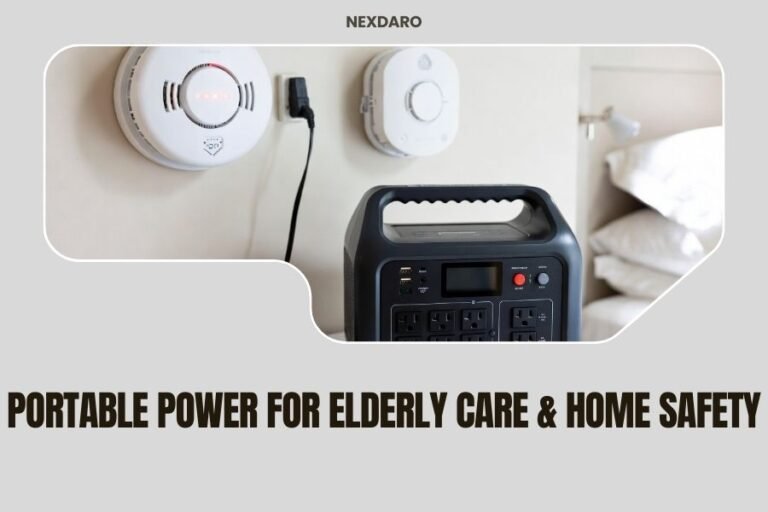
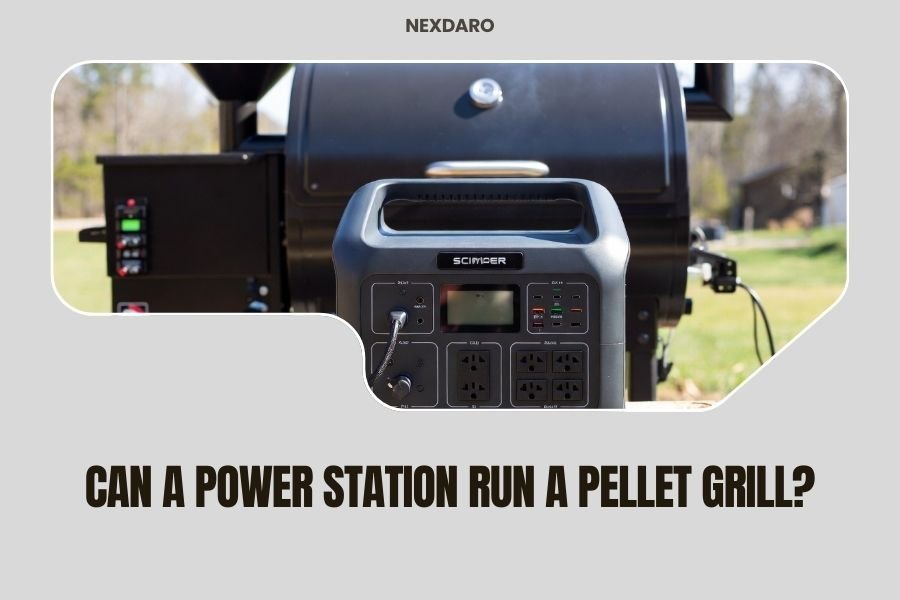
Yes, a power station can run a pellet grill, but you need to match the power requirements carefully. Most pellet grills need 300-500 watts during startup and 50-150 watts while cooking.
The key is choosing a power station with enough capacity and surge power to handle your specific pellet grill model. A 1000Wh power station typically runs most pellet grills for 4-8 hours of cooking time.
Power Requirements for Pellet Grills
Your pellet grill uses electricity in two main ways. First, it needs power to start up the ignition system and feed pellets. This startup phase draws the most energy.
Second, it needs ongoing power to keep the auger feeding pellets and fans circulating air. This maintenance power is much lower than startup.
Startup Power Needs
During the first 10-15 minutes, your pellet grill works hardest. The igniter rod heats up to light the pellets. The auger motor runs frequently to build the initial fire.
Most pellet grills pull 300-500 watts during this phase. Some larger models can spike up to 600 watts. This is when your power station gets tested the most.
Ongoing Power Consumption
Once your grill reaches cooking temperature, power needs drop significantly. The auger only runs periodically to maintain heat. The fan keeps running but uses less energy.
Typical ongoing consumption ranges from 50-150 watts. This lower draw means your power station battery lasts much longer during the actual cooking phase.
Choosing the Right Power Station Size
You want a power station that handles both peak startup power and provides enough runtime for your cooking sessions. This means looking at two key specs.
Surge Power Rating
Your power station needs surge capacity above your grill’s startup watts. If your grill pulls 400 watts at startup, get a power station rated for at least 500 watts continuous output.
Many power stations offer higher surge ratings for short bursts. This helps during that demanding startup phase when your grill needs extra juice.
Battery Capacity Calculations
Battery capacity determines how long you can cook. Here’s a simple way to estimate runtime.
Take your power station’s watt-hours and divide by your grill’s average power draw. A 1000Wh power station running a 100-watt grill gives you roughly 10 hours of cooking time.
| Power Station Size | Typical Runtime (100W grill) | Typical Runtime (150W grill) |
|---|---|---|
| 500Wh | 4-5 hours | 3 hours |
| 1000Wh | 8-10 hours | 6-7 hours |
| 1500Wh | 12-15 hours | 9-10 hours |
Real-World Power Station Performance
I found through research that actual runtime often differs from calculations. Power stations lose some efficiency during conversion from DC battery power to AC output.
Most quality power stations achieve 85-90% efficiency. This means your 1000Wh battery delivers about 850-900 usable watt-hours to your pellet grill.
Temperature Effects on Battery Life
Cold weather reduces battery performance. Your power station might deliver 20-30% less runtime in freezing temperatures compared to mild weather.
Hot weather also affects performance, though less dramatically. Keep your power station in shade when possible during summer grilling sessions.
Age and Battery Degradation
Lithium batteries gradually lose capacity over time. After 500-1000 charge cycles, your power station might only hold 80% of its original capacity.
Plan for this gradual decline when sizing your power station. Getting slightly more capacity than you need today gives you a buffer for future battery aging.
Best Power Station Features for Pellet Grills
Not all power stations work equally well with pellet grills. Some features make your grilling experience much smoother.
Pure Sine Wave Output
Your pellet grill’s control board needs clean power to work properly. Pure sine wave power stations provide electricity that matches what comes from your wall outlet.
Modified sine wave units cost less but might cause issues with sensitive electronics in newer pellet grills. Stick with pure sine wave for reliable operation.
Multiple AC Outlets
You might want to power other accessories while grilling. Extra outlets let you run lights, a wireless thermometer base, or even a small cooler.
Look for power stations with at least two AC outlets. Three or four outlets give you even more flexibility for outdoor cooking setups.
USB Ports for Accessories
USB ports help charge your phone, power LED lights, or run small fans. Many grilling accessories now use USB power instead of batteries.
12V DC Outlets
Some camping accessories work better with 12V power. Having both AC and DC options maximizes what you can power from one unit.
Popular Pellet Grill Power Consumption
Different pellet grill brands and models have varying power needs. I researched common models to give you realistic expectations.
Traeger Grills
Most Traeger models use 300-400 watts during startup and 50-150 watts while cooking. Their WiFire controller adds a small constant draw for connectivity features.
Larger Traeger grills like the Timberline series need more power. These can pull 400-500 watts during startup phases.
Green Mountain Grills
Green Mountain pellet grills typically need 200-350 watts for startup. Their ongoing consumption runs 40-120 watts depending on cooking temperature.
The WiFi-enabled models add about 5-10 watts for constant connectivity. This small extra draw adds up over long cooking sessions.
Pit Boss Grills
Pit Boss models vary widely in power consumption. Smaller units might only need 250 watts for startup, while large competition models can require 500+ watts.
Their digital control boards generally use less ongoing power than mechanical controllers. Expect 45-130 watts during normal cooking.
Tips for Maximizing Runtime
You can stretch your power station’s runtime with smart grilling techniques. Small changes make a big difference in battery life.
Preheat Efficiently
Don’t preheat longer than necessary. Most pellet grills reach cooking temperature in 15-20 minutes. Extra preheating wastes battery power.
Use a wireless thermometer to monitor grill temperature remotely. This prevents opening the lid repeatedly, which forces the grill to work harder.
Cook at Steady Temperatures
Frequent temperature changes make your grill work harder. The auger runs more often to adjust heat levels, draining your battery faster.
Plan your cooking to minimize temperature adjustments. Cook similar items together when possible to maintain consistent heat settings.
Use Efficient Pellets
Higher-quality pellets burn more efficiently and produce steadier heat. This reduces how often your auger needs to feed new pellets.
Keep Your Grill Clean
A clean grill maintains temperature more easily. Built-up grease and ash make your grill work harder, using more power from your station.
Backup Power Options
Long cooking sessions might drain your power station completely. Having backup options keeps your cook going smoothly.
Solar Panel Charging
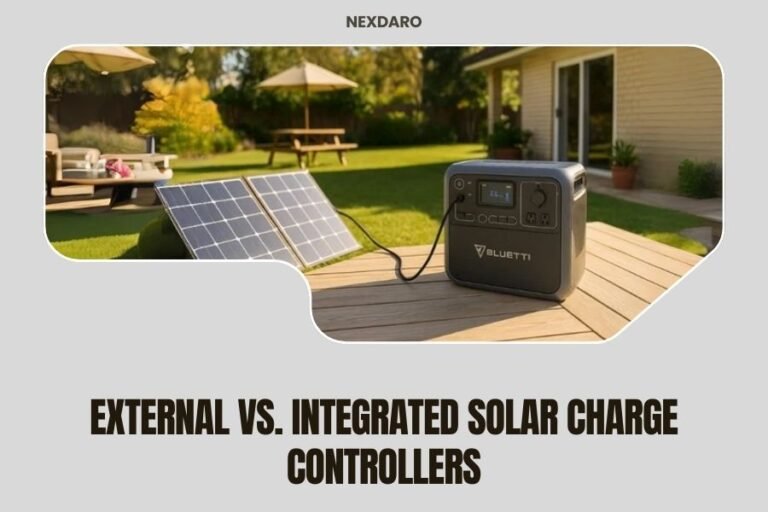
Many power stations accept solar panel input. A 100-200 watt solar panel can extend your runtime significantly during sunny days.
Solar charging won’t fully replace battery consumption but reduces the drain. This is especially helpful for all-day smoking sessions.
Car Charging While Cooking
Your vehicle’s 12V outlet can slowly charge your power station while you cook. This works best with efficient grills that don’t draw too much power.
Run your car for 20-30 minutes every few hours to top off the power station. This passive charging extends your cooking time considerably.
Safety Considerations
Using a power station with your pellet grill is generally safe, but a few precautions protect your equipment and ensure good performance.
Ventilation and Heat
Keep your power station away from your hot grill. Heat damages batteries and reduces performance. Place it at least 3-4 feet from the cooking area.
Make sure the power station has good airflow around it. Internal fans need to move air freely to prevent overheating during high power draws.
Weather Protection
Protect your power station from rain and moisture. Most units aren’t waterproof, and water damage voids warranties.
Use a covered area or weather shield during questionable conditions. A simple tarp or canopy works well for occasional protection.
Cost Analysis
Running your pellet grill on a power station costs more per cook than using household electricity, but offers flexibility that many find worthwhile.
Electricity Cost Comparison
Home electricity typically costs 10-15 cents per kWh. A 6-hour cook using 100 watts averages costs about 6-9 cents from your wall outlet.
Power station electricity effectively costs 20-40 cents per kWh when you factor in charging losses and battery replacement over time.
Value of Portability
The extra cost buys you freedom to grill anywhere. Camping trips, tailgating, and power outages don’t stop your outdoor cooking plans.
Many people find this flexibility worth the premium, especially if they use their power station for other applications beyond grilling.
Conclusion
A properly sized power station absolutely can run your pellet grill effectively. The key is matching your power station’s capacity and output to your specific grill’s needs. Most pellet grills work well with 1000Wh or larger power stations that provide pure sine wave output. While the cost per cook is higher than home electricity, the freedom to grill anywhere makes power stations a valuable investment for many outdoor cooking enthusiasts. Start by checking your grill’s power requirements, then choose a power station with 20-30% more capacity than you think you need for the best experience.
Can I use a car battery to power my pellet grill?
You can use a car battery with an inverter, but it’s not recommended for regular use. Car batteries aren’t designed for deep discharge cycles like power station batteries. You risk damaging your car battery and potentially your grill’s electronics with poor power quality from cheap inverters.
How long does it take to recharge a power station after grilling?
Recharge time depends on your power station size and charging method. Most 1000Wh units take 6-8 hours to fully charge from a wall outlet. Solar charging takes 8-12 hours with adequate sunlight. Fast-charging models can recharge in 3-4 hours but cost significantly more.
Will a power station work with my WiFi-enabled pellet grill?
Yes, power stations work fine with WiFi pellet grills. The WiFi controller draws very little extra power, usually 5-15 watts. Your phone app and remote monitoring features work normally as long as you have internet connectivity at your cooking location.
Can I run my pellet grill and other appliances at the same time?
This depends on your power station’s capacity and total power draw. A large power station might handle a pellet grill plus LED lights or a small cooler. Avoid running high-power devices like electric coolers or heaters simultaneously, as this dramatically reduces your cooking runtime.
What happens if my power station dies mid-cook?
Your pellet grill will shut down immediately when power cuts off. The fire will continue burning existing pellets for 10-20 minutes before going out. Food stays warm for a while, but you can’t restart without power. Always monitor your power station’s battery level and have backup charging options for long cooks.