Best Power Station Size for Tailgating & Parties
On this page (12 sections)
- Quick Power Station Size Guide for Tailgating
- Understanding Your Power Needs
- Small Power Stations (300-500Wh)
- Medium Power Stations (500-1000Wh)
- Large Power Stations (1000-2000Wh)
- Factors Beyond Size
- Sizing for Specific Events
- Budget Considerations
- Safety and Maintenance
- Multiple Unit Strategy
- Future-Proofing Your Purchase
- Conclusion
power stations for tailgating, you need a power station with 500-1000Wh capacity to run essential devices like coolers, speakers, and phone chargers for 6-8 hours.
The best power station size depends on your group size and power needs, but most tailgaters find 750Wh provides the sweet spot between runtime and portability.
Picking the right power station can make or break your tailgating experience. Too small and you’ll run out of juice when the party’s just getting started. Too big and you’ll struggle to carry it from your car to the perfect spot.
I researched dozens of tailgating setups and found that most people underestimate their power needs. You’re not just charging phones anymore. Today’s tailgaters want electric coolers, Bluetooth speakers, LED lights, and even small TVs.
Quick Power Station Size Guide for Tailgating
Here’s what I found works best for different tailgating styles:
- Small gatherings (2-4 people): 300-500Wh power station
- Medium parties (5-8 people): 500-1000Wh power station
- Large tailgates (9+ people): 1000-2000Wh power station
- All-day events: 1500Wh+ or multiple smaller units
Understanding Your Power Needs
Before you buy anything, you need to know what you’re powering. I came across this simple method that works great.
Grab a notepad and write down every device you plan to use. Next to each item, note how many watts it uses and how long you’ll run it.
Common Tailgating Device Power Draw
From what I read in user manuals and forums, here are typical power requirements:
| Device | Power Draw (Watts) | Typical Runtime |
|---|---|---|
| Portable Cooler | 40-60W | Continuous |
| Bluetooth Speaker | 10-30W | 4-6 hours |
| LED String Lights | 5-15W | 2-4 hours |
| Small TV (32″) | 50-100W | 3-4 hours |
| Phone Charging | 5-10W | As needed |
The 80% Rule
Many experts say you should never drain a lithium battery completely. I found that most manufacturers recommend using only 80% of your power station’s capacity.
So if you calculate you need 600Wh for your tailgate, buy at least a 750Wh unit. This gives you breathing room and helps your battery last longer.
Small Power Stations (300-500Wh)
These compact units work great for minimalist tailgaters. You can easily carry them with one hand and they’ll fit in most car trunks.
What You Can Power
A 500Wh power station will run:
- A small cooler for 8-12 hours
- Bluetooth speaker for 15-20 hours
- Charge 25-40 phones
- LED lights for 10-15 hours
Best For
backyard party power stations where you mainly need to keep drinks cold and phones charged. Perfect for couples or small friend groups who don’t need much power.
Weight and Portability
Most 500Wh units weigh 12-18 pounds. That’s like carrying a small cooler. Easy enough for most people to manage.
Medium Power Stations (500-1000Wh)
This is the sweet spot for most tailgaters. You get enough power for a full day without breaking your back carrying it.
Power Capacity Breakdown
A 750Wh power station gives you solid options. I researched typical usage and found you can run:
- Electric cooler plus Bluetooth speaker for 6-8 hours
- Small TV for 4 hours while charging devices
- Full LED light setup for an evening game
- Multiple device charging throughout the day
Real-World Runtime
Let’s say you’re powering a 50W cooler and 20W speaker. That’s 70W total. A 750Wh battery will run both for about 10 hours straight.
But you’re not running everything constantly. The cooler cycles on and off. You pause the music sometimes. In practice, you’ll get 12-15 hours of mixed use.
Group Size Considerations
For 5-8 people, this size handles everyone’s needs without stress. You won’t be rationing power or worrying about running out.
Large Power Stations (1000-2000Wh)
These are for serious tailgaters who want to power everything. Think big groups, long events, or people who like bringing lots of gadgets.
What Changes at This Size
With 1500Wh, you can power hungry devices without worry. Small microwaves, coffee makers, and larger TVs become possible.
I found online that many tailgaters use these for all-day events where they arrive early and stay late. You can run multiple coolers, full sound systems, and still have power left over.
The Trade-off
Power comes with weight. These units typically weigh 35-50 pounds. You’ll want wheels or plan to set up close to your parking spot.
Multiple Device Management
Large power stations usually have more outlets. You can plug in 6-10 devices at once without using extension cords or adapters.
Factors Beyond Size
Capacity matters, but other features can make or break your tailgating experience.
Output Options
Make sure your power station has the right outlets. You’ll want:
- At least 2 AC outlets for larger devices
- Multiple USB ports for phones and tablets
- 12V car outlets for coolers and other car accessories
Charging Speed
Some power stations take 8-12 hours to charge fully. Others can do it in 2-3 hours. If you’re tailgating multiple days, faster charging helps.
Solar Compatibility
Many power stations work with third-party solar panels. This extends your runtime for multi-day camping trips or long tailgates.
Temperature Performance
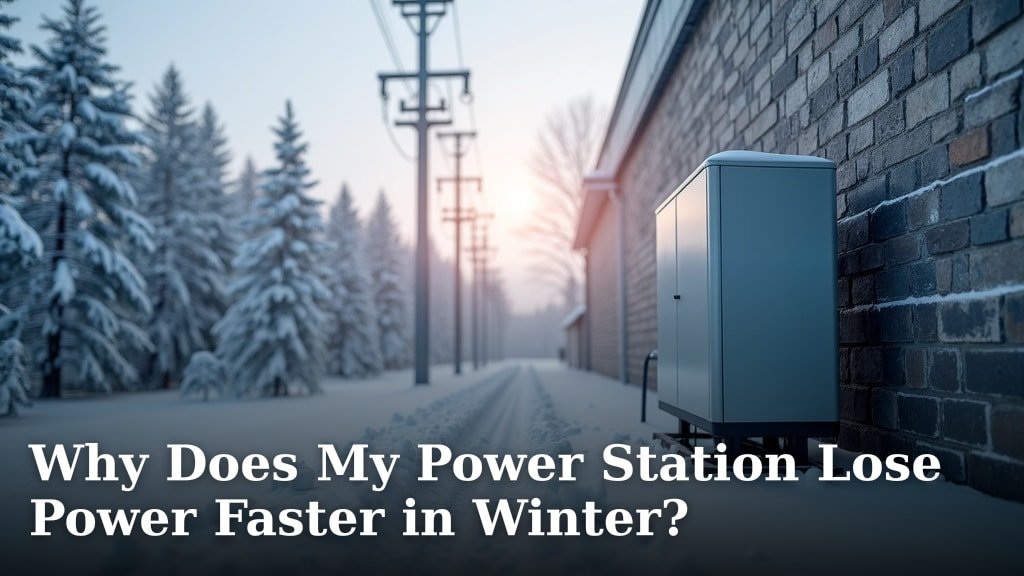
From what I read, lithium batteries don’t like extreme cold. If you tailgate in winter, look for power stations rated for low temperatures.
Sizing for Specific Events
Different events need different approaches. Here’s what I found works best.
Football Tailgating
Games last 3-4 hours, but you’re there much longer. Plan for 6-8 hours total. A 750Wh unit handles most football tailgates perfectly.
Music Festivals
All-day events need more power. You might be there 10-12 hours. Go with 1000Wh minimum, or bring backup batteries.
Beach Parties
Sand and salt air are tough on electronics. Smaller, lighter units work better because you can protect them easier.
Camping Tailgates
Multi-day events change everything. You need either a huge power station or a way to recharge. Solar panels become really useful here.
Budget Considerations
Power stations aren’t cheap. I researched pricing and found some clear patterns.
Cost per Watt-hour
Larger units usually offer better value per Wh. A 1000Wh power station might cost twice as much as a 500Wh unit, but you get more capacity per dollar.
Quality vs Price
Cheap power stations often have problems. Poor battery life, slow charging, or limited outlets. It’s better to buy a smaller unit from a good brand than a large one from an unknown company.
Long-term Value
A quality power station lasts 5-10 years. Spread that cost over dozens of tailgates and it becomes reasonable.
Safety and Maintenance
Power stations are generally safe, but you need to follow basic rules.
Heat Management
Don’t leave your power station in direct sunlight or hot cars. Extreme heat damages lithium batteries and can be dangerous.
Regular Use
Batteries last longer with regular use. Don’t let your power station sit unused for months. Charge it up and use it occasionally.
Storage Tips
Store your power station at 50-70% charge in a cool, dry place. This keeps the battery healthy during off-seasons.
Multiple Unit Strategy
Some tailgaters prefer two smaller units over one large one. There are good reasons for this approach.
Redundancy
If one unit fails, you still have power. This matters more for long trips or important events.
Weight Distribution
Two 500Wh units are easier to carry than one 1000Wh unit. You can split the load between people or trips.
Specialized Use
Keep one unit just for essentials like coolers. Use the other for entertainment and extras. This way your drinks stay cold even if you drain the fun battery.
Future-Proofing Your Purchase
Technology changes fast. Think about what you might want to power next year.
Growing Power Needs
Most people add more devices over time. That simple setup becomes more complex as you discover new possibilities.
Group Size Changes
Your tailgating group might grow. Kids get older and bring friends. Small gatherings become bigger parties.
New Device Compatibility
Make sure your power station has modern charging ports. USB-C is becoming standard for many devices.
Conclusion
Choosing the right power station size for tailgating comes down to honest assessment of your needs. Most people do well with 500-1000Wh capacity, which provides enough power for coolers, speakers, and device charging without breaking the bank or your back.
Remember the 80% rule when calculating your needs, and don’t forget about weight and portability. The best power station is one you’ll actually use, not the biggest one you can afford. Start with your essential devices, add up the power needs, and then size up slightly for comfort and battery longevity.
How long will a 500Wh power station run my tailgate setup?
A 500Wh power station will run a typical setup with a 50W cooler and 20W speaker for about 6-7 hours of continuous use, or 10-12 hours with normal cycling patterns where devices turn on and off naturally.
Can I use my power station while it’s charging?
Most modern power stations support pass-through charging, meaning you can use them while plugged in. This is great for extending runtime during long tailgates near parking areas with generator access.
What’s the difference between starting watts and running watts?
Starting watts refer to the initial power surge some devices need when turning on, while running watts are the continuous power draw. Motors in coolers and blenders often need 2-3 times their running watts to start up.
How do I know if my power station can handle winter tailgating?
Check the operating temperature range in the specifications. Most lithium power stations work down to 32°F, but performance drops in extreme cold. Keep the unit insulated and avoid leaving it in freezing cars overnight.
Is it worth buying solar panels for my tailgating power station?
Solar panels make sense for all-day events or multi-day trips where you can’t easily recharge. For typical 4-6 hour tailgates, the added cost and complexity usually isn’t worth it unless you use your power station for camping too.