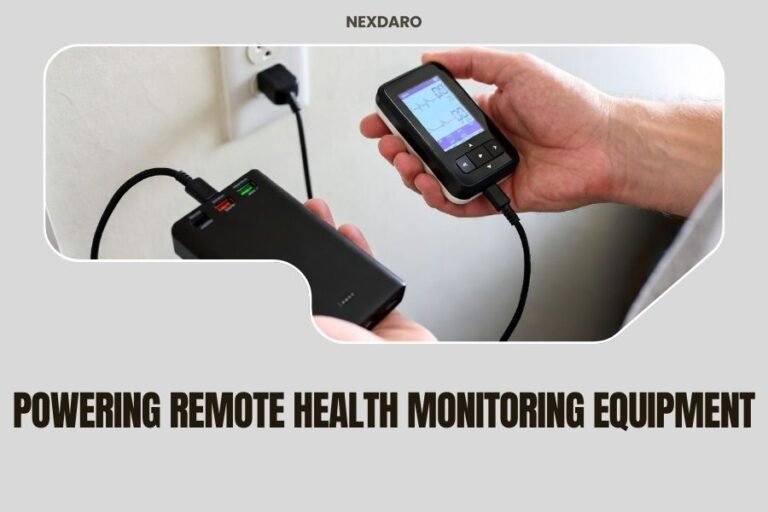

Power stations offer plug-and-play convenience but have limited capacity, while dual battery systems provide more power and better integration with your van’s electrical system.
Your choice between a power station vs dual battery system depends on your power needs, budget, and how much electrical work you’re comfortable doing.
Picture this: you’re planning your dream van life adventure, but you’re stuck on one big question. How do you keep your lights on, charge your devices, and run your fridge when you’re miles from the nearest electrical outlet?
You’ve got two main options, and each has its fans. Some van lifers swear by portable power stations. Others won’t shut up about dual battery systems. Which camp should you join?
I’ve spent months researching both options, talking to van life experts, and reading countless forums. Here’s what I found that might surprise you.
What Is a Power Station?
A power station is like a giant battery pack with outlets built in. You can plug it into your wall at home to charge it up. Then you unplug it and take it anywhere.
Think of it as the grown-up version of those little phone chargers you carry in your pocket. Except this one can power your laptop, lights, and small appliances for days.
Most power stations have multiple outlet types. You get regular AC outlets like your house has. You also get USB ports and 12V car-style outlets.
How Power Stations Work in Vans
Using a power station in your van is dead simple. You literally just plug stuff into it. No wiring. No electrical knowledge needed.
You can charge it while driving using your van’s 12V outlet. You can also charge it with solar panels if you add them later.
When the power runs low, you plug it into any wall outlet for a few hours. Easy as making coffee.
What Is a Dual Battery System?
A dual battery system adds a second battery to your van that’s separate from your starter battery. Your van’s alternator charges both batteries while you drive.
This setup requires real electrical work. You need an isolator or battery-to-battery charger. You need to run wires. You might need an inverter to convert 12V power to regular household 110V power.
But here’s the payoff: once it’s installed, it acts like your van has its own power company built in.
Types of Dual Battery Setups
You can go simple or complex with dual batteries. The basic setup just adds one deep-cycle battery with an isolator.
Advanced setups might include multiple batteries, solar charge controllers, inverters, and monitoring systems. Some people build systems that rival what you’d find in an RV.
Battery Isolators vs Battery-to-Battery Chargers
Battery isolators are the old-school choice. They’re cheap but not very smart. They just connect and disconnect your batteries.
Battery-to-battery chargers cost more but work better with modern vehicles. They can charge lithium batteries properly and won’t interfere with your van’s computer systems.
Power Station Pros and Cons
Let me be straight with you about power stations. They’re not perfect, but they solve some real problems.
The Good Stuff
Installation is zero. You literally just put it in your van and plug things in. No tools needed.
You can take it out of your van. Camping in a tent? Bring it along. Power outage at home? It’s got your back.
Many come with built-in solar charging capabilities. You just need to plug in solar panels.
Safety is built in. Good power stations have protection against overcharging, overheating, and short circuits.
The Not-So-Good
Capacity limits are real. Most power stations give you 1000-2000 watt hours. That’s enough for basics but not for power-hungry appliances.
They take up space inside your van. A good-sized power station is like having a small cooler that you can’t move around easily.
Cost per watt hour is higher than building your own battery system. You’re paying for convenience.
Charging while driving isn’t always efficient. Your van’s 12V outlet might not provide enough power to charge quickly.
Dual Battery System Pros and Cons
Dual battery systems are the choice of serious van lifers. But they come with their own headaches.
Why People Love Them
Power capacity can be huge. You can add as many batteries as your budget and space allow. Some people run washing machines off their dual battery setup.
Charging while driving is automatic and efficient. Your alternator keeps everything topped off as you go down the road.
Integration with your van is seamless. You can wire in lights, fans, and outlets exactly where you want them.
Cost per watt hour is lower once you get past the initial setup costs.
The Challenges
Installation requires electrical skills or hiring someone. You’re dealing with high-current wiring and safety issues.
Planning takes time. You need to figure out your power needs, choose components, and map out wiring routes.
Troubleshooting problems requires knowledge. When something goes wrong, you need to know how to diagnose electrical issues.
You can’t easily take the power source out of your van for other uses.
Power Capacity Comparison
Let’s talk numbers. How much power do you actually get with each option?
Typical Power Station Capacity
Entry-level power stations give you 500-1000 watt hours. That’s enough to charge phones, run LED lights, and power a laptop for a few days.
Mid-range units offer 1000-2000 watt hours. You can run a small fridge, charge camera batteries, and power multiple devices.
High-end power stations push 3000+ watt hours. But they’re expensive and heavy.
Dual Battery System Capacity
A single deep-cycle battery gives you 1000-2000 watt hours, similar to a mid-range power station.
But here’s where dual battery systems shine: you can easily add more batteries. Two batteries double your capacity. Three batteries triple it.
I found systems with 6000-10000 watt hours aren’t uncommon among full-time van lifers.
| Setup Type | Typical Capacity | Expansion Options | Cost Range |
|---|---|---|---|
| Small Power Station | 500-1000Wh | Limited | $300-800 |
| Large Power Station | 2000-3000Wh | Some models expandable | $1500-3000 |
| Basic Dual Battery | 1000-2000Wh | Easy to add batteries | $400-800 |
| Advanced Dual Battery | 4000-10000Wh | Almost unlimited | $1500-5000+ |
Installation Difficulty
This is where the two options couldn’t be more different.
Power Station Installation
Step one: put it in your van. Step two: plug things in. That’s it.
You might want to secure it so it doesn’t slide around while driving. Some people build simple boxes or platforms for their power stations.
Adding solar panels later is usually just a matter of buying panels and plugging them into the power station’s solar input port.
Dual Battery System Installation
Get ready for a project. You’re looking at a weekend of work if you know what you’re doing.
First, you choose a battery location. Under the hood, in the back, or sometimes under the van itself.
Then you run heavy gauge wire from your alternator to the auxiliary battery. This might mean drilling holes and running wire through tight spaces.
You install an isolator or battery-to-battery charger. You connect everything with proper fuses and breakers.
If you want AC power, you add an inverter. If you want monitoring, you install a battery monitor.
When to Hire a Professional
Many van lifers hire electricians for dual battery installs. It’s not cheap, but it’s safer if you’re not comfortable with electrical work.
Poor wiring can cause fires. Incorrect fusing can damage your van’s electrical system. Some mistakes are expensive to fix.
Cost Analysis
Money talks, right? Let’s break down what you’ll actually spend.
Power Station Costs
A decent power station costs $800-2000 for most van life needs. High-capacity units can hit $3000 or more.
You might need solar panels later. Budget $200-800 for a basic solar setup.
Replacement costs are high. When your power station dies in 5-8 years, you buy a whole new unit.
Dual Battery System Costs
Basic systems start around $400 for DIY installation. That gets you one battery, an isolator, and basic wiring.
Advanced systems can cost $2000-5000 or more. Lithium batteries, smart chargers, inverters, and monitoring systems add up fast.
Professional installation adds $500-1500 depending on complexity.
But individual components can be replaced. If your battery dies, you replace just the battery, not the whole system.
Charging Options
How you charge your system affects how useful it is.
Power Station Charging
Wall outlets are the fastest way to charge most power stations. You get full capacity in 2-8 hours.
Your van’s 12V outlet works but charges slowly. Plan on 8-24 hours for a full charge from your van.
Solar charging is popular but depends on panel size and sun conditions. Expect 4-8 hours of good sun for a full charge.
Dual Battery Charging
Your alternator charges the auxiliary battery while driving. An hour of driving might give you several hours of power.
Shore power charging is possible if you add a charger. Plug into campground power or your home outlet.
Solar integration is more complex but more flexible. You can add any size solar array your roof can handle.
Maintenance Requirements
Nobody wants to babysit their power system, but some maintenance is unavoidable.
Power Station Maintenance
Power stations are mostly maintenance-free. Keep them clean and don’t let them discharge completely too often.
Lithium batteries inside power stations typically last 2000-5000 charge cycles. That’s 5-10 years for most users.
When they die, you usually replace the whole unit.
Dual Battery Maintenance
Lead-acid batteries need more attention. Check water levels, clean terminals, and monitor charge levels.
Lithium batteries are easier but cost more upfront. They last longer and need less maintenance.
You might need to replace individual batteries every 5-10 years, but the rest of the system keeps working.
Real-World Performance
Let me share what I found from talking to actual van lifers.
Power Station Users Say
Most people love the simplicity. You never worry about wiring problems or electrical issues.
But many wish they had more capacity. Running a compressor fridge 24/7 drains even large power stations quickly.
Cold weather reduces capacity significantly. Lithium batteries don’t like freezing temperatures.
Dual Battery Users Say
The power availability is amazing once everything works. You can run almost anything you want.
Installation headaches are common. Most people underestimate the complexity and time needed.
But long-term satisfaction is high. People who stick with dual battery systems rarely go back to power stations.
Which Option Fits Your Needs?
The right choice depends on how you actually use your van.
Choose a Power Station If
You want something that works immediately with no installation.
Your power needs are modest. Charging devices, running lights, and powering small appliances.
You rent or lease your van and can’t modify the electrical system.
You want to use the same power source for camping outside your van.
You’re not comfortable with electrical work and don’t want to hire someone.
Choose a Dual Battery System If
You need serious power capacity for fridges, fans, and multiple devices.
You’re living in your van full-time or taking long trips.
You want the most efficient charging while driving.
You’re comfortable with electrical work or have the budget to hire a professional.
You want to integrate power outlets and devices throughout your van.
Hybrid Approaches
Some people combine both systems. They install a dual battery system for the van and keep a small power station for portable use.
Others start with a power station and upgrade to dual batteries later when they understand their power needs better.
There’s no rule that says you have to pick just one option.
Future-Proofing Your Decision
Technology keeps improving. Lithium batteries are getting cheaper. Power stations are getting more capacity.
But the basic trade-offs stay the same. Power stations prioritize simplicity. Dual battery systems prioritize capacity and integration.
Think about where you’ll be in 2-3 years. Will your power needs grow? Will you want more features?
Making the Final Decision
Start by calculating your actual power needs. List every device you want to run and how many hours per day you’ll use it.
Be honest about your skills and comfort level with electrical work. There’s no shame in choosing the simpler option.
Consider your timeline. Need power next weekend? Go with a power station. Planning a build over the next few months? Dual batteries might be worth the effort.
Conclusion
Both power stations and dual battery systems can keep your van powered up and ready for adventure. Power stations win on simplicity and immediate gratification. Dual battery systems win on capacity and long-term value.
Your choice comes down to your power needs, technical comfort level, and budget. There’s no wrong answer, just different priorities. Many successful van lifers use each type of system and love their choice.
The most important thing is to pick something and start your adventure. You can always upgrade later when you better understand your real-world power needs.
Can I add solar panels to either system?
Yes, both power stations and dual battery systems can work with solar panels. Power stations often have built-in solar inputs that make connection simple. Dual battery systems need a separate solar charge controller but can handle larger solar arrays.
How long do these systems typically last?
Power stations usually last 5-8 years before the internal battery degrades significantly. Dual battery systems can last 10-15 years or more, but you’ll need to replace individual batteries every 5-10 years depending on the type and usage.
Can I run an air conditioner with either system?
Standard roof air conditioners require too much power for most van electrical systems. However, some high-capacity dual battery systems with large inverters can run small 12V air conditioners or DC cooling units for short periods.
What happens if my power system fails while I’m on the road?
Power stations can often be replaced at electronics stores in larger cities. Dual battery system failures usually require troubleshooting individual components, which can be more complex but often cheaper to fix once you identify the problem.
Is it safe to charge lithium batteries in freezing temperatures?
No, charging lithium batteries below 32°F can damage them permanently. Many modern power stations and battery systems have built-in temperature protection that prevents charging in freezing conditions. Plan alternative heating or wait for warmer temperatures.