Power stations are better for quiet operation and indoor use, while gas generators offer more power and longer runtime for outdoor applications.
Your choice between a power station vs gas generator depends on your specific needs for noise tolerance, portability, and power requirements.
Quick Comparison: Power Station vs Gas Generator
Let me cut straight to what matters most. Power stations run silently using batteries, making them perfect for camping trips and indoor emergencies. Gas generators create noise but deliver more power for longer periods.
Think of power stations like your smartphone battery – clean, quiet, but limited capacity. Gas generators work more like your car engine – powerful and long-lasting but loud and smoky.
| Feature | Power Station | Gas Generator |
|---|---|---|
| Noise Level | Silent operation | 50-100+ decibels |
| Runtime | 2-24 hours typical | 8-20+ hours per tank |
| Indoor Use | Safe indoors | Outdoor only |
| Maintenance | Minimal | Regular oil changes |
What Is a Portable Power Station?
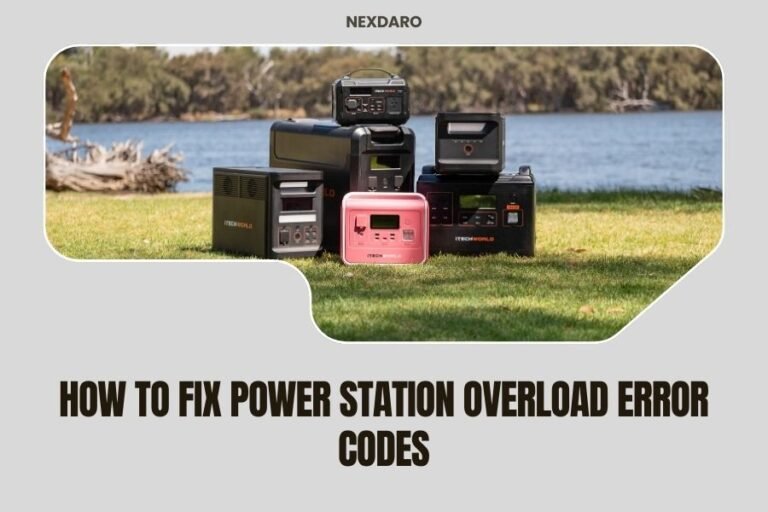
A portable power station is basically a giant battery pack with outlets. You charge it from the wall, solar panels, or your car. Then you can power devices anywhere without noise or fumes.
How Power Stations Work
These units store energy in lithium batteries, just like your laptop. An inverter converts the stored DC power into AC power for your regular appliances. Most models include USB ports, AC outlets, and 12V car ports.
Power Station Capacity Range
Small units start around 150 watt-hours and can charge phones or run LED lights. Large models reach 6,000+ watt-hours and can power refrigerators for days. The bigger the capacity, the heavier and more expensive they get.
What Is a Gas Generator?
A gas generator burns gasoline to spin an engine that creates electricity. It’s the same basic idea as the power grid, just smaller and portable.
Gas Generator Types
You’ll find three main types. Conventional generators are cheapest but loudest. Inverter generators cost more but run quieter with cleaner power. Standby generators are permanent installations for whole-house backup.
Power Output Ranges
Small portable units start around 1,000 watts. Mid-size models hit 3,000-5,000 watts. Large portable generators can reach 10,000+ watts. That’s enough to run most of your house during an outage.
Noise Comparison: Silent vs Loud
This difference is huge. Power stations make zero noise during operation. You can use them inside your tent, RV, or bedroom without disturbing anyone.
Gas generators sound like lawn mowers running constantly. Even “quiet” inverter models produce 50-60 decibels at 23 feet. That’s like having a conversation in your backyard. Cheaper models can hit 100+ decibels.
When Noise Matters Most
Camping trips where you want peace and quiet? Power station wins. Neighborhood power outages where noise ordinances apply? Same answer. But if you’re running a construction site or remote cabin, the noise might not bother you.
Runtime and Refueling Differences
Gas generators win the endurance contest. A 5-gallon tank can run a 2,000-watt generator for 10-15 hours. Need more time? Just pour in more gas and keep going.
Power stations have fixed battery capacity. Once drained, you need several hours to recharge from the wall. Solar charging takes even longer unless you have a large panel array.
Real-World Runtime Examples
A 1,000Wh power station might run a small refrigerator for 10-15 hours. The same fridge on a gas generator? It could run for days with occasional refueling.
Solar Recharging Changes the Game
Adding solar panels gives power stations unlimited runtime in sunny conditions. You can recharge during the day and use power at night. This makes them perfect for extended off-grid stays.
Power Output and Device Compatibility
Gas generators typically offer more raw power. A $500 gas generator might produce 3,000 watts continuously. A power station with similar output costs $2,000 or more.
But power stations often provide cleaner electricity. Their inverters create stable sine waves that sensitive electronics prefer. Gas generators can have voltage fluctuations that damage delicate devices.
Starting High-Power Devices
Many appliances need extra power to start up. Your refrigerator might run on 150 watts but need 600 watts to start the compressor. Gas generators typically handle these surge demands better than power stations.
Cost Analysis: Purchase and Operation
Gas generators cost less upfront. You can buy a decent 2,000-watt unit for $400-600. Similar power from a battery station costs $1,500-2,500.
Operating costs flip the equation. Gas generators need fuel, oil changes, and regular maintenance. Power stations just need electricity to recharge, which costs pennies.
Long-Term Value Calculation
I found that gas generators become expensive over time. Fuel costs add up fast during extended outages. Power stations have higher upfront costs but lower lifetime expenses if used regularly.
Replacement Battery Costs
Power station batteries eventually wear out after 2,000-3,000 charge cycles. Replacement batteries can cost 40-60% of the original unit price. Factor this into your long-term budget.
Environmental and Health Impact
Power stations produce zero direct emissions. They’re only as clean as your local power grid or solar setup. Gas generators burn fossil fuels and create carbon monoxide, carbon dioxide, and other pollutants.
Carbon monoxide poisoning kills dozens of people yearly from improper generator use. Power stations eliminate this risk entirely since they produce no exhaust.
Outdoor Air Quality
Running a gas generator affects air quality around your campsite or home. The exhaust smell travels surprisingly far. Power stations don’t change the air around you at all.
Maintenance Requirements
Power stations need almost no maintenance. Keep them charged, store them in moderate temperatures, and they’re ready to go. Maybe wipe down the exterior once in a while.
Gas generators require regular upkeep like small engines. Change oil every 50-100 hours. Replace air filters, spark plugs, and fuel filters annually. Store them with fuel stabilizer or empty tanks.
Seasonal Storage Considerations
Power stations store easily in basements, closets, or garages. Gas generators need ventilation and proper fuel storage. Many people struggle with seasonal maintenance and storage requirements.
Best Use Cases for Power Stations
Choose power stations when silence matters most. They excel for camping, RV travel, indoor backup power, and powering sensitive electronics. Medical devices like CPAP machines work great with clean battery power.
Tailgating events, outdoor photography, and food truck operations benefit from quiet power. You can also use them indoors during storms without ventilation concerns.
Emergency Preparedness Applications
Power stations work immediately – no startup time, no fuel mixing, no outdoor setup required. Keep one charged in your closet for instant backup power when the lights go out.
Best Use Cases for Gas Generators
Gas generators shine when you need lots of power for extended periods. Construction sites, RV parks with 30/50-amp service, and whole-house backup scenarios favor gas power.
Remote cabins, farm operations, and disaster recovery situations often require more power than batteries can practically provide. Gas generators handle heavy-duty appliances like well pumps, electric heaters, and large air conditioners.
Commercial and Professional Uses
Contractors rely on gas generators to run power tools all day. Food trucks, mobile businesses, and outdoor events need reliable high-power sources that gas generators provide cost-effectively.
Making Your Decision
Start by listing your power needs and usage patterns. How much power do you need? How long must it last? Where will you use it?
If you need under 2,000 watts for less than 12 hours, and noise matters, get a power station. If you need more power, longer runtime, and don’t mind noise, choose a gas generator.
Budget also drives decisions. Gas generators offer more power per dollar initially. Power stations cost less to operate long-term but require higher upfront investment.
Conclusion
Both power stations and gas generators serve important roles in portable power. Power stations excel at quiet, clean operation for moderate power needs. Gas generators provide more power and longer runtime at lower upfront costs.
Your best choice depends on specific needs rather than one being universally better. Consider noise tolerance, power requirements, runtime needs, and budget constraints. Many people eventually buy both – a power station for quiet applications and a gas generator for heavy-duty backup power.
The technology keeps improving on both sides. Battery capacities grow while prices drop. Gas generators become more efficient and quieter. Either choice will serve you well when matched to appropriate applications.
Can you use a power station indoors safely?
Yes, power stations are completely safe for indoor use. They produce no exhaust, carbon monoxide, or other harmful emissions since they run on batteries rather than combustion engines.
How long do power station batteries typically last?
Most lithium batteries in power stations last 2,000-3,000 charge cycles, which equals roughly 5-10 years depending on usage frequency. Battery degradation is gradual, losing about 20% capacity over this timeframe.
What size gas generator do I need to run my refrigerator?
A standard refrigerator needs 1,500-2,000 watts starting power and 100-200 watts running power. A 2,000-watt generator handles most home refrigerators comfortably with room for other small devices.
Can you charge a power station while using it?
Most modern power stations support pass-through charging, meaning you can use them while plugged into wall power or solar panels. This feature varies by model, so check specifications before purchasing.
Are inverter generators much quieter than regular generators?
Yes, inverter generators typically run 10-15 decibels quieter than conventional generators. A standard generator might produce 65-75 decibels while an inverter model produces 50-60 decibels at the same distance.