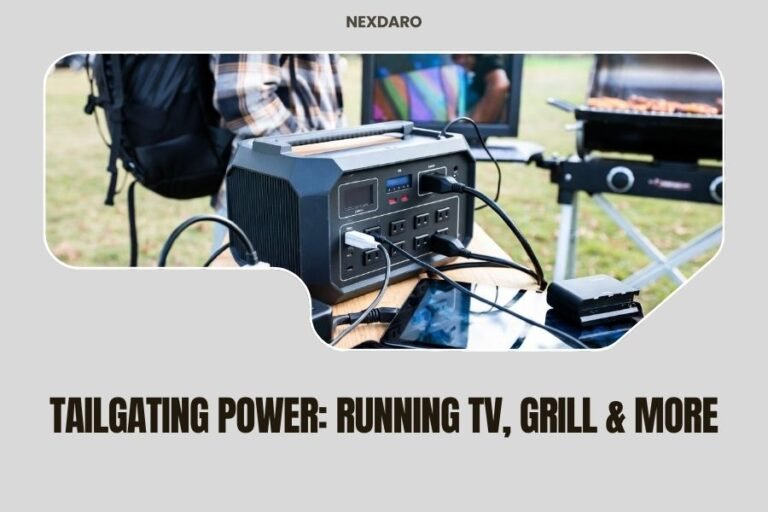
Power stations do not attract bears more than any other electronic device, but the food and scented items you store near them can draw bears to your campsite.
The electromagnetic fields and sounds from portable power stations are not known to attract or repel bears, making proper food storage your main safety priority.
What Actually Attracts Bears to Campsites
Bears have incredible noses. They can smell food from miles away. Your power station isn’t the problem – it’s what you keep around it.
I researched wildlife behavior and found that bears are drawn to campsites by scents, not electronics. Food scraps, toiletries, and garbage create the real danger.
The Top Bear Attractants
Here’s what actually brings bears to your camp:
- Leftover food and crumbs
- Scented soaps and toothpaste
- Garbage bags
- Pet food
- Cooking grease
- Deodorant and perfume
Why Power Stations Are Different
Your portable power station runs quietly. Most models make less noise than a refrigerator. Bears don’t associate these sounds with food sources.
The plastic and metal construction doesn’t hold food scents like fabric or wood. This makes your power station fairly neutral to bear senses.
Do Bears React to Electronic Devices
Wildlife experts say bears generally ignore electronic equipment. I found studies showing bears walk past cameras, weather stations, and research equipment without interest.
Bears are smart animals. They learn to connect certain sights, sounds, and smells with food rewards. Your power station doesn’t fit this pattern.
Electromagnetic Fields and Bears
Some people worry about electromagnetic interference affecting wildlife. Research from the National Park Service shows no evidence that portable electronics disturb bear behavior.
Bears navigate using sight, smell, and hearing. The weak electromagnetic field from your power station doesn’t interfere with these natural abilities.
Noise Levels Matter
Most quality power stations operate at 40-50 decibels. That’s quieter than normal conversation. Bears hear sounds in this range constantly from wind, water, and other natural sources.
Loud generators are different. They can startle wildlife and change animal behavior patterns. Your quiet power station won’t have the same effect.
Smart Power Station Placement for Bear Safety
Where you put your power station matters for your safety, not because it attracts bears, but because of what you might store nearby.
Keep It Away from Food Areas
Set up your power station at least 100 yards from your cooking and eating area. This follows standard bear safety guidelines for all camping equipment.
Never charge devices while eating. Food smells can transfer to electronics, creating unnecessary risks.
Choose Open Locations
Place your power station in clear, visible areas. This gives you good sight lines and makes it harder for bears to approach unnoticed.
Avoid dense brush or areas with natural bear travel routes like streams or berry patches.
Distance Guidelines
Follow the triangle method that backcountry experts recommend:
- Sleep area: Point A
- Cooking area: Point B (100+ yards from A)
- Power station/gear storage: Point C (100+ yards from both A and B)
What to Store Near Your Power Station
Be careful about what you charge and store around your power station. Some items can create bear attractants.
Safe Items to Charge
These devices are fine to keep near your power station:
- Phones and tablets
- Cameras
- GPS devices
- Weather radios
- Flashlights and headlamps
Items to Keep Separate
Don’t charge these near your power station in bear country:
- Coolers (even electric ones)
- Devices that touched food
- Anything with food residue
- Scented personal items
The Reality About Electric Coolers
Electric coolers connected to power stations need special attention. The cooler itself might attract bears because of food smells, not the power source.
Keep electric coolers in designated food storage areas. Don’t assume the power connection makes them safer.
Bear Behavior Around Technology
I found research from Yellowstone and Glacier National Parks showing how bears interact with human technology. The results might surprise you.
Bears Are Curious but Cautious
Bears investigate new objects in their territory. They might sniff or touch your power station out of curiosity, not attraction.
This exploration behavior is normal. Bears do the same thing with rocks, logs, and other unfamiliar items.
Learning and Memory
Bears remember negative experiences with human equipment. A bear that gets no food reward from investigating electronics will likely ignore similar items in the future.
This learning ability works in your favor. Clean campsites with properly stored food teach bears that human equipment isn’t worth investigating.
Problem Bears vs Normal Bears
Problem bears that have learned to associate humans with food behave differently. These bears might investigate any human equipment, including power stations.
The solution isn’t avoiding power stations. It’s following food storage rules that prevent creating problem bears in the first place.
Real Safety Tips for Power Station Users
Focus on proven bear safety methods rather than worrying about your power station specifically.
Food Storage Rules
Use bear canisters or hang food properly. I learned from park rangers that 90% of bear encounters happen because of improper food storage, not equipment choices.
Store all scented items with your food. This includes soap, deodorant, and even mint toothpaste.
Campsite Setup
Keep your power station area clean and organized. Bears are less likely to investigate tidy areas that don’t show signs of food activity.
Pack up charging cables and devices when not in use. Scattered equipment can look like a food source to hungry bears.
Weather Considerations
Protect your power station from rain and snow, but don’t hide it completely. Visible placement helps you monitor the area and spot approaching wildlife.
Use weather covers designed for electronics. Avoid plastic bags that might blow around and create visual attractants.
Common Myths About Bears and Electronics
Let me clear up some misconceptions I found while researching this topic.
Myth: Bears Avoid All Human Technology
This isn’t true. Bears live alongside human development and adapt to technology. They’re not naturally afraid of electronic devices.
Bears make decisions based on food opportunities, not technology avoidance.
Myth: Electronics Provide Bear Protection
Some people think running electronics creates a “human presence” that deters bears. This is dangerous thinking.
Bears in popular camping areas are used to human sounds and equipment. Don’t rely on your power station for protection.
The Truth About Bear Deterrents
Effective bear deterrents include bear spray, proper food storage, and noise makers designed specifically for wildlife. Your power station doesn’t fall into any of these categories.
Regional Differences in Bear Behavior
Bear behavior varies by location and season. Understanding local patterns helps you make better decisions about power station use.
High-Traffic vs Remote Areas
Bears in popular campgrounds see human equipment regularly. They’re less likely to investigate your power station out of curiosity.
In remote wilderness areas, bears might be more curious about unfamiliar objects. This doesn’t mean attraction – just natural investigation behavior.
Seasonal Considerations
Bears are most food-motivated in late summer and fall before hibernation. During these times, they investigate more potential food sources.
Your power station safety practices should be strictest during peak bear activity seasons.
Spring Behavior Patterns
Bears emerging from hibernation are extremely hungry and more likely to take risks for food. This makes proper food storage even more important in spring camping.
| Season | Bear Activity Level | Power Station Precautions |
|---|---|---|
| Spring | High (hungry after hibernation) | Extra distance from food areas |
| Summer | Moderate (natural food available) | Standard safety practices |
| Fall | Very High (pre-hibernation feeding) | Maximum caution with all equipment |
| Winter | Low (hibernation in most areas) | Standard practices |
Emergency Situations and Power Stations
What should you do if a bear approaches your power station? Here’s practical advice from wildlife experts.
Don’t Rush to Save Equipment
Your safety matters more than your power station. If a bear is investigating your equipment, give it space and time to leave naturally.
Most bears will sniff or touch unfamiliar objects briefly then move on when they find no food reward.
When to Retrieve Your Power Station
Wait until the bear is completely out of sight before approaching your equipment. Bears can return quickly if they hear you moving around.
Inspect your power station for damage, but don’t worry about brief bear contact. These devices are built to handle outdoor conditions.
Documentation for Insurance
If a bear damages your power station, take photos and document the incident. Some insurance policies cover wildlife damage to camping equipment.
Contact park rangers to report the encounter. This information helps wildlife managers track bear behavior patterns.
Conclusion
Your power station won’t attract bears to your campsite. The real attractants are food, scents, and poor storage practices. Focus your energy on proven bear safety methods like proper food storage and clean campsites.
Use your power station confidently, but place it away from cooking areas and keep the surrounding area clean. Remember that bears are smart, adaptable animals that make decisions based on food opportunities, not electronic equipment.
The key to safe camping in bear country is understanding what actually motivates bear behavior. Your portable power station can be part of a safe camping setup when you follow basic wildlife safety principles.
Can bears smell electrical components in power stations?
Bears have excellent smell, but electrical components don’t produce scents that attract them. The plastic and metal materials in power stations are odor-neutral to bears, unlike food containers or scented personal items.
Should I bring my power station inside my tent at night?
Keep power stations outside your sleeping area following the same rules as other camping equipment. Bringing electronics into tents doesn’t improve bear safety and can create fire hazards from overheating devices.
Do solar panels on power stations attract bears?
Solar panels are just glass and metal to bears – they don’t understand or show interest in solar technology. Position solar setups in open areas for efficiency and visibility, not because of bear concerns.
Will a running power station scare bears away?
Power stations operate too quietly to deter bears, and you shouldn’t rely on them for protection. Use proper bear deterrents like bear spray, noise makers designed for wildlife, and correct food storage instead.
Can I use electric fencing powered by my power station for bear protection?
Electric fencing can be effective bear protection when properly installed and powered. Make sure your power station has enough capacity to run the fence system all night, and follow manufacturer guidelines for wildlife deterrent fencing.