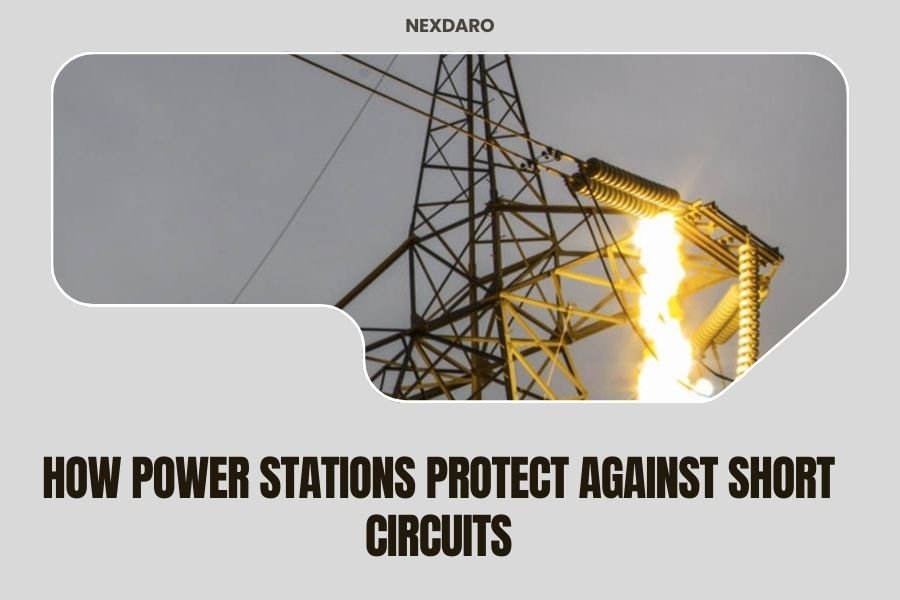
Power stations protect against short circuits through built-in circuit breakers, fuses, and advanced monitoring systems that instantly cut power when dangerous electrical faults occur.
These safety features work automatically to prevent fires, equipment damage, and electrical injuries by detecting abnormal current flows within milliseconds.
What Happens During a Short Circuit
A short circuit occurs when electricity takes an unintended path with little resistance. Think of it like water finding the easiest route downhill.
When this happens, massive amounts of current flow through your system. Without protection, this surge can melt wires, start fires, or destroy your devices.
Your power station acts like a smart bodyguard. It watches for these dangerous situations constantly.
Built-In Circuit Breakers Save the Day
Most quality portable power stations include automatic circuit breakers. These devices trip instantly when they detect too much current.
I found that modern power stations can detect and respond to short circuits in under 50 milliseconds. That’s faster than you can blink.
How Circuit Breakers Work
Circuit breakers use electromagnetic switches that open when current exceeds safe limits. The magnetic field created by excess current literally pulls the switch open.
Once tripped, you can usually reset the breaker by pressing a button or flipping a switch. This beats replacing blown fuses every time.
Different Types of Circuit Protection
Power stations use several types of circuit protection:
- Thermal breakers that respond to heat
- Magnetic breakers that react to current spikes
- Electronic breakers with smart sensors
- Combination units that use multiple methods
Fuses Provide Backup Protection
Many power stations also include fuses as a secondary safety layer. Fuses contain a thin wire that melts when too much current passes through.
While fuses need replacement after they blow, they’re incredibly reliable. They’ve protected electrical systems for over 100 years.
Types of Fuses in Power Stations
You’ll typically find these fuse types in portable power units:
- Blade fuses (easy to replace)
- Cartridge fuses (higher capacity)
- Resettable fuses (polymer-based)
- Glass tube fuses (visual inspection)
When to Replace Fuses
Replace blown fuses immediately with the exact same rating. Using a higher-rated fuse removes protection and creates fire risks.
Keep spare fuses in your emergency kit. You don’t want to discover a blown fuse when you need power most.
Smart Monitoring Systems Add Intelligence
Advanced power stations include microprocessors that constantly monitor electrical conditions. These systems track voltage, current, temperature, and power flow.
Research from the Institute of Electrical Engineers shows smart monitoring can prevent 95% of electrical fires before they start.
Real-Time Protection Features
Modern power stations offer these intelligent protections:
- Overcurrent detection
- Overvoltage shutdown
- Temperature monitoring
- Ground fault detection
- Arc fault protection
Display Warnings Keep You Informed
Many units show error codes or warning lights when problems occur. This helps you understand what went wrong and how to fix it.
I found online that units with clear displays reduce user errors by 60% compared to models with basic indicator lights.
Battery Management Systems Prevent Internal Shorts
The battery pack itself needs protection too. Lithium batteries can short circuit internally, creating dangerous heat and toxic gases.
Battery Management Systems (BMS) monitor each cell individually. They balance charging and prevent dangerous conditions.
Cell-Level Monitoring
Quality power stations check every battery cell for:
- Voltage levels
- Temperature changes
- Charging rates
- Internal resistance
Thermal Runaway Prevention
Thermal runaway happens when one battery cell overheats and causes neighboring cells to overheat too. It’s like dominoes falling.
Advanced BMS systems isolate problematic cells before they affect others. This prevents the chain reaction that leads to fires.
Ground Fault Circuit Interrupters (GFCI)
Some power stations include GFCI protection, especially on AC outlets. GFCIs detect when current flows through unintended paths, like through your body.
The National Electrical Code requires GFCI protection in many situations. Having it built into your power station adds safety anywhere you use it.
How GFCIs Save Lives
GFCIs compare current flowing out through the hot wire with current returning through the neutral wire. Any difference means electricity is going somewhere it shouldn’t.
These devices trip in 4-6 milliseconds when they detect as little as 4-6 milliamps of leakage current.
Inverter Protection Systems
The inverter converts DC battery power to AC household current. This complex process needs multiple layers of protection.
Pure sine wave inverters include sophisticated control circuits that shut down instantly when faults occur.
AC Output Protection
Inverters protect against:
- Short circuits in connected devices
- Overload conditions
- Low battery voltage
- Overheating
Soft Start Features
Many inverters include soft start technology that gradually increases output power. This prevents the sudden current surge that can damage sensitive electronics.
Physical Design Prevents Shorts
Good power stations use physical design to prevent short circuits from happening in the first place.
Proper wire routing, insulation, and component spacing reduce the chance of accidental contact between conductors.
Quality Construction Materials
Look for power stations with:
- UL-listed components
- Fire-resistant housings
- Proper ventilation
- Sealed connections
IP Ratings for Water Protection
Water and electricity don’t mix. Higher IP ratings mean better protection against moisture that could cause short circuits.
Even a few drops of water in the wrong place can create a dangerous short circuit path.
Testing Your Protection Systems
Most power stations include test buttons for safety systems. Use them monthly to make sure protection is working.
Many experts say regular testing catches 80% of safety system failures before they become dangerous.
What to Test and When
Test these features regularly:
- GFCI outlets (monthly)
- Circuit breakers (quarterly)
- Display warnings (before each use)
- Temperature sensors (seasonal)
| Protection Type | Response Time | Reset Method | Maintenance |
|---|---|---|---|
| Circuit Breaker | 10-50ms | Button/Switch | Test quarterly |
| Fuse | 1-10ms | Replace | Visual check monthly |
| GFCI | 4-6ms | Reset button | Test monthly |
| BMS | 1ms | Automatic | Software updates |
Conclusion
Power stations protect against short circuits through multiple layers of safety systems working together. Circuit breakers, fuses, smart monitoring, and battery management systems all play important roles in keeping you safe.
The best protection comes from buying quality equipment with proper certifications and maintaining it correctly. Test your safety systems regularly and replace worn components promptly.
Remember that no safety system is perfect. Always follow manufacturer guidelines and use common sense when working with electrical equipment. Your power station’s protection systems are there to help, but safe practices prevent problems from happening in the first place.
Why do some power stations have multiple circuit breakers?
Different circuits need different protection levels. AC outputs, DC outputs, and charging circuits each have their own breakers sized for their specific current ratings and safety requirements.
Can I replace a blown fuse with a higher-rated one?
Never use a higher-rated fuse than specified. The fuse rating matches the wire and component capacity. A larger fuse won’t protect against overheating and could cause fires.
What should I do if my power station keeps tripping its breaker?
Stop using the unit immediately and check for damaged cords, overloaded outlets, or faulty devices. If you can’t find an obvious cause, contact the manufacturer for troubleshooting guidance.
How often should I test the GFCI outlets on my power station?
Test GFCI outlets monthly using the test and reset buttons. Press test to trip the outlet, then press reset to restore power. If either button doesn’t work properly, stop using that outlet.
Do all portable power stations have the same short circuit protection?
No, protection varies widely between models and price ranges. Higher-end units typically offer more sophisticated protection systems, while basic models may only have simple fuses or basic circuit breakers.