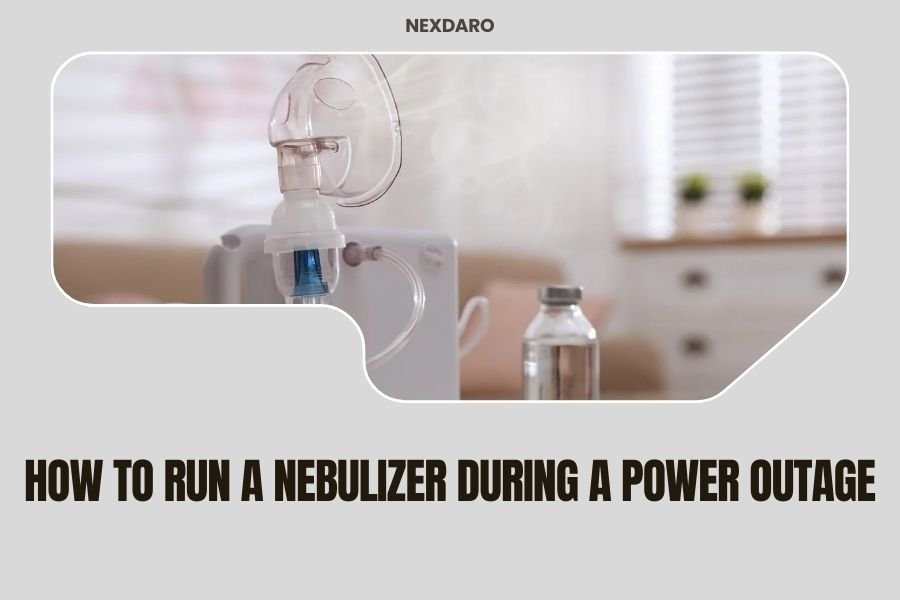
You can run a nebulizer during a power outage using a portable power station, car adapter, or battery-powered nebulizer designed for emergencies.
The key is having backup power ready before an outage hits, since nebulizer treatments can’t wait when you need them most.
Power outages happen when you least expect them. If you or someone in your family relies on a nebulizer for breathing treatments, losing electricity feels scary. But you don’t have to panic.
I researched the safest and most reliable ways to keep your nebulizer running when the lights go out. Let me walk you through your options so you can breathe easy, even during storms.
Best Power Sources for Your Nebulizer During Outages
Your nebulizer needs steady power to work properly. Most home nebulizers use between 50-150 watts of electricity. That’s not a lot, but it needs to be consistent.
Here are your main backup power options, ranked by reliability:
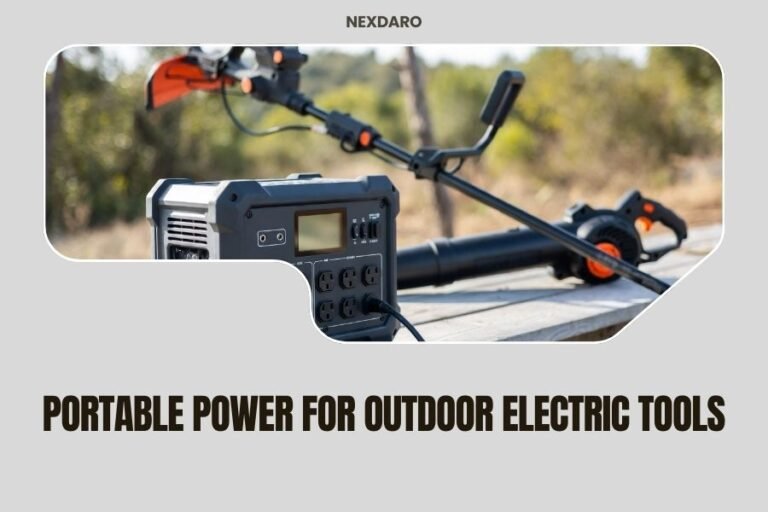
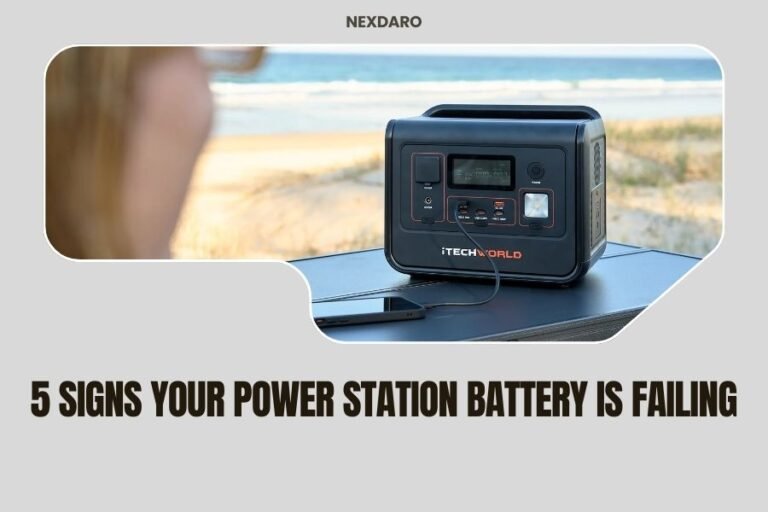
Portable Power Stations
These battery packs can run your nebulizer for hours. I found that most portable power stations handle nebulizers easily since they don’t draw much power.
Look for a power station with at least 300 watt-hours of capacity. This gives you enough juice for multiple treatments. Many models also recharge while you use them, which helps during long outages.
What Size Power Station Do You Need?
A 50-watt nebulizer running for 15 minutes uses about 12.5 watt-hours of power. So a 500 watt-hour power station could theoretically run 40 treatments.
But real-world usage varies. Plan for about 20-25 treatments to be safe.
Car Power Adapters
Many nebulizers work with 12V car adapters. You plug into your car’s cigarette lighter socket and run the nebulizer right from your vehicle.
This works great for short treatments. Just make sure your car battery stays charged if you need multiple sessions.
Safety Tips for Car-Powered Nebulizers
Run your car engine every 30 minutes to keep the battery charged. Don’t drain your car battery completely, or you might get stranded.
Park in a well-ventilated area. Never run treatments inside a closed garage with the car running.
Battery-Powered Nebulizers
These portable units have built-in rechargeable batteries. They’re designed specifically for situations like power outages.
The downside? They’re usually more expensive than plug-in models. But they give you complete freedom from power outlets.
Setting Up Your Emergency Nebulizer System
Don’t wait for an outage to figure this out. Preparation makes all the difference when you can’t breathe properly.
Test Everything Before You Need It
Try your backup power setup during normal times. Make sure all connections work. Time how long your power source lasts.
I came across many stories of people discovering dead batteries or missing adapters during emergencies. That’s not when you want surprises.
Create a Power Outage Kit
Keep these items together in one place:
- Backup power source (power station or car adapter)
- Extension cord if needed
- Extra nebulizer medication
- Backup nebulizer cups and tubing
- Flashlight for setup in the dark
Know Your Nebulizer’s Power Requirements
Check the label on your nebulizer. Look for voltage and wattage information. Most home nebulizers use 110-120 volts and 50-150 watts.
Write this information down and keep it with your emergency kit. You’ll need it when shopping for backup power options.
Alternative Solutions When Standard Power Isn’t Available
Sometimes you need creative solutions. Here are backup plans for your backup plans.
Manual Inhalers as Temporary Relief
Talk to your doctor about rescue inhalers. They don’t replace nebulizer treatments, but they can provide temporary relief during power outages.
Many doctors recommend keeping both options available. Inhalers work without any power source at all.
Mesh Nebulizers Use Less Power
These newer nebulizers use ultrasonic technology. They typically need less power than traditional compressor nebulizers.
From what I read, mesh nebulizers can run longer on battery power. They’re worth considering if you live in an area with frequent outages.
Generator Options
Small generators can power your nebulizer easily. But they need proper ventilation and regular maintenance.
Never run a generator inside your home or garage. Carbon monoxide poisoning is deadly. Set up generators at least 20 feet from windows and doors.
Calculating How Long Your Backup Power Will Last
Math helps you plan better treatments and avoid running out of power mid-session.
| Nebulizer Wattage | Treatment Time | Power Used Per Treatment | Treatments from 500Wh Battery |
|---|---|---|---|
| 50 watts | 15 minutes | 12.5 watt-hours | 40 treatments |
| 100 watts | 15 minutes | 25 watt-hours | 20 treatments |
| 150 watts | 15 minutes | 37.5 watt-hours | 13 treatments |
Real-World Power Usage
Your actual results will be lower than the math suggests. Batteries lose efficiency over time. Power inverters waste some energy converting DC to AC power.
Plan for about 70-80% of the calculated runtime. This gives you a safety margin.
Extending Battery Life
Use the lowest effective power setting on your nebulizer. Some models have eco modes that reduce power consumption.
Turn off the nebulizer completely between treatments. Don’t leave it in standby mode if you can avoid it.
Safety Considerations During Power Outages
Emergency situations can be stressful. Following safety rules protects you and your family.
Medication Storage Without Refrigeration
Some nebulizer medications need refrigeration. During long outages, this becomes a problem.
The CDC suggests that most refrigerated medications stay safe at room temperature for short periods. But check with your pharmacist about your specific medications.
Keep Extra Medication on Hand
Ask your doctor for emergency supplies. Having extra medication reduces stress during outages.
Room-temperature stable medications work better during emergencies. Discuss options with your healthcare provider.
Clean Equipment Without Running Water
Power outages sometimes mean no water pressure. Keep bottled water for cleaning nebulizer parts.
You can use bottled water to rinse equipment. Air dry everything on clean towels.
Preparing for Different Types of Outages
Short outages need different planning than multi-day disasters. Your backup power strategy should match the likely scenarios in your area.
Short Outages (1-8 Hours)
A small portable power station or car adapter handles these easily. Most battery-powered nebulizers also work well for short outages.
Focus on keeping your current medication routine as normal as possible.
Long Outages (1-7 Days)
You need more power capacity and medication storage solutions. Consider larger power stations or generator backup.
Plan for medication resupply if pharmacies close. Keep emergency contact numbers for your doctor and pharmacy.
Extended Disasters (Week or More)
These require comprehensive emergency planning. Work with your doctor to develop a disaster medical plan.
Consider evacuation plans to areas with medical facilities. Sometimes leaving is safer than staying.
Maintenance and Preparation Tips
Your emergency equipment only works if you maintain it properly. Regular checks prevent failures when you need backup power most.
Monthly Equipment Checks
Test your backup power source monthly. Charge batteries fully. Check all connections and cables.
Replace anything that looks worn or damaged. Emergency situations aren’t the time to discover broken equipment.
Battery Care
Lithium batteries last longer when stored at 50-80% charge. Don’t let them drain completely or stay at 100% constantly.
Store batteries in cool, dry places. Extreme temperatures reduce battery life and performance.
Documentation and Instructions
Write down setup instructions for your emergency system. Include power requirements, connection steps, and troubleshooting tips.
Other family members might need to set up the equipment. Clear instructions help them help you.
Cost-Effective Emergency Solutions
Emergency preparedness doesn’t have to break your budget. Smart shopping and planning make backup power affordable.
Budget-Friendly Options
Car adapters cost less than portable power stations. If you have reliable vehicle access, this saves money.
Small power stations work fine for nebulizers. You don’t need massive battery packs designed for entire homes.
Sharing Resources
Neighbors or family members might share generator costs. Community preparation often works better than individual solutions.
Local emergency services sometimes provide backup power for medical equipment. Research what’s available in your area.
Conclusion
Running a nebulizer during power outages is completely doable with proper preparation. Portable power stations offer the most flexibility, while car adapters provide budget-friendly backup power. Battery-powered nebulizers give you the ultimate freedom from power outlets.
The secret is preparing before you need it. Test your backup system regularly. Keep extra supplies on hand. Work with your doctor to create a comprehensive emergency medical plan. When the power goes out, you’ll be ready to keep breathing easy.
Can I use my nebulizer with a small inverter plugged into my car?
Yes, but make sure the inverter can handle your nebulizer’s wattage plus 20% extra for safety. Most nebulizers work fine with 300-400 watt inverters connected to your car’s 12V outlet.
How long can I store nebulizer medication without refrigeration during outages?
Most refrigerated nebulizer medications stay effective at room temperature for 24-48 hours, but this varies by medication type. Contact your pharmacist for specific guidance about your prescriptions and ask about room-temperature alternatives.
What’s the difference between mesh and compressor nebulizers for emergency use?
Mesh nebulizers typically use 70% less power than traditional compressor nebulizers, making them ideal for battery backup systems. They’re quieter and more portable but usually cost more upfront.
Should I buy a medical-grade UPS system for my nebulizer?
Medical UPS systems provide seamless power switching but typically only last 30-60 minutes. They work great for short outages but aren’t cost-effective for longer emergencies compared to portable power stations.
Can I clean my nebulizer parts with bottled water during outages?
Yes, use distilled or sterile bottled water for rinsing nebulizer components when tap water isn’t available. Avoid regular drinking water as it may contain minerals that could damage equipment or affect medication delivery.