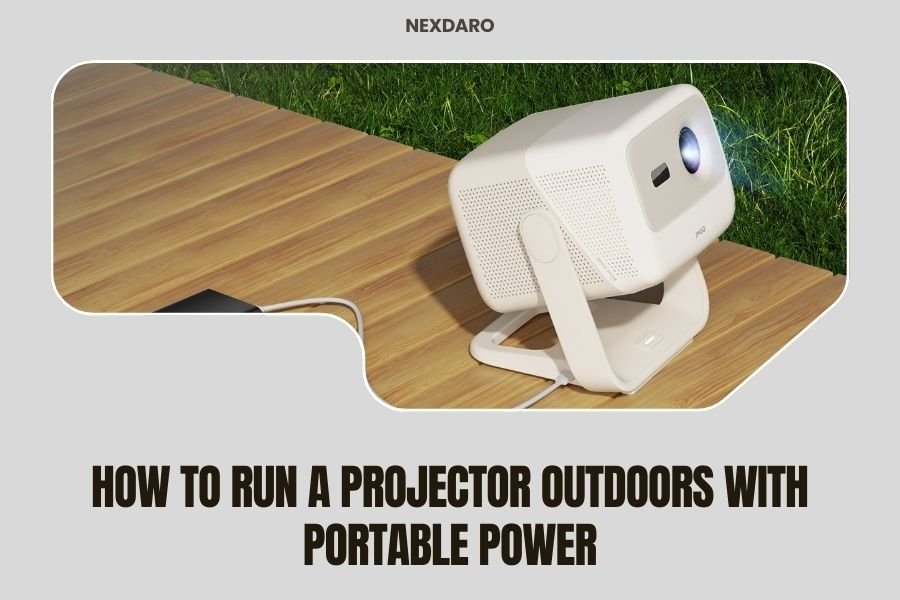
You need a portable power station with at least 300-500 watts of continuous power output to run most outdoor projectors safely for 2-4 hours.
The exact power requirement depends on your projector’s wattage, which typically ranges from 150-400 watts for portable models designed for outdoor use.
What Power Station Size Do You Actually Need?
Most people buy the wrong size power station for their projector. Here’s the simple math you need.
Check your projector’s label or manual for its power consumption. Add 20% extra for safety. A 200-watt projector needs a 240-watt minimum power station.
Small Projectors (Under 150 Watts)
Mini LED projectors work great with smaller power stations. You can get 3-5 hours of runtime with a 500Wh battery capacity.
These projectors are perfect for backyard movie nights. They’re quiet and don’t drain your power station too fast.
Medium Projectors (150-300 Watts)
Most outdoor projectors fall into this range. You’ll want at least a 1000Wh power station for 3+ hours of movies.
This gives you enough juice for a full movie plus some extra power for speakers or lights.
Large Projectors (300+ Watts)
Bright projectors that work well in outdoor lighting need serious power. Plan for 1500Wh or more capacity.
These eat through battery fast but give you the brightness you need for twilight viewing.
How to Calculate Your Exact Runtime
Here’s the formula I found works best: Battery capacity (Wh) ÷ projector watts × 0.85 = hours of runtime.
The 0.85 accounts for power conversion losses. Power stations aren’t 100% efficient.
Quick Runtime Examples
| Power Station Size | 200W Projector | 300W Projector | 400W Projector |
|---|---|---|---|
| 500Wh | 2.1 hours | 1.4 hours | 1.1 hours |
| 1000Wh | 4.3 hours | 2.8 hours | 2.1 hours |
| 1500Wh | 6.4 hours | 4.3 hours | 3.2 hours |
Best Power Station Features for Projectors
Not all power stations work well with projectors. Some features matter more than others.
Pure Sine Wave Output
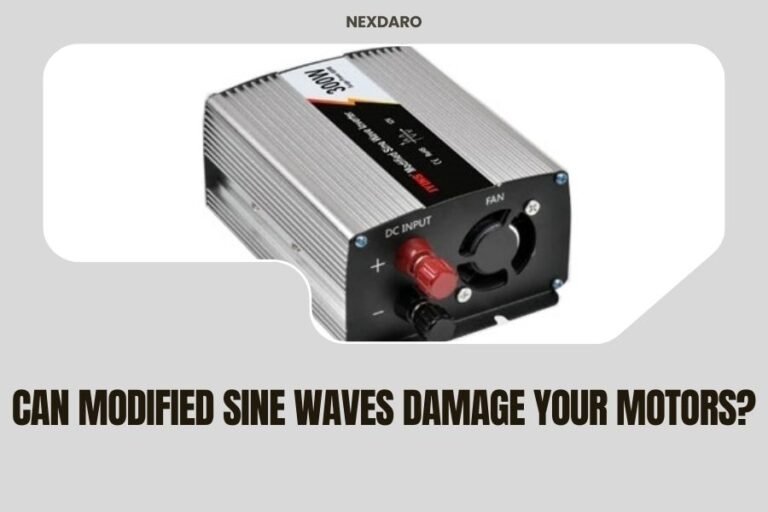
Your projector needs clean power. Modified sine wave can cause buzzing or damage sensitive electronics.
All quality power stations have pure sine wave now. But always double-check before buying.
Multiple AC Outlets
You’ll want to power speakers, lights, or charging devices too. Look for at least 2-3 AC outlets.
This saves you from bringing extension cords and power strips outdoors.
Quiet Fan Operation
Loud cooling fans ruin movie audio. Research shows that power stations with temperature-controlled fans work better for quiet activities.
Some models have eco modes that reduce fan noise during low power draws.
Fan Noise Levels to Expect
Under 45dB is whisper quiet. 45-55dB is acceptable for movies. Above 55dB gets annoying fast.
Check reviews for real-world noise measurements. Manufacturer specs aren’t always accurate.
Setting Up Your Outdoor Projector Power System
Location matters more than you think. The wrong setup can cut your runtime in half.
Keep Your Power Station Cool
Heat kills battery life and triggers protective shutdowns. Place your unit in shade with good airflow.
I found that hot power stations can lose 20-30% of their capacity on summer days.
Use Short, Quality Cables
Long extension cords create voltage drops. Keep your projector within 10 feet of your power station when possible.
If you need longer reach, use 12-gauge extension cords rated for your projector’s power draw.
Cable Management Tips
Tape down cables where people walk. Dark outdoor areas hide trip hazards.
Bring a flashlight or headlamp for safe setup after sunset.
Maximizing Your Battery Life
Smart power management gives you more movie time from the same battery.
Adjust Projector Settings
Lower brightness extends runtime significantly. Most projectors use 20-40% less power in eco mode.
The picture quality difference is minimal in darker outdoor settings.
Turn Off Unused Features
Disable WiFi, Bluetooth, and built-in speakers if you’re not using them. These features drain power constantly.
Some projectors have power-saving sleep modes between movies too.
Weather Protection Strategies
Outdoor electronics face unique challenges. Moisture and temperature swings can damage both your projector and power station.
Moisture Management
Even light dew can cause problems. Keep both devices under cover or in waterproof cases.
Condensation forms when temperatures drop after sunset. Plan for this.
Temperature Considerations
Lithium batteries perform poorly in extreme cold. They can lose 20% capacity below 32°F.
Hot weather triggers thermal protection that reduces available power output.
Troubleshooting Common Power Issues
What happens when things don’t work as planned? Here are the most common problems and quick fixes.
Projector Won’t Turn On
Check that your power station can handle the startup surge. Projector lamps draw 2-3x more power for the first few seconds.
Try connecting the projector alone first, then add other devices after it’s running.
Power Station Shuts Down Unexpectedly
Overload protection kicks in when you exceed the unit’s capacity. Remove some devices and restart.
High temperatures also trigger shutdowns. Move to a cooler, shadier location.
Reset Procedures
Most power stations have reset buttons or power cycling procedures. Check your manual for the exact steps.
Some units need 5-10 minutes to cool down before restarting.
Safety Tips for Outdoor Power
Outdoor electrical setups need extra safety precautions. Water and electricity don’t mix.
Ground Fault Protection
Many power stations have built-in GFCI protection. This prevents electrocution if water contacts electrical parts.
Don’t override safety features, even if they seem to interfere with operation.
Proper Ventilation
Power stations need airflow to prevent overheating. Never cover vents or place in enclosed spaces.
Leave at least 6 inches clearance on all sides with ventilation openings.
Alternative Power Solutions
Portable power stations aren’t your only option. Other solutions work better in some situations.
Solar Charging During Use
Large solar panels can extend your runtime significantly. 200-400 watts of solar input helps offset projector consumption.
This works best for daytime setup and afternoon charging before evening movies.
Car Power Inverters
Your vehicle’s 12V outlet can power smaller projectors through an inverter. This gives unlimited runtime while the engine runs.
Make sure your inverter produces pure sine wave power for sensitive electronics.
Generator Backup Options
Quiet inverter generators work for longer events. They’re louder than power stations but provide unlimited runtime.
Modern inverter generators produce clean power suitable for projectors and other electronics.
Conclusion
Running a projector outdoors with portable power is easier than most people think. The key is matching your power station capacity to your projector’s needs and planning for 20% extra capacity.
Start by calculating your projector’s power consumption, then choose a power station with pure sine wave output and enough battery capacity for your planned runtime. Don’t forget about cooling, weather protection, and safety considerations.
With the right setup, you can enjoy movies under the stars without worrying about your power running out mid-film. The investment in quality portable power pays off in reliable outdoor entertainment for years to come.
Can I use a car jump starter to power my projector?
Most car jump starters don’t have enough sustained power output for projectors. They’re designed for short bursts of high current, not continuous loads. A dedicated power station is much better for this application.
How long does it take to recharge a power station after using it with a projector?
Recharge time depends on the power station’s capacity and charging method. Wall charging typically takes 6-8 hours for full recharge, while solar charging can take 8-16 hours depending on panel size and sunlight conditions.
Will running a projector damage my power station’s battery?
No, projectors are well within normal operating parameters for quality power stations. The continuous power draw is actually easier on batteries than high-surge devices like power tools or microwaves.
Can I charge my power station while running the projector?
Yes, most power stations support pass-through charging. You can plug into AC power or connect solar panels while using the projector. This extends your runtime and keeps the battery topped off.
What happens if my power station runs out of power during a movie?
The projector will shut down immediately when power is lost. Most power stations give low battery warnings with LED indicators or alarms, giving you 10-30 minutes notice before shutdown. Always monitor your remaining capacity during long movies.