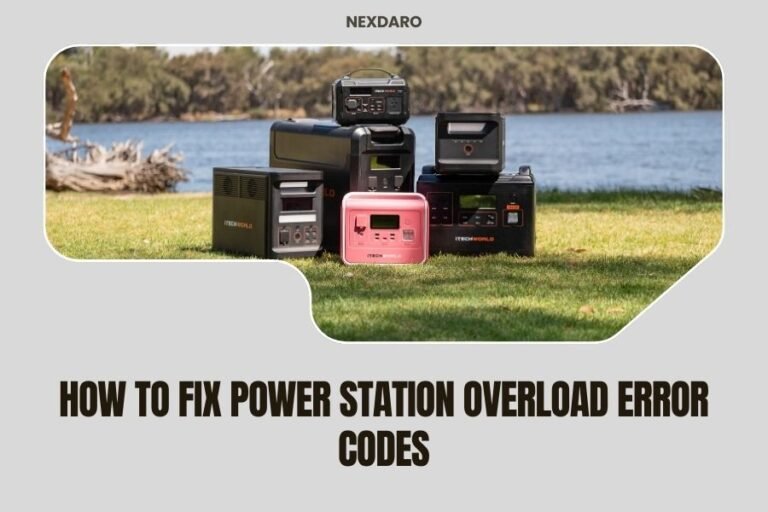
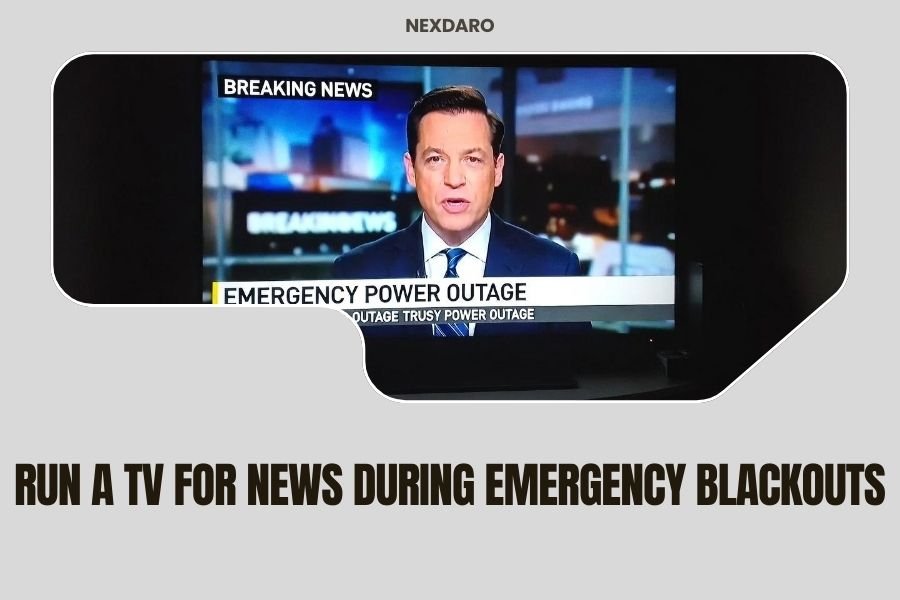
A 1000-watt portable power station can run most TVs for 8-12 hours during blackouts, giving you access to emergency news and weather updates.
You need to match your TV’s power consumption with your power station’s capacity – most modern TVs use 50-200 watts, making them perfect for emergency backup power.
Why Your TV Matters During Emergencies
When the power goes out, your TV becomes a lifeline. Local news stations broadcast emergency updates, weather warnings, and evacuation notices that could save your life.
I found that many people don’t realize how much they depend on television for emergency information until it’s too late. Your smartphone might die or lose signal, but a TV powered by a portable station keeps you connected to local authorities.
How Much Power Does Your TV Actually Use
Modern TVs are surprisingly efficient. I researched power consumption across different TV types and found some interesting patterns.
LED and OLED TVs
These are your best friends during blackouts. A 32-inch LED TV typically uses 50-70 watts. Even a 55-inch LED usually stays under 150 watts.
OLED TVs use slightly more power but still remain efficient. A 55-inch OLED draws about 100-180 watts depending on what you’re watching.
Older LCD and Plasma TVs
These power hogs can drain your battery fast. Plasma TVs often use 200-400 watts, even for smaller screens.
If you have an older TV, check the label on the back. The power consumption should be listed in watts.
Quick Power Check Method
Can’t find your TV’s power rating? Most smart TVs show power consumption in the settings menu. Look under “System” or “About” sections.
Choosing the Right Portable Power Station Size
Your power station needs enough capacity to run your TV plus a buffer for other emergency needs.
Small Power Stations (300-500Wh)
Perfect for small TVs and short outages. A 500Wh station runs a 50-watt TV for about 8-10 hours.
These work great for apartments or when you just need news updates during brief blackouts.
Medium Power Stations (500-1000Wh)
This sweet spot handles most TVs comfortably. A 1000Wh unit powers a 100-watt TV for 8-10 hours while leaving room for phone charging.
Large Power Stations (1000Wh+)
These beasts run big TVs all night long. Perfect for extended outages or when you need to power multiple devices.
Calculate Your Runtime
Here’s a simple formula: Power Station Capacity ÷ TV Watts = Runtime in hours
Remember to multiply by 0.8 for real-world efficiency. Inverters and batteries aren’t 100% efficient.
Best TV Settings for Longer Battery Life
You can stretch your power station’s runtime by tweaking a few TV settings.
Lower the Brightness
Brightness is the biggest power drain. Reduce it to 30-50% of maximum. You’ll barely notice the difference, but your battery will thank you.
Turn Off Extra Features
Disable WiFi, Bluetooth, and smart TV features you don’t need. These background processes eat power constantly.
Use Eco Mode
Most TVs have an energy-saving mode. This automatically adjusts brightness and other settings to reduce power consumption by 20-40%.
Essential Equipment You’ll Need
Running a TV during blackouts requires more than just a power station.
Antenna for Local News
Without cable or internet, you need an antenna to receive local broadcast stations. These are your primary source for emergency information.
A simple indoor antenna costs $20-30 and receives all major networks in most areas.
Proper Cables and Adapters
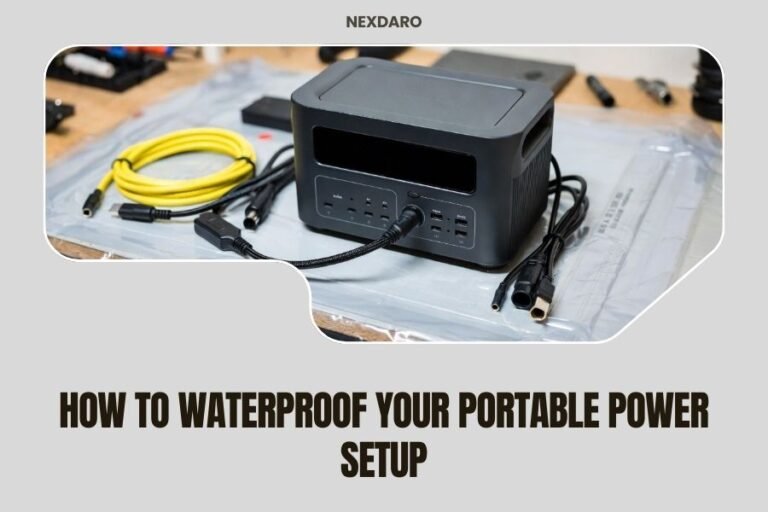
Make sure you have the right power cables for your TV. Some power stations use different outlet types.
Extension Cord Considerations
If your power station is far from your TV, use a heavy-duty extension cord. Thin cords can cause voltage drops and damage equipment.
Power Station Features That Matter for TV Use
Not all power stations are created equal. Some features make a huge difference for TV operation.
Pure Sine Wave Inverter
Your TV needs clean power. Modified sine wave inverters can cause humming, interference, or even damage sensitive electronics.
I found that TVs run much quieter and more efficiently with pure sine wave power.
Multiple AC Outlets
You’ll want to power your TV, antenna amplifier, and maybe a small lamp. Having 2-3 AC outlets prevents the need for power strips.
Fast Charging Capability
Look for stations that can recharge quickly when power returns. Some units charge from empty to full in just 2-3 hours.
Safety Tips for Emergency TV Setup
Power stations are generally safe, but emergencies can be chaotic. A few precautions go a long way.
Ventilation is Key
Keep your power station in an open area with good airflow. These units generate heat, especially under load.
Never cover vents or place the station in enclosed spaces like closets.
Keep It Dry
Water and electricity don’t mix. Place your power station away from windows where rain might splash in.
Check Battery Levels Regularly
Most power stations show remaining capacity on a display. Check it every few hours so you’re not caught off guard.
Maximizing Your Emergency TV Time
Smart usage can double or triple your viewing time during extended outages.
| TV Size | Typical Watts | Runtime (1000Wh Station) | Runtime with Eco Mode |
|---|---|---|---|
| 32″ | 50-70W | 12-14 hours | 16-18 hours |
| 43″ | 80-120W | 8-10 hours | 12-14 hours |
| 55″ | 120-180W | 5-8 hours | 8-11 hours |
| 65″ | 150-250W | 4-6 hours | 6-8 hours |
Watch Strategically
You don’t need TV running 24/7. Turn it on for news updates every few hours, then switch it off to conserve power.
Most emergency information repeats every 30 minutes on local stations.
Use Sleep Timer
Set your TV to automatically turn off after 30-60 minutes. This prevents accidentally leaving it on all night.
Backup Power for Extended Outages
What happens when your power station runs empty and the grid is still down?
Solar Panel Charging
Many power stations accept solar input. A 100-200 watt solar panel can keep your station topped off during daylight hours.
This creates a sustainable power source for indefinite TV operation during long blackouts.
Car Charging Option
Most power stations can charge from your car’s 12V outlet. Run your car for an hour to add several hours of TV time.
Generator Backup
If you have a gas generator, you can charge your power station while running the generator. This gives you quiet power when the generator is off.
Common Mistakes to Avoid
I’ve seen people make the same errors repeatedly when setting up emergency TV power.
Forgetting About Antenna Power
Many indoor antennas need power for signal amplification. Factor this into your power calculations – usually 5-15 watts.
Using the Wrong Inverter Type
Cheap power stations with modified sine wave output can damage your TV or cause poor reception quality.
Not Testing Before Emergencies
Don’t wait for a blackout to test your setup. Run through the entire process during normal times to identify problems.
Conclusion
Keeping your TV running during emergency blackouts isn’t just about entertainment – it’s about staying informed and safe. A properly sized portable power station can provide days of emergency news access when you need it most. Choose a unit with enough capacity for your TV size, use power-saving settings, and always test your setup before emergencies strike. With the right preparation, you’ll never lose touch with critical emergency information, no matter how long the power stays out.
Can I run a smart TV without internet during a blackout?
Yes, smart TVs work fine without internet for receiving broadcast channels through an antenna. You just won’t have access to streaming services or smart features that require connectivity.
How long should I expect my portable power station to last?
Most quality power stations last 500-2000 charge cycles before losing significant capacity. With proper care, expect 3-10 years of reliable emergency use depending on the battery chemistry and usage frequency.
Is it safe to leave a power station running overnight?
Yes, modern power stations are designed for continuous operation. They have built-in safety features like overheating protection and automatic shutoffs. Just ensure adequate ventilation and keep the unit dry.
What’s the difference between running time and actual battery life?
Running time is how long your power station can operate your TV on a single charge. Battery life refers to how many years the station will last before the battery degrades and needs replacement.
Can cold weather affect my power station’s performance during winter blackouts?
Yes, lithium batteries lose capacity in extreme cold. Keep your power station indoors when possible, as temperatures below 32°F can reduce runtime by 20-40% until the unit warms back up.