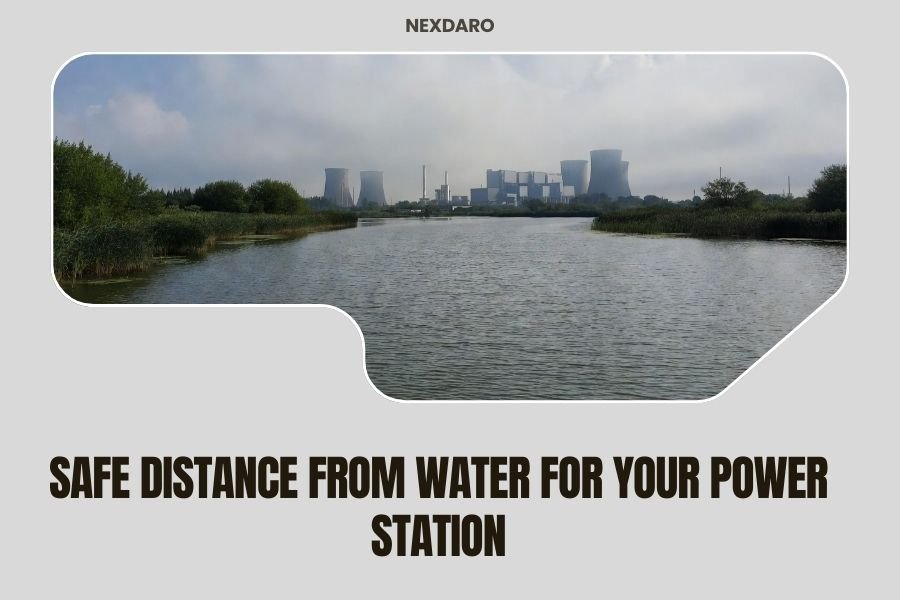
Keep your power station at least 6 feet away from water sources to prevent electrical hazards and moisture damage.
Water and electricity create dangerous combinations that can cause fires, electrocution, and permanent damage to your portable power station.
Why Water Distance Matters for Power Stations
Your power station contains high-voltage components that don’t mix well with moisture. Even small amounts of water can cause short circuits.
I found that most manufacturers recommend keeping these devices away from wet areas. The reason is simple: water conducts electricity in ways you don’t want.
Electrical Safety Basics
When water meets electricity, several bad things can happen. You might get shocked. The device might catch fire. Or it could stop working forever.
Think of it like your phone in the bathroom. You keep it away from the shower, right? Same idea here, but with much more power involved.
Moisture Damage Risks
Power stations have sensitive electronics inside. Humidity alone can cause problems over time.
I researched common failure modes and found that moisture tops the list. It creates corrosion on metal parts and can make circuits fail.
Recommended Safe Distances by Environment
Around Swimming Pools
Keep your power station at least 10 feet from pool edges. Splashing water travels farther than you think.
Pool areas also have high humidity. This invisible moisture can sneak into your device through vents.
Pool Deck Considerations
Wet feet create puddles. Those puddles can reach your power station if it’s too close.
Place it on a raised, dry surface. A small table works great.
Near Lakes and Rivers
Natural water bodies need different thinking. Waves, wind, and spray change the rules.
I found experts recommend staying back at least 15 feet from shorelines. This accounts for unexpected splashes and high water events.
Beach and Sand Concerns
Sand holds moisture longer than you’d expect. Even “dry” sand near water contains humidity.
Use a waterproof mat or platform to create a barrier between your power station and damp sand.
Camping Near Water Sources
Morning dew is your hidden enemy when camping. It settles on everything, including your power station.
Set up camp uphill from water when possible. This keeps overnight moisture from rolling toward your gear.
Weather-Related Distance Guidelines
Rainy Conditions
Rain doesn’t fall straight down. Wind pushes it sideways, and it bounces off surfaces.
Research shows that rain can travel up to 3 feet horizontally in moderate wind. Plan your shelter accordingly.
Covered Area Requirements
A simple tarp isn’t enough. You need solid overhead protection with sides.
Think of it like an umbrella for your power station. Coverage from multiple angles works best.
High Humidity Areas
Tropical locations and summer evenings create moisture challenges. Your power station needs to breathe, but not too much.
I came across studies showing that electronics fail faster in humidity above 80%. Keep this in mind for storage.
Indoor Water Safety
Bathroom and Kitchen Use
Using power stations indoors near water requires extra care. Steam from showers and cooking creates invisible moisture.
Keep your device in an adjacent room when possible. Run extension cords instead of bringing the power station closer.
Laundry Room Precautions
Washing machines can overflow. Dryers create humid air. Both pose risks to nearby electronics.
Place your power station on a high shelf, away from potential water sources.
Basement and Garage Storage
These areas often have hidden moisture problems. Concrete floors can “sweat” and create puddles.
Use a moisture meter to check your storage area. Many hardware stores sell simple ones for under $20.
Protective Measures Beyond Distance
Physical Barriers
Sometimes you can’t get far enough away. In these cases, create barriers between water and your power station.
Plastic sheeting, waterproof cases, and elevated platforms all help. Think creatively about protection.
Drainage Considerations
Water flows downhill. Always position your power station higher than potential water sources.
Even a few inches of height can make the difference between a working device and a paperweight.
Ventilation Balance
Your power station needs airflow to stay cool. But you don’t want humid air flowing through it constantly.
I found that positioning devices perpendicular to prevailing winds works well. This reduces direct moisture exposure while maintaining cooling.
Emergency Situations and Water
Flood Preparedness
Natural disasters change normal safety rules. You might need power even when water is nearby.
Keep your power station at the highest point possible. Second floors, tall tables, or elevated platforms work.
Storm Response
When storms hit, priorities shift. Getting power might outweigh perfect water distance.
Use common sense. A slightly damp power station is better than no power at all during emergencies.
Rescue and First Aid Scenarios
Medical emergencies near water create tough choices. You might need to compromise on ideal distances.
Focus on immediate electrical safety. Keep the power station stable and away from standing water, even if it’s closer than normal guidelines suggest.
Maintenance and Water Damage Prevention
Regular Inspection
Check your power station regularly for water damage signs. Look for corrosion, unusual sounds, or performance changes.
Early detection saves money and prevents dangerous situations.
Cleaning and Care
Clean your power station with dry cloths only. Never use wet cleaning methods.
If it gets wet accidentally, turn it off immediately and let it dry completely before using again.
Conclusion
Keeping safe distance from water protects both you and your power station investment. The 6-foot minimum rule works for most situations, but adjust based on your specific environment.
Remember that water safety isn’t just about liquid water. Humidity, steam, and even damp surfaces can cause problems. When in doubt, create more distance rather than less.
Your power station serves you best when it stays dry and safe. A little extra planning goes a long way toward avoiding water-related disasters.
What should I do if my power station gets wet accidentally?
Turn it off immediately and disconnect all devices. Let it dry completely in a warm, dry area for at least 24 hours before attempting to use it again. If water entered through vents, consider professional inspection.
Can I use my power station in light rain with a tarp cover?
Only if you have complete overhead and side protection from wind-blown rain. A simple tarp overhead isn’t sufficient. You need enclosed protection that prevents moisture from reaching the device from any angle.
How do I know if humidity is too high for my power station?
Most power stations work safely up to 80% humidity. You can buy inexpensive humidity meters to monitor levels. If condensation forms on surfaces around your power station, the humidity is too high.
Is it safe to run extension cords from my power station to avoid water proximity?
Yes, using properly rated extension cords is often safer than placing your power station too close to water. Make sure the cords are rated for your power needs and keep all connections dry and elevated off the ground.
What’s the safest way to use a power station during camping near a lake?
Set up your power station at least 15 feet from the waterline on elevated, dry ground. Use a waterproof mat underneath and position it uphill from the water source to avoid runoff. Cover it with a ventilated shelter during overnight hours to prevent dew accumulation.