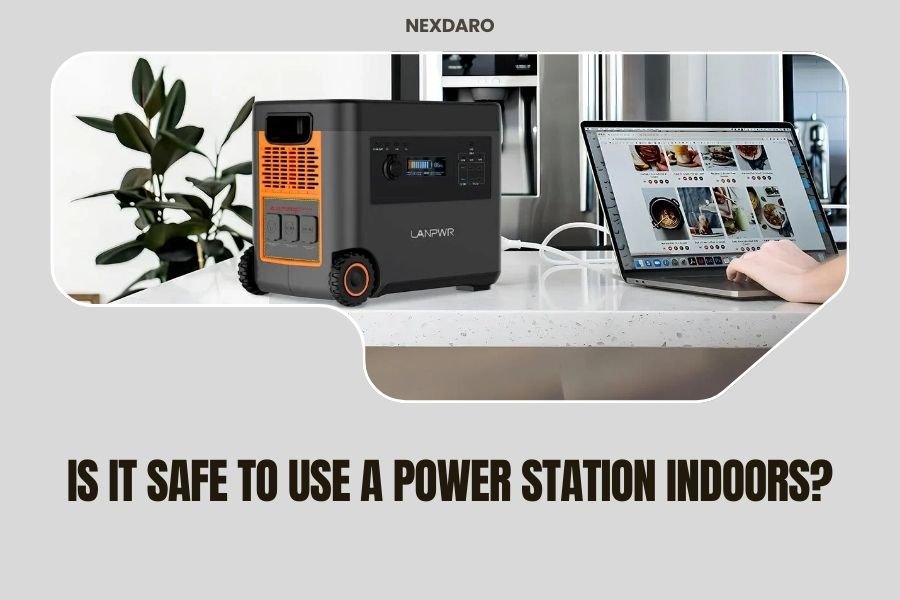
Yes, it is safe to use a power station indoors when you follow proper ventilation and safety guidelines.
Modern power stations with lithium batteries produce no harmful fumes during normal operation, making them ideal for indoor emergency backup power.
You’re probably wondering if that portable power station can safely power your devices inside your home. It’s a smart question to ask. After all, safety should always come first when dealing with electrical equipment.
The good news? Most modern power stations are designed with indoor use in mind. But there are important details you need to know to use them safely.
What Makes Power Stations Safe for Indoor Use
Power stations work differently than gas generators. They don’t burn fuel or create toxic exhaust. Instead, they store electricity in batteries and convert it to usable power through inverters.
Research from battery safety experts shows that lithium iron phosphate (LiFePO4) batteries are the safest option for indoor use. These batteries don’t produce dangerous gases during normal operation.
Key Safety Features in Modern Power Stations
Quality power stations come with built-in protection systems. These safety features make indoor use much safer than older battery technologies.
- Overcharge protection stops dangerous battery swelling
- Temperature monitoring prevents overheating
- Short circuit protection cuts power during electrical faults
- Battery management systems balance cell voltage
Why Gas Generators Don’t Belong Indoors
Never confuse power stations with gas generators. Gas generators produce deadly carbon monoxide. The CDC reports that generator misuse causes hundreds of deaths each year.
Power stations produce zero emissions. That’s why they’re perfect for indoor emergency power.
Battery Types and Indoor Safety Ratings
Not all power station batteries are created equal. The battery type directly affects indoor safety.
Lithium Iron Phosphate (LiFePO4) Batteries
These are the gold standard for indoor use. LiFePO4 batteries have the highest thermal stability. They won’t catch fire or explode under normal conditions.
From what I read in battery research, LiFePO4 batteries can handle overheating better than other lithium types. They’re also less likely to experience thermal runaway.
Standard Lithium-Ion Batteries
Regular lithium-ion batteries are generally safe indoors too. But they’re not as stable as LiFePO4 under extreme conditions.
Many experts recommend avoiding cheap lithium-ion power stations from unknown brands. Quality control matters for safety.
Lead-Acid Power Stations
Lead-acid batteries can produce hydrogen gas while charging. This creates a small fire risk in enclosed spaces. Most people avoid these for regular indoor use.
Proper Ventilation Requirements
Even safe power stations need some ventilation. Think of it like running a laptop or space heater indoors. You want air to move around the device.
Minimum Ventilation Guidelines
Place your power station in areas with normal room airflow. Avoid tight closets or cabinets during operation.
Leave at least 12 inches of space around the unit. This prevents heat buildup and allows cooling fans to work properly.
Signs of Poor Ventilation
Watch for these warning signs that your power station needs better airflow:
- The unit feels very hot to touch
- Cooling fans run constantly at high speed
- Performance drops during use
- Error messages about temperature
Room Temperature and Storage Conditions
Temperature affects power station safety and performance. Most units work best between 50-85°F.
Ideal Indoor Conditions
Keep your power station in climate-controlled areas when possible. Basements, living rooms, and offices work well.
Avoid areas with temperature swings. Garages and attics can get too hot or cold for safe operation.
Humidity Considerations
High humidity can cause condensation inside electronic components. Keep power stations away from steamy areas like bathrooms or laundry rooms.
Safe Charging Practices Indoors
Charging creates the highest safety risk with any battery device. But proper practices keep things safe.
Use Original Charging Equipment
Always use the charger that came with your power station. Third-party chargers might not have the same safety features.
I found that using wrong chargers is a leading cause of battery incidents. It’s not worth the risk to save a few dollars.
Monitor Charging Sessions
Don’t leave power stations charging overnight unless the manual specifically says it’s safe. Many units automatically stop charging when full, but it’s good practice to check.
Charging Location Tips
Charge your power station on hard, flat surfaces. Avoid beds, couches, or other soft materials that can trap heat.
What Devices Can You Safely Power Indoors
Power stations handle most household devices without problems. But some appliances need extra attention indoors.
| Device Type | Safety Level | Special Notes |
|---|---|---|
| Phones and tablets | Very Safe | No special precautions needed |
| Laptops and computers | Very Safe | Great for home offices |
| LED lights | Very Safe | Perfect for power outages |
| Small appliances | Generally Safe | Check wattage requirements |
| Space heaters | Use Caution | High power draw, monitor closely |
High-Draw Appliances to Watch
Some devices pull a lot of power quickly. This can stress your power station and create heat.
Hair dryers, coffee makers, and microwaves fall into this category. They’re usually safe, but they’ll drain your battery fast and make the unit work hard.
Emergency Preparedness and Indoor Power
Power outages happen. Having a safe indoor power source gives you peace of mind.
Essential Emergency Devices
Focus on powering critical items first during emergencies:
- Cell phones for communication
- Medical devices like CPAP machines
- LED lights for safety
- Small refrigerator for medications
Creating an Indoor Emergency Power Plan
Know where your power station is and how to use it before emergencies hit. Practice connecting your most important devices.
Keep the user manual handy. Stress isn’t the time to figure out safety procedures.
Common Indoor Safety Mistakes to Avoid
Even safe devices can become dangerous with improper use. Here are mistakes I keep seeing people make.
Overloading the Power Station
Don’t plug in more devices than your power station can handle. This creates heat and can damage both the power station and your devices.
Check the total wattage before connecting multiple items. When in doubt, power fewer devices.
Ignoring Warning Signs
Power stations have safety alerts for good reasons. Don’t ignore error messages or warning lights.
Strange smells, unusual heat, or weird noises mean you should stop using the device immediately.
Using Damaged Equipment
Cracked cases, frayed cables, or loose connections create safety hazards. Replace damaged parts before using your power station indoors.
Regular Maintenance for Safe Indoor Use
A little maintenance keeps your power station safe and reliable. Most tasks take just minutes.
Monthly Safety Checks
Look over your power station once a month. Check for physical damage, clean dust from vents, and test basic functions.
Battery experts recommend keeping lithium batteries between 20-80% charge for long-term storage. This extends battery life and maintains safety features.
Cleaning and Care Tips
Dust buildup blocks cooling vents and makes units work harder. Use a soft brush or compressed air to clean vents monthly.
Wipe down the outside with a slightly damp cloth. Never use water near charging ports or power outlets.
Conclusion
Using a power station indoors is safe when you follow basic guidelines. Modern units with lithium batteries are designed for indoor use and produce no harmful emissions. The key is choosing quality equipment, providing adequate ventilation, and following the manufacturer’s safety instructions. Whether you need backup power for emergencies or portable electricity for everyday use, power stations offer a clean and safe solution for indoor power needs. Just remember to avoid the mistakes that create unnecessary risks, and your power station will serve you safely for years to come.
Can I leave my power station plugged in all the time indoors?
Most modern power stations have pass-through charging and overcharge protection, making it safe to leave them plugged in. Check your specific model’s manual, as some manufacturers recommend unplugging after reaching full charge to extend battery life.
What should I do if my power station starts making unusual noises indoors?
Stop using the power station immediately and unplug any connected devices. Unusual noises often indicate fan problems, electrical issues, or internal damage. Contact the manufacturer’s customer support before using the device again.
How close can I place my power station to my bed while sleeping?
Keep power stations at least 3 feet away from sleeping areas. While they’re generally safe, maintaining distance reduces any risk from heat, noise, or potential malfunctions. Place the unit on a hard surface with good airflow around it.
Is it safe to use my power station in a small apartment?
Yes, power stations work well in small apartments. The compact living space actually makes it easier to maintain proper room temperature and ventilation. Just avoid placing the unit in tight spaces like closets during operation.
Can power stations interfere with other electronics in my home?
Quality power stations produce clean electricity that won’t interfere with sensitive electronics. However, cheaper units with poor inverters might cause minor interference with AM radios or older audio equipment. This doesn’t create safety issues, just minor annoyances.