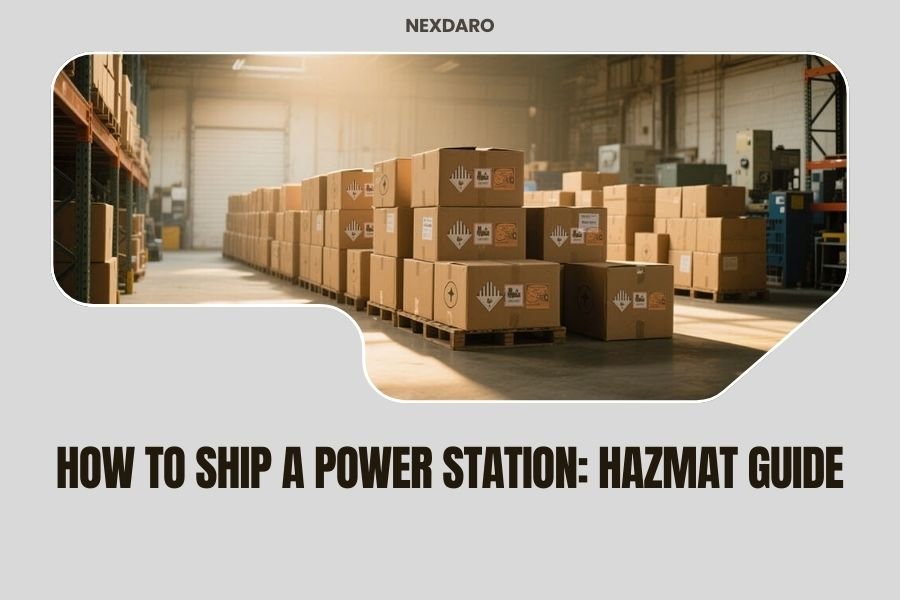
Shipping a power station requires hazmat certification because these devices contain lithium batteries classified as dangerous goods by transportation authorities.
You’ll need to follow UN3480 or UN3481 regulations, use proper packaging materials, complete hazmat training, and work with carriers certified for lithium battery transport.
Understanding Power Station Shipping Classifications
Power stations fall under strict shipping rules. The lithium batteries inside make them hazardous materials in the eyes of shipping companies.
Most portable power stations contain lithium-ion batteries. These batteries can overheat, catch fire, or even explode if damaged during transport. That’s why regulators treat them seriously.
UN3480 vs UN3481: Know the Difference
Your power station gets one of two UN numbers. UN3480 applies to lithium batteries shipped alone. UN3481 covers lithium batteries packed with equipment.
Since power stations have batteries built inside, they typically fall under UN3481. This classification comes with specific packing and labeling requirements.
Which Carriers Accept Power Stations
Not every shipping company handles hazmat items. FedEx, UPS, and DHL accept power stations with proper documentation. USPS has stricter limits on lithium battery shipments.
Ground shipping works better than air transport. Many airlines restrict or ban lithium batteries due to fire risks in cargo holds.
Required Training and Certifications
You can’t just box up a power station and drop it off. Shipping hazmat requires proper training first.
Hazmat Training Requirements
The Department of Transportation requires hazmat training for anyone shipping dangerous goods. This training covers classification, packaging, marking, labeling, and documentation.
Training courses typically cost $100-300 per person. You’ll need to renew certification every two years. Many online providers offer DOT-approved courses.
Getting Your Hazmat Certification
Start with a DOT-approved training provider. The course covers general hazmat rules plus specific lithium battery requirements.
After completing training, you’ll receive a certificate. Keep copies with your shipping records. Carriers may ask for proof of certification.
Training Course Topics
- Hazmat classification systems
- Proper packaging methods
- Required labels and markings
- Shipping documentation
- Emergency response procedures
Packaging Requirements for Power Stations
Proper packaging prevents accidents during transport. You need UN-certified boxes and specific packing materials.
UN-Certified Packaging Materials
Regular cardboard boxes won’t work. You need UN-certified packaging that meets specific testing standards.
Look for boxes marked with UN certification numbers. These boxes passed drop tests, vibration tests, and other safety checks.
Inner Packaging Protection
Your power station needs cushioning inside the box. Use foam, bubble wrap, or other protective materials to prevent movement.
The device shouldn’t shift when you shake the box. Movement during transport can damage battery connections or cause short circuits.
Step-by-Step Packing Process
- Turn off the power station completely
- Wrap the device in anti-static material
- Place in UN-certified inner packaging
- Add cushioning materials around all sides
- Seal the inner package securely
- Place inner package in UN-certified outer box
- Fill empty spaces with more cushioning
Required Labels and Markings
Hazmat shipments need specific labels. Missing or wrong labels can delay your shipment or cause rejection.
Lithium Battery Labels
Every power station shipment needs lithium battery handling labels. These diamond-shaped labels warn handlers about battery contents.
The label shows the UN number, proper shipping name, and emergency contact information. You can order these labels from shipping suppliers.
Orientation and Handling Marks
Add “This Way Up” arrows if your power station has a preferred orientation. Some units have vented batteries that shouldn’t be turned upside down.
Include “Handle with Care” markings. These remind handlers to treat the package gently during transport.
Required Information on Labels
- UN3481 identification number
- Proper shipping name
- Lithium battery handling label
- Emergency response phone number
- Shipper and recipient addresses
Shipping Documentation and Paperwork
Hazmat shipments require extra paperwork. You’ll need shipping declarations and emergency response information.
Shipper’s Declaration Form
The shipper’s declaration tells carriers exactly what you’re shipping. This form lists the hazmat classification, quantity, and safety information.
Fill out every section completely. Incomplete forms can cause delays or shipment rejection.
Emergency Response Information
Include emergency response instructions with your shipment. This document tells first responders how to handle accidents or spills.
You can download template emergency response sheets from DOT websites. Customize them for your specific power station model.
Cost Considerations and Pricing
Hazmat shipping costs more than regular packages. Expect to pay hazmat surcharges plus higher insurance rates.
| Cost Component | Typical Range |
|---|---|
| Hazmat training | $100-300 |
| UN-certified packaging | $15-50 per box |
| Hazmat surcharge | $30-75 per shipment |
| Labels and markings | $5-15 per shipment |
Ways to Reduce Shipping Costs
Buy packaging materials in bulk if you ship regularly. Many suppliers offer discounts for larger orders.
Consider ground shipping over air transport. Ground rates are usually lower for hazmat items.
International Shipping Considerations
Shipping power stations internationally adds complexity. Different countries have varying rules for lithium batteries.
IATA Dangerous Goods Regulations
Air transport follows International Air Transport Association rules. IATA has specific limits on lithium battery watt-hours for air shipments.
Many power stations exceed IATA limits for passenger aircraft. They may only ship on cargo-only flights.
Country-Specific Restrictions
Some countries ban or restrict power station imports. Research destination country rules before shipping.
Common restrictions include watt-hour limits, certification requirements, and import permit needs.
Common Shipping Mistakes to Avoid
Many first-time shippers make preventable errors. Learning from common mistakes saves time and money.
Inadequate Packaging Protection
Skimping on padding causes damage during transport. Damaged batteries can leak or catch fire.
Use enough cushioning material to prevent any movement inside the box.
Missing or Incorrect Labels
Wrong labels cause shipment delays or rejection. Double-check all markings before handing over your package.
Make sure labels are firmly attached and clearly visible on the outside of your package.
Documentation Errors to Avoid
- Incomplete shipper’s declaration forms
- Missing emergency contact information
- Wrong UN classification numbers
- Outdated training certificates
- Incorrect weight or quantity listings
Safety Best Practices
Safety comes first when shipping power stations. Follow these practices to protect everyone in the shipping chain.
Pre-Shipment Device Preparation
Charge your power station to about 30% before shipping. Fully charged batteries pose higher fire risks during transport.
Turn off all power switches and remove any connected cables. Check for physical damage before packing.
Storage Before Shipping
Store packed power stations in cool, dry areas. Avoid extreme temperatures that could affect battery stability.
Keep packages away from heat sources, direct sunlight, and moisture.
Working with Shipping Carriers
Build good relationships with your chosen carriers. They can provide guidance and faster service for regular shippers.
Carrier Account Setup
Open business accounts with hazmat-certified carriers. Business accounts often get better rates and customer service.
Provide copies of your hazmat training certificates during account setup.
Regular Communication
Stay in touch with your carrier representatives. They can alert you to rule changes or shipping restrictions.
Ask about volume discounts if you ship power stations regularly.
Conclusion
Shipping power stations safely requires planning, training, and attention to detail. The hazmat classification means you can’t treat these devices like regular packages.
Start with proper hazmat training to understand the rules. Use UN-certified packaging and correct labels for every shipment. Work with experienced carriers who understand lithium battery requirements.
The extra effort protects everyone involved in transporting your power station. Following these guidelines keeps you compliant with regulations while ensuring your device arrives safely at its destination.
Can I ship a power station without hazmat training?
No, DOT regulations require hazmat training for anyone shipping lithium battery devices like power stations. The training covers safety procedures and proper documentation requirements.
What happens if my power station shipment gets rejected?
Carriers will return rejected shipments to you at your expense. Common rejection reasons include improper packaging, missing labels, or incomplete documentation. You’ll need to fix the issues before reshipping.
Are there size limits for shipping power stations?
Yes, carriers have weight and size limits for hazmat packages. Most power stations under 150 pounds ship without special arrangements. Larger units may require freight shipping with additional restrictions.
How long does hazmat training certification last?
Hazmat training certificates expire after two years. You must complete recurrent training to maintain your certification and continue shipping lithium battery devices legally.
Can I ship multiple power stations in one box?
Generally no, unless they’re specifically designed as a matched set. Each power station typically needs individual packaging to prevent damage from contact with other units during transport.