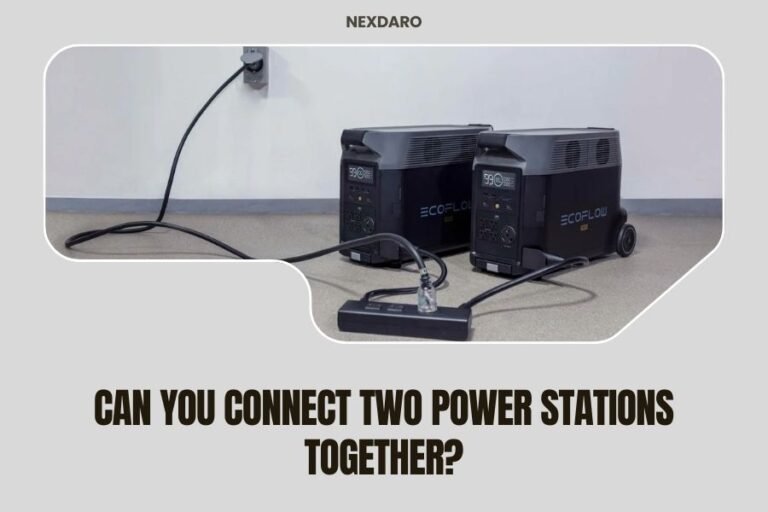
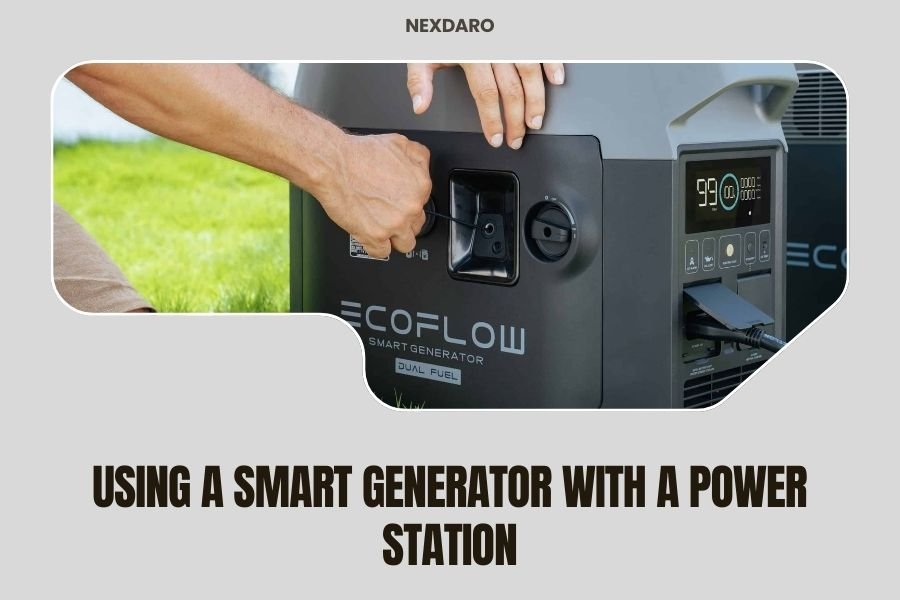
Using a smart generator with a power station creates a hybrid system that combines fuel efficiency with battery storage for extended off-grid power.
This setup lets you run essential devices longer while the smart generator automatically starts and stops to keep your power station charged.
What Is a Smart Generator Power Station Setup
Think of this combo like having a backup for your backup. Your power station handles the quiet work during the day. When its battery runs low, the smart generator kicks in automatically.
Smart generators differ from regular ones because they monitor your power needs. They start themselves when needed and shut off when your battery reaches full charge. No more babysitting your power supply.
Why People Choose This Hybrid Approach
I found that many RV owners and off-grid enthusiasts prefer this setup for good reasons. You get the best of both worlds: silent battery power when possible, plus fuel-powered backup when needed.
Regular generators run constantly, wasting fuel. Smart generators only run when your battery needs charging. This can cut fuel use by 60% or more.
Benefits of Pairing Smart Generators with Power Stations
Extended Runtime Without Noise
Your power station runs silently for hours. When it needs charging, the generator runs for maybe 30 minutes, then goes quiet again. Perfect for camping where noise rules exist.
I came across reports from campers who ran their setups for days this way. The generator only ran a few times per day, keeping everyone happy.
Fuel Efficiency Improvements
Smart generators run at optimal speeds when charging. They don’t waste fuel idling or running light loads. This makes your fuel last much longer on trips.
Some users report getting 3-4 days from a single tank that used to last one day with constant generator use.
Automatic Power Management
You set your preferences once. The system handles everything after that. Wake up to a fully charged power station without lifting a finger.
Set It and Forget It Operation
The smart controller monitors battery voltage constantly. When it drops to your set level (usually 20-30%), the generator starts automatically. When the battery reaches full charge, it stops.
How Smart Generators Communicate with Power Stations
Voltage Sensing Methods
Most smart generators watch the DC voltage from your power station. As the battery drains, voltage drops. The generator recognizes this signal and starts up.
This method works with almost any power station brand. No special cables or apps needed.
Communication Protocols
Higher-end systems use digital communication. The power station sends data to the generator about battery level, charging rate, and power demand.
These systems offer more precise control but cost more and require compatible equipment.
Bluetooth and WiFi Integration
Some smart generators connect to apps on your phone. You can monitor fuel levels, runtime, and battery status remotely. Pretty handy when you’re inside your RV or tent.
Best Smart Generator and Power Station Combinations
Popular Generator Options
From what I read online, Honda EU2200i and Yamaha EF2000iSv2 work well with most power stations. Both offer quiet operation and fuel efficiency.
Predator 2000 from Harbor Freight costs less but runs a bit louder. Still a solid choice for budget builds.
Power Station Compatibility
Goal Zero Yeti series, Bluetti AC200, and EcoFlow Delta models pair well with smart generators. They accept charging while powering devices simultaneously.
| Generator Model | Power Output | Runtime at 25% Load | Best Power Station Match |
|---|---|---|---|
| Honda EU2200i | 2200W | 8.1 hours | Goal Zero Yeti 3000X |
| Yamaha EF2000iSv2 | 2000W | 10.5 hours | Bluetti AC200MAX |
| Predator 2000 | 2000W | 6 hours | EcoFlow Delta Pro |
Setting Up Your Smart Generator System
Required Equipment and Connections
You’ll need the generator, power station, charging cables, and a smart controller. Some power stations have built-in smart charging features.
The controller connects between your generator and power station. It monitors battery voltage and controls generator operation.
Wiring Basics
Connect the controller’s input to your generator’s 12V DC outlet. The output connects to your power station’s charging port. Most setups use standard Anderson connectors.
Always use properly sized cables. Undersized wires create heat and voltage drops that confuse the smart controller.
Programming Your System
Set your start voltage (when generator turns on) and stop voltage (when it shuts off). I found that 12.2V start and 13.8V stop work well for most lithium batteries.
Add a 15-minute delay so the generator doesn’t cycle on and off constantly during heavy loads.
Fine-Tuning Settings
Start with manufacturer recommendations, then adjust based on your usage. If the generator starts too often, lower the start voltage. If it runs too long, raise the stop voltage slightly.
Safety Considerations
Ventilation Requirements
Generators produce carbon monoxide. Always run them outside, at least 20 feet from windows, doors, and vents. Even smart generators need proper ventilation.
Never run generators in enclosed spaces, even with doors or windows open. Carbon monoxide can build up quickly and cause serious harm.
Fire Prevention
Keep generators on level, stable surfaces away from flammable materials. Hot exhaust parts can ignite grass, leaves, or nearby items.
Let generators cool completely before refueling. Gas vapors and hot engines don’t mix well.
Electrical Safety
Use GFCI protection when possible. Keep connections clean and dry. Inspect cables regularly for damage or wear.
Troubleshooting Common Issues
Generator Won’t Start Automatically
Check your voltage settings first. The battery might not be dropping low enough to trigger the start signal. Lower your start voltage by 0.2V and test again.
Loose connections cause problems too. Make sure all terminals are clean and tight.
Generator Runs Too Often
Your start and stop voltages might be too close together. Increase the gap between them to prevent constant cycling.
Heavy loads can also trigger frequent starts. Consider reducing power usage or adding battery capacity.
Charging Problems
If your power station won’t accept charge from the generator, check compatibility. Some units require specific charging profiles that generic controllers don’t provide.
Maintenance and Long-Term Care
Generator Maintenance Schedule
Change oil every 50-100 hours of operation. Clean air filters monthly during heavy use. Replace spark plugs annually or per manufacturer guidelines.
I heard from experts that regular maintenance prevents 90% of generator problems. A little care goes a long way.
Power Station Battery Health
Lithium batteries prefer partial discharge cycles over deep discharges. Your smart generator setup naturally provides this by recharging before batteries get too low.
Store power stations with 50-60% charge when not in use. This maintains battery health better than full or empty storage.
Seasonal Storage Tips
Drain generator fuel or add stabilizer before storage. Old fuel causes starting problems and carburetor damage. Run the generator dry or use fuel stabilizer for storage periods over 30 days.
Cost Analysis and ROI
Initial Investment Breakdown
A basic smart generator setup costs $800-2000 depending on your choices. Quality generators run $400-800. Power stations range from $300-1500. Smart controllers add another $100-300.
Sounds expensive? Compare this to constantly buying batteries or dealing with dead power during important moments.
Long-Term Savings
Smart generators use 40-60% less fuel than constant-run generators. If you use 5 gallons per week camping, you might save 2-3 gallons weekly with smart operation.
That’s $10-15 saved per week at current gas prices. The system pays for itself in 1-2 camping seasons for frequent users.
Real-World Applications
RV and Camping Use
RV owners love this setup for boondocking. You can run your fridge, lights, and devices without constant generator noise. The generator only runs when needed.
Many campgrounds have quiet hours from 8 PM to 8 AM. Your power station handles overnight power while the generator stays silent.
Emergency Backup Power
Home emergency systems benefit from smart generator control too. The generator maintains your power station during outages without wasting fuel or creating unnecessary noise.
Work and Remote Applications
Construction crews and remote workers use these setups to power tools and equipment efficiently. The smart system provides power when needed without constant supervision.
Future Technology Trends
Solar Integration Possibilities
Next-generation systems combine solar panels, smart generators, and power stations into one unified system. Solar charges during the day, generators fill gaps during cloudy weather.
This tri-hybrid approach maximizes efficiency and minimizes both fuel use and environmental impact.
Smart Home Integration
Future systems will connect to home automation networks. Your smart generator could start based on weather forecasts, time of day, or specific power demands from connected devices.
Conclusion
Using a smart generator with a power station transforms your off-grid power experience. You get extended runtime, better fuel efficiency, and automatic operation that just works.
The initial investment pays off quickly through fuel savings and convenience. Whether you’re camping, preparing for emergencies, or working remotely, this hybrid approach delivers reliable power when you need it most.
Start with a basic setup and expand as your needs grow. Your future self will thank you for the quiet nights and worry-free power management.
Can I use any generator with any power station?
Not all generators work with every power station. Check that your generator has DC charging output and that your power station accepts external charging while powering devices. Most modern inverter generators and lithium power stations are compatible.
How much fuel does a smart generator setup save compared to running a generator constantly?
Smart generator systems typically save 40-60% fuel compared to constant generator operation. The exact savings depend on your power usage patterns and battery capacity, but most users see significant reductions in fuel consumption.
What happens if the smart controller fails while I’m camping?
You can still operate both devices manually if the controller fails. Start your generator manually when the power station battery gets low, and shut it off when charging completes. Many controllers have manual override switches for backup operation.
Do smart generators work well in cold weather?
Cold weather affects both generators and power stations. Generators may need longer warm-up times, and lithium batteries charge slower in cold conditions. Some systems include battery heaters and cold-weather starting features to maintain performance.
How loud is the system during charging cycles?
The power station operates silently, but generators produce 50-65 decibels during charging cycles. Modern inverter generators run much quieter than traditional models. The generator typically runs 30-60 minutes at a time rather than continuously, reducing overall noise exposure.