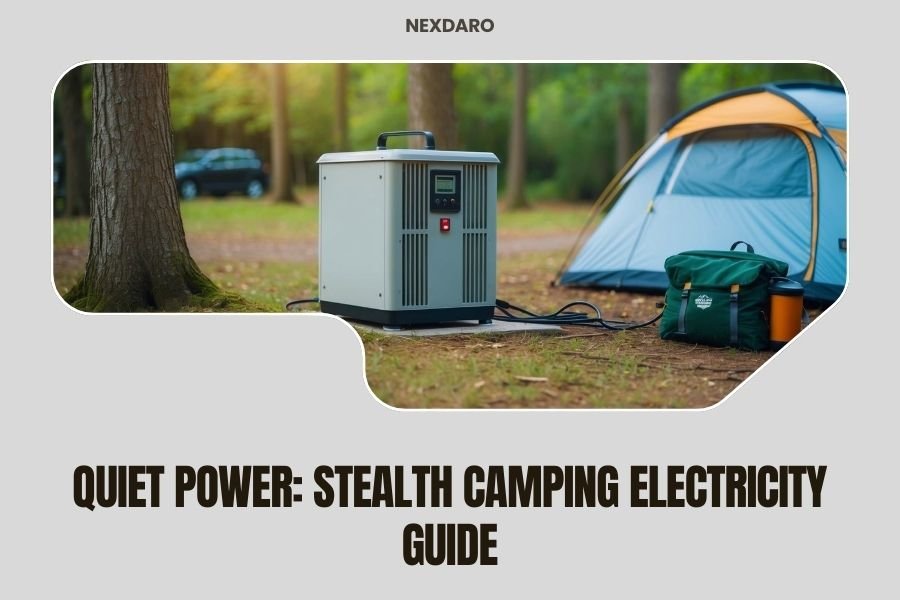
Stealth camping electricity comes from portable power stations, solar panels, and battery banks that operate silently without disturbing wildlife or other campers.
The best quiet power solutions for stealth camping include lithium battery stations under 40dB, foldable solar panels, and 12V DC appliances that maximize battery life.
Why Silent Power Matters for Stealth Camping
You’re trying to blend into nature, not announce your arrival with a rumbling generator. Stealth camping means staying invisible and quiet. Traditional gas generators destroy that goal completely.
Noise carries far in the wilderness. What sounds normal to you becomes a disturbance to wildlife and fellow campers. I found that many national forests have strict noise regulations during certain hours.
Silent power systems let you enjoy modern conveniences without breaking the stealth camping code. You can charge devices, run lights, and power small appliances while staying completely under the radar.
Portable Power Stations: Your Silent Energy Hub
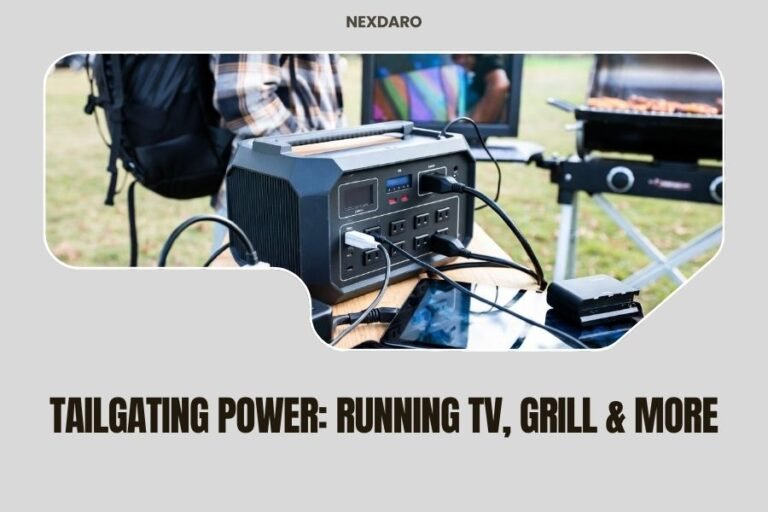
Portable power stations are battery packs with multiple output ports. Think of them as giant phone chargers with AC outlets, USB ports, and 12V sockets.
These units store energy you can use later. No moving parts means no noise. Most quality stations run at whisper-quiet levels under 40 decibels.
Key Features to Look For
Battery capacity matters most. Look for units with at least 500Wh for basic needs. Serious stealth campers often choose 1000Wh or higher.
Multiple output types give you flexibility. You want AC outlets for regular devices, USB ports for phones, and 12V outlets for camping gear.
Charging options keep you powered longer. The best stations accept solar input, car charging, and wall charging.
Lithium vs Lead-Acid Batteries
Lithium batteries weigh less and last longer. They charge faster and handle more charge cycles. Lead-acid costs less upfront but weighs much more.
For stealth camping, lithium wins every time. The weight savings alone makes hiking to remote spots possible.
Solar Panel Systems for Off-Grid Power
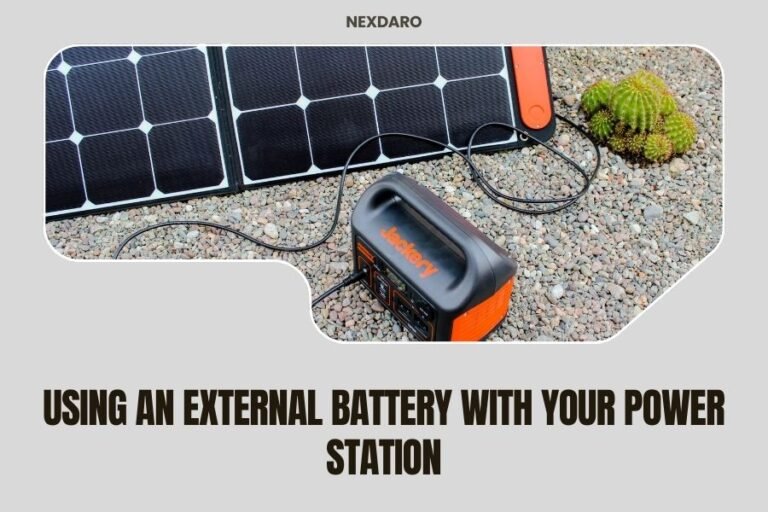
Solar panels turn sunlight into electricity. They’re completely silent and work great with portable power stations.
Foldable panels work best for stealth camping. They pack small and set up quickly. Rigid panels give more power but take up more space.
Solar Panel Sizing Guide
Match your panel wattage to your daily power needs. A 100W panel generates about 300-400Wh on a sunny day.
Most stealth campers use 100-200W setups. This powers LED lights, phone charging, and small devices without problems.
| Daily Power Need | Recommended Solar | Battery Capacity |
|---|---|---|
| Basic (lights, phone) | 100W | 500Wh |
| Moderate (laptop, fan) | 200W | 1000Wh |
| Heavy (fridge, tools) | 400W+ | 2000Wh+ |
Panel Placement Tips
Position panels facing south for maximum sun exposure. Angle them toward the sun throughout the day if possible.
Partial shade kills solar output. Even small shadows can reduce power by 50% or more. Keep panels in full sunlight when charging.
12V DC Appliances: Maximum Efficiency
DC appliances skip the energy conversion step. Your battery provides DC power directly. AC appliances need an inverter, which wastes about 10-15% of your power.
Smart stealth campers build their setup around 12V gear. You get longer battery life and quieter operation.
Essential 12V Devices
LED light strips use very little power and provide excellent illumination. They run for days on a small battery.
12V fans keep you cool without draining batteries quickly. Look for models with variable speed control.
Portable fridges in 12V versions sip power compared to AC models. They’re perfect for keeping food fresh during long trips.
Power Consumption Examples
- LED strip lights: 5-15W per hour
- Phone charging: 10-15W per charge
- Laptop charging: 45-85W per hour
- 12V fan: 15-40W per hour
- Portable fridge: 35-50W per hour
Battery Bank Alternatives
Deep cycle batteries offer another silent power option. They cost less than portable stations but need more setup work.
AGM batteries work well for beginners. They’re sealed, safe, and don’t need maintenance. Lithium banks cost more but weigh much less.
Building Your Own System
DIY battery systems give you more power for less money. You need a battery, charge controller, inverter, and fuses.
I found that many experienced campers prefer custom setups. You can size everything exactly for your needs.
Safety Considerations
Proper fusing prevents fires. Every positive connection needs appropriate fuse protection.
Ventilation matters with lead-acid batteries. They can produce hydrogen gas during charging. Lithium batteries are much safer in enclosed spaces.
Power Management Strategies
Smart power management extends your camping time. Monitor your usage and adjust habits to match your power budget.
LED lights use 90% less power than incandescent bulbs. Switching to LED everything saves huge amounts of battery life.
Energy Conservation Tips
Turn off devices when not needed. Standby power adds up quickly over several days.
Use device power saving modes. Dimming screens and enabling sleep modes helps batteries last longer.
Charge devices during peak solar hours. Let the sun do the work instead of draining your stored power.
Monitoring Your Power
Battery monitors show real-time usage and remaining capacity. They help you avoid running completely dead.
Many portable stations include built-in displays. Standalone monitors work better for custom battery systems.
Stealth Camping Setup Examples
Minimalist setups focus on essentials only. A 500Wh power station with 100W solar covers lights, phone charging, and small fans.
Comfort setups add a portable fridge and laptop charging. You need 1000Wh+ capacity and 200W+ solar for multi-day trips.
Weekend Warrior Setup
Two-day trips need less solar charging. A good power station can handle weekend power needs without any solar input.
Focus on efficient devices and conservative usage. Pack extra battery packs for phones and small devices.
Extended Adventure Setup
Week-long trips require serious solar charging. You need enough panels to fully recharge your batteries daily.
Backup charging options help during cloudy weather. Car charging or portable generators provide emergency power.
Common Stealth Power Mistakes
Oversizing AC appliances wastes battery power. That hair dryer or coffee maker will drain your batteries in minutes.
Forgetting about phantom loads costs you power. Many devices draw power even when “off.” Unplug everything when not in use.
Weather Planning Errors
Cloudy weather kills solar charging. Plan for 2-3 days without sun in your power calculations.
Cold weather reduces battery capacity. Lithium batteries can lose 20% capacity in freezing temperatures.
Installation Problems
Undersized wiring creates voltage drops and heat. Use proper gauge wire for your power loads.
Poor connections cause power losses and safety issues. Make sure all connections are clean and tight.
Maintenance and Care
Keep batteries at moderate temperatures when possible. Extreme heat or cold reduces lifespan and capacity.
Clean solar panels regularly. Dirt and dust can reduce output by 20% or more.
Store lithium batteries at 50-60% charge for long-term storage. Full or empty storage damages the cells.
Legal and Ethical Considerations
Check local regulations before stealth camping. Some areas prohibit overnight parking or camping entirely.
Leave no trace principles apply to power systems too. Pack out all batteries and electronic waste.
Respect noise ordinances even with silent systems. Light pollution can disturb wildlife and other campers.
Conclusion
Silent power systems make stealth camping comfortable and practical. Portable power stations, solar panels, and 12V appliances give you modern conveniences without breaking your cover. Start with a basic setup and expand as you learn your actual power needs. The wilderness is calling, and now you can answer with quiet confidence and reliable electricity.
What size portable power station do I need for stealth camping?
Most stealth campers need 500-1000Wh capacity for basic needs like lights, phone charging, and small fans. Choose 1500Wh+ if you want to run laptops, portable fridges, or other power-hungry devices for multiple days.
Can I charge a portable power station while driving to my campsite?
Yes, most portable power stations charge from your vehicle’s 12V outlet while driving. This lets you arrive with full batteries and extends your off-grid time. Just make sure your vehicle’s alternator can handle the charging load.
How long do portable power stations last before needing replacement?
Quality lithium portable power stations typically last 2000-4000 charge cycles before capacity drops to 80%. With normal camping use, this means 5-10 years of reliable service. Lead-acid units last much shorter, usually 300-500 cycles.
Is it safe to run power stations inside a tent or vehicle?
Lithium power stations are generally safe indoors since they don’t produce fumes. Keep them ventilated and avoid extreme temperatures. Never run gas generators inside enclosed spaces due to deadly carbon monoxide risks.
What happens to solar charging on cloudy days?
Solar panels still generate power on cloudy days but at reduced capacity, typically 10-25% of full sun output. Plan for 2-3 days without meaningful solar charging in your power calculations. Overcast conditions can severely limit your charging ability.