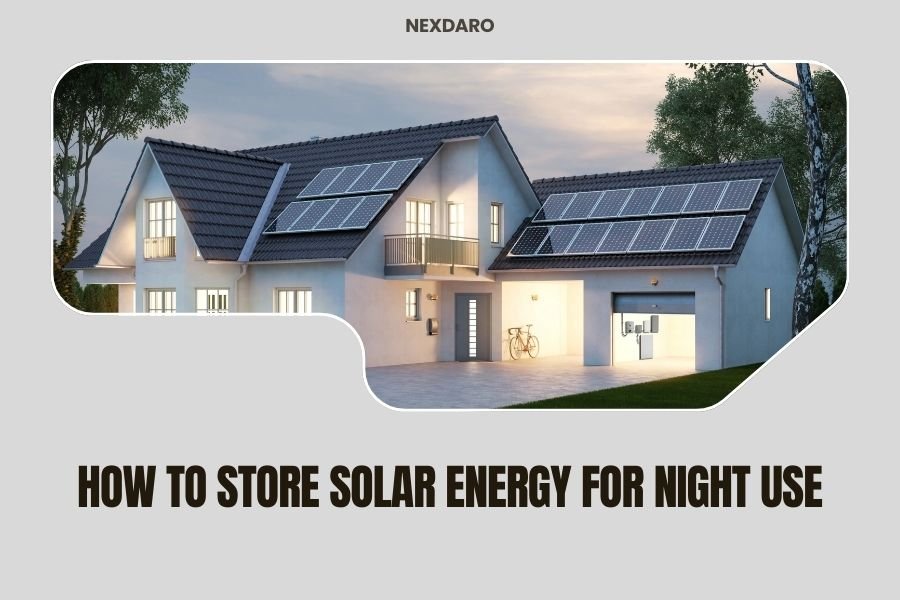
You can store solar energy for night use with battery systems, solar generators, or grid-tied systems with net metering that credit excess daytime production.
The most practical method involves lithium-ion batteries that charge during peak sunlight hours and automatically supply power when the sun goes down.
Battery Storage: Your Solar Energy Savings Account
Think of solar batteries like a savings account for electricity. During sunny days, your panels make more power than you need. Instead of letting that energy go to waste, batteries store it for later.
Lithium-ion batteries work best for most homes. They last longer and charge faster than older lead-acid types. You’ll pay more upfront, but they save money over time.
How Solar Batteries Actually Work
Your solar panels create DC electricity during the day. A charge controller sends the right amount to your batteries without overcharging them. When night comes, an inverter changes that stored DC power back to AC electricity your home can use.
It’s like filling a water tank during the day and opening the tap at night. Simple, but effective.
Types of Solar Batteries You Can Choose
Lithium-ion batteries are the gold standard now. They’re lighter, last 10-15 years, and work well in different temperatures. Tesla Powerwall and LG Chem make popular home versions.
Lead-acid batteries cost less upfront but need replacement every 5-7 years. They work fine if you’re on a tight budget and don’t mind the maintenance.
Lithium Iron Phosphate (LiFePO4) Batteries
These are the safest lithium option. They don’t overheat or catch fire easily. Many off-grid homeowners swear by them for peace of mind.
Saltwater Batteries
Newer technology that uses saltwater instead of toxic chemicals. They’re safer for the environment but not widely available yet. Worth watching as the technology improves.
Solar Generators: Portable Power for Any Situation
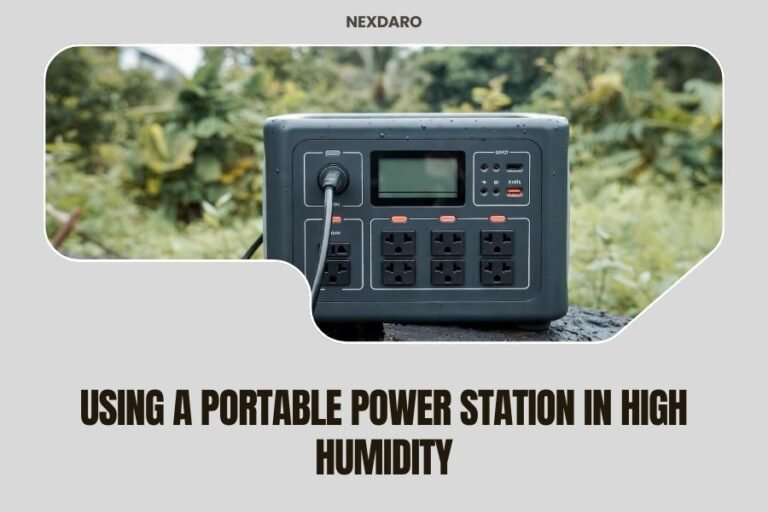
Solar generators are basically batteries with solar panels and outlets built in. You can move them around, take them camping, or use them as backup power during outages.
They’re perfect if you rent your home or want flexibility. No permanent installation needed. Just set up the panels in sunlight and plug in your devices.
Best Solar Generator Sizes for Different Needs
Small units (200-500Wh) charge phones and laptops. Medium ones (500-1500Wh) can run small appliances like fans or lights. Large systems (1500Wh+) power refrigerators and multiple devices.
I found from research that most families need at least 1000Wh capacity to feel comfortable during short power outages.
Top Features to Look for in Solar Generators
Fast charging matters more than you think. Look for units that can charge from 0% to 80% in under 4 hours. Multiple outlet types help too – AC outlets, USB ports, and 12V car plugs.
Weight makes a difference if you plan to move it around. Anything over 50 pounds gets heavy fast.
Solar Panel Compatibility
Make sure the generator works with different solar panel types. Some brands lock you into their panels only. Others accept any panel with the right voltage.
Grid-Tied Systems with Net Metering
Net metering lets you use the power grid like a giant battery. Your solar panels send excess electricity to the grid during the day. At night, you pull power back from the grid.
The electric company keeps track and credits you for the power you contributed. It’s like having a bank account, but for electricity instead of money.
How Net Metering Credits Work
When your panels make more power than you use, the extra goes to your neighbors through the power lines. Your electric meter actually runs backward, giving you credits.
At night, you use regular grid power. But those daytime credits offset the cost. If you make enough extra power, your electric bill might be $0 or even negative.
Net Metering Rules Vary by Location
Each state and utility company has different rules. Some give you full retail credit for excess power. Others pay less. I found that states like California and New York have better net metering policies than others.
Check with your local utility before installing solar panels. The rules can change, so get current information.
Time-of-Use Billing Impact
Some utilities charge different rates throughout the day. Electricity costs more during peak hours (usually 4-9 PM). If you store solar power and use it during expensive peak times, you save even more money.
Hybrid Systems: Best of Both Worlds
You don’t have to choose just one storage method. Hybrid systems combine batteries with grid connection. You get backup power during outages plus net metering benefits when the grid works normally.
These systems cost more but give you maximum flexibility and reliability.
Smart Energy Management Systems
Modern hybrid systems use smart controllers that decide where to send your solar power. They might charge batteries first, then send excess to the grid. At night, they use battery power during expensive peak hours and grid power when rates drop.
It’s like having a financial advisor for your electricity usage.
Backup Power During Outages
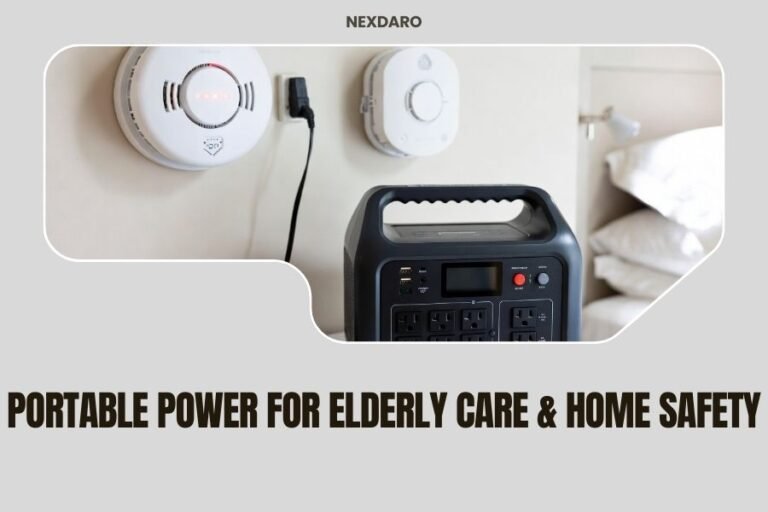
Regular grid-tied solar systems shut off during power outages for safety reasons. Hybrid systems with batteries keep your lights on even when the neighborhood goes dark.
You can choose which circuits to power during outages. Most people prioritize refrigerators, lights, and internet equipment.
Sizing Your Solar Storage System
Getting the right size matters for both performance and budget. Too small and you’ll run out of power. Too big and you waste money on capacity you don’t need.
Start by looking at your nighttime electricity use. Check your electric bill or use a power monitor for a few weeks to get real numbers.
Calculating Your Nighttime Power Needs
Most homes use 15-30 kWh per day total. About 30-40% happens at night when solar panels don’t work. That means you need storage for roughly 5-12 kWh for a typical home.
Essential loads like refrigerators, lights, and internet use much less – maybe 2-4 kWh overnight. Focus on essentials first, then add comfort items if your budget allows.
Planning for Cloudy Days
Solar panels still work on cloudy days, but they make 10-25% of their normal power. Plan for 2-3 days of reduced solar production when sizing your battery system.
I found from weather data research that most areas get enough sun within 3 days to recharge batteries, even during winter months.
Seasonal Variations Matter
Winter days are shorter and often cloudier. Your storage system needs to handle longer nights and less solar charging time. Size batteries for winter conditions, not summer peak performance.
Installation and Maintenance Tips
Battery placement affects performance and safety. Keep them in temperature-controlled areas between 50-80°F if possible. Extreme heat or cold reduces battery life and capacity.
Garages work well in mild climates. Basements stay cool but watch for moisture. Avoid attics – they get too hot in summer.
Professional vs DIY Installation
Electrical work requires permits and inspections in most areas. Many insurance companies want professional installation for warranty coverage. DIY can save money but might create problems later.
Solar generators are different – they’re plug-and-play devices you can set up yourself safely.
Regular Maintenance Requirements
Lithium batteries need almost no maintenance. Check connections once a year and keep them clean. Lead-acid batteries need water refills and terminal cleaning every few months.
Monitor your system’s performance through smartphone apps. Most modern systems send alerts when something needs attention.
Cost Analysis and Payback Time
Battery storage costs $10,000-$20,000 for most homes, including installation. Federal tax credits cover 30% through 2032, and some states offer additional rebates.
Payback time depends on your electricity rates and usage patterns. Areas with expensive electricity and time-of-use billing see faster payback – often 7-12 years.
Financing Options Available
Solar loans, leases, and power purchase agreements can reduce upfront costs. Some companies offer $0-down installation with monthly payments lower than your electric bill savings.
Compare total costs over 20 years, not just monthly payments. Buying usually saves more money long-term than leasing.
| Storage Type | Upfront Cost | Lifespan | Best For |
|---|---|---|---|
| Lithium Battery | $10,000-$15,000 | 10-15 years | Daily use homes |
| Solar Generator | $500-$3,000 | 5-10 years | Backup power, portability |
| Net Metering | $0 extra | 25+ years | Grid-connected homes |
| Lead-Acid Battery | $5,000-$8,000 | 5-7 years | Budget-conscious users |
Common Problems and Solutions
Battery systems sometimes don’t charge fully on short winter days. Adding more solar panels or reducing nighttime power use helps. Smart power management systems can also shift non-essential loads to sunny periods.
Inverter failures happen but they’re usually easy to replace. Keep warranty information handy and buy from companies with good customer service records.
Weather-Related Challenges
Snow can cover solar panels and stop charging completely. Steep roof angles help snow slide off naturally. You can also brush off light snow safely with a roof rake.
Hail rarely damages quality panels, but it happens. Insurance usually covers storm damage to solar equipment.
Future Technology Trends
Battery prices keep dropping while capacity improves. Experts predict costs will fall another 50% over the next 10 years as production scales up globally.
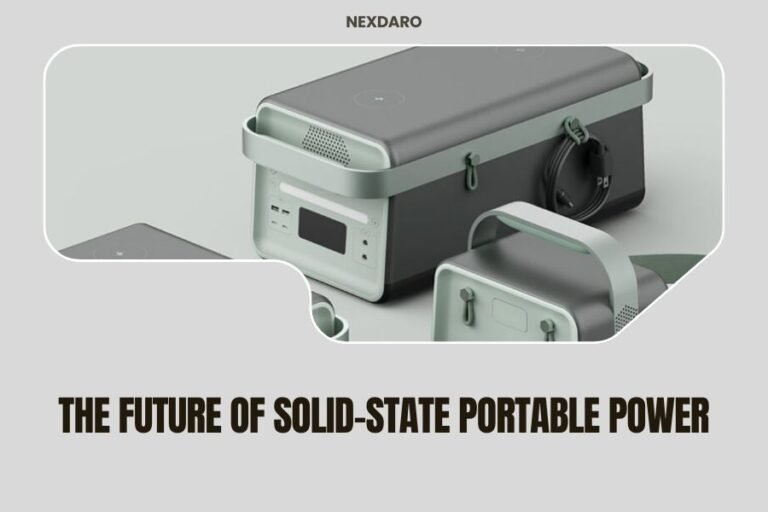
New battery chemistries like solid-state and aluminum-air might replace lithium-ion eventually. They promise better safety and longer life, but they’re still in development.
Smart Home Integration
Future systems will connect with smart appliances, electric cars, and home automation. Your dishwasher might wait to run until solar batteries are full. Your car could share power with your house during outages.
Vehicle-to-home technology turns electric cars into giant backup batteries. That’s like having 75-100 kWh of storage – enough to power most homes for days.
Conclusion
Storing solar energy for night use gives you energy independence and can save money on electric bills. Battery systems work best for daily storage needs, while net metering offers the most cost-effective solution where available. Solar generators provide flexibility and portability for backup power situations.
Start by calculating your nighttime energy needs and researching local utility policies. Consider your budget, installation requirements, and long-term goals. The technology keeps improving and costs keep falling, making solar storage more accessible every year.
Choose the system that fits your situation now, but design it to grow with your needs. Energy storage is becoming as common as solar panels themselves, and for good reason – it makes solar power work around the clock.
How long do solar batteries last at night?
Most home solar batteries provide 8-12 hours of power for essential loads like lights, refrigerators, and electronics. Runtime depends on battery size and how much power you use overnight.
Can I add battery storage to existing solar panels?
Yes, you can add batteries to most existing solar systems with some equipment upgrades. You might need a new inverter or charge controller, but the panels themselves usually work fine with storage systems.
Do solar batteries work during power outages?
Solar batteries provide backup power during outages, but regular grid-tied solar panels shut off for safety. You need a battery system with backup capability and proper electrical setup to keep power flowing during outages.
Is it worth buying solar storage without solar panels?
Battery systems can charge from the grid during off-peak hours and discharge during expensive peak times, but savings are usually small. Solar panels make storage much more cost-effective by providing free daytime charging.
What size battery do I need for my home?
Most homes need 10-20 kWh of storage for essential overnight power, or 30-40 kWh to maintain normal usage patterns. Start with essential loads only and expand later if needed to control costs.