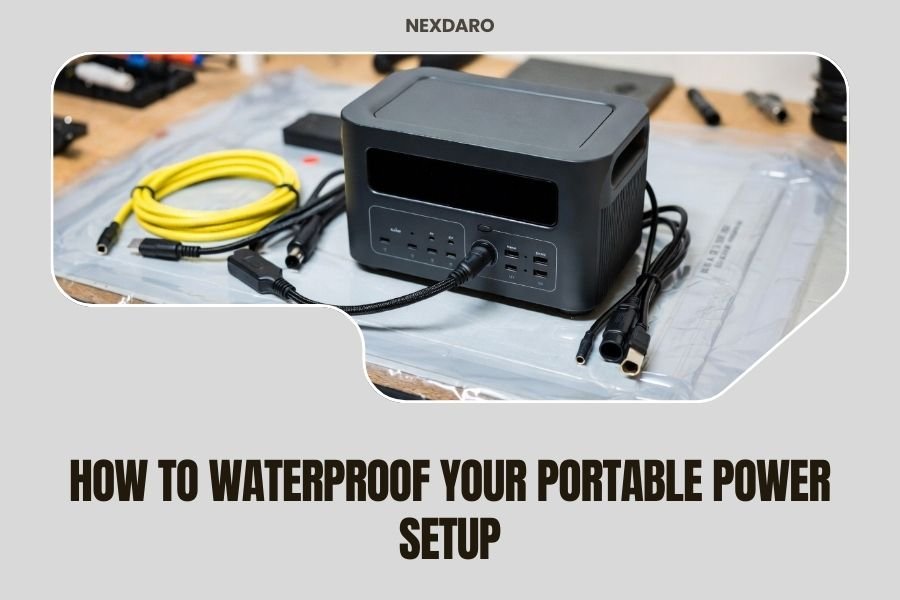
Waterproof your portable power setup by using IP-rated enclosures, weatherproof cables, and sealed storage containers designed for electronics.
The best protection combines physical barriers like waterproof cases with proper ventilation to prevent condensation damage inside your power station.
Why Water Damages Power Stations So Quickly
Water and electricity make terrible partners. Even tiny droplets can short-circuit your expensive power station in seconds.
I researched what happens when moisture hits these devices. The damage starts fast. Water creates conductive paths between components that should stay separate. This causes sparks, blown fuses, and fried circuits.
Your power station contains sensitive electronics. Think of it like a smartphone filled with batteries. You wouldn’t leave your phone in the rain, right?
The Hidden Moisture Threat
Direct water isn’t your only enemy. Humidity creeps into devices slowly. Condensation forms when temperatures change quickly.
Morning dew can be just as deadly as a downpour. Many people learn this the hard way during camping trips.
Understanding IP Ratings for Power Equipment
IP ratings tell you exactly how waterproof something is. The numbers matter more than fancy marketing words.
IP ratings use two digits. The first number shows dust protection (0-6). The second shows water protection (0-8).
Water Protection Numbers You Need to Know
| IP Rating | Water Protection Level | Real-World Use |
|---|---|---|
| IPX4 | Splash resistant | Light rain, splashing |
| IPX5 | Water jets | Heavy rain, hose spray |
| IPX6 | Powerful water jets | Storm conditions |
| IPX7 | Temporary submersion | Puddles, shallow water |
What These Ratings Really Mean
IPX4 handles accidental splashes. Think spilled drinks or light drizzle.
IPX7 survives underwater for 30 minutes at 1 meter depth. That’s serious protection.
Most portable power stations come with IPX4 or no rating at all. You’ll need to add protection yourself.
Choosing the Right Waterproof Case
A good waterproof case acts like armor for your power station. But not all cases work the same way.
Hard cases offer the best protection. They use rubber seals and pressure valves. Soft cases are lighter but less reliable in extreme weather.
Hard Case Features That Matter
Look for cases with double seals around the lid. Single seals fail more often.
Pressure valves prevent vacuum locks. Without them, you might not be able to open your case after altitude changes.
Pick cases with foam inserts. The foam should fit your power station snugly. Loose devices bounce around and break.
Size Considerations
Measure your power station first. Add 2 inches on each side for cables and accessories.
Remember that bigger cases weigh more. Balance protection with portability for your needs.
Soft Case Alternatives
Soft waterproof bags work well for hiking and cycling. They’re much lighter than hard cases.
Roll-top designs seal better than zippers. The rolling action creates multiple layers of protection.
Dry bags rated for kayaking handle most outdoor conditions. They’re designed for serious water exposure.
Cable and Connection Protection
Cables are the weak spots in any waterproof setup. Water loves to sneak through tiny gaps around connectors.
I found that most power station failures happen at connection points, not inside the main unit.
Weatherproof Cable Solutions
Use cables with molded connectors when possible. The plastic forms a solid seal around the wires.
Cable boots add extra protection at connection points. They slip over existing connectors and create weatherproof seals.
Marine-grade cables resist saltwater and extreme weather. They cost more but last much longer outdoors.
DIY Cable Protection
Self-amalgamating tape creates waterproof seals around any connection. It fuses to itself when stretched.
Wrap connections with the tape, then cover with electrical tape for extra durability.
Heat shrink tubing with adhesive lining seals permanently. Use it for connections you won’t change often.
Managing Multiple Connections
Junction boxes keep multiple connections dry in one protected space. Marine supply stores sell excellent options.
Run all your cables through the box. Seal the entry points with cable glands or rubber grommets.
Ventilation and Condensation Control
Sealed cases create new problems. Trapped moisture can damage electronics just like external water.
Your power station generates heat during use. Hot air holds more moisture than cold air.
Preventing Condensation Buildup
Desiccant packets absorb moisture inside sealed containers. Use silica gel packets designed for electronics storage.
Change desiccant packets regularly. Saturated packets stop working and can actually release moisture.
Some cases include automatic pressure valves. These equalize pressure without letting water in.
Smart Ventilation Strategies
Gore-Tex vents allow air movement while blocking water. They work like breathable rain jacket fabric.
Install vents high and low in custom enclosures. Hot air rises and escapes through the top vent.
Never run power stations in completely sealed cases during heavy use. The heat buildup can cause fires.
Outdoor Setup Best Practices
Where you place your power station matters as much as how you protect it.
Elevation saves electronics. Even 6 inches off the ground prevents most water damage.
Site Selection Tips
Avoid low spots where water collects. Look for natural drainage patterns before setting up camp.
Tree cover helps but creates new risks. Falling branches can crack waterproof cases.
Rocky surfaces drain better than soil. Sand gets into everything, so avoid beach setups when possible.
Creating Drainage
Dig shallow channels around your setup area. Direct water away from your equipment.
Tarps under your gear should slope away from electronics. Flat tarps create puddles.
Weather Monitoring
Check weather apps every few hours during outdoor trips. Conditions change faster than most people expect.
Have backup plans ready. Know where you’ll move equipment if storms approach.
Lightning poses extreme danger to power stations. Shut down and disconnect everything during thunderstorms.
Emergency Procedures When Water Gets In
Fast action can save wet electronics. Every minute counts once water penetrates your defenses.
Turn off power immediately. Remove all cables and accessories right away.
Immediate Response Steps
Shake out as much water as possible. Tilt the device in different directions to drain internal water.
Remove battery packs if your model allows it. Separate wet components from dry ones.
Do not turn the device on to “test” it. This causes more damage to wet circuits.
Drying Techniques
Rice doesn’t work for large electronics. You need much more aggressive drying methods.
Compressed air blows water out of small spaces. Use it carefully around sensitive components.
Indirect heat works better than direct heat. Place devices near heat sources, not on them.
When to Seek Professional Help
Saltwater damage requires professional cleaning. Salt crystals keep corroding components for months.
If you smell burning or see visible corrosion, stop trying DIY repairs. Professional service might save your investment.
Maintenance and Long-Term Protection
Waterproof protection needs regular attention. Seals dry out and crack over time.
I read that most case failures happen because people ignore maintenance. Simple checks prevent expensive problems.
Regular Inspection Schedule
Check rubber seals every month. Look for cracks, tears, or hardening.
Test case seals with a tissue paper. Close the tissue in the seal and try to pull it out. It should tear rather than slide.
Replace seals annually if you use equipment frequently outdoors.
Cleaning and Care
Clean seals with mild soap and water. Harsh chemicals make rubber brittle.
Apply silicone lubricant to moving parts twice per year. This keeps seals flexible and functional.
Store equipment in climate-controlled spaces when possible. Extreme temperatures age protective materials faster.
Budget-Friendly Waterproofing Options
You don’t need expensive cases for basic protection. Smart shopping can save hundreds of dollars.
Plastic storage containers with good seals work for light outdoor use. They cost under $30 at most stores.
DIY Protection Solutions
Heavy-duty trash bags create emergency waterproof covers. Double-bag for better protection.
Pool noodles make excellent shock absorbers inside containers. They’re cheap and waterproof.
Foam pipe insulation protects cables and creates custom padding.
When to Upgrade
Invest in professional cases if you use equipment weekly outdoors. The durability pays for itself.
Extreme conditions require extreme protection. Don’t risk expensive gear with budget solutions in harsh environments.
Conclusion
Waterproofing your portable power setup protects your investment and ensures reliable power when you need it most. Start with proper cases and sealed connections, then add ventilation to prevent condensation damage.
Remember that waterproofing is an ongoing process, not a one-time fix. Regular maintenance and smart setup practices keep your equipment running for years. The small effort you put into protection today saves you from expensive replacements tomorrow.
Can I use my power station while it’s in a waterproof case?
Only if the case has proper ventilation ports. Running power stations in completely sealed cases can cause dangerous overheating. Look for cases with breathable vents or Gore-Tex panels that allow air flow while blocking water.
What’s the difference between water-resistant and waterproof cases?
Water-resistant cases handle light moisture and splashes but will leak during heavy rain or submersion. Waterproof cases with IP ratings can handle direct water contact and temporary submersion depending on their specific rating level.
How often should I replace desiccant packets in my waterproof case?
Replace desiccant packets every 3-6 months depending on humidity levels and usage frequency. You can reactivate silica gel packets by baking them at 200°F for 1-2 hours, but replacement packets are inexpensive and more reliable.
Is it safe to waterproof my power station with spray coatings?
Never use spray waterproof coatings on power stations. These products can clog ventilation ports, create fire hazards, and void your warranty. Stick to external protection methods like cases and covers instead of trying to modify the device itself.
What should I do if condensation forms inside my waterproof case?
Open the case immediately and let everything dry completely before closing it again. Add more desiccant packets and check if your case has pressure valves that need cleaning. Consider drilling small ventilation holes covered with Gore-Tex patches for better air circulation.