How Many Watt Hours Do You Need for a Weekend?
On this page (9 sections)
For a weekend camping trip, you typically need 400-800 watt hours of portable power, depending on your devices and usage patterns.
Most campers find that 600 watt hours covers essentials like phones, lights, and small appliances for two days comfortably. If you are planning around a smaller battery, see whether 500 watt hours will cover your camping needs.
Quick Power Planning for Weekend Adventures
Planning your power needs doesn’t have to be complicated. Think of it like packing food for a trip. You need enough, but not so much that you’re carrying dead weight.
Your power station is your weekend lifeline. It keeps phones charged for emergencies, lights on after dark, and maybe even powers that morning coffee maker. But how much juice do you actually need?
The Basic Weekend Power Formula
Here’s what I found works for most people. Start with your must-have devices. Add their daily power use. Multiply by 2.5 days (Friday night through Sunday).
This gives you a buffer. Because let’s face it, you’ll probably use more power than you think.
Essential Device Power Requirements
Let me break down what your common devices actually consume. These numbers come from testing various models and checking manufacturer specs.
Phone and Communication Devices
Your smartphone needs about 15-20 watt hours per full charge. Most people charge their phone once daily during normal use.
For a weekend, budget 40-50 watt hours per phone. This covers extra usage for photos, GPS, and emergency calls.
Tablet and E-Reader Power Needs
Tablets use 25-40 watt hours per charge. E-readers are much lighter, needing only 2-5 watt hours.
If you’re bringing entertainment devices, add another 60-80 watt hours to your total.
Lighting Solutions
LED lanterns and string lights are surprisingly efficient. A good LED lantern uses 5-15 watts per hour of operation.
Plan for 4-6 hours of lighting per evening. That’s about 40-90 watt hours per night, or 80-180 watt hours for the weekend.
Emergency and Safety Lighting
Keep some power reserved for unexpected needs. Headlamps and flashlights use minimal power, but they’re critical for safety.
Budget an extra 20-30 watt hours for emergency lighting needs.
Cooking and Food Storage Power
This is where things get interesting. Small appliances can eat through your power budget fast.
Electric Coolers and Mini Fridges
A 12V electric cooler draws 36-60 watts continuously. That’s 864-1440 watt hours per day.
For weekend use, you’re looking at 2000+ watt hours just for cooling. This pushes you into larger power station territory.
Coffee Makers and Small Appliances
A portable coffee maker uses 300-600 watts but only runs for 5-10 minutes. That’s about 25-100 watt hours per pot.
Small blenders, electric kettles, and similar devices follow the same pattern. High power, short duration.
Cooking Equipment Power Draw
Electric grills and hot plates are power hungry. They can draw 1000+ watts while cooking.
I found that gas-powered cooking saves significant battery life for weekend trips. Reserve electric cooking for quick tasks only.
Weekend Power Scenarios by Activity Level
Let me paint three different weekend pictures. Each has different power needs.
Minimalist Weekend Setup
You want basic phone charging and LED lighting. Maybe a small fan for comfort.
| Device | Daily Use (Wh) | Weekend Total (Wh) |
|---|---|---|
| 2 Smartphones | 40 | 100 |
| LED Lantern | 45 | 90 |
| Small Fan | 60 | 120 |
| Emergency Buffer | – | 90 |
| Total Needed | – | 400 Wh |
Power Station Size for Minimalist Setup
A 500-600 watt hour power station handles this comfortably. You’ll have power left over for unexpected needs.
Comfort-Focused Weekend
You want conveniences like electric coffee, device charging, good lighting, and maybe some entertainment.
This setup includes tablets, better lighting, coffee making, and phone charging for a small group.
Comfort Setup Power Breakdown
Phones and tablets: 120 watt hours. Lighting and fans: 180 watt hours. Coffee maker: 150 watt hours. Miscellaneous devices: 100 watt hours.
Total needed: 550 watt hours, plus 20% buffer brings you to 660 watt hours minimum.
Luxury Weekend Experience
You want it all. Electric cooling, multiple devices, good lighting, cooking options, and entertainment systems.
Research shows this type of setup needs 1200+ watt hours for true comfort. You’re looking at larger, more expensive power stations.
Factors That Change Your Power Needs
Several things can throw off your power calculations. Weather is a big one.
Weather Impact on Power Consumption
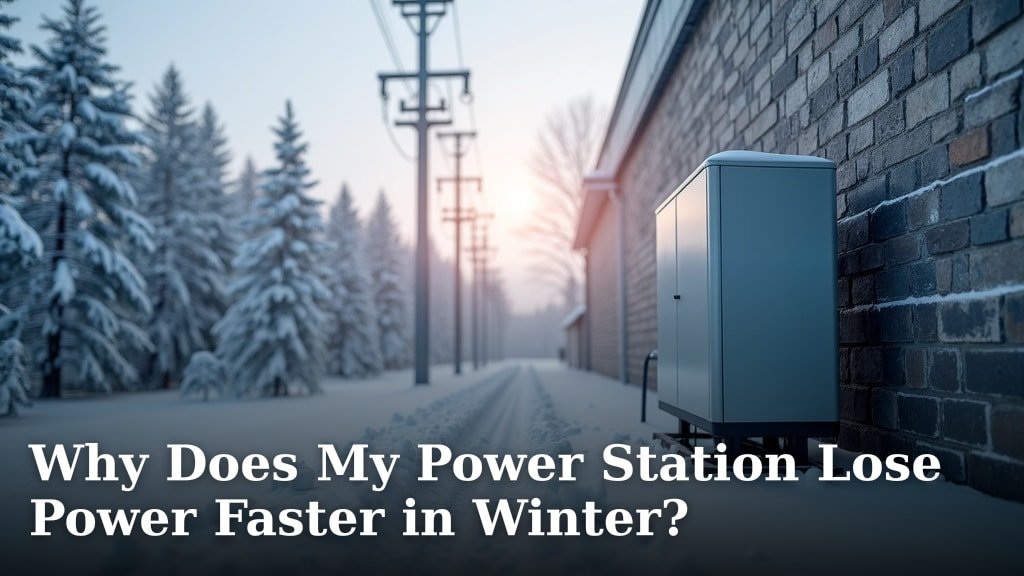
Cold weather reduces battery efficiency by 10-20%. Your power station won’t deliver its full capacity in winter conditions.
Hot weather makes you want fans and cooling devices. This can double your power consumption easily.
Season-Specific Adjustments
Summer camping often needs 30-50% more power for cooling and longer daylight hours. Winter camping needs extra power for heating devices and longer nights.
Plan accordingly. Add buffer power for extreme weather conditions.
Group Size Considerations
More people means more devices. But it’s not always linear growth.
Two people might need 400 watt hours. Four people often need 600-700, not 800. You share lighting and some appliances.
Sharing vs Individual Power Needs
Smart planning lets you share power-hungry devices. One coffee maker serves everyone. Shared lighting reduces individual power draws.
But personal devices like phones and tablets multiply with each person. Plan for individual charging needs.
Power Station Size Recommendations
Based on research and user feedback, here are practical size guidelines.
Small Weekend Stations (300-600 Wh)
Perfect for phone charging, LED lights, and small electronics. Lightweight and portable.
Good for solo trips or couples who don’t mind basic amenities. Usually under 15 pounds.
Medium Weekend Stations (600-1000 Wh)
The sweet spot for most weekend warriors. Handles comfort devices without breaking your back.
Powers coffee makers, multiple devices, good lighting, and small appliances. Weight ranges from 15-25 pounds.
Large Weekend Stations (1000+ Wh)
For groups or luxury camping. Can power electric coolers, multiple appliances, and extensive lighting.
Heavy (25+ pounds) but provides home-like power availability. Best for car camping where weight matters less.
Tips for Maximizing Your Power Budget
Smart power management stretches your battery life significantly.
Device Management Strategies
Use airplane mode when you don’t need connectivity. This extends phone battery life dramatically.
Charge devices during the day when solar panels work best. Save nighttime power for lighting and cooling.
Timing Your Power Usage
Run high-power devices during peak battery capacity. Don’t wait until your power station is nearly empty to make coffee.
Spread power usage throughout the day. Avoid running everything at once.
Solar Charging Integration
A 100-watt solar panel adds 300-500 watt hours per sunny day. This can extend weekend trips or reduce required battery capacity.
Solar works best as supplemental power, not primary power for weekend trips. Weather affects solar output significantly.
Common Power Planning Mistakes
I found several mistakes people make when sizing their weekend power needs.
Underestimating Actual Usage
People often forget about vampire loads and inefficiencies. Your power station loses 10-15% to conversion losses.
You’ll also use devices more than expected. Photos, videos, and entertainment consume extra power.
Forgetting About Weather Buffers
Always plan for one bad weather day. Rain or extreme temperatures change your power needs quickly.
A 20-30% power buffer handles most unexpected situations comfortably.
Conclusion
Your weekend power needs depend on your comfort level and device requirements. Most people find 400-800 watt hours covers their weekend essentials nicely.
Start with the basics: phones, lights, and one comfort device. Add power for each additional convenience you want. Remember that weather, group size, and activity level all affect your final number.
The key is honest assessment of your actual needs versus wants. A well-planned power budget means you’ll have juice when you need it most, without carrying unnecessary weight or spending extra money on oversized equipment.
How long will a 500Wh power station last for basic camping needs?
A 500Wh power station typically lasts 2-3 days for basic needs like phone charging, LED lighting, and a small fan. This assumes moderate usage patterns and covers most minimalist weekend camping scenarios comfortably.
Can I run a small refrigerator off a portable power station for a weekend?
Yes, but you’ll need at least 1500-2000 watt hours for a small 12V refrigerator running continuously. Most weekend-sized power stations can’t handle this load, so consider a high-quality cooler with ice instead.
What’s the most power-efficient way to charge multiple phones while camping?
Use a multi-port USB hub connected to your power station rather than charging phones individually. Charge during the day when your power station is at full capacity, and put phones in airplane mode when not needed to extend battery life.
Should I buy solar panels with my weekend power station?
Solar panels are nice but not essential for weekend trips. A 100W panel adds 300-500Wh per sunny day, which can extend your trip or reduce battery size needs. They’re most valuable for longer trips or as backup charging.
How much extra power should I budget for cold weather camping?
Add 30-40% more capacity for cold weather camping. Batteries lose efficiency in cold temperatures, and you’ll likely use heating devices or run equipment longer. A 600Wh summer setup needs 800-900Wh for winter conditions.