Laptop Charger Wattage: Power Station Run Times
Laptop charger wattage determines how long your power station will run your laptop, typically ranging from 3-15 hours depending on your laptop’s power draw and station capacity. A 65W laptop…


Laptop charger wattage determines how long your power station will run your laptop, typically ranging from 3-15 hours depending on your laptop’s power draw and station capacity. A 65W laptop…

Your portable power station’s total wattage limits determine how many devices you can charge simultaneously without overloading the system. Exceeding these charging multiple devices total wattage limits can damage your…

Battery sizing for medical devices and CPAPs requires calculating your device’s power consumption and multiplying by backup hours needed. Most CPAP machines use 30-60 watts per hour, so an 8-hour…

Starlink requires 75-100 watts during operation and up to 150 watts during startup, meaning a 500Wh power station can run it for 5-7 hours continuously. Your power station choice depends…

Yes, you can run an AC on a portable power station, but only small window units or personal coolers. Most portable power stations can’t handle central air conditioning systems. The…

Charging cycles directly impact your portable power station’s battery health, with most lithium batteries lasting 500-2000 cycles before capacity drops to 80% of original performance. Understanding the relationship between charging…

A power station contains five main parts: the battery cells, inverter, charge controller, battery management system, and input/output ports that work together to store and deliver electricity. Understanding these key…
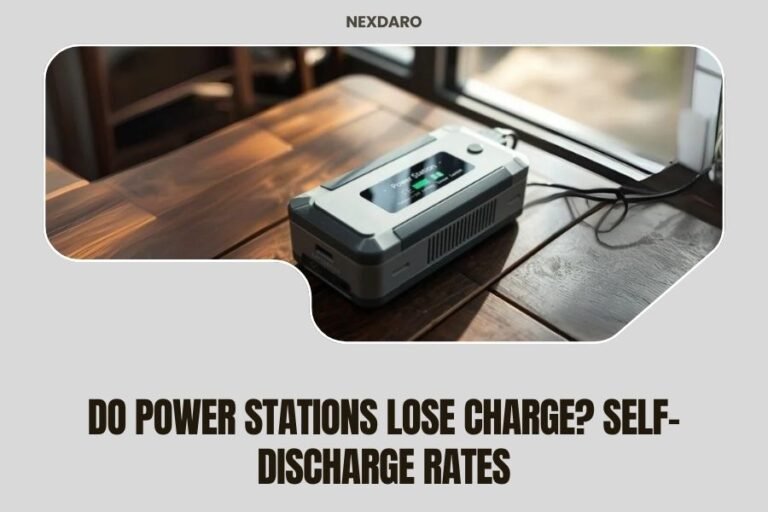
Yes, power stations do lose charge over time through self-discharge, typically losing 3-5% per month when not in use. The self-discharge rate varies by battery chemistry, with lithium-ion power stations…
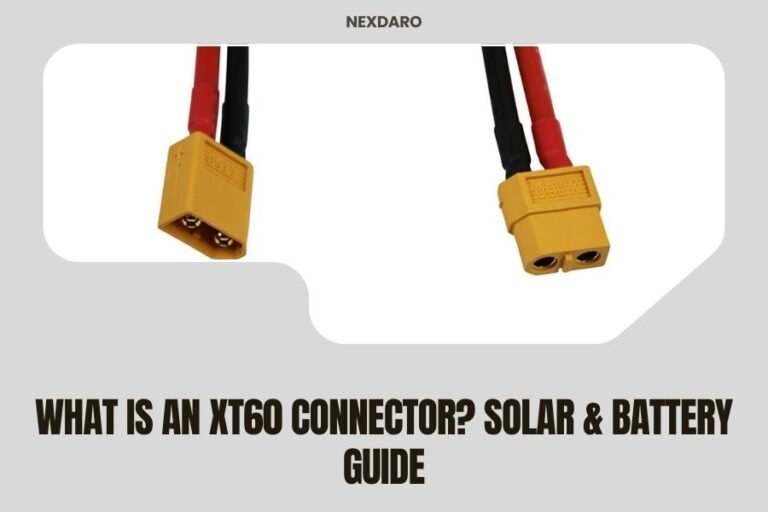
An XT60 connector is a yellow, polarized electrical connector commonly used in RC hobby applications, solar systems, and portable power stations to handle high-current connections up to 60 amps continuously….
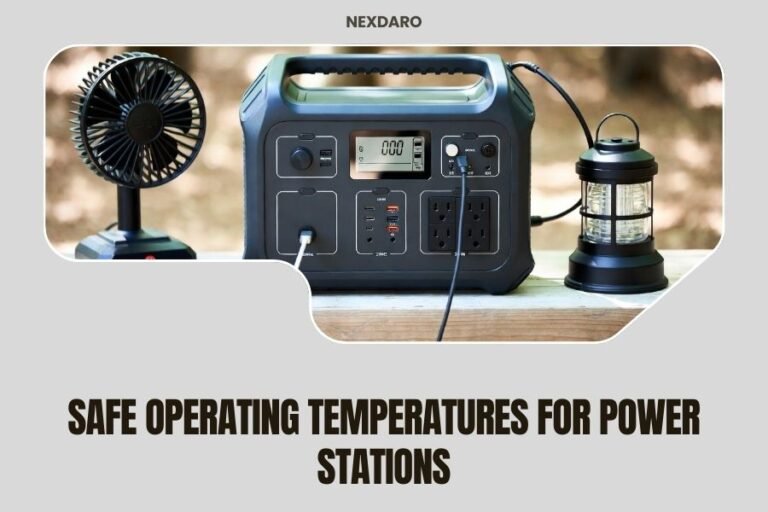
Most power stations operate safely between 32°F and 104°F (0°C to 40°C), with optimal performance around room temperature. Operating your power station outside safe temperature ranges can damage the battery,…