To charge a portable power station faster, focus on its input wattage and charging technology.
Boosting Your Power Station’s Charging Speed
You want your portable power station to charge up quickly, right? We all do. The secret lies in understanding how these devices convert and store electricity. Think of it like filling a water bucket – you can use a small trickle or a strong hose. We’re looking for the strongest hose!
The fastest way to charge your power station is to maximize its input wattage. This means sending it as much power as it can safely handle. We’ll explore several methods to achieve this, from your wall outlet to the sun.
Understanding Input Wattage and Charging Ports
Every portable power station has a limit to how much power it can accept. This is called its input wattage. You’ll find this number listed in your device’s specifications. It’s a critical figure for faster charging.
Look at your power station’s charging ports. Most will have several options. The type and number of ports tell you a lot about its charging capabilities. More ports often mean more flexibility and potentially faster charging.
AC Wall Charging: Your Go-To Option
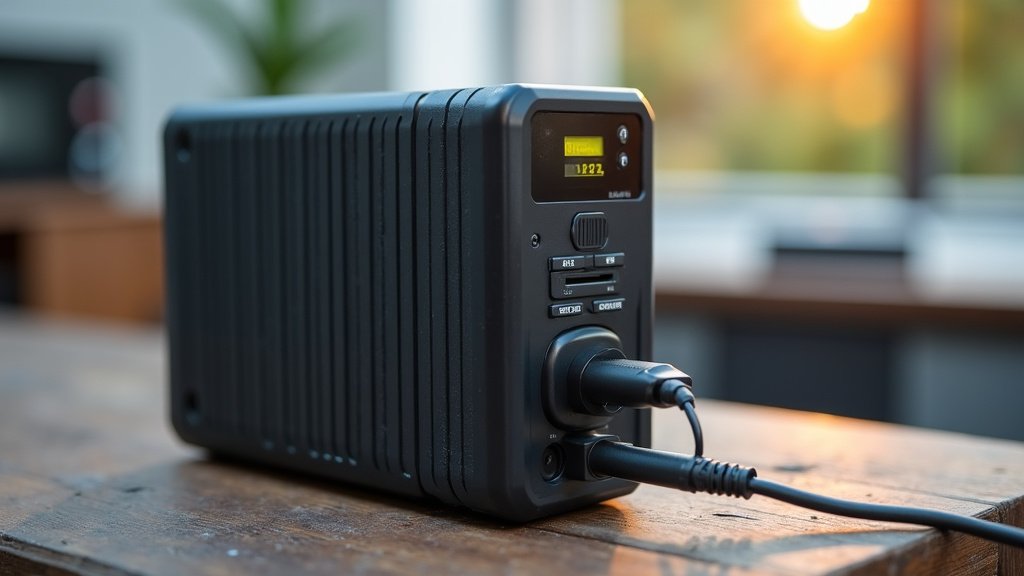
When you plug your power station into a standard wall outlet, you’re using AC wall charging. This is usually the simplest and most common method. Your power station comes with a dedicated AC adapter. Using the correct adapter is vital for safety and speed.
Many modern power stations feature fast-charging technology through their AC input. This can significantly cut down charging times. We found that some brands offer adapters that provide higher wattage than standard ones, often sold separately.
Dual Charging: Doubling Your Power
What if you could plug in two “hoses” at once? Some advanced power stations allow for dual charging. This means you can use two different input sources simultaneously. For example, you might combine AC wall charging with solar input.
Combining input sources can dramatically reduce the total charging time. Always check your power station’s manual to see if it supports this feature. It’s a powerful way to accelerate the process.
Leveraging Solar Power for Quicker Recharges
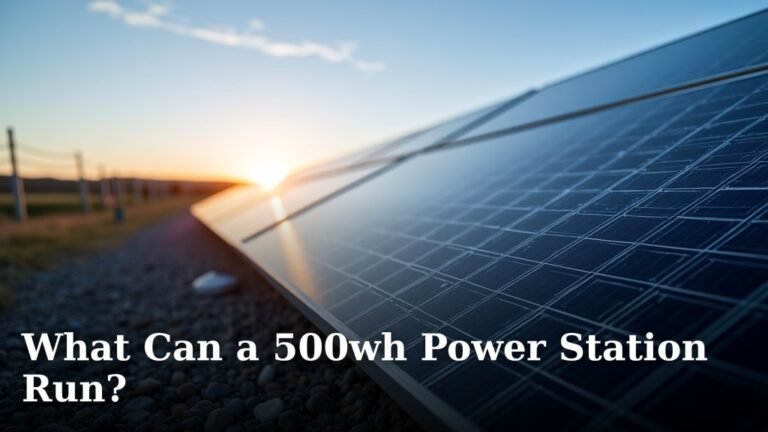
Solar panels offer a fantastic, eco-friendly way to charge your power station. While often slower than AC, you can optimize your setup for speed. The key is to maximize the solar input wattage.
The amount of power your panels generate depends on several factors. Sunlight intensity, panel angle, and even temperature play a role. We found that efficiency can vary widely based on these conditions.
Choosing the Right Solar Panels
Not all solar panels are created equal. For faster charging, you’ll want panels with a higher wattage output. Check your power station’s maximum solar input. You shouldn’t exceed this limit. Matching your panels to your power station’s capacity is important.
Look for panels designed for portable power stations. These often have the correct connectors and voltage. Connecting panels in series or parallel can also increase your total wattage, but you need to understand the specifics (National Renewable Energy Laboratory).
Optimizing Solar Panel Placement
Even the best solar panels won’t charge fast if they’re not positioned correctly. Angle your panels directly towards the sun. We found that even a slight adjustment can make a big difference. Think about the sun’s path throughout the day.
Avoid any shadows falling on your panels. Even a small shadow can reduce the entire panel’s efficiency. Regular cleaning of your panels also helps maintain peak performance.
Using Your Car’s 12V Outlet for On-the-Go Charging
Your car’s 12V outlet, often called a cigarette lighter port, can charge your power station. This is super convenient when you’re on the road. However, it’s generally a slower charging method compared to AC.
The output from these ports is usually limited. Think of it as a steady trickle rather than a gush. It’s best for topping off your power station or providing a slow charge over many hours.
- Ensure your car’s engine is running to avoid draining your car battery.
- Use the correct car charger adapter provided with your power station.
- Understand that charging times will be longer than wall charging.
Factors That Slow Down Charging
Sometimes, it’s not about making it faster, but preventing it from being slower. Several factors can hinder your power station’s charging speed. Knowing these can help you avoid common pitfalls.
Temperature Extremes
Extreme temperatures, both hot and cold, can affect battery performance. Lithium-ion batteries, common in power stations, don’t like to charge in very cold or very hot conditions. We found that most manufacturers recommend charging within a specific temperature range, usually between 32°F and 104°F (0°C and 40°C).
Charging outside this range can slow down the process and even reduce your battery’s lifespan over time. Keep your power station in a comfortable environment while it’s charging.
Using the Power Station While Charging
Are you trying to charge your power station while also running multiple devices from it? This is called pass-through charging. While many power stations support this, it can definitely slow down the charging process.
If you’re using power faster than it’s coming in, you’re not gaining a charge. For the fastest charge, it’s best to unplug all output devices. Let your power station focus solely on getting juice.
Quick Checklist for Faster Charging
Ready to supercharge your charging routine? Here’s a quick checklist to guide you:
- Use the highest wattage AC adapter your power station allows.
- Explore dual charging options if your unit supports them.
- Invest in higher wattage solar panels and position them perfectly.
- Avoid extreme temperatures during the charging process.
- Unplug all devices from the power station while it’s charging for maximum speed.
- Regularly check your charging cables and ports for any damage.
When to Upgrade for Speed
Sometimes, no matter what you do, an older or smaller power station just won’t charge as fast as you need. If you’ve tried all the optimization tips and still find yourself waiting too long, it might be time to consider an upgrade.
Newer power stations often come with advanced charging technologies. These include larger input capacities and more efficient battery management systems. They are designed from the ground up to charge quickly.
| Charging Method | Typical Speed | Best Use Case | Pros | Cons |
|---|---|---|---|---|
| AC Wall Outlet | Fast to Very Fast | Home, Garage, RV Park | Reliable, most common, fast | Requires grid power |
| Solar Panels | Moderate to Fast | Off-grid, camping, emergencies | Eco-friendly, silent, renewable | Weather dependent, setup time |
| Car 12V Outlet | Slow | On-the-road top-ups | Convenient for travel | Very slow, drains car battery if engine off |
| Generator | Fast (via AC output) | Large power needs, long outages | Powerful, reliable backup | Noisy, fuel needed, emissions |
Conclusion
Getting your portable power station charged up quickly boils down to understanding its input limits and optimizing your charging methods. By prioritizing high-wattage AC adapters, exploring dual charging, and smartly positioning your solar panels, you can dramatically cut down on waiting times. Remember to also avoid common pitfalls like extreme temperatures or pass-through charging when speed is your main goal.
Take these tips and apply them to your setup. You’ll spend less time waiting and more time powering your adventures. What’s one change you can make today to speed up your charge?
Frequently Asked Questions
Can I use any solar panel with my portable power station?
No, you can’t use just any solar panel. You need to ensure the panel’s voltage and connector type are compatible with your power station. Always check your power station’s specifications for its maximum solar input voltage and wattage to avoid damage.
Does charging speed decrease as the battery gets fuller?
Yes, often it does. Most portable power stations employ a smart charging process that slows down as the battery approaches full capacity. This helps protect the battery and prolong its overall lifespan.
Is it better to fully discharge my power station before recharging for faster speeds?
No, for modern lithium-ion batteries, it’s generally not necessary or recommended to fully discharge them. Partial discharges and recharges are often better for battery longevity. This practice doesn’t usually impact charging speed.
How can I tell if my AC adapter is fast charging?
Look at the output wattage listed on your AC adapter. A higher wattage, especially compared to the standard adapter that came with your unit, usually indicates faster charging. Some adapters will also explicitly state “fast charging” or “rapid charge.”
Will a thicker charging cable make my power station charge faster?
While a poor-quality or damaged cable can slow charging, simply using a thicker cable won’t magically increase the charging speed beyond what your power station and power source can provide. Always use the manufacturer-recommended cables for optimal performance and safety.