Can You Add Solar Panels to Any Portable Power Station?
On this page (3 sections)
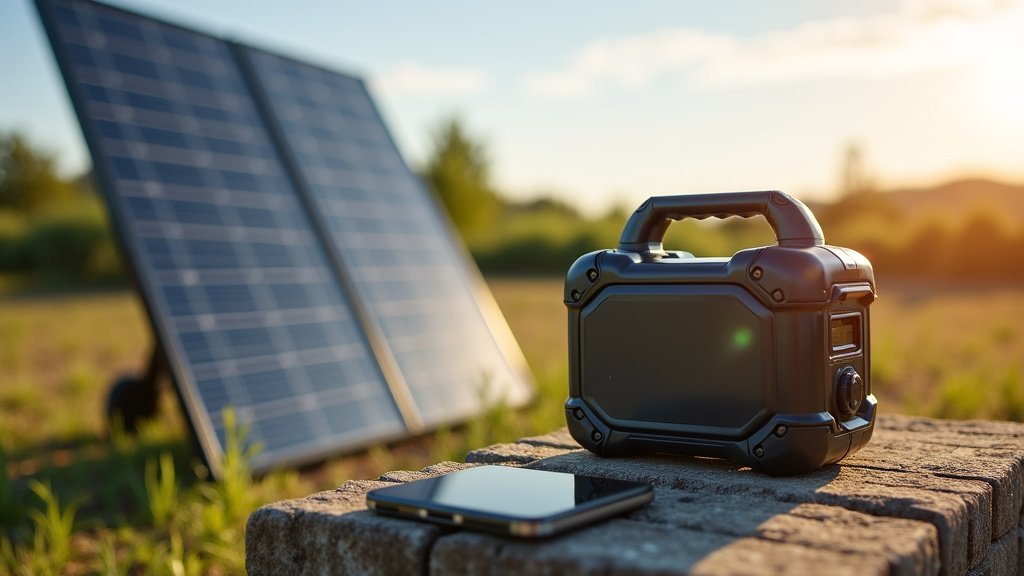
Yes, you can absolutely add solar panels to many portable power stations. Most modern portable power stations are designed with solar charging in mind. You just need to match the right panel to your station for the best results.
Connecting solar panels allows you to recharge your power station off-grid. This is super handy for camping, RV trips, or just having backup power. It extends your runtime and makes your power station much more versatile.
- Most portable power stations can accept solar input.
- Matching panel voltage and connector type is key.
- Solar charging makes your power station much more useful.
- Look for a power station with a built-in MPPT controller.
Let’s dive into how you can choose and connect solar panels to your portable power station, ensuring you always have power when you need it.
Connecting Solar Panels to Your Portable Power Station
Yes, you can power up most portable power stations with solar panels! It’s a fantastic way to stay charged when you’re away from the grid.
Think of it like this: your portable power station is a big battery. Solar panels are its charging buddy, using sunlight to refill that battery.
The magic happens when you pair the right panels with your specific power station. Let’s make sure you get it right.
Understanding Compatibility: The Key to Solar Charging
Not all solar panels work with all power stations. It’s like trying to put diesel in a gasoline car – it just won’t work (and could cause damage!).
You need to check a few things to ensure a happy, efficient connection. This keeps your gear safe and charging effectively.
Voltage (V): The Electrical Pressure
Your power station needs a certain voltage input. Solar panels also have a voltage output. These need to match up, or at least be within an acceptable range.
Most portable power stations like 12V or 24V solar panels. Check your power station’s manual for its specific input voltage range. Too high, and you could damage the unit. Too low, and it won’t charge efficiently.
Wattage (W): How Much Power It Delivers
This is about how fast your power station charges. Higher wattage panels charge faster, given good sunlight. But don’t just grab the biggest panel!
Your power station has a maximum solar input wattage. If you connect panels that exceed this, the power station will only accept its maximum. The extra wattage from the panels simply goes unused.
Connector Types: Making the Physical Connection
This is where the physical connection happens. The most common connector for solar panels is the MC4 connector. Many power stations come with an MC4 to DC adapter cable.
Other power stations might use different connectors like Anderson Powerpole, 8mm DC barrel, or even USB-C PD. Always verify what your power station uses and ensure your panels (or an adapter) match.
Types of Solar Panels for Portable Power Stations
When you’re looking for solar panels, you’ll generally find two main types that pair well with portable power stations.
Each type has its own pros and cons, depending on your needs and how you plan to use them.
Foldable/Portable Solar Panels
These are super popular for camping and RV trips. They are lightweight and fold up for easy transport. You can set them up quickly almost anywhere.
They often come with built-in stands, making it easy to angle them towards the sun. Their ease of use is a big selling point for most users.
Rigid Solar Panels
These are more like traditional rooftop solar panels. They are heavier and more durable, often used for more permanent setups like on an RV roof or cabin.
While less portable, they can offer higher efficiency and longer lifespan. You can also chain several together for more power if your station allows it.
The Role of an MPPT Charge Controller
This is a crucial component for efficient solar charging. Many modern portable power stations have one built-in.
The Maximum Power Point Tracking (MPPT) controller optimizes the power coming from your solar panels. It adjusts the voltage and current to get the most power out of your panels, even in changing light conditions.
Without an MPPT controller (or with a less efficient PWM controller), you might lose a significant amount of potential charging power. Always check if your power station has MPPT for the best performance.
How to Choose the Right Solar Panel for Your Power Station
Making the best choice doesn’t have to be complicated. Just follow these steps to find your perfect match.
We’ve found that a little planning upfront saves a lot of headaches later on (Consumer Reports).
-
Check Your Power Station’s Input Specs: Look at the manual or product page for:
- Maximum solar input wattage (e.g., 200W, 500W).
- Input voltage range (e.g., 12-60V DC).
- Input port type (e.g., MC4, 8mm DC, Anderson).
-
Match Voltage First: Ensure the solar panel’s open-circuit voltage (Voc) falls within your power station’s acceptable range. If it’s too high, you risk damage. If it’s too low, it won’t charge.
-
Match Wattage (or Go Slightly Higher): Choose panels that meet or slightly exceed your power station’s maximum input. For example, if your station takes 200W, a 200W or 250W panel would work. The station will only draw what it can handle.
-
Verify Connectors: Make sure the panel’s connectors are compatible with your power station. If not, you’ll need an adapter cable.
-
Consider Portability: If you’re often on the go, foldable panels are probably best. For more static setups, rigid panels might offer better value.
Setting Up Your Solar Panels: A Simple Checklist
Once you have your panels, setting them up is usually quick and easy. Think of it as plugging in a lamp, but with sunlight.
Here’s a quick guide to getting started with your solar charging setup:
- Find a Sunny Spot: Look for an area with direct, unobstructed sunlight.
- Angle for Max Sun: Position your panels to face the sun directly.
- Connect Cables: Plug your solar panel cable into your power station’s solar input port.
- Monitor Charging: Check your power station’s display for charging status and input wattage.
- Adjust as Needed: Re-angle panels every few hours as the sun moves for optimal charge.
Troubleshooting Common Solar Charging Issues
Sometimes things don’t work as expected. Don’t worry, most solar charging problems are easy to fix.
It’s usually something simple, like a loose connection or a shady spot.
No Charge or Slow Charge
Is your power station not charging, or charging very slowly? Here are some quick checks:
- Is it cloudy? Solar panels need direct sunlight to perform well. Cloudy days significantly reduce output.
- Are the panels shaded? Even a small shadow from a tree branch or building can drastically reduce efficiency.
- Are the connections secure? Double-check all cables and adapters are firmly plugged in.
- Is the panel dirty? Dust, dirt, or debris on the panel surface can block sunlight. Give it a gentle wipe.
- Is the voltage correct? Reconfirm your panel’s voltage and your power station’s input range.
Maximizing Your Solar Charging Efficiency
Getting the most out of your solar panels means a faster, more reliable charge for your power station.
Think about how you can give your panels the best chance to soak up those rays.
| Tip for Efficiency | Why It Helps |
|---|---|
| Angle your panels directly at the sun. | Direct sunlight delivers the most energy to the panel surface. |
| Keep panels clean. | Dirt blocks sunlight, reducing power output. |
| Avoid shade at all costs. | Even partial shade can severely impact entire panel performance. |
| Use thick, short cables. | Reduces power loss through resistance in the wires. |
| Monitor charging frequently. | Helps you adjust for sun movement and spot issues early. |
When Solar Charging Might Not Be Enough
While solar is amazing, it’s not always a magic bullet. It depends heavily on sunlight.
If you’re in an area with prolonged cloudy weather, or need very rapid charging, you might need a backup plan.
Having a wall charger or even a car charger is always a good idea for those times the sun just isn’t cooperating.
Final Thoughts on Solar Power Station Integration
Adding solar panels to your portable power station is a smart move. It transforms your power station into a truly off-grid solution. Imagine the freedom!
With the right panels and a little understanding of compatibility, you can keep your devices charged wherever your adventures take you. Happy solar charging!
Conclusion
You now know that adding solar panels to your portable power station is a smart choice for staying powered up. Matching the right voltage, wattage, and connectors ensures a safe and efficient setup. Remember to prioritize a power station with a built-in MPPT controller for the best charging performance.
By understanding these key factors, you can confidently choose the perfect solar panels for your needs. This makes your power station much more versatile, giving you energy independence wherever you go. Take these steps to enhance your off-grid power experience today.
Frequently Asked Questions
Do I need a separate charge controller if my power station has one?
No, you generally do not. If your portable power station has a built-in MPPT (Maximum Power Point Tracking) charge controller, that’s all you need. Connecting an external one in series could cause issues or reduce efficiency.
Can I use car battery charging panels with my power station?
It depends on the panel and your power station. Car battery panels are usually 12V. You need to ensure the voltage and connector type are compatible with your power station’s input specifications. Always double-check your power station’s manual.
How many solar panels can I connect to my power station?
This varies by power station. Your unit has a maximum solar input wattage. You can connect multiple panels in series or parallel, but their combined output should not exceed this maximum. Refer to your power station’s specifications for exact limits.
Will my portable power station still charge if the solar panels are partially shaded?
Yes, it will likely still charge, but at a significantly reduced rate. Even a small amount of shade on a solar panel can drastically lower its power output. Always try to position your panels in full, unobstructed sunlight for the best results.
What if my solar panel connectors don’t match my power station?
You will need an adapter cable. Many brands offer MC4 to Anderson, MC4 to DC 8mm, or other common adapter cables. Ensure the adapter is designed for solar charging and is rated for the voltage and current of your setup.