Batteries and Charging
What Does Pass Through Charging Mean?
Pass through charging lets you power devices while they charge. Learn how this technology works and its benefits for everyday use.
Understand batteries, capacity, inverters, ports, and everyday charging.
Pass through charging lets you power devices while they charge. Learn how this technology works and its benefits for everyday use.
Understand power station battery cycle life and how it impacts performance and longevity. Learn what this crucial metric signifies for reliable energy storage.
Understand continuous watts on your power station. Learn its meaning and how it impacts your device charging needs for reliable power.
Understand surge watts on power stations. Learn how this feature helps power demanding appliances and ensures smooth operation for your devices.
Discover what BMS stands for in power stations. Learn how this critical system ensures safe and efficient energy management.
Discover what devices you can charge with a small power bank power station, from phones and laptops to cameras and more, to keep your essential tech powered up.
Discover if your power station needs a full discharge before recharging. Learn best practices for battery health and longevity.
Discover if your home needs a special outlet for a portable power station. Learn what's required to safely and efficiently power your devices.
Discover how much electricity a power station uses to charge. Learn about power generation efficiency and the energy required to keep the grid running.
Discover the average cost of an expansion battery, from upfront price to installation. Get the insights you need to budget for your upgrade.
Power station getting warm while charging is normal. Learn why it happens and what to watch for to ensure safe operation.
Is It Worth Buying an Expansion Battery Instead of a New Unit? Weigh the main benefits, limits, and setup needs for your situation. Plan ahead.
Why Does My Power Station Battery Percentage Drop Fast in Cold Weather? Check common causes and steps to narrow down the issue and address it.
Discover the average lifespan of LiFePO4 batteries and factors affecting their longevity to make informed decisions about your power needs.
Understand battery Depth of Discharge (DoD). Learn how DoD impacts battery life and performance to maximize your system's longevity.
Understand your power station charge cycle. Learn how it impacts performance, battery health, and lifespan for optimal use.
Discover what a BMS in a power station is and how it ensures efficient and safe energy management for reliable power delivery.
Extend your portable power station's battery life. Learn essential tips to prevent degradation and maintain optimal performance for longer.
Keep your power station charged all winter long with essential tips on optimal usage, storage, and charging strategies for cold weather.
Learn how to connect two portable power stations together for increased capacity and extended runtime. Get more power when you need it.
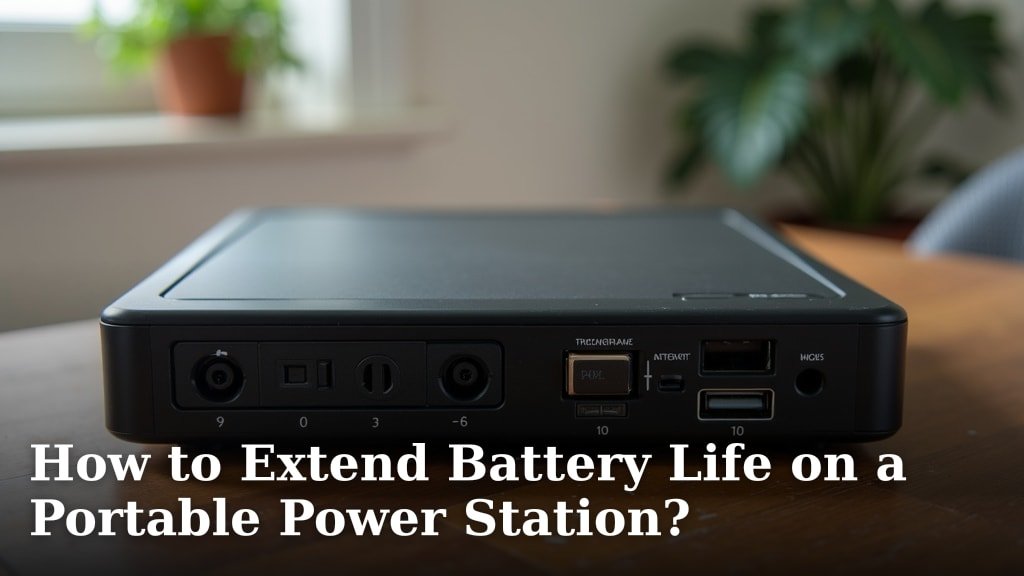
Maximize your portable power station's lifespan. Learn essential tips and tricks to extend battery life and keep your devices charged longer.
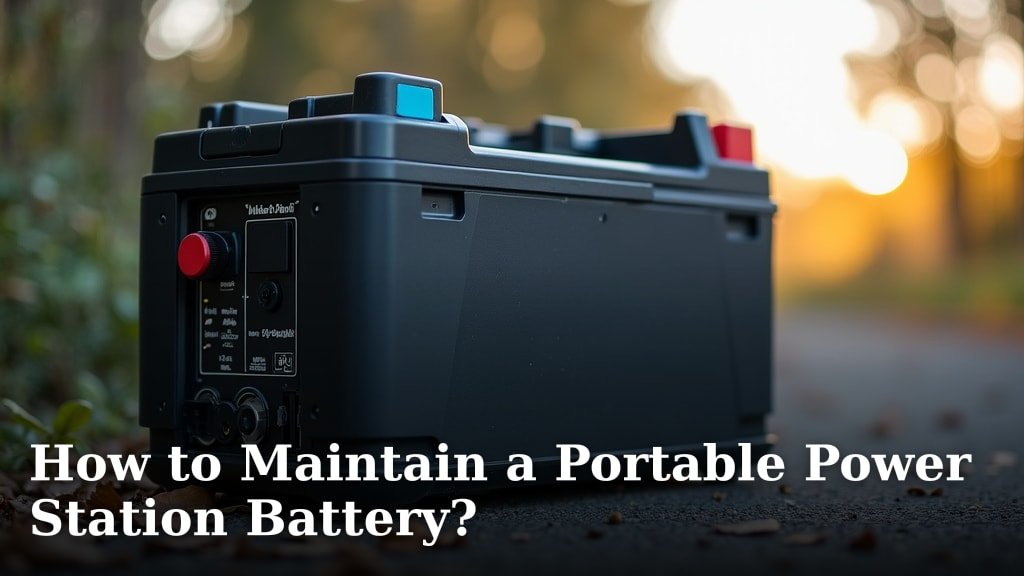
Keep your portable power station battery in top shape. Learn essential maintenance tips to extend its lifespan and ensure reliable power when you need it most.
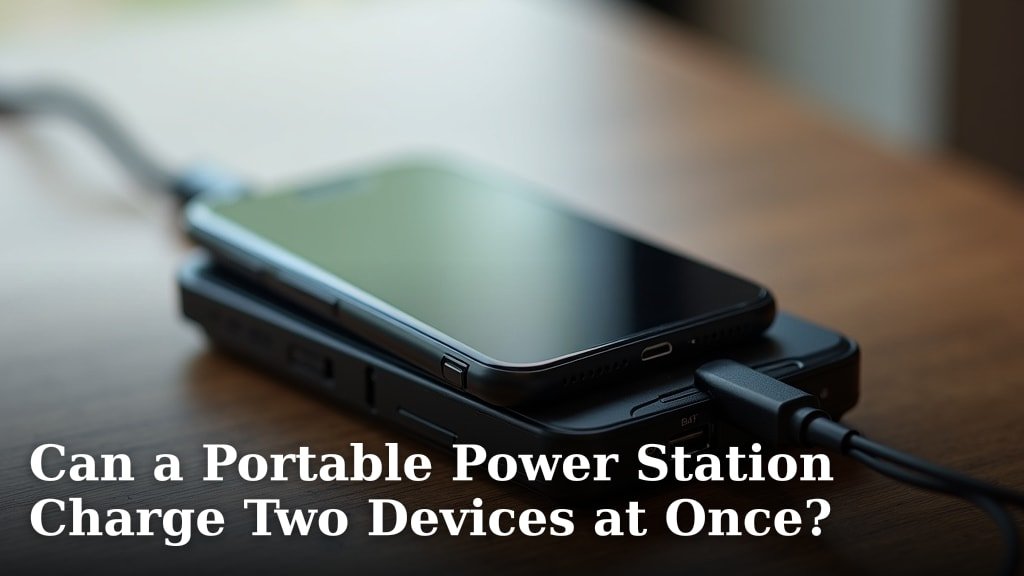
Discover if your portable power station can charge two devices simultaneously and learn what to consider for optimal dual charging.
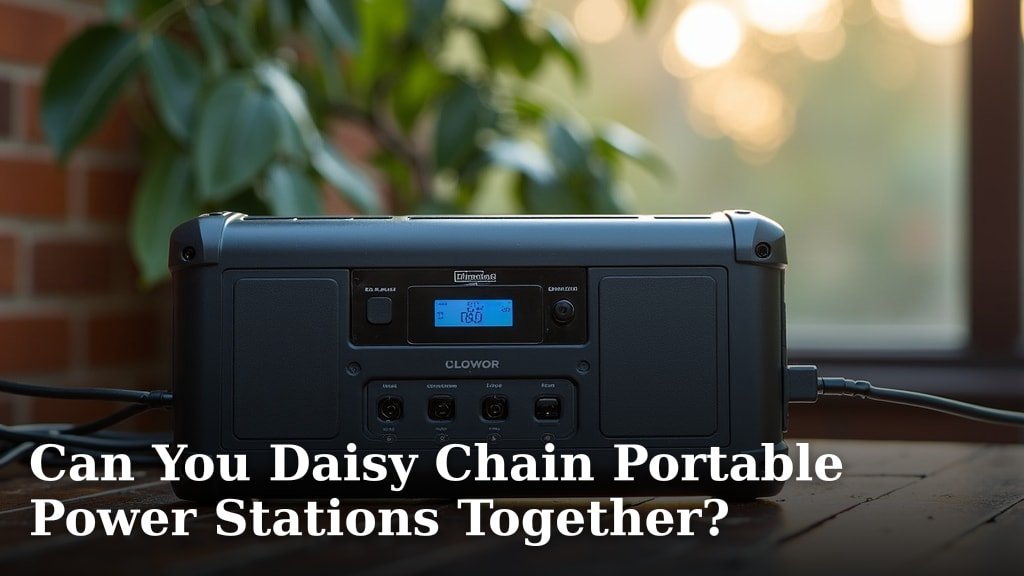
Learn if you can daisy chain portable power stations together and discover how to safely connect multiple units for extended power needs.
Can a portable power station charge a car battery? Discover the surprising answer and learn if this convenient device can jump-start your vehicle.
Can You Charge a Portable Power Station and Use It at the Same Time? Learn how to check wattage and compatibility, then estimate runtime for your device.
Discover the top 7 best expansion batteries for Bluetti. Our fresh, hands-on review helps you find the perfect power boost for your needs.
Learn if you can leave a portable power station plugged in all the time and discover best practices for battery health and longevity.

Is It Worth Upgrading to a LiFePO4 Power Station? Weigh the main benefits, limits, and setup needs for your situation. Plan ahead. Plan ahead.
Your power station's battery drains faster with age due to natural degradation. Learn why and how to maximize its lifespan.
Discover the top 7 best extension cords for your power station. Our fresh, hands-on guide helps you find the perfect fit for your needs.
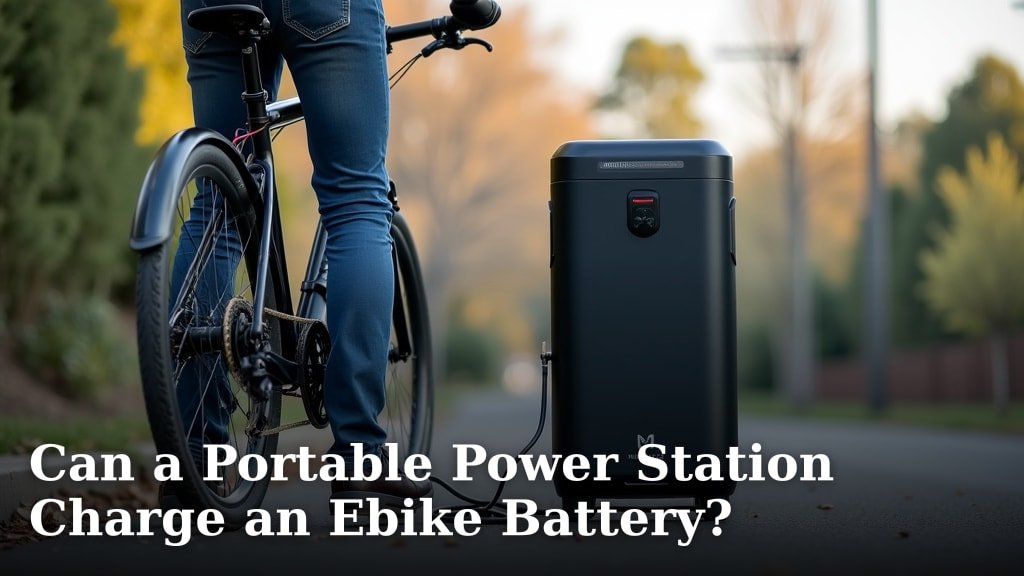
Can a Portable Power Station Charge an Ebike Battery? Learn how to check wattage and compatibility, then estimate runtime for your device. Plan ahead.
Learn how many times you can recharge a power station battery and factors affecting its lifespan to get the most out of your portable power source.
Explore how power stations lose capacity over time. Understand factors like age and technology that impact efficiency, helping you grasp energy longevity.
Discover the 7 best pure sine wave inverters for your home. Our fresh, hands-on picks ensure reliable power for all your appliances.
Discover the top 7 best power inverters for car battery backup. Our hands-on review helps you choose the perfect inverter for reliable power on the go.
Considering a power station? Discover if LiFePO4 is better than lithium-ion for your needs. We compare key aspects to help you choose wisely.
Why Is My Power Station Charging Slowly? Check common causes, how to narrow them down, and practical steps to troubleshoot or protect your equipment.
Discover the top 7 best expansion batteries for your EcoFlow Delta. Our fresh, hands-on review helps you power up your adventures with confidence.

Discover the 7 best power station expansion batteries! Our fresh, hands-on review helps you find the perfect match for your portable power needs.
Unlock the mystery of watts vs. watt-hours! This article clearly explains the difference between these power terms, helping you understand your energy.
Learn what determines the lifespan of a portable power station battery, from cycle counts to chemistry, and how to maximize its longevity.
Discover LiFePO4 battery technology: its composition, benefits like safety and longevity, and how it powers modern applications.
Unlock the key distinctions between LiFePO4 and Lithium Ion batteries. Discover their unique chemistries, advantages, and ideal applications.
Understand pure sine wave inverters, their benefits for sensitive electronics, and how they provide clean, reliable power for your devices.
Unlock the mystery of watt hours in a power station. Learn how this crucial metric determines capacity and runtime, empowering your energy decisions.
Unlock appliance power needs. Learn how to calculate watt-hours needed for your devices, ensuring optimal energy use and battery planning.
Charge your portable power station faster with our expert tips. Learn optimal charging methods, accessories, and settings to maximize efficiency.

Planning to fly with a lithium power station battery? Learn essential FAA guidelines, size restrictions, and how to pack it safely for your trip.
How Many Watt Hours Do I Need in a Power Station? Learn how device use and battery capacity affect the answer and how to calculate your needs.

Charging cycles directly impact your portable power station’s battery health, with most lithium batteries lasting 500-2000 cycles before capacity drops
Do Power Stations Lose Charge? Self-Discharge Rates. Learn how to check wattage and compatibility, then estimate runtime for your device. Plan ahead.

An XT60 connector is a yellow, polarized electrical connector commonly used in RC hobby applications, solar systems, and portable power stations to handle

A 300Wh battery can typically charge a standard laptop between 2 to 6 times, depending on your laptop’s battery capacity and power consumption.

Inverter Loss: How to Calculate Real Capacity. Learn the key details and what they mean for your setup. For travel use. Know what to expect.

To convert Ah to Wh, multiply amp-hours by voltage: Wh = Ah × V. This simple battery formula helps you calculate how much energy your power station actually

Overhead draw is the power that portable power stations consume when turned on but not powering any devices - essentially idle power consumption that slowly

AC charging your portable power station from a wall outlet typically takes 4-12 hours depending on the battery capacity and charging speed.

Fast charging is convenient but generates more heat and stress on your battery, while slow charging is gentler and extends battery lifespan.
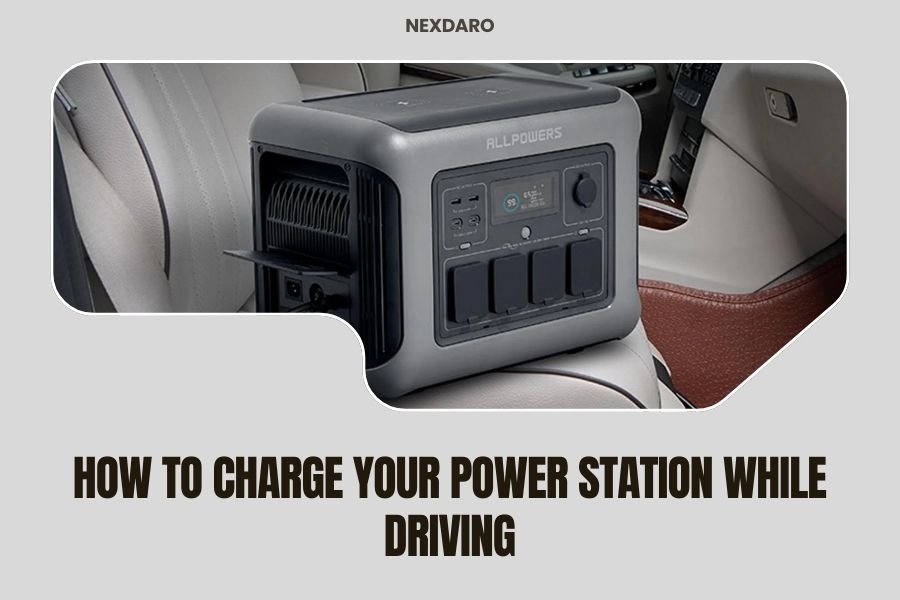
You can charge your power station while driving by connecting it to your vehicle's 12V outlet using a DC-to-DC car charger cable specifically designed for
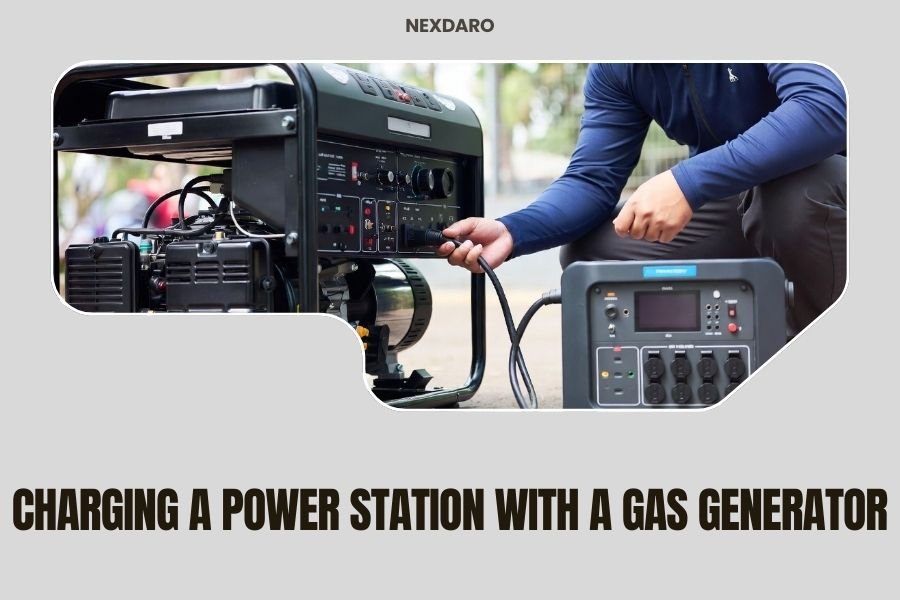
Yes, you can charge a power station with a gas generator by connecting them through the AC input port using the proper cables and ensuring compatible voltage
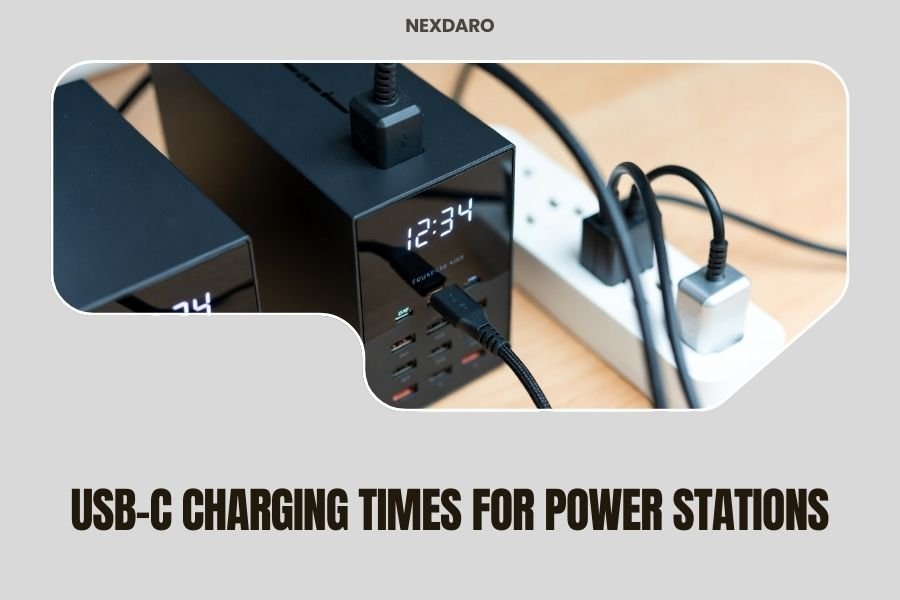
USB-C charging times for power stations typically range from 1.5 to 8 hours depending on the station’s capacity and input wattage.

To charge a power station in winter and cold weather, keep the device above 32°F (0°C) during charging and use slower charging methods to prevent battery
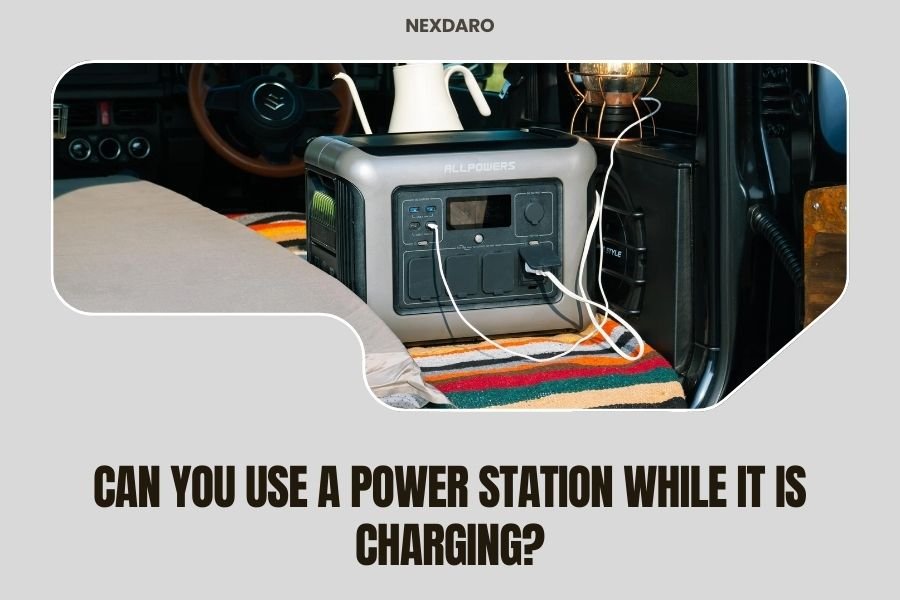
Yes, you can use most power stations while they are charging, but this depends on your specific model and power requirements.
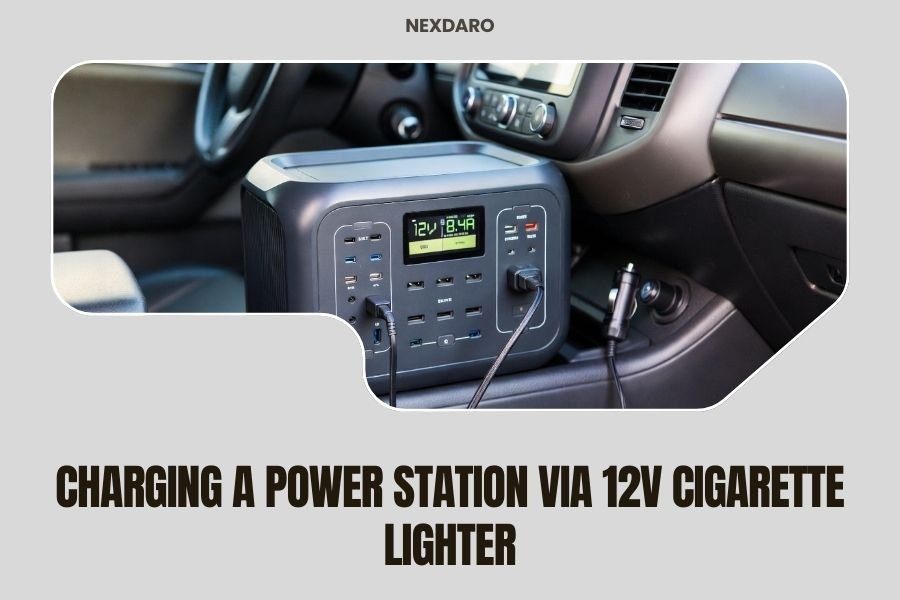
Yes, you can charge a power station through a 12V cigarette lighter socket in your car. This charging method typically takes 6-12 hours depending on your
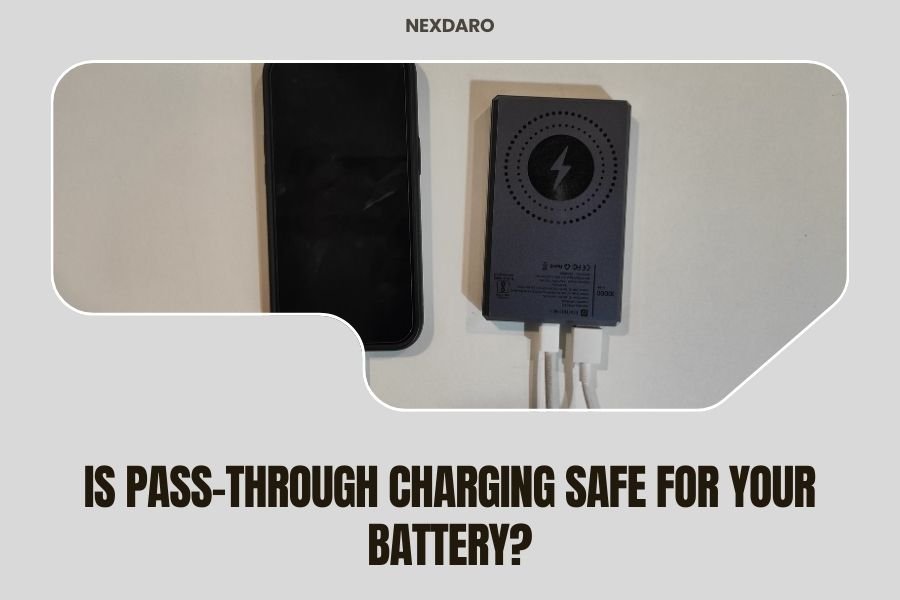
Pass-through charging is generally safe for modern portable power stations and devices when used properly with quality equipment and appropriate charging
AC charging appears faster than DC in many situations because AC power can deliver higher wattage through standard electrical systems that are already built
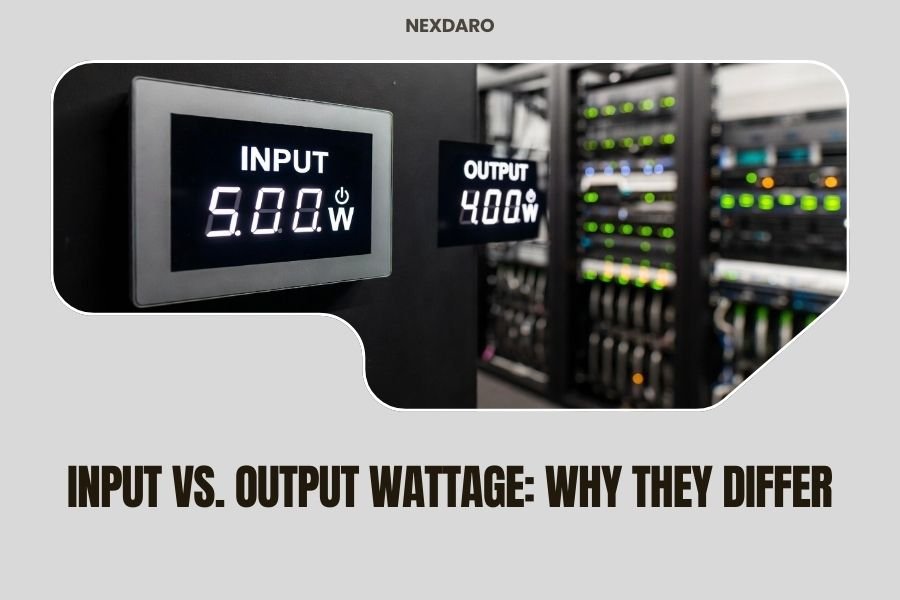
Input wattage refers to the power your portable power station draws from the wall outlet or solar panels to charge its battery, while output wattage is the
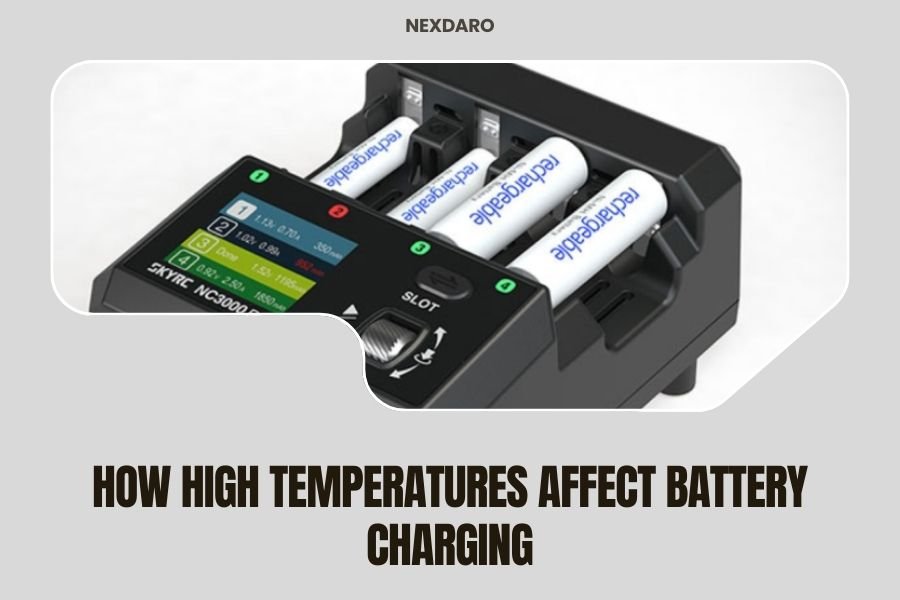
High temperatures affect battery charging by reducing charging efficiency, slowing charge rates, and potentially damaging battery cells through overheating.
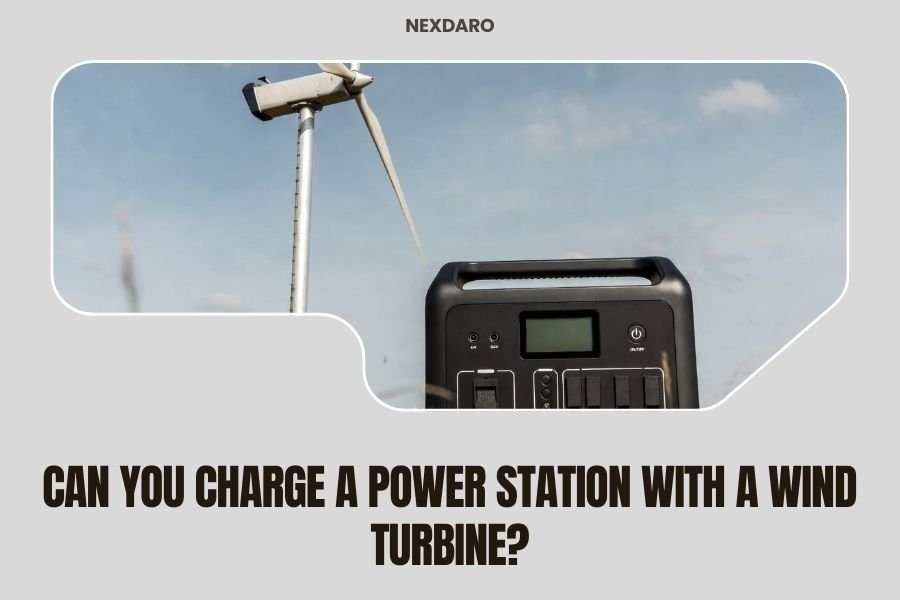
Yes, you can charge a power station with a wind turbine, but you'll need the right equipment and conditions to make it work effectively.

GaN chargers make portable power stations 40% smaller and 30% more efficient than traditional chargers, letting you charge faster while carrying less weight.
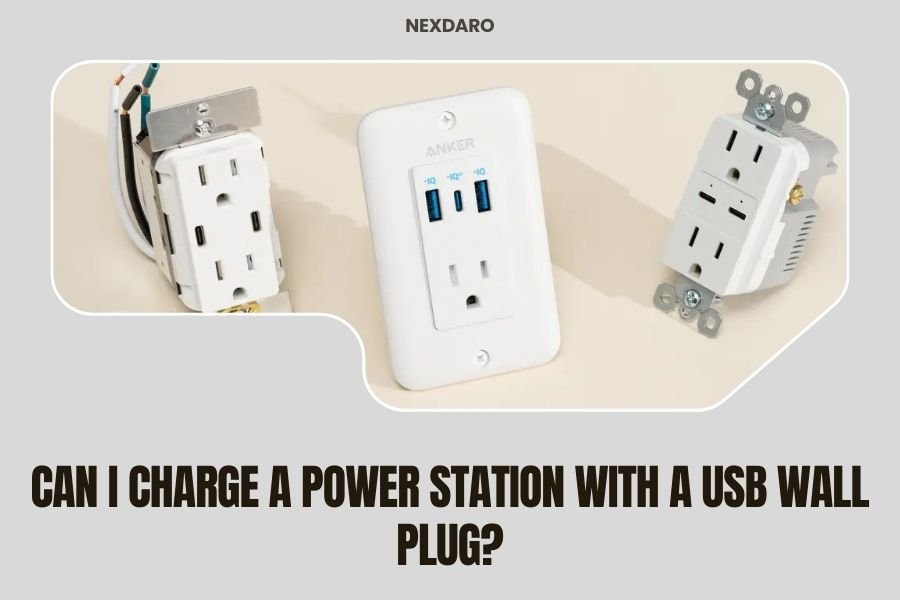
Yes, you can charge most power stations with a USB wall plug, but only if your power station supports USB-C PD (Power Delivery) input with sufficient wattage.
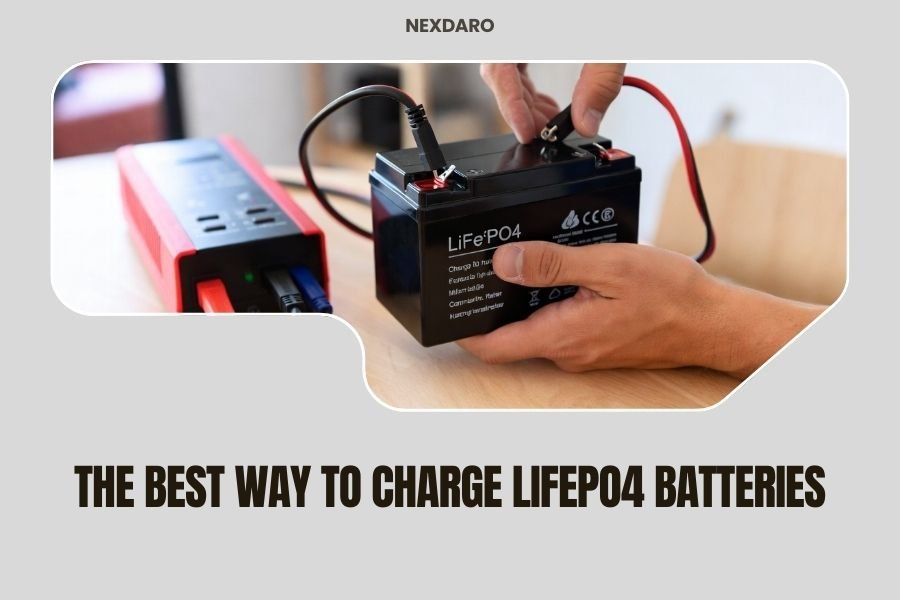
The best way to charge LiFePO4 batteries is using a dedicated LiFePO4 charger with the correct voltage and current settings for your specific battery capacity.
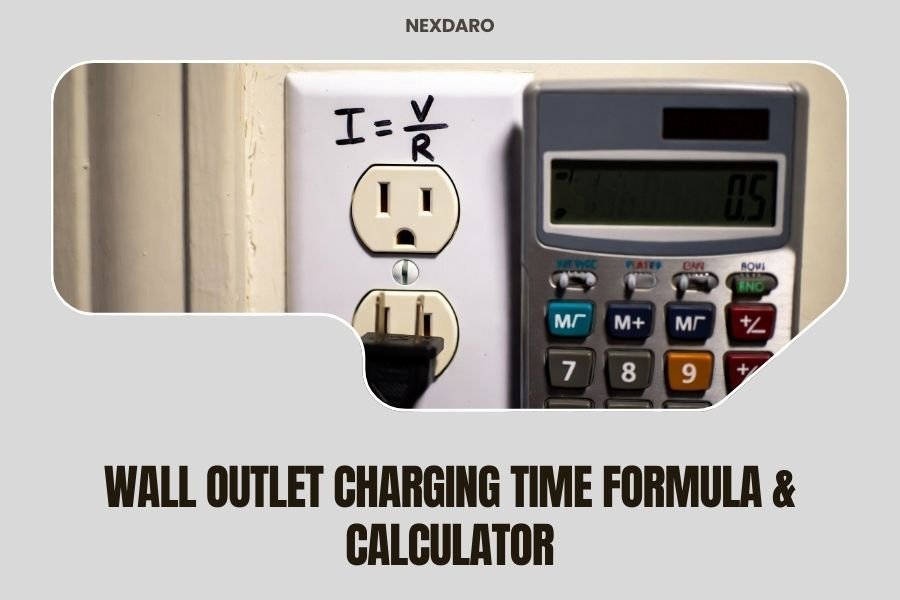
The wall outlet charging time formula is: Charging Time = (Battery Capacity ÷ Charger Power Output) × 1.2 to account for efficiency losses.
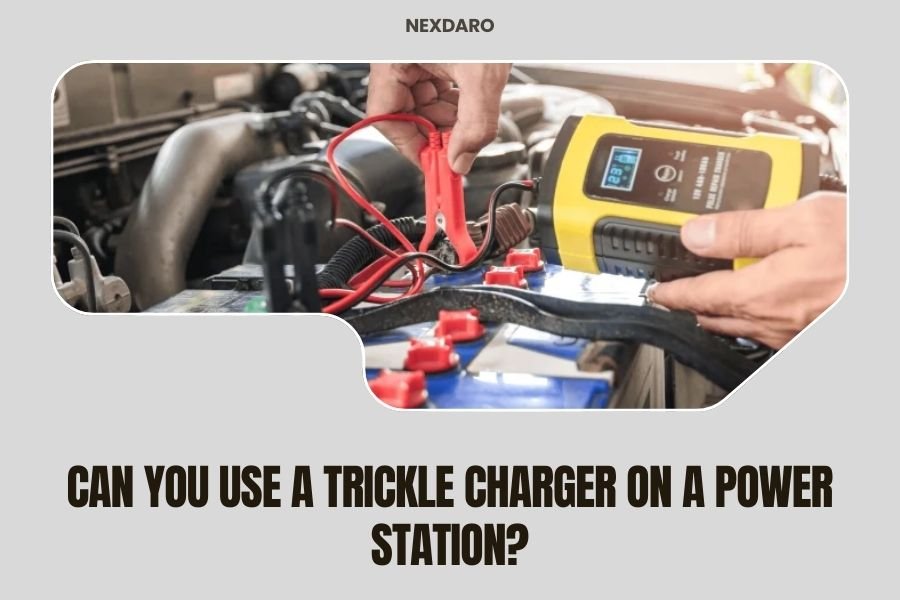
Yes, you can use a trickle charger on a power station, but only if your unit accepts DC input charging and the voltages match properly.
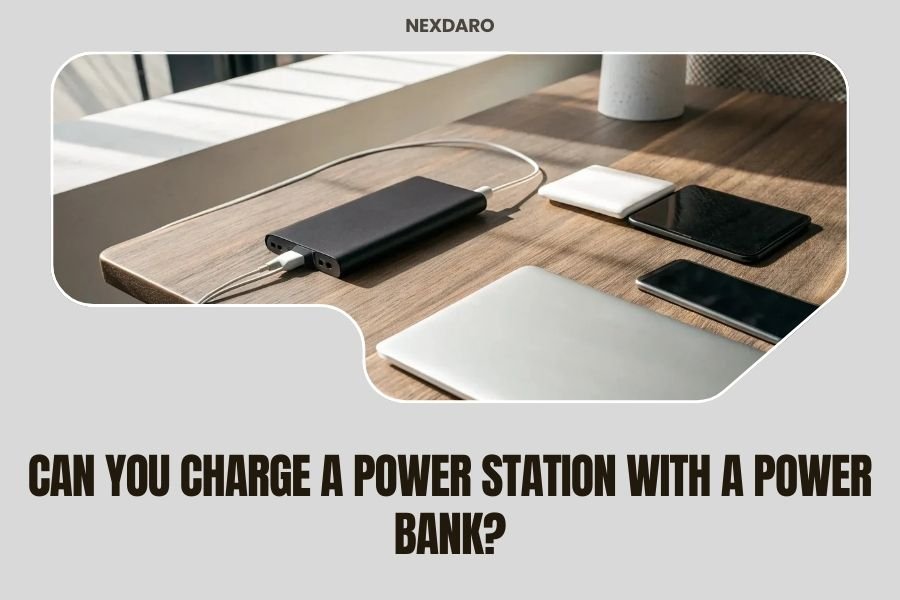
Yes, you can charge a power station with a power bank, but only if both devices support compatible charging methods and the power bank has enough capacity.
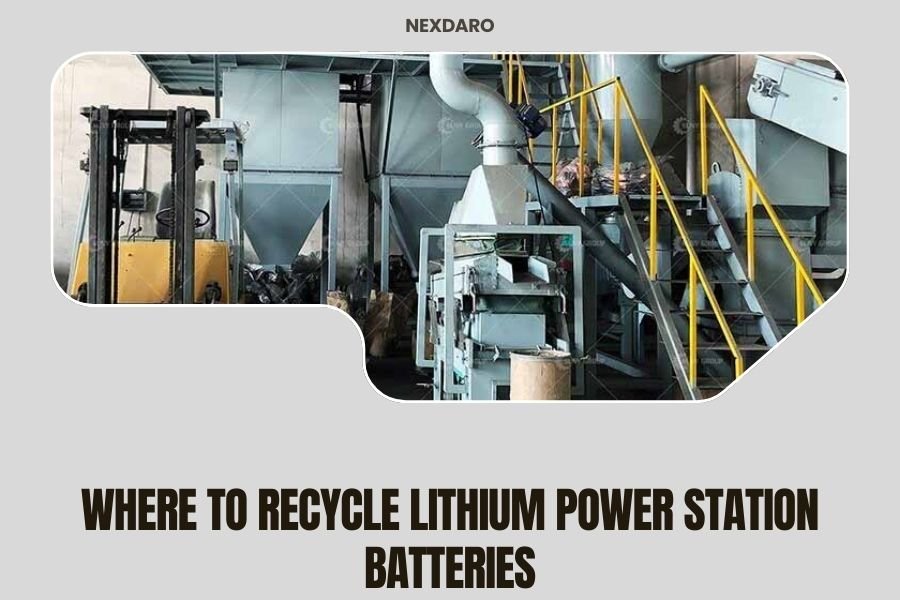
You can recycle lithium power station batteries at electronics retailers like Best Buy, Home Depot, and battery specialty stores, plus many local recycling
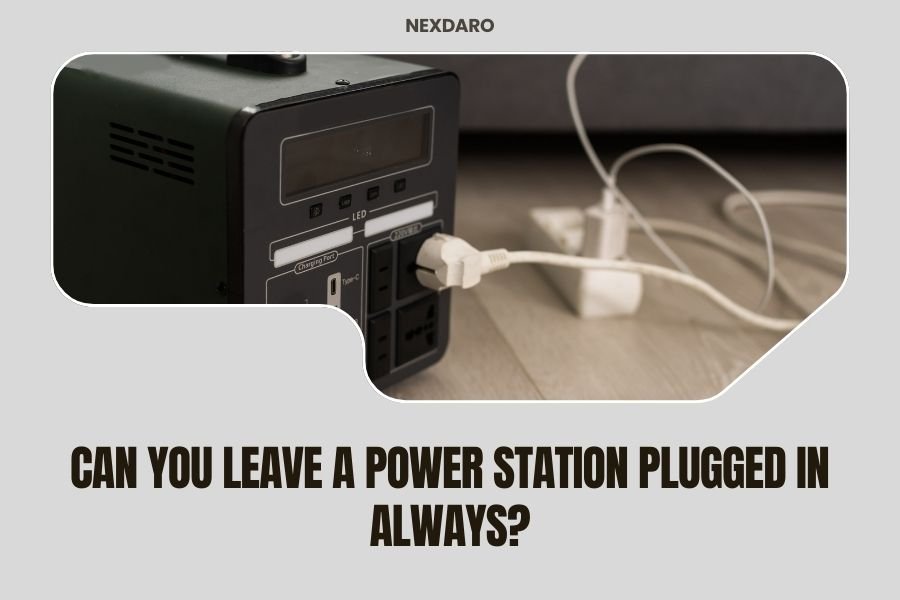
Yes, you can leave your power station plugged in continuously without major harm, but it’s not ideal for long-term battery health.
To calibrate your power station battery, fully discharge it to 0%, then charge it completely to 100% without interruption. This process resets the battery
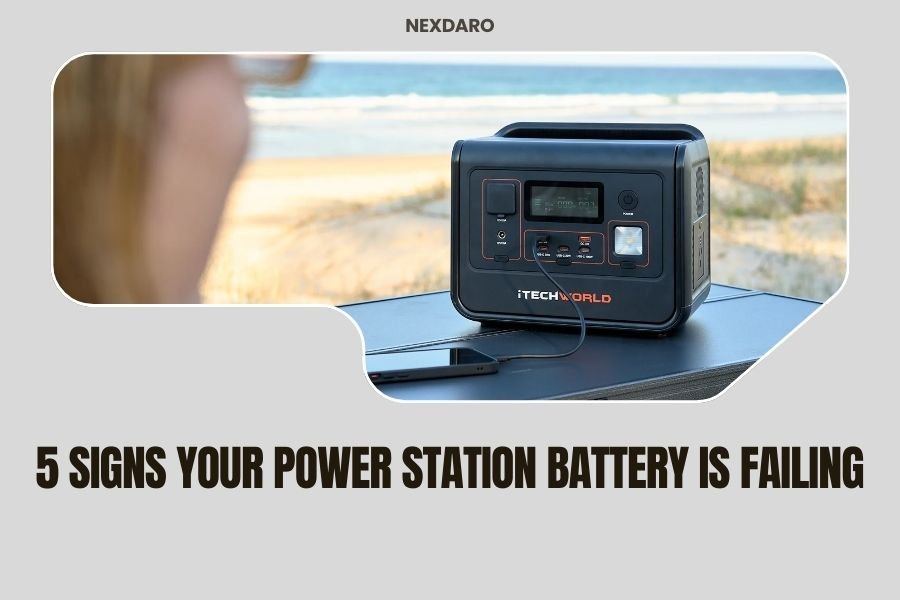
Your power station battery is failing if it holds charge for less than half its original runtime, takes much longer to recharge, or shuts down unexpectedly
Keeping your battery at 80% charge significantly extends its lifespan by reducing chemical stress and heat buildup that occurs during full charging cycles.
Battery memory effect does not exist in modern portable power stations because they use lithium-ion batteries instead of older nickel-cadmium technology.
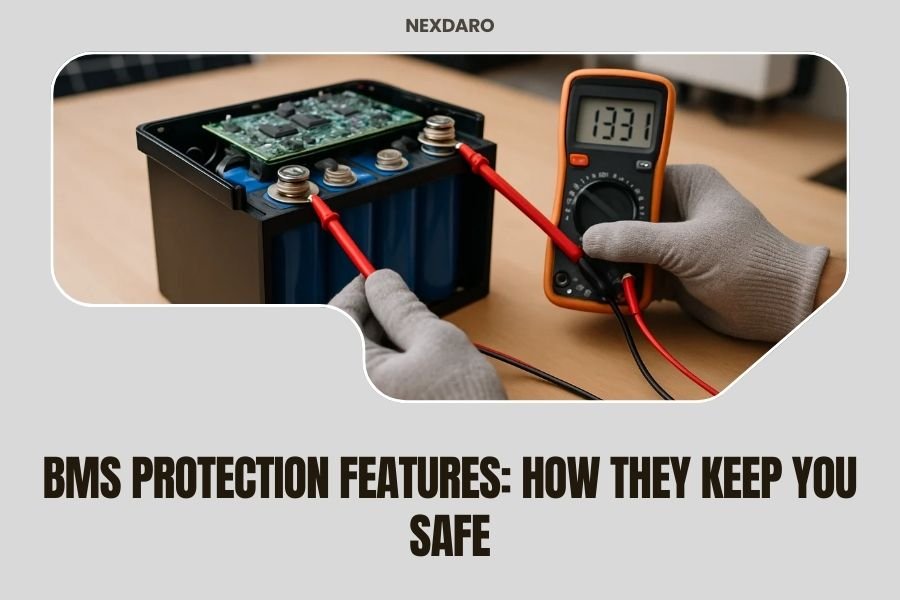
BMS protection features in portable power stations prevent overcharging, overheating, and electrical damage through smart monitoring systems. These safety
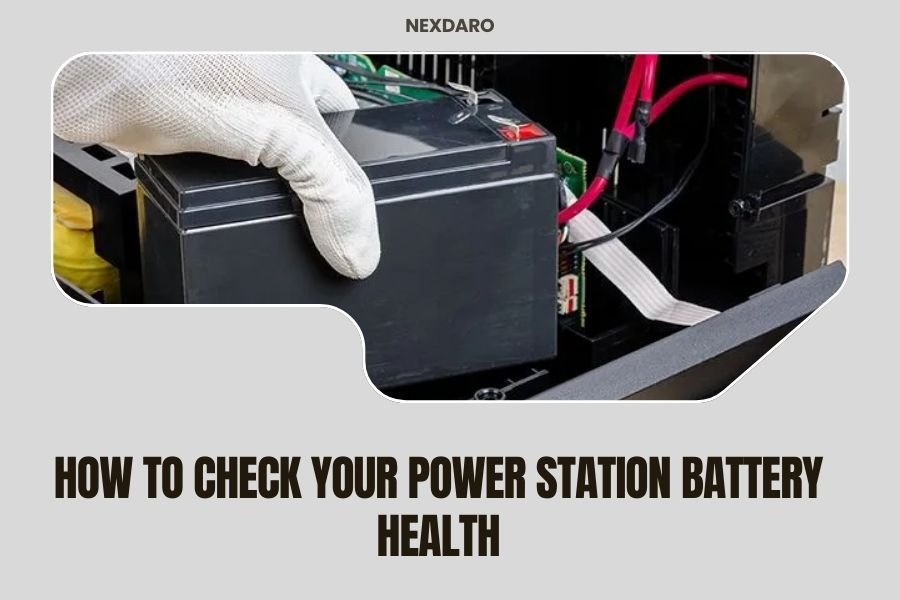
Check your power station battery health by monitoring its capacity, voltage readings, and charge cycle count through the built-in display or companion app.
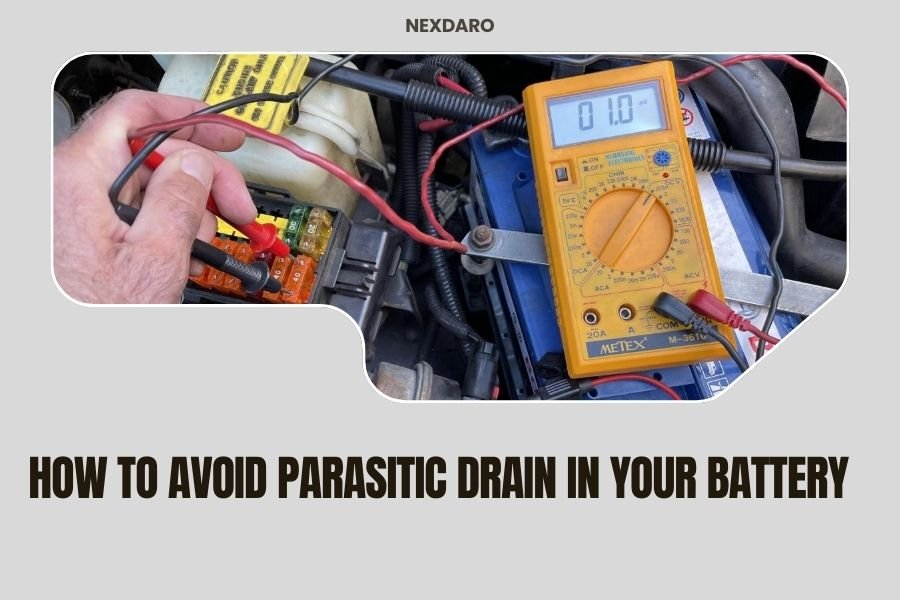
Parasitic drain happens when devices or systems continue drawing power from your battery even when turned off, slowly depleting it over time.
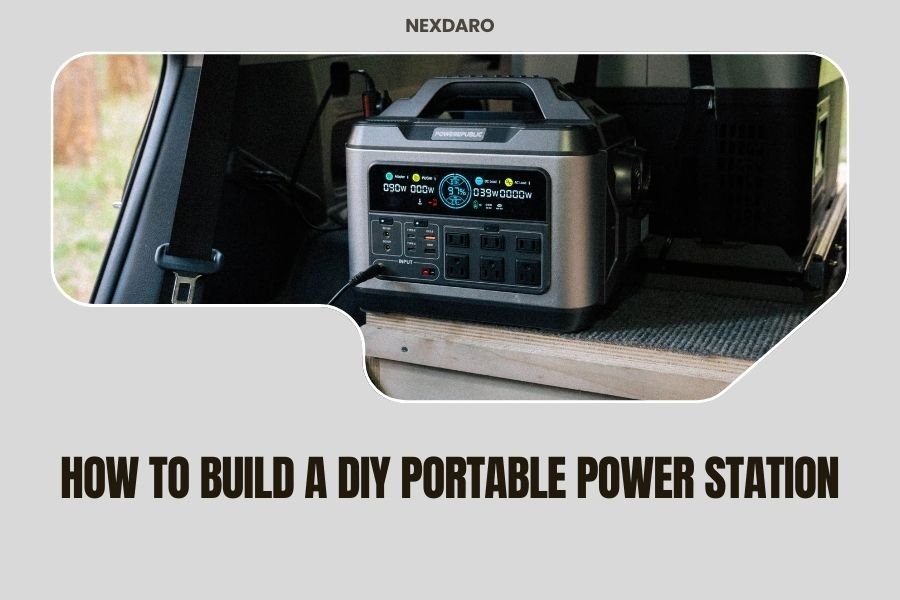
Building a DIY portable power station requires a lithium battery pack, inverter, charge controller, and proper housing to create a safe, functional portable
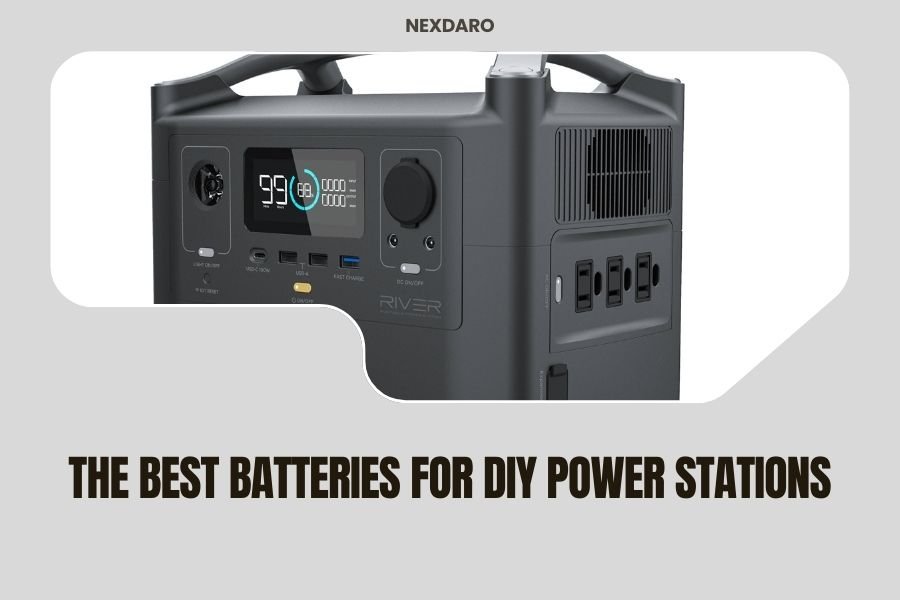
The best batteries for DIY power stations are lithium iron phosphate (LiFePO4) batteries, which offer the longest lifespan and safest operation for most

Yes, you can connect two power stations together, but it depends on your specific models and how you want to connect them.

Yes, you can connect an external battery to your power station to extend runtime and boost capacity. Most portable power stations support external battery

24V systems generally offer 90-95% inverter efficiency compared to 85-90% for 12V systems, making them more energy-efficient for higher power applications.

Pure sine wave power delivers clean, stable electricity that perfectly matches what your electronics expect from wall outlets, preventing damage and
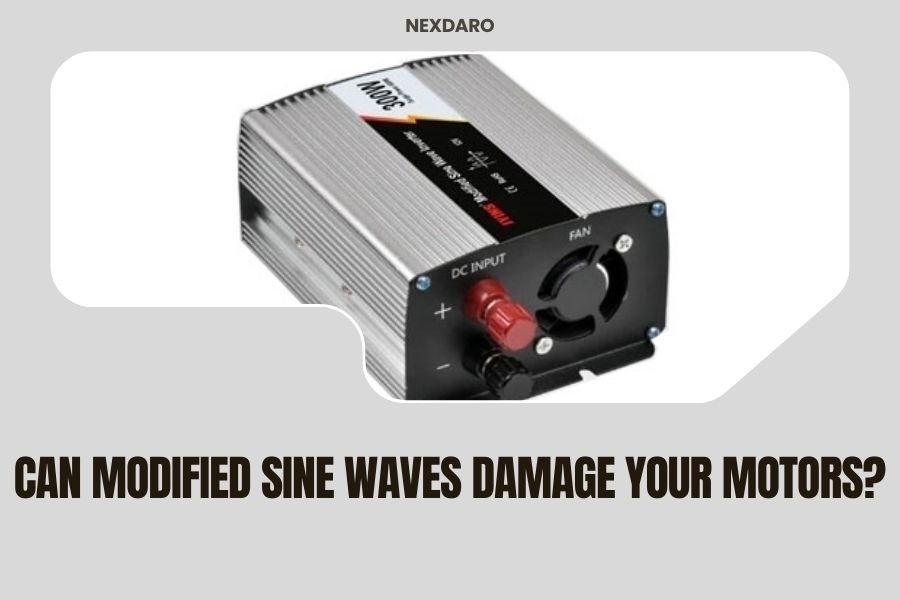
Modified sine waves can damage certain motors over time, especially AC motors and sensitive electronics, but many basic appliances work fine with them.
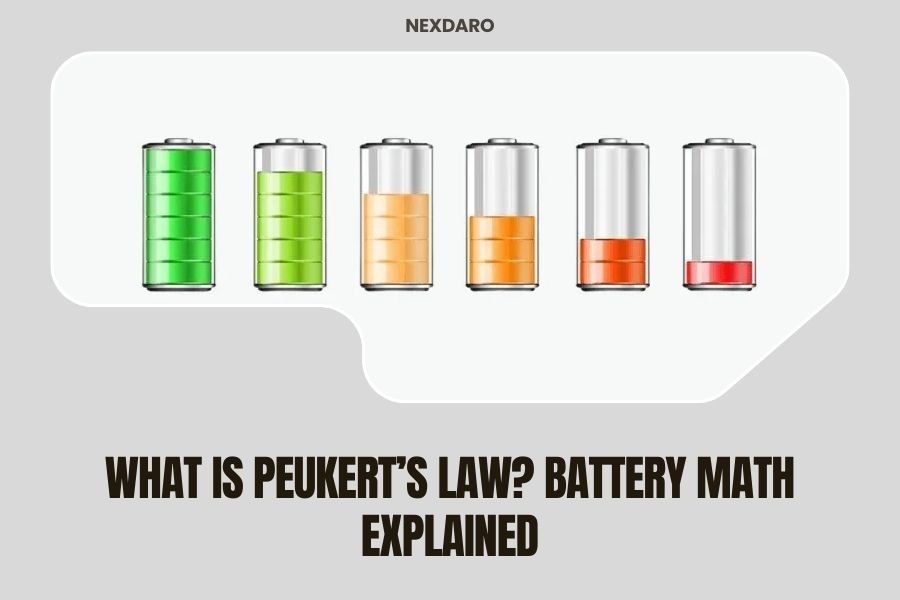
What is Peukert’s Law? Battery Math Explained. Learn how it works and which details matter when choosing or using it. Plan ahead. Plan ahead.

Wh (Watt-hours) is better than Ah (Amp-hours) for battery comparison because it shows total energy capacity regardless of voltage differences.
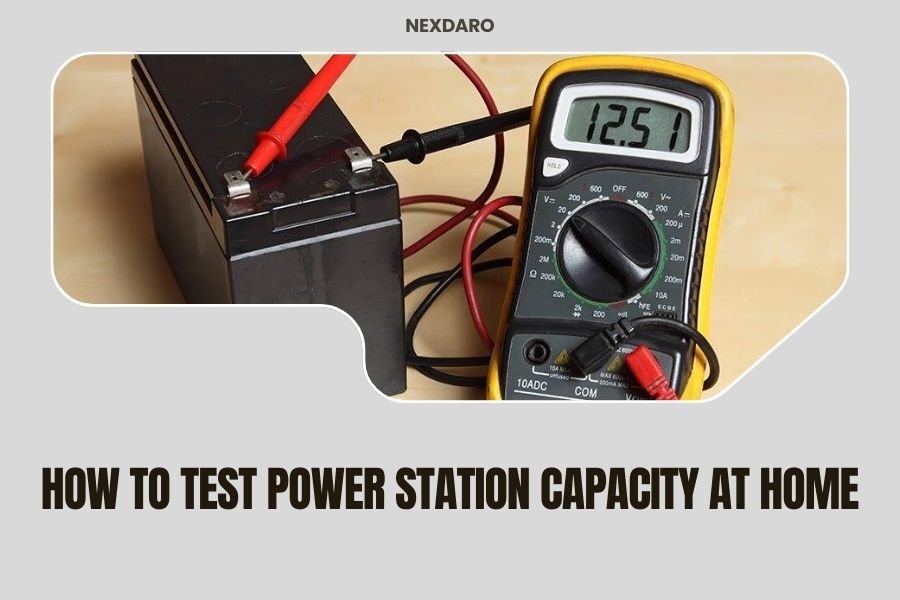
To test power station capacity at home, use a multimeter to check voltage levels and connect known wattage devices to measure actual runtime against
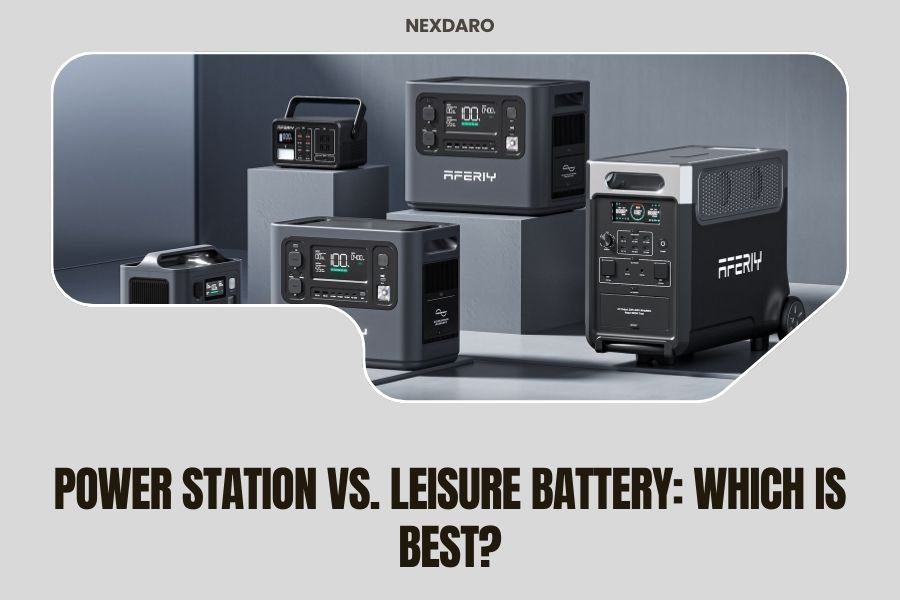
Power stations offer better versatility and portability, while leisure batteries provide more cost-effective long-term power for fixed setups like caravans
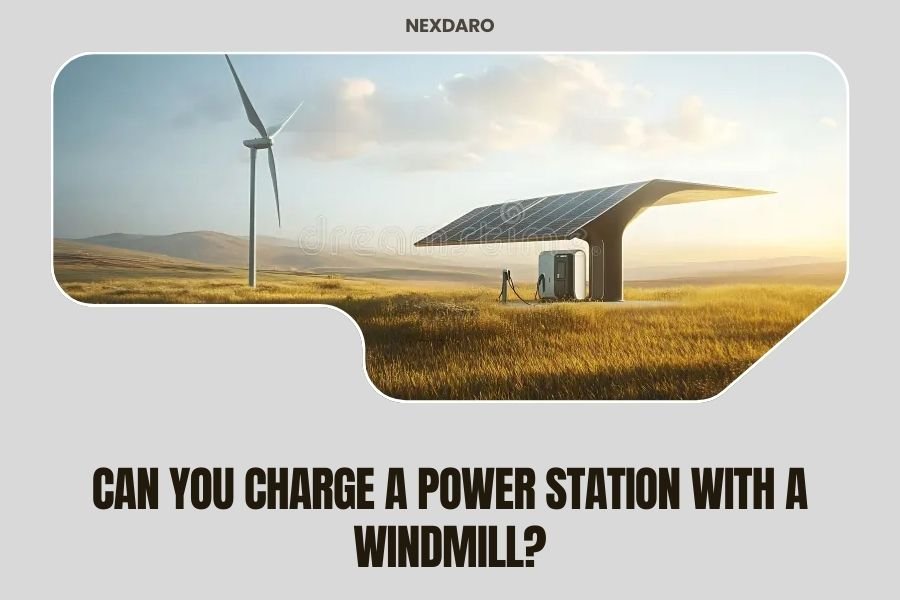
Yes, you can charge a power station with a windmill by connecting a wind turbine to your portable power station through compatible charging ports or an
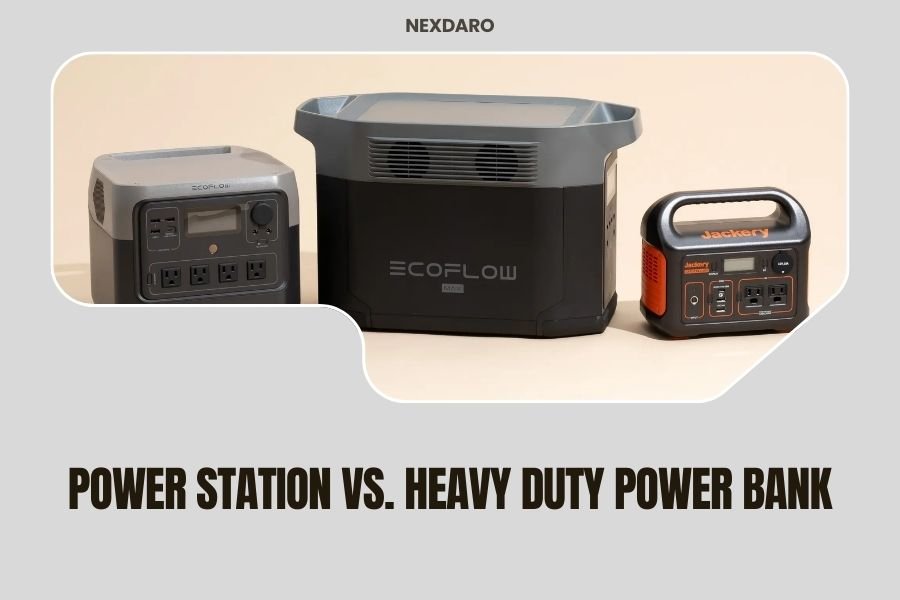
A power station offers more capacity and versatile outlets while a heavy duty power bank focuses on portability and USB charging for smaller devices.
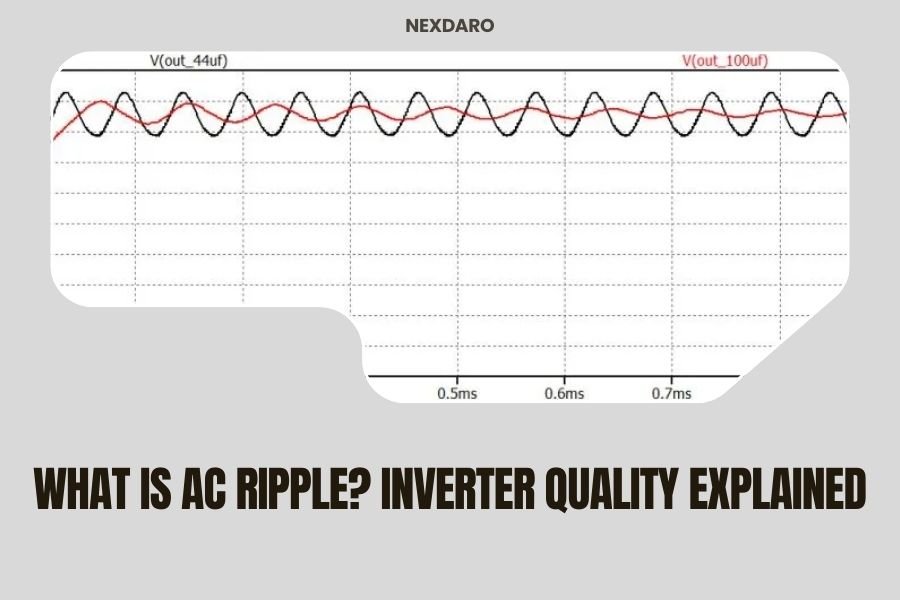
AC ripple is the unwanted alternating current variation that appears in your portable power station's DC output, typically measuring less than 5% in quality
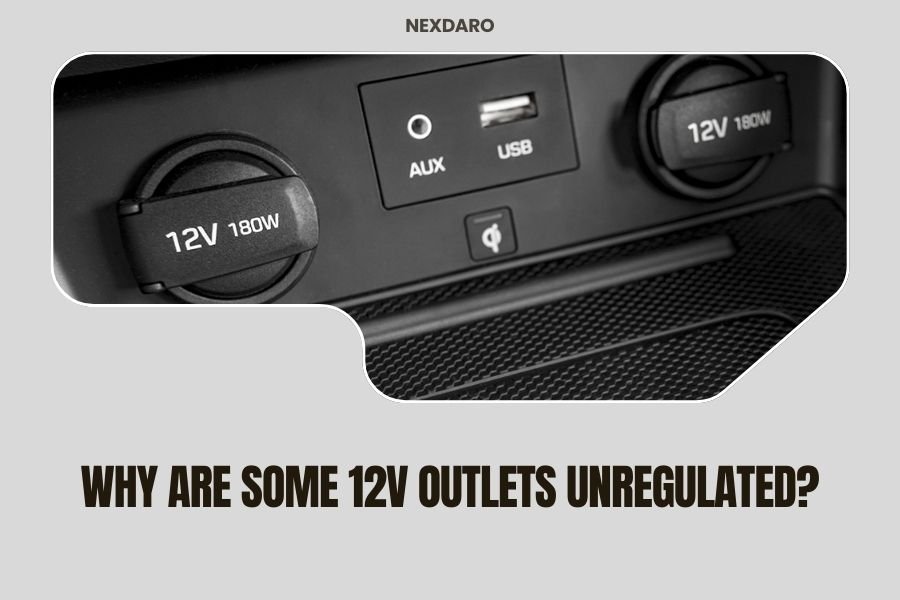
Some 12V outlets are unregulated because they provide direct battery power without voltage stabilization circuits, making them cheaper to produce and lighter
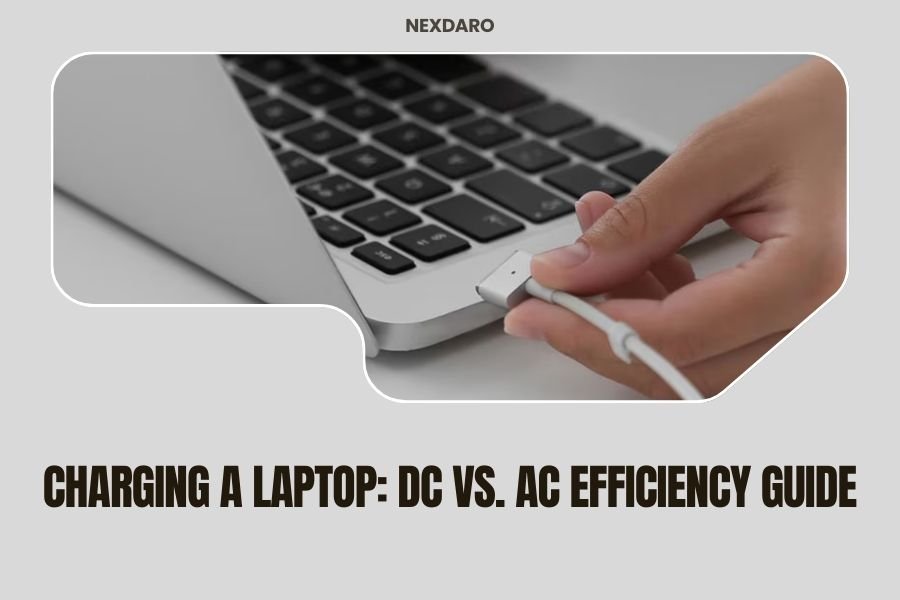
DC charging is generally 10-15% more efficient than AC charging for laptops because it skips the power conversion step that wastes energy as heat.
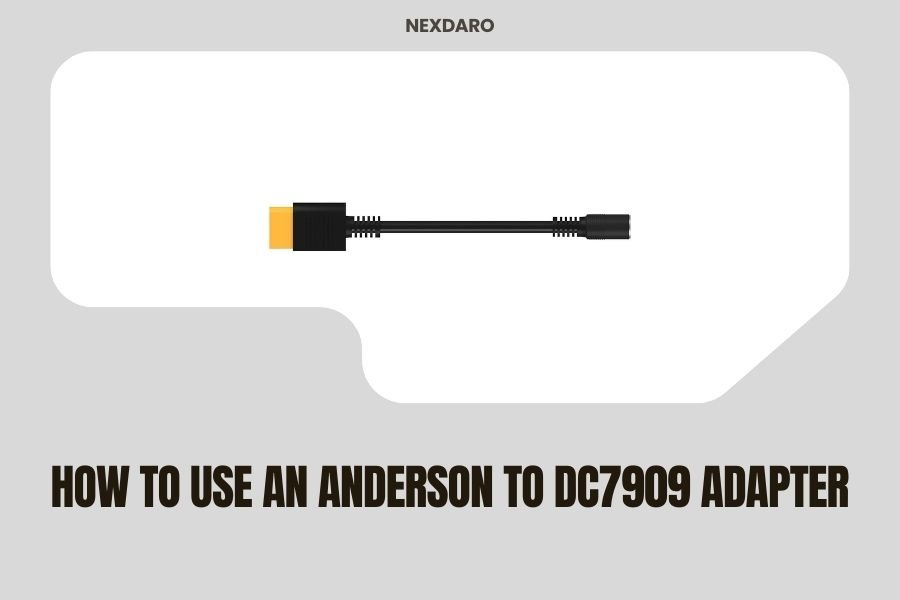
An Anderson to DC7909 adapter connects Anderson Powerpole connectors to devices that use DC7909 barrel plugs, commonly found on portable power stations and
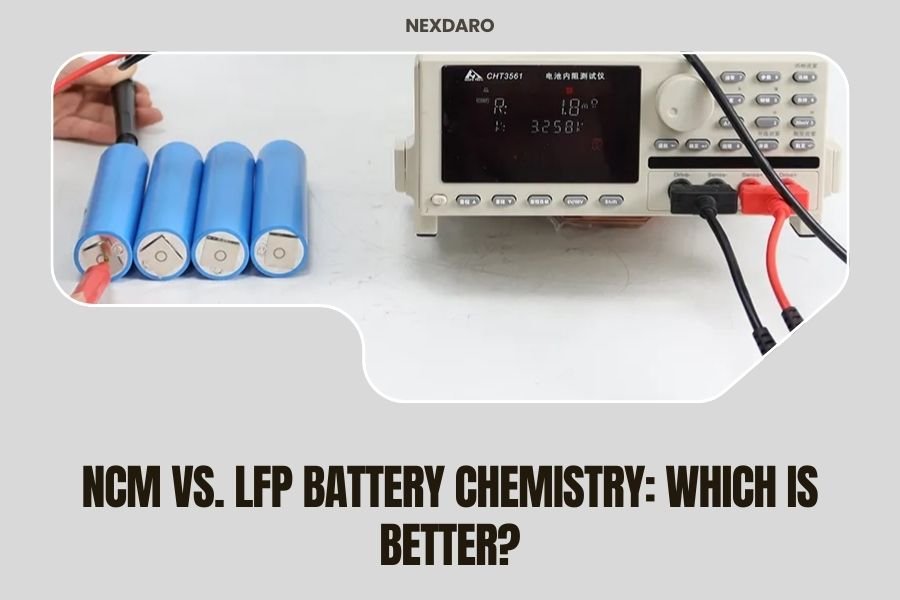
NCM batteries offer higher energy density and lighter weight, while LFP batteries provide better safety and longer lifespans for portable power stations.
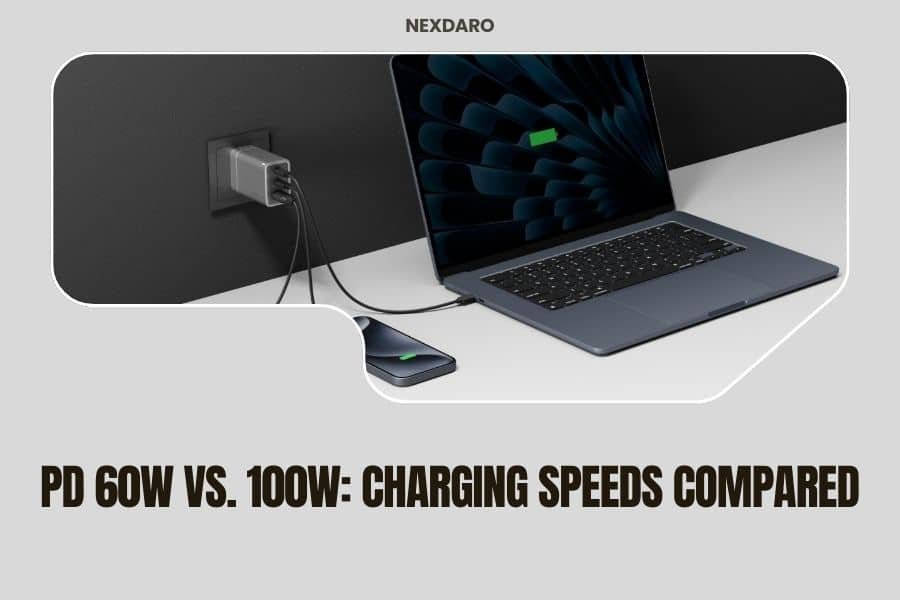
PD 60W vs. 100W: Charging Speeds Compared. Learn the key details, what affects performance, and practical ways to plan or use your equipment for everyday needs.
Does Cold Weather Reduce Your Battery Capacity? Learn how to check wattage and compatibility, then estimate runtime for your device. Plan ahead.
mAh measures current capacity over time, while Wh measures total energy storage – multiply mAh by voltage and divide by 1000 to convert between them.
Lithium power stations outperform lead acid models in weight, lifespan, and efficiency, but cost significantly more upfront.
Depth of Discharge (DoD) measures how much battery capacity you’ve used compared to the total capacity, expressed as a percentage.
An expandable power station is a portable battery system that lets you add extra battery modules to increase its total power capacity and runtime.
Regulated 12V maintains steady voltage output even as the power source weakens, while unregulated 12V voltage drops as the battery drains.
USB-C PD (Power Delivery) is a fast charging standard that can deliver up to 240 watts of power through a single USB-C cable, making it perfect for quickly
An Anderson connector is a weatherproof electrical connector with interlocking plastic housings that create secure, high-current connections for power
Inverter efficiency determines how much battery power gets wasted as heat instead of powering your devices, with most portable power stations losing 10-20% of
A BMS (Battery Management System) is an electronic system that monitors and controls your power station's battery cells to prevent overcharging, overheating,
Battery Cycle Life Explained: How Long Will It Last? Learn the key details and what they mean for your setup. Plan ahead. Get a clear answer.
Pass-through charging lets you charge your portable power station while it powers your devices at the same time. This feature works like a smart power hub
AC vs. DC Output: Power Station Ports Explained. Learn the key details and what they mean for your setup. See examples. Know what to expect.
LiFePO4 batteries last 3-5 times longer than Li-ion batteries in power stations, making them better for frequent use despite higher upfront costs.
LiFePO4 power station batteries offer five major benefits: 10+ year lifespan, fast charging in 2-6 hours, safe operation without fire risk, consistent power
A pure sine wave inverter converts DC battery power into smooth AC electricity that matches the power from your wall outlet exactly, providing clean energy
Continuous watts represent the steady power a portable power station can deliver over long periods, while surge watts are the brief peak power it provides
Watt hours (Wh) measure how much energy a battery can store and deliver over time. Think of it as your battery’s fuel tank size – the bigger the
Power banks are small portable chargers for phones and tablets, while power stations are larger units that can run bigger devices like laptops, mini fridges,