How to Prevent a Portable Power Station Battery from Degrading?
On this page (8 sections)
- Keeping Your Portable Power Station Battery Healthy for the Long Haul
- Understanding Battery Degradation: What’s Happening Under the Hood?
- Optimal Charging Habits for Battery Longevity
- The Critical Role of Temperature Management
- Smart Storage and Maintenance Practices
- Your Portable Power Station Battery Health Checklist
- Conclusion
- Frequently Asked Questions
To prevent your portable power station battery from degrading, focus on keeping it within the recommended charge and temperature ranges. Avoid storing it at 0% or 100% charge for extended periods. Many experts suggest storing it around 50% to 80% for the best long-term battery health and to prevent unnecessary wear.
A portable power station’s battery is its heart. Like any battery, it can lose its capacity over time with use and improper care. Following a few simple, but effective, charging and storage habits can make a huge difference in how long your power station lasts and how well it performs, saving you money and hassle down the road.
- Keep batteries between 50-80% charged when not in use.
- Avoid extreme hot or cold temperatures.
- Don’t leave it fully charged or fully depleted for long periods.
- Charge it up periodically if stored for months.
Ready to give your power station the best possible care? Let’s walk through the best practices to keep that battery running strong for years to come.
Keeping Your Portable Power Station Battery Healthy for the Long Haul
Your portable power station is a fantastic tool. It keeps your devices charged when you’re off-grid. It also acts as a reliable backup at home. The battery inside is the most important part. It’s like the engine in your car. You want it to run smoothly for as long as possible. Thankfully, preserving its lifespan isn’t overly complicated. You just need to understand a few key principles.
Think of your battery like a sensitive human. It doesn’t like extremes. It doesn’t enjoy being pushed to its absolute limits all the time. Gentle, consistent care is the name of the game. We’ve gathered some tips that research and expert recommendations support. They’ll help you get the most out of your power station’s battery.
Understanding Battery Degradation: What’s Happening Under the Hood?
Batteries naturally degrade over time. This is a normal process for any rechargeable battery. It’s called aging. This happens whether you use it or not. Several factors speed up this process, though. We’ll cover how to avoid those pitfalls.
The Science of Battery Aging
Rechargeable batteries, like those in your power station, use chemical reactions. These reactions store and release energy. Over many charge and discharge cycles, these chemical compounds can change. This leads to a reduced capacity. Think of it like stretching a rubber band too many times. Eventually, it doesn’t snap back quite as strongly. Heat and extreme charge levels accelerate these chemical changes.
Common Culprits of Faster Degradation
What makes a battery “age” faster than it should? Research points to a few main villains. Extreme temperatures are a big one. Leaving a battery fully charged or completely dead for extended periods is another. Basically, anything that stresses the battery’s chemistry speeds things up. We want to avoid these stressors.
Optimal Charging Habits for Battery Longevity
Charging is when you interact most directly with your power station’s battery. Making smart choices here is key. It’s not just about plugging it in; it’s about plugging it in wisely.
The “Sweet Spot” for Stored Batteries
When you’re not actively using your power station, what’s the ideal charge level? Many battery manufacturers and tech experts suggest a range. Keeping your battery between 50% and 80% charge is often recommended (Battery University). This is especially true for long-term storage. Why? Because very high or very low charge levels put stress on the battery’s internal components. This stress can lead to faster degradation.
Imagine a fully charged battery (100%) as being “tense.” It’s holding a lot of energy and its chemicals are in a more reactive state. Conversely, a battery at 0% is “exhausted” and vulnerable. The 50-80% range is a more relaxed, stable state for the battery. It minimizes the chemical strain.
Avoiding the Extremes: 0% and 100%
It might seem intuitive to fully charge your device before storing it. Or maybe you let it drain completely to “reset” it. However, for modern lithium-ion batteries (common in power stations), this is counterproductive. Leaving a battery at 100% for weeks or months can cause “overcharging stress,” even if the device has built-in protection. Similarly, letting it sit at 0% for too long can lead to deep discharge. This can permanently damage the battery and make it unable to hold a charge. Leaving a battery at 100% for weeks or months can cause overcharging stress.
We found that most manufacturers advise against storing devices at 0% or 100%. They often mention maintaining a partial charge. This is a simple habit that makes a significant difference over the years.
Understanding Charge Cycles
Every time you charge and discharge your battery, it counts as a charge cycle. Batteries have a finite number of these cycles they can endure before their capacity significantly reduces. While you can’t avoid using cycles entirely, you can be mindful of them. Excessive deep discharges (from 100% to 0%) use up cycles faster than shallower discharges (from 80% to 40%).
By keeping your battery in that 50-80% range when not in use, you’re also reducing the frequency of needing a full charge. This means fewer full cycles over the battery’s life.
The Critical Role of Temperature Management
Temperature is another major player in battery health. Batteries, like most electronics, have their preferred operating conditions. Exceeding these can cause serious issues.
The Dangers of Extreme Heat
Heat is the enemy of rechargeable batteries. When a battery gets too hot, either from its own operation or from external sources, its internal chemistry accelerates. This accelerated reaction can cause irreversible damage. It can lead to a faster loss of capacity and, in extreme cases, safety hazards. Think about leaving your phone on a hot dashboard in the summer. Your power station can suffer similar fates.
We found that many sources, including those from battery research institutions, consistently highlight heat as a primary degradation factor. They recommend avoiding temperatures above 95°F (35°C) for most lithium-ion batteries.
The Risks of Extreme Cold
While heat is more destructive, extreme cold isn’t good either. Cold temperatures can temporarily reduce a battery’s performance and capacity. More concerningly, charging a battery when it’s too cold can cause plating. This is a condition where lithium metal deposits form on the anode. This plating can permanently damage the battery and potentially lead to safety issues. Most manufacturers advise against charging batteries below freezing (32°F or 0°C).
So, what’s the happy medium? Generally, room temperature is best. Around 68°F to 77°F (20°C to 25°C) is considered ideal for both charging and storage.
Finding the Right Storage Environment
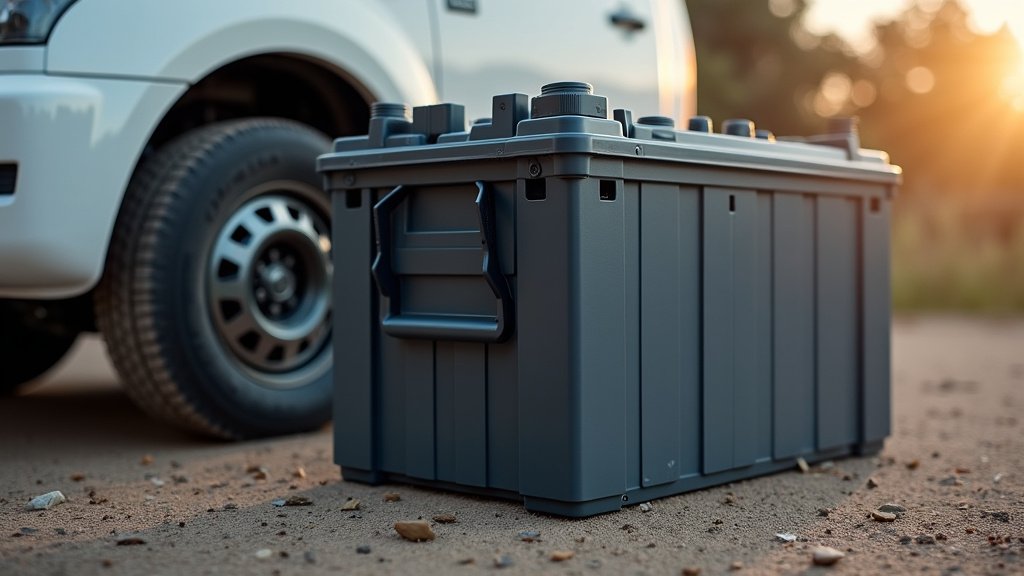
Where you store your power station matters. Avoid storing it in direct sunlight, in a hot car, or in an uninsulated shed during extreme weather. A cool, dry place indoors is usually your best bet. Basements or climate-controlled garages can be good options, as long as they don’t get excessively hot or cold.
Smart Storage and Maintenance Practices
Beyond charging habits and temperature, a few other practices can help your power station’s battery stay in top shape.
Periodic Top-Ups for Long-Term Storage
If you plan to store your power station for several months without use, don’t just forget about it. Batteries naturally self-discharge over time. If it discharges too much, it can fall into that dangerous deep discharge state. Experts generally recommend checking on it every 3-6 months.
When you check, bring the charge level back up to your preferred storage range (50-80%). This simple check-in prevents the battery from depleting too far. It’s like giving it a little “snack” to keep its energy reserves healthy.
Understanding Your Power Station’s Features
Many modern power stations come with built-in battery management systems. These systems help protect the battery from common issues. They can prevent overcharging, over-discharging, and over-temperature conditions. Familiarize yourself with your specific model’s features. Consult your user manual to understand what protections are in place.
Some units even have battery health indicators or specific “eco” or “low power” modes. Using these features thoughtfully can contribute to battery longevity.
Avoid Deep Discharge When Possible
Try not to run your power station completely dead regularly. While occasional deep discharges are unavoidable, making it a habit can accelerate battery wear. If you know you’ll need a lot of power, try to recharge the station before it gets critically low. This relates back to managing charge cycles efficiently.
Think of it this way: if you had a favorite pair of shoes, you wouldn’t want to wear them until they completely fell apart before buying a new pair. You’d replace them when they showed significant wear. Your battery has a similar, albeit chemical, limit.
Your Portable Power Station Battery Health Checklist
Want a quick rundown of the most important points? Here’s a simple checklist to keep your battery happy:
- Check charge level monthly if stored for over 6 months.
- Store in a cool, dry place (ideally 68-77°F / 20-25°C).
- Avoid leaving it at 0% or 100% for extended periods.
- Never charge below freezing or in extreme heat.
- Read your power station’s manual for specific care tips.
- Top up to 50-80% if stored for long durations.
Conclusion
You’ve learned that keeping your portable power station’s battery healthy is all about mindful care. By avoiding extreme temperatures and maintaining a partial charge, especially during storage, you significantly slow down battery aging. Remember, your power station is a tool designed to serve you reliably. Treating its battery with these simple best practices ensures it will be ready when you need it most. Start by checking your power station’s current charge level and temperature where it’s stored right now. Then, make one small adjustment today to protect your investment for years to come.
Frequently Asked Questions
How often should I check my portable power station’s battery level if I’m not using it?
If you’re storing your power station for an extended period, like several months, we recommend checking its charge level about every 3 to 6 months. This is because batteries naturally self-discharge over time. A quick check prevents it from reaching a dangerous deep discharge state.
Can I leave my power station plugged in all the time?
While many modern power stations have overcharge protection, it’s generally not recommended to leave them plugged in at 100% charge for weeks or months. Research suggests this constant high charge can stress the battery. It’s better to unplug it once it reaches full capacity and use it periodically.
What’s the best temperature range for storing my power station?
The ideal storage temperature for your power station’s battery is room temperature, typically between 68°F and 77°F (20°C to 25°C). You should avoid storing it in places that get excessively hot (above 95°F or 35°C) or too cold (below freezing).
Will using my power station frequently wear out the battery faster?
Using your power station naturally consumes battery cycles, but frequent use doesn’t automatically mean faster degradation if you follow best practices. What causes faster wear is how you use it, like consistently draining it to 0% or exposing it to extreme temperatures. Regular, partial charges and discharges are less stressful than deep cycles.
Does a portable power station battery lose capacity even if I don’t use it?
Yes, rechargeable batteries, including those in power stations, experience a natural aging process that reduces capacity over time, even when not in use. This is called calendar aging. However, improper storage conditions like extreme temperatures or long periods at full or empty charge can significantly accelerate this natural aging process.