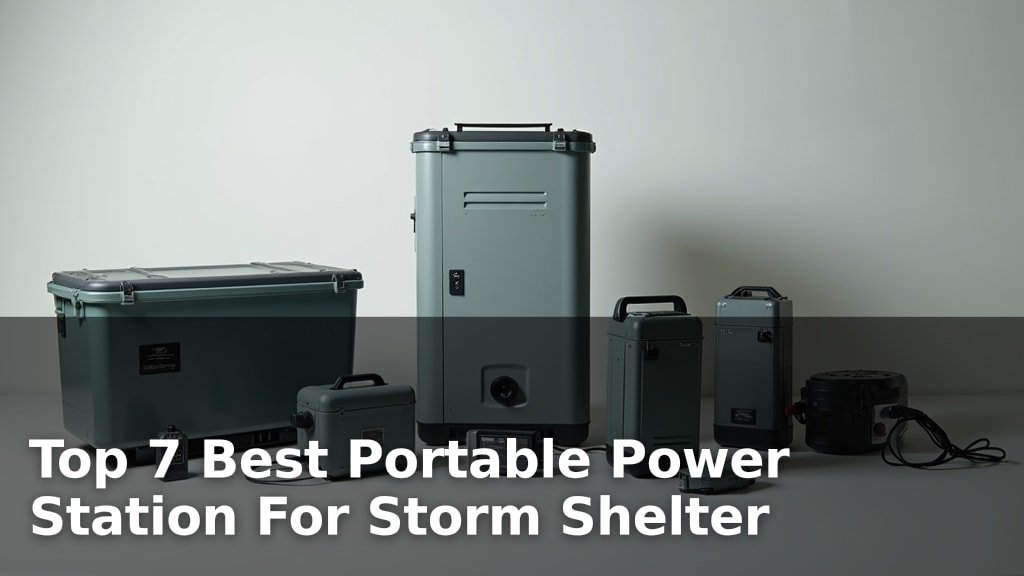
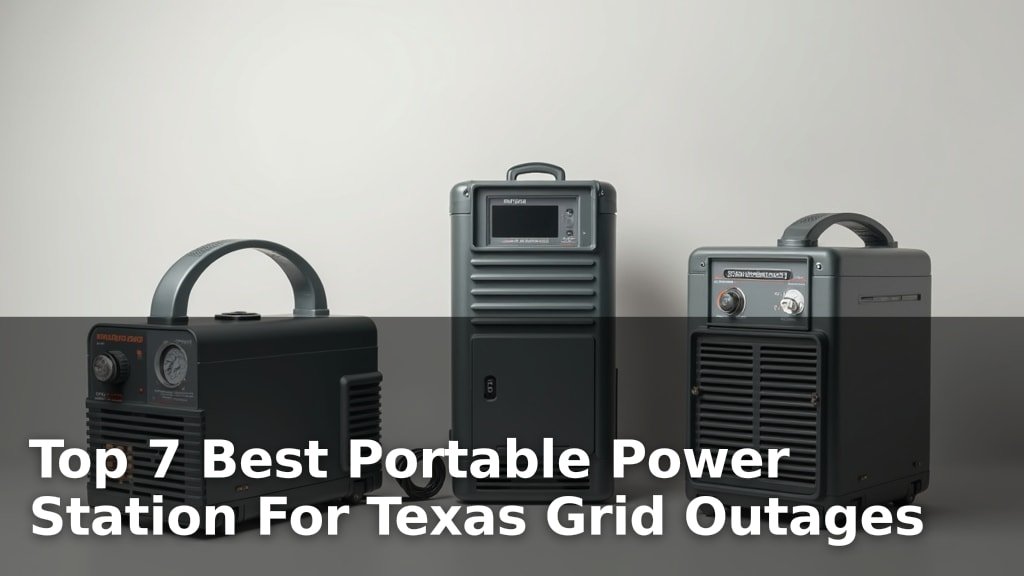
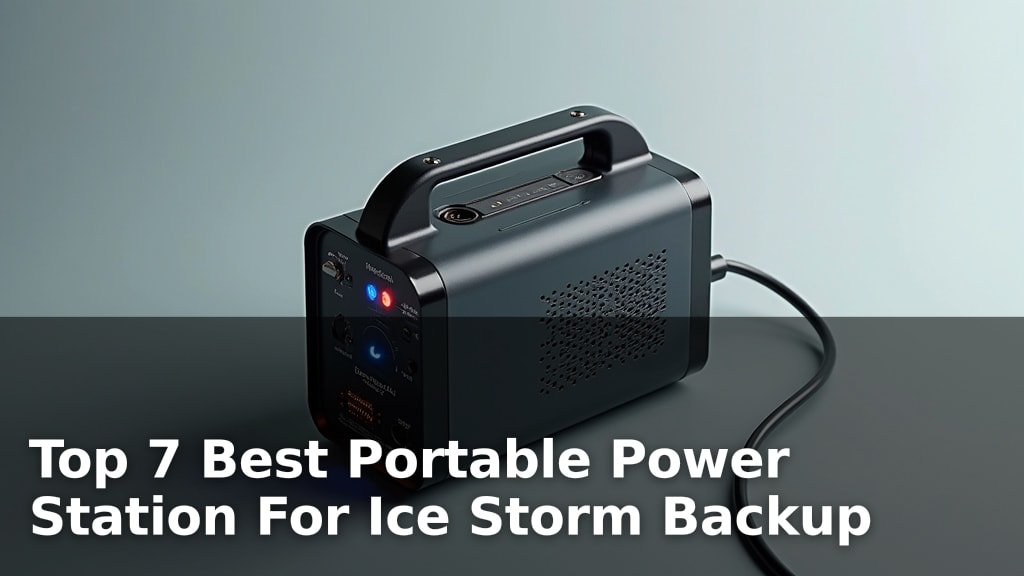
What Is the Best Power Station for a Beginner Prepper?
On this page (7 sections)
For a beginner prepper, the best power station is one that offers a good balance of portability, capacity, and ease of use. We found that a unit with at least a 500Wh capacity is a great starting point. This will reliably power essential devices like your phone, lights, and a small medical device. Think of it as your trusty sidekick for unexpected power outages, ensuring you stay connected and comfortable.
Choosing your first power station can feel a bit overwhelming, right? You want something that’s reliable without breaking the bank or requiring an engineering degree to operate. Many beginner preppers often start with a portable power station because they are user-friendly and versatile. They can keep your critical gadgets running when the grid goes down.
- Power stations are portable electricity sources.
- Look for 500Wh capacity for beginner needs.
- Key features: portability, capacity, and ease of use.
- They keep essential devices powered during outages.
Let’s dive into what makes a power station a good fit for someone just starting their prepping journey, and how to pick the right one for your needs.
Choosing Your First Power Station for Preparedness
Picking your first power station for prepping is a smart move. It’s like getting a backup battery for your home, but way more portable. Think of it as a giant power bank that can run more than just your phone. For beginners, the goal is simplicity and reliability. You want something that works right out of the box. You also want it to power the essentials when the lights go out.
Understanding Power Station Basics for Preppers
A portable power station is essentially a big battery with outlets. It stores electricity and lets you plug in your devices. This makes it different from a gas generator. Power stations are quiet and produce no fumes. This means you can use them indoors safely. They are charged using a wall outlet, your car, or solar panels. This versatility is key for preppers.
Key Components You’ll Find
Most power stations have a few main parts. You’ll see a battery inside that holds the charge. There’s an inverter that converts the battery’s DC power to AC power for your devices. You’ll also find various output ports. These can include standard wall outlets (AC), USB-A ports, and USB-C ports. Some models have even more specialized ports, like 12V car ports.
What Does Watt-Hour (Wh) Really Mean?
Watt-hours (Wh) tell you the battery’s total energy capacity. A higher Wh number means the power station can run your devices for longer. For instance, a 500Wh unit can power a 10W LED light for 50 hours (500 Wh / 10 W = 50 hours). We found that 500Wh is a solid starting point for beginners. It offers enough juice for several days of essential power.
The Importance of Output Power (Watts)
Output power, measured in watts (W), is also critical. This tells you how much power the station can deliver at one time. Your devices have wattage ratings. You need a power station that can meet the combined wattage of everything you plug in simultaneously. A 500Wh station might have a continuous output of 300W or 500W. Always check the peak or surge wattage, too. Some appliances need a boost to start.
Essential Features for Your First Power Station
When you’re just starting out, focus on a few key features. You don’t need all the bells and whistles yet. Simplicity and effectiveness are your best friends. We found that certain features make a big difference for beginners. They help you get the most out of your investment without getting overwhelmed. Keep it practical. Think about what you absolutely need.
Portability: Can You Carry It?
Portability is key for any power station, especially for beginners. You might need to move it around your home or even take it camping. Check the weight and dimensions. Many 500Wh models weigh between 10-20 pounds. This is generally manageable. Units over 30 pounds can become a bit cumbersome for some. Look for integrated handles to make carrying easier.
Ease of Use: Plug and Play Power
Your first power station should be user-friendly. You want to be able to plug in your devices and have them work immediately. Look for clear displays that show battery level and power output. Simple buttons and intuitive ports are a must. Avoid models with overly complicated settings or apps you don’t need right now. The goal is quick access to power.
Recharge Options: Staying Powered Up
How will you recharge your power station? The most common way is via a wall outlet. This is great for everyday use and topping up before an outage. Many units also support car charging, which is handy for RV trips or if you have a vehicle. For the more prepared prepper, solar charging is an excellent option. Check if the power station is compatible with solar panels. This provides true off-grid power. We found that having at least two recharge methods is a good idea.
What Can a Beginner Power Station Run?
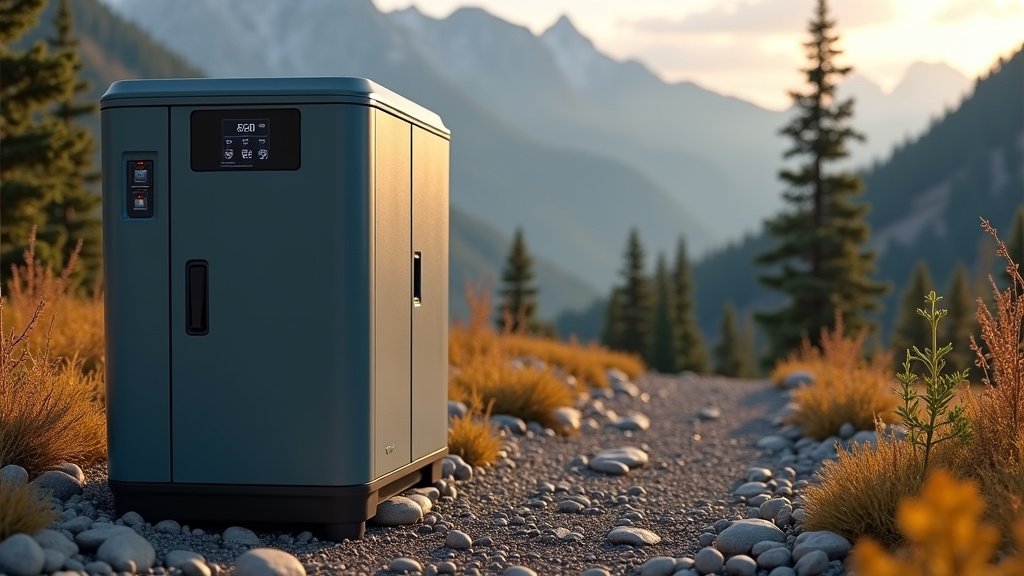
Let’s talk practicalities. What can a typical 500Wh power station actually power? It’s not going to run your entire house, but it’s incredibly useful. You can keep your communication devices charged. This includes smartphones, tablets, and satellite phones. You can also power lights, like LED camping lanterns. Small medical devices are another critical use. Think CPAP machines or portable oxygen concentrators. Small fans and radios are also easy to power.
Powering Your Communications
Staying connected is vital during emergencies. A power station can keep your phone, laptop, or Wi-Fi router running. This allows you to get updates, contact loved ones, and access information. Most smartphones can be recharged dozens of times from a 500Wh unit. Laptops can typically get several full charges as well.
Lighting and Comfort
Power outages often mean darkness. A power station can easily run LED lights. These are far more efficient than older incandescent bulbs. You can also power small fans for comfort. This can make a big difference, especially in warmer climates. Imagine having a bit of light and air circulation when you need it most.
Medical Needs and Essential Devices
For those with medical needs, a power station can be a lifesaver. Many portable medical devices run on AC power. A power station provides this essential function. Always check the wattage requirements of your specific medical device. Ensure the power station can handle its continuous and surge power needs. This is a top priority for many preppers.
Comparing Power Station Specs for Beginners
To help you visualize, let’s look at a simplified comparison. Think of these as common specs you’ll encounter. This table shows typical ranges for beginner-friendly units. Remember to always check the exact specifications for any model you consider. Specs can vary widely between brands and even within product lines.
| Feature | Typical Range for Beginners | Why It Matters |
|---|---|---|
| Capacity (Wh) | 400Wh – 600Wh | Determines how long devices can run. 500Wh is a great starting point. |
| Continuous Output (W) | 300W – 500W | Power delivery rate. Needs to match your devices’ combined needs. |
| Peak Output (W) | 600W – 1000W | Surge power for starting appliances like refrigerators or blenders. |
| Weight | 10 lbs – 20 lbs | Affects portability. Lighter is generally better for beginners. |
| AC Outlets | 1-3 standard wall outlets | How many devices you can plug in at once. |
| USB Ports | 2-4 (USB-A and USB-C) | For charging phones, tablets, and other small electronics. |
A Quick Checklist for Your Purchase Decision
Ready to make a choice? Here’s a quick rundown to keep you on track. Use this to compare models and ensure you’re getting what you need.
- Capacity: Aim for 500Wh or higher.
- Output: Ensure it meets your essential device needs.
- Weight: Choose a unit you can comfortably lift.
- Ports: Verify it has the outlets you require.
- Recharge: Check for wall and solar charging options.
- Simplicity: Select a model that’s easy to operate.
Conclusion
You’ve learned that the best power station for your beginner prepping journey is one that balances portability, capacity, and ease of use. A unit around 500Wh offers a solid start for powering essential devices like your phone and lights. Remember to check output wattage and recharge options, especially solar compatibility. Your first power station is a practical tool to keep you connected and comfortable during unexpected outages. Start with a simple, reliable model to build your preparedness confidence.
Frequently Asked Questions
How long will a 500Wh power station last?
A 500Wh power station can power a 10W device for about 50 hours. This is a good estimate for things like LED lights or charging phones. Actual run time depends on the total wattage of devices you connect simultaneously.
Can I run a small refrigerator with a beginner power station?
Most beginner power stations, typically around 500Wh, cannot run a standard refrigerator. Refrigerators have high starting wattage and continuous power needs. You’d need a much larger and more powerful unit for that specific task.
Are power stations safe to use indoors?
Yes, unlike gas generators, power stations are completely safe for indoor use. They operate silently and produce no harmful fumes or exhaust. This makes them ideal for use within your home during emergencies.
What is the best way to recharge a power station for prepping?
While wall charging is convenient, we found that having a solar charging option is best for true preparedness. This allows you to recharge your power station off-grid, ensuring you have power even if the main electricity is out for extended periods.
Do I need a power station if I have a car charger?
A power station is different from a car charger. While a car charger can top up your phone, a power station acts as a large, portable battery for multiple devices. It provides AC outlets, USB ports, and a much larger energy reserve than your car alone.