Can You Use a Portable Power Station Indoors?
On this page (5 sections)
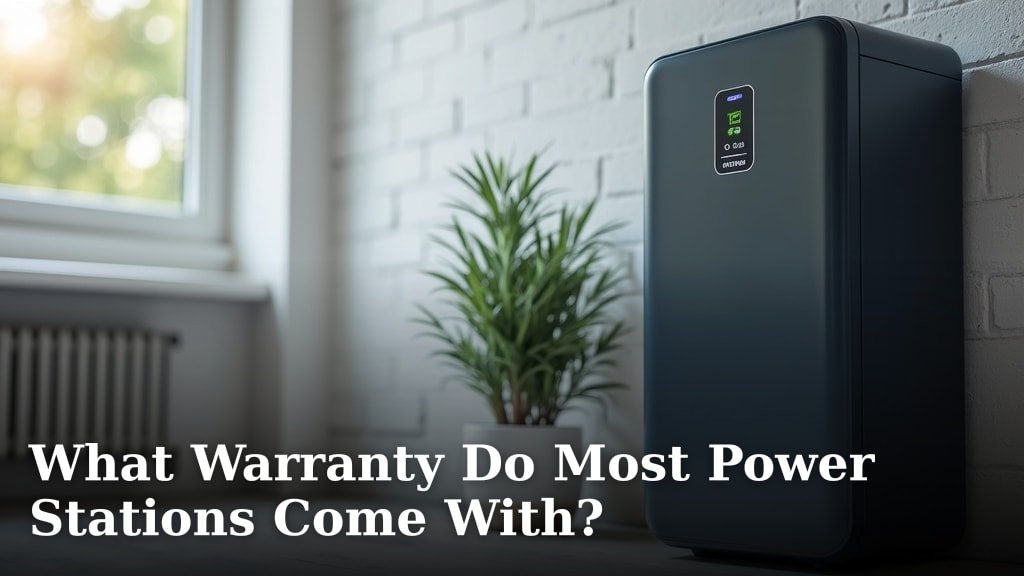
Yes, you can absolutely use a portable power station indoors. Unlike traditional gas generators, these devices are designed to be safe for indoor use, providing a clean and quiet power source for your home.
We found that portable power stations operate without fumes or loud noise. This makes them a perfect backup option for outages or for powering your gear in any room. You get a lot of flexibility without the hassle.
- Portable power stations are safe for indoor use.
- They produce no fumes or carbon monoxide.
- They run quietly and efficiently.
- Great for home backup or powering electronics anywhere.
- A much safer alternative to gas generators indoors.
Let’s walk through everything you need to know about using your portable power station indoors safely and effectively. We’ll cover the benefits and what to look for when choosing one.
Understanding Indoor Use of Portable Power Stations
You can definitely use a portable power station inside your home without worry. These devices offer a safe and convenient alternative to traditional generators, perfect for keeping your essential items powered during an outage or for everyday tasks.
Think of them as giant, rechargeable batteries with outlets. They provide electricity for your devices without the fuss. Let’s look at why they are so well-suited for indoor environments.
Why Portable Power Stations Are Safe Indoors
The primary reason portable power stations are safe for indoor use boils down to their operational method. Follow these fire prevention steps when using one at home. Unlike gas generators, they don’t burn fuel. This means no dangerous exhaust fumes are produced. You won’t have to worry about carbon monoxide poisoning, which is a very serious concern with gasoline-powered units (CDC). For outdoor use in wet weather, see power station rain safety.
They operate on a battery, silently converting stored energy into usable AC power. This clean operation is a major advantage. You can have them right next to you, powering a lamp or charging your phone, without any risk to your health.
Comparing Indoor Safety: Portable Power Stations vs. Gas Generators
When you consider indoor use, the differences between these two power sources are stark. Gas generators are powerful but come with significant risks if not used properly. Portable power stations, on the other hand, are designed with indoor safety in mind.
| Feature | Portable Power Station | Gas Generator |
|---|---|---|
| Fuel Type | Battery (rechargeable) | Gasoline, Propane, Diesel |
| Exhaust Fumes | None | Yes (Carbon Monoxide Risk) |
| Noise Level | Very Low / Silent | Loud |
| Maintenance | Minimal | Regular Engine Maintenance |
| Setup | Plug & Play | Careful Outdoor Placement |
| Indoor Use | Safe | Dangerous (Outdoor Only) |
As you can see, the peace of mind you get with a portable power station indoors is unmatched. You simply charge it up and store it, ready for whenever you need it.
The Benefits of Using Them Inside Your Home
Beyond safety, there are many practical advantages to having a portable power station indoors. They make your life easier and more comfortable, especially when the unexpected happens.
- Quiet Operation: You can power your devices without the loud rumble of a gas engine. Perfect for quiet evenings or when working from home.
- No Fumes or Emissions: Breathe easy knowing there are no harmful gases being released into your living space.
- Instant Power: Whenever the lights go out, your power station is ready. No need to go outside in the rain or cold to start anything.
- Versatility: Use it in any room – the living room for TV, the bedroom for a CPAP machine, or the kitchen for small appliances.
- Easy Recharging: Many can recharge from a wall outlet, car, or even solar panels, offering flexible charging options.
- Portability: They are designed to be moved easily from one location to another, whether it’s room to room or out to the patio.
These benefits mean you can keep your daily routine largely uninterrupted, even during a blackout. It’s like having a little slice of the power grid, just for you.
Choosing the Right Portable Power Station for Your Indoor Needs
Now that you know how safe and convenient these devices are, how do you pick the right one? It depends on what you plan to power. Not all power stations are created equal, and capacity is key.
Consider what items are essential to you during an outage. Is it just your phone and a lamp? Or do you need to power a refrigerator and a small fan? Knowing your power needs will guide your choice.
Capacity and Power Output: What Do They Mean for You?
When you look at portable power stations, you’ll see terms like “Watt-hours (Wh)” and “Watts (W).” These numbers are important because they tell you how much power the unit can store and how much it can deliver at one time.
- Watt-hours (Wh): This is the battery’s capacity. It tells you how long a device can run. For example, a 500Wh power station could run a 100W light bulb for about 5 hours.
- Watts (W): This is the power output. It tells you what kind of devices the power station can handle. A 300W power station can run devices that draw up to 300 watts at any given moment.
We found that for typical indoor use, like charging phones, laptops, and running a lamp, a power station with 300-500Wh capacity and 300-500W output is often sufficient. If you need to power larger appliances like a mini-fridge or a microwave, you’ll need a higher capacity and output.
Key Features to Look for in an Indoor Power Station
Beyond capacity, several features can make a big difference in your experience. You want a unit that’s not just powerful, but also user-friendly and reliable.
- Multiple Outlet Types: Look for AC outlets (like your wall outlets), USB-A, and USB-C ports. This ensures you can charge a variety of devices.
- Pure Sine Wave Inverter: This is important for sensitive electronics like laptops and medical equipment. It provides clean, stable power, similar to what you get from the wall. We found that most modern power stations come with this.
- Quiet Cooling Fan: Even silent operation can generate a little heat, so a fan might kick in. Make sure it’s not too loud, especially if you plan to use it in a bedroom.
- Fast Charging Capability: How quickly can the power station recharge itself? Some offer rapid charging, which is great when you need it ready again fast.
- Safety Protections: Ensure it has overcharge, over-discharge, over-current, and short-circuit protection. Reputable brands always include these.
By considering these features, you can select a power station that fits your indoor powering needs perfectly. It’s an investment in your comfort and peace of mind.
What About Sizing? Matching the Power Station to Your Needs
One common question is, “How big of a power station do I actually need?” It’s a great question, and it’s all about balancing what you want to power with your budget and portability needs. You don’t want to buy something too small, but you also don’t want to overspend on something you don’t need.
Many experts suggest creating a list of your essential items and their wattage. You can usually find this info on the device’s label or owner’s manual. Add up the total wattage for items you’d want to run simultaneously, then estimate how long you’d need them on. This helps you calculate a suitable Wh and W rating.
For instance, if you need to run a 60W lamp for 4 hours and charge a 10W phone for 2 hours, your minimal Wh need would be (60W * 4h) + (10W * 2h) = 240Wh + 20Wh = 260Wh. Always aim for a power station with a capacity higher than your calculated needs to give you some cushion.
Best Practices for Indoor Use and Maintenance
While portable power stations are generally safe and easy to use indoors, a few guidelines can ensure you get the most out of your device and maintain it effectively. Think of it like caring for any other important electronic in your home.
Initial Setup and First Use Tips
When you first unbox your portable power station, take a moment to read the instruction manual. We know, it’s tempting to just plug it in! But a quick read will give you important details specific to your model.
- Fully Charge It: Before its first use, fully charge the power station. This helps calibrate the battery.
- Test It Out: Plug in a simple device, like a lamp, to ensure everything works as expected.
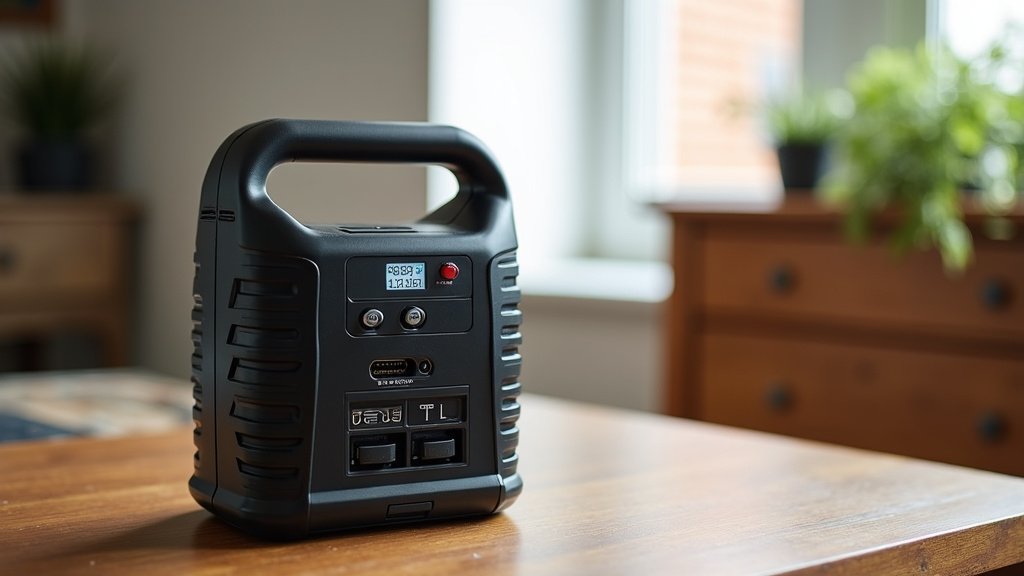
- Find a Good Spot: Place it on a flat, stable surface where air can circulate around it. Avoid covering vents.
- Store Properly: If not using it immediately, store it in a cool, dry place away from direct sunlight.
Following these steps will get your power station ready for action and help prolong its lifespan.
Ongoing Care and Maintenance for Longevity
Taking good care of your portable power station isn’t complicated. A little attention goes a long way in ensuring it’s always ready when you need it. We found that most battery issues arise from improper storage or overcharging a station.
Here’s a simple checklist to keep your power station in top condition:
- Recharge Regularly: Even if not used, recharge it every 3-6 months to about 80% charge. This prevents deep discharge, which can harm the battery.
- Keep it Clean: Wipe down the exterior with a dry cloth. Don’t let dust build up in the vents.
- Avoid Extreme Temperatures: Don’t store or use it in very hot or very cold conditions. This can degrade battery performance.
- Don’t Overload: Be mindful of the maximum wattage the unit can handle. Overloading can trigger safety shutdowns or damage components.
- Use Original Chargers: Always use the charger provided by the manufacturer. Third-party chargers might not be compatible and could cause issues.
By following these easy tips, you’ll ensure your indoor power station remains a reliable source of energy for years to come. It’s a smart way to prepare for any power disruption, big or small.
Conclusion
You now know that a portable power station is a safe and incredibly useful addition to your home. It provides quiet, fume-free power for your essential devices, making power outages far less stressful. We’ve shown you why they are superior to gas generators for indoor use and how to choose the right one for your needs.
By understanding capacity, output, and key features, you can select a unit that offers true peace of mind. Invest in a portable power station today and ensure your home stays powered, no matter what comes your way. Your comfort and convenience are worth it.
Frequently Asked Questions
Can a portable power station power a whole house?
Typically, no. Portable power stations are designed for specific appliances or essential circuits, not an entire home simultaneously. They are best for keeping critical devices like fridges, lights, or medical equipment running during shorter outages.
How long can a portable power station hold a charge?
A portable power station can hold a charge for several months when stored properly. We recommend recharging it every 3-6 months to about 80% capacity to maintain battery health and ensure it’s ready when you need it.
Do portable power stations need ventilation indoors?
While they don’t produce toxic fumes like gas generators, portable power stations still generate a small amount of heat. It’s always best practice to place them in a spot with good air circulation and avoid blocking any vents to prevent overheating.
Are all portable power stations safe for sensitive electronics?
Most modern portable power stations feature a pure sine wave inverter. This ensures they provide clean, stable electricity, which is safe for sensitive electronics like laptops, TVs, and medical devices. Always check for this feature before purchasing.
What is the best way to charge a portable power station indoors?
You can recharge most portable power stations via a standard wall outlet. This is typically the fastest and most convenient method for indoor charging. Some models also offer solar panel or car charging options for added flexibility.