Do Power Stations Work in Extreme Heat?
On this page (5 sections)
Yes, power stations can work in extreme heat, but their efficiency and output can be reduced. High temperatures make it harder for power plants to cool their machinery, especially thermal plants. This means they may generate less electricity when demand is highest during heatwaves.
When ambient temperatures soar, power stations face a difficult challenge. Their cooling systems become less effective, requiring them to operate at a reduced capacity. This is particularly true for power sources that rely on water or air for cooling, impacting their ability to meet peak energy needs during sweltering summer days.
- Power stations can operate in extreme heat.
- Their efficiency may drop significantly.
- Cooling becomes a major challenge for plants.
- This can lead to reduced electricity generation.
- Demand often spikes during hot weather.
We’ve researched how extreme heat affects different types of power stations. Let’s walk through exactly how this works and what it means for your power supply.
How Extreme Heat Affects Power Generation Plants
Can power stations handle sweltering temperatures? Yes, they can operate, but it’s a tough challenge. Extreme heat makes it much harder for them to do their job efficiently. Think of it like trying to run a marathon on a scorching hot day – you’ll probably slow down.
The Cooling Challenge: A Thermal Plant’s Worst Enemy
Most power plants, especially traditional ones, rely on cooling systems. They use water or air to keep their machinery from overheating. When the outside air is already very hot, these cooling systems can’t work as well. It’s like trying to cool yourself with a fan when the room is already 90 degrees Fahrenheit. Learn more about the safe operating temperature limits for power stations.
Thermal Power Plants and Their Cooling Needs
Thermal power plants, like those burning coal, natural gas, or nuclear energy, generate electricity by heating water to create steam. This steam then spins turbines. To make this process efficient, the steam needs to be cooled back into water after passing through the turbines. This cooling step is critical for the cycle to continue smoothly.
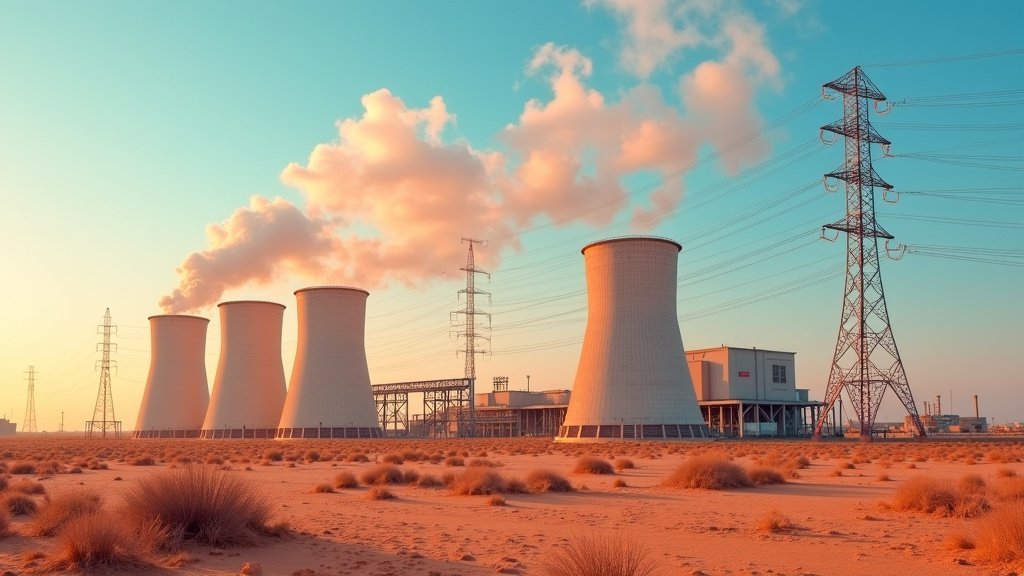
They often use large cooling towers or bodies of water like rivers or lakes. In extreme heat, the water in these cooling towers or nearby bodies of water gets warmer. This warmer water is less effective at absorbing the excess heat from the power plant’s equipment. We found that this can lead to a noticeable drop in electricity output.
Impact on Efficiency and Output
When cooling is less effective, power plants can’t run at their full capacity. They have to slow things down to prevent damage. This means they generate less electricity. It’s a bit like your car’s engine overheating; you’d ease off the gas pedal, right?
Research shows that for every degree the ambient temperature rises above a certain point, a thermal power plant’s output can decrease. This is especially problematic because extreme heat also means people are using more electricity. They’re running air conditioners, fans, and other cooling devices constantly. This creates a double whammy: lower supply and higher demand.
Other Power Sources and Heat’s Influence
While thermal plants are particularly sensitive, other energy sources also face challenges. Let’s look at a few:
Solar Power: Too Much of a Good Thing?
You might think solar panels would love sunshine, and they do! But extreme heat can actually make them less efficient. Solar panels, like most electronic devices, have an optimal operating temperature. When they get too hot, their performance drops.
We found that for every degree above their ideal temperature, solar panels can lose a small percentage of their energy-generating capacity. This means on the hottest days, when you might expect them to be producing the most power, they might be producing a bit less than usual. It’s a trade-off: plenty of sun, but less efficient conversion.
Wind Power: The Invisible Factor
Wind turbines generally don’t suffer from heat in the same way thermal or solar plants do. Their main limitation is wind speed. Interestingly, sometimes extreme heat can lead to calmer weather, which means less wind. So, while the turbines themselves are robust, the conditions that cause heatwaves can indirectly reduce their output.
On the flip side, some studies suggest that changes in atmospheric patterns due to climate change might increase wind speeds in certain regions during hotter months. This is a complex area, and its impact varies greatly by location. For the most part, though, extreme heat doesn’t directly harm the turbines themselves.
Hydropower: Water Levels Matter
Hydropower plants rely on the flow of water, usually stored in reservoirs behind dams. Extreme heat can lead to increased evaporation from reservoirs and drier conditions, which can reduce water levels. Lower water levels mean less water flowing through the turbines.
This can directly translate to less electricity generation. Droughts, often exacerbated by heatwaves, are a major concern for hydropower. It’s a reminder that all energy sources are interconnected with the environment.
How Power Grid Operators Cope with Heatwaves
Grid operators are constantly working to keep the lights on, especially during stressful times like heatwaves. They have several strategies to manage the situation.
Predicting and Managing Demand
Forecasting electricity demand is a huge part of their job. They use weather forecasts, historical data, and sophisticated models to predict how much power will be needed. During heatwaves, they know demand will spike due to air conditioning use.
They communicate with power plant operators to understand potential output reductions. This allows them to make adjustments in advance. It’s a bit like a chef knowing a big party is coming and preparing extra ingredients.
Utilities’ Strategies for Reliability
Utility companies employ several tactics to maintain a stable power supply during hot weather:
- Encouraging energy conservation: They often ask customers to reduce electricity use during peak hours. This might mean suggesting you delay running large appliances like washing machines or dishwashers until the evening.
- Activating reserve power sources: Some plants can be brought online quickly to supplement the main power supply if needed. These might be peaker plants designed for short-term use.
- Managing grid congestion: They work to ensure electricity can flow smoothly from where it’s generated to where it’s needed, preventing bottlenecks.
- Coordinating with neighboring grids: Sometimes, power can be imported from other regions if their local supply is insufficient.
The Role of Energy Storage
Battery storage systems are becoming increasingly important. These systems can store electricity when it’s plentiful and less expensive, and then release it when demand is high, like during a heatwave. This helps to smooth out supply and demand and provides a buffer.
Think of batteries as a reserve tank of power. They can help fill the gap when traditional power sources are struggling to keep up. As battery technology improves and costs decrease, their role in grid stability during extreme weather is expected to grow.
Preparing Your Home for Heat-Related Power Challenges
While power companies work to keep the grid stable, it’s also smart to be prepared at home. Here’s what you can do to make your home more resilient.
Conserving Energy During Peak Times
When you know a heatwave is coming, or if your utility sends out a conservation alert, take action. Simple steps can make a big difference. Reducing your energy footprint helps the grid immensely.
- Adjust your thermostat a few degrees higher.
- Close blinds and curtains to keep the sun out.
- Avoid using heat-producing appliances like ovens or dryers during peak hours.
- Turn off lights and electronics when not in use.
Ensuring Your Home is Heat-Resistant
Making your home more energy-efficient can reduce strain on the power grid and keep you more comfortable. Proper insulation and sealing air leaks are key. This means your air conditioner doesn’t have to work as hard, consuming less electricity.
Consider installing energy-efficient windows or using reflective window films. Good insulation in your attic and walls acts like a cozy blanket in winter and a heat shield in summer. Your home’s energy efficiency is a direct benefit to your comfort and the grid’s stability.
Having a Backup Plan
In some areas, power outages during extreme heat are a real possibility. It’s wise to have a plan. This might include having a small generator for essential appliances or making arrangements to stay somewhere cooler if an outage occurs.
Ensure you have a supply of water and any necessary medications that require refrigeration. Knowing what to do can help you stay safe and comfortable if the power does go out. Your preparedness can prevent discomfort and potential hazards.
Ultimately, power stations can and do work in extreme heat. However, their performance is impacted, making it a challenging time for grid operators and consumers alike. Understanding these challenges helps us appreciate the efforts made to keep our lights on and to take steps to be more energy-conscious ourselves.
Conclusion
So, can power stations handle the heat? Yes, they can keep running, but it’s a real challenge. Extreme heat forces them to work harder, often leading to reduced output just when you need power the most. We’ve seen how thermal plants struggle with cooling, solar panels become less efficient, and even wind and hydropower can be indirectly affected. Grid operators are smart and have plans, but your own energy conservation efforts at home make a big difference. Your preparedness helps everyone stay cool and the grid stay stable.
Frequently Asked Questions
Will my power go out during a heatwave because power plants can’t cope?
It’s not guaranteed, but power outages are more likely during extreme heat. When power plants can’t generate enough electricity to meet demand, and other strategies fail, the grid might need to implement rolling blackouts to prevent a larger collapse. Your utility company will usually try to avoid this by asking for conservation.
Are there any types of power plants that benefit from extreme heat?
Generally, no power station type truly benefits from extreme heat. While solar panels need sunshine, they perform best within a specific temperature range. Higher temperatures actually decrease their efficiency. Most power generation methods rely on stable operating conditions and cooling, which heatwaves disrupt.
How much less electricity can a power station produce in hot weather?
The exact reduction varies greatly by plant type, age, and specific cooling technology. However, research indicates that thermal power plants can see a noticeable drop in output, sometimes several percent for every degree above their optimal operating temperature. This compounding effect during a prolonged heatwave can be substantial.
What can I do at home to help the power grid during a heatwave?
The best thing you can do is conserve energy, especially during peak demand hours (usually late afternoon). This includes adjusting your thermostat a few degrees higher, closing blinds, delaying use of large appliances like washing machines or dishwashers, and turning off lights and electronics when not needed. Every little bit helps reduce strain on the grid.
Does extreme heat affect the power lines or transmission systems themselves?
Yes, extreme heat can affect transmission lines. High temperatures can cause power lines to sag, increasing the risk of them touching trees or other objects, which can lead to outages. Additionally, the increased demand from air conditioning puts a greater load on the entire transmission infrastructure, making it more susceptible to issues.