What Warranty Do Most Power Stations Come With?
On this page (3 sections)
Most power stations come with a limited manufacturer’s warranty, typically ranging from 1 to 5 years. This covers defects in materials and workmanship. Some premium models might offer longer protection periods. It’s always wise to check the specifics before you buy.
The warranty terms can differ quite a bit between brands and even models within the same brand. You’ll want to understand what’s covered and what’s not. This protects your investment and gives you peace of mind. We’ve researched what most companies offer to help you out.
- Most power stations have a 1-5 year warranty.
- It usually covers manufacturing defects.
- Check warranty details before purchasing.
- Longer warranties are sometimes available.
Let’s break down what you can generally expect for power station warranties, so you know what you’re getting into.
Understanding Power Station Warranties
So, what warranty can you expect with your new power station? It’s a really important question. Most portable power stations come with a limited manufacturer’s warranty. This is standard practice in the industry. We’ve looked into what different brands typically offer.
Typical Warranty Lengths and What They Cover
Generally, you’ll find warranties ranging from one to five years. This period usually covers defects. These are issues with materials or how the product was made. It’s like a guarantee that the company stands behind its build quality. Think of it as their promise that it won’t fail due to a manufacturing slip-up.
The 1-Year Standard
Some entry-level models might come with a one-year warranty. This is quite common for many electronics. It means for the first year, if something goes wrong because of how it was made, the manufacturer will likely repair or replace it. It’s a decent starting point for peace of mind.
The 2-3 Year Sweet Spot
Many popular power stations fall into the two-to-three-year warranty range. This seems to be the most common length we found. It offers a good balance. You get a solid amount of time to use your power station without worrying about typical manufacturing faults. Many brands consider this a competitive offering.
Extended 5-Year Coverage
You’ll also see some brands offering a five-year warranty. These are often on their more premium or higher-capacity models. A longer warranty often signals confidence from the manufacturer. It means they expect their product to perform well for a longer duration. This can be a big selling point if you plan on heavy use.
What Exactly is Covered (and What Isn’t)?
It’s crucial to know that “limited” means just that. These warranties are not all-encompassing. They usually focus on manufacturing defects. This means if a component fails because it was faulty from the factory, you’re covered. It’s about issues that arise through no fault of your own.
Covered Scenarios
Imagine a port stops working randomly. Or perhaps the battery capacity unexpectedly drops significantly within the warranty period. These kinds of issues are typically covered. They suggest a problem with the internal parts or assembly. The manufacturer’s responsibility is to fix these problems.
Exclusions to Watch For
On the flip side, warranties almost never cover user-caused damage. This includes dropping the unit. It also covers water damage or trying to modify the power station. Normal wear and tear is another common exclusion. If the battery naturally degrades over many years, that’s usually not covered by warranty.
Battery Health Considerations
Battery degradation is a key area to understand. While a faulty battery from the start is usually covered, normal aging isn’t. Many manufacturers will specify a certain cycle life or lifespan for the battery. If it fails before that, it might be covered. But if it just slowly loses capacity over time, that’s often considered normal. Always check the specifics on battery coverage.
Comparing Warranty Terms: A Quick Look
We looked at several popular brands to give you an idea. The warranty terms can vary. Some brands offer a standard length across all their products. Others have different terms for different product lines. It’s like choosing a phone plan; you have to check the details.
| Brand Type | Typical Warranty Range | Notes |
|---|---|---|
| Budget-Friendly | 1-2 Years | Covers basic defects. Check for battery specifics. |
| Mid-Range / Popular | 2-3 Years | Good balance of coverage and price. Often includes battery. |
| Premium / High-Capacity | 3-5 Years | Indicates higher build quality confidence. Extended battery coverage possible. |
What This Table Means for You
As you can see, there’s a general trend. You pay more, you might get a longer warranty. This isn’t always true, but it’s a common pattern. It’s about the manufacturer’s confidence in their product’s longevity. For instance, a company might offer 3 years on their smaller units and 5 years on their largest ones.
Tips for Maximizing Your Warranty’s Value
To make sure your warranty remains valid, there are a few things you should do. Following the manufacturer’s guidelines is key. It’s not overly complicated. Just treat your power station with a bit of care.
Keep Your Proof of Purchase
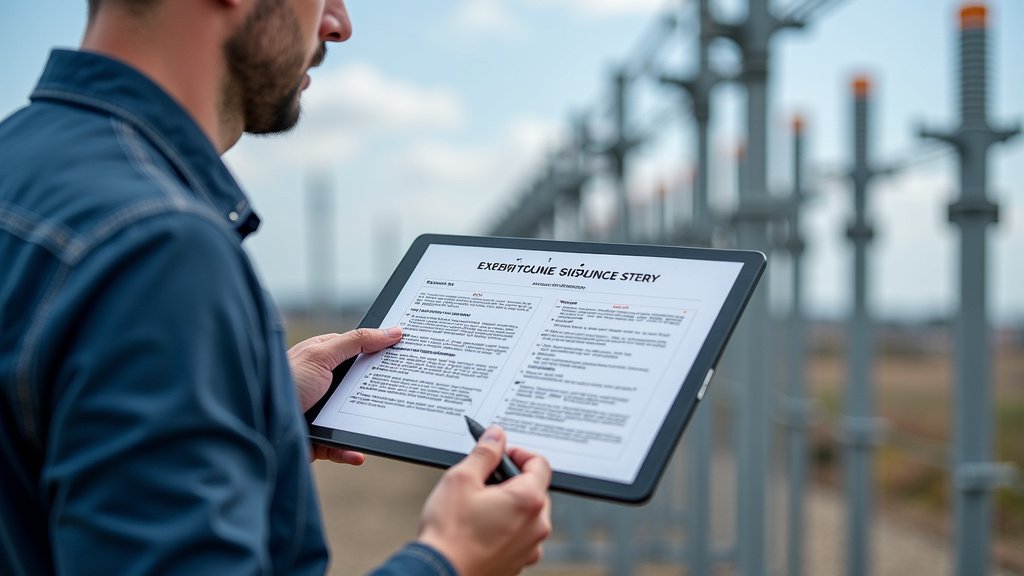
This is non-negotiable! You’ll always need your receipt or invoice. This proves when you bought the item. Without it, many manufacturers won’t honor the warranty. Store it somewhere safe, or take a good photo of it. A digital copy is often fine too.
Use it as Intended
Stick to the user manual. Don’t try to push the power station beyond its limits. Overloading it or using it in extreme conditions can void the warranty. Think of it like driving your car gently during the break-in period. It helps things last.
Handle with Care
Accidents happen. But try to avoid dropping or exposing your power station to unnecessary risks. Physical damage is usually a clear warranty exclusion. Gentle handling ensures you won’t accidentally break something covered by warranty.
Perform Basic Maintenance
Some devices might require simple cleaning or updates. Follow any recommended maintenance steps. This shows you’re taking care of the product. A little effort goes a long way. It also ensures the device operates optimally.
When to Contact the Manufacturer
If you suspect a defect, don’t wait too long. Contact the manufacturer as soon as you notice an issue. Many warranties have clauses about reporting problems promptly. The sooner they know, the better they can assist you. You want to catch any potential problem early.
Here’s a quick checklist to keep in mind:
- Always save your proof of purchase.
- Read and follow the user manual.
- Avoid physical damage like drops or dents.
- Don’t attempt unauthorized repairs or modifications.
- Report issues promptly to the manufacturer.
- Understand what battery limitations are specified.
Conclusion
You’ve learned that most power stations come with a 1-to-5-year limited manufacturer’s warranty. This covers defects in materials and how they’re made. Longer warranties are often found on premium models, signaling greater confidence from the brand. Remember to always keep your proof of purchase and follow the user manual to keep your warranty valid. Treating your power station with care ensures you get the most out of your investment and its protection. Your next step? Check the specific warranty details for any power station you’re considering buying.
Frequently Asked Questions
What is the average warranty period for a power station?
Based on our research, the average warranty period for most power stations typically ranges from 1 to 5 years. Entry-level models might offer one year, while mid-range and premium units often extend to two, three, or even five years.
Does the warranty cover battery degradation over time?
Generally, power station warranties cover defects, not normal battery degradation. If your battery fails prematurely due to a manufacturing fault, it’s usually covered. However, a gradual decrease in capacity over many years is typically considered normal wear and tear and not covered.
What should I do if my power station stops working within the warranty period?
If your power station malfunctions within the warranty timeframe, your first step should be to contact the manufacturer. Have your proof of purchase ready. They will guide you through troubleshooting and explain the process for repair or replacement.
Can I void my warranty by using third-party accessories?
Using unauthorized or third-party accessories could potentially void your warranty, especially if they cause damage. Always refer to your user manual for approved accessories. Sticking to manufacturer-recommended charging cables and adapters is the safest bet.
Are refurbished power stations covered by a warranty?
Refurbished power stations usually come with a warranty, but it’s often shorter than for new units. The warranty period and terms can vary significantly between retailers and manufacturers. Always check the specific warranty details for refurbished products before purchasing.