Can You Use a Portable Power Station in the Rain?
On this page (5 sections)
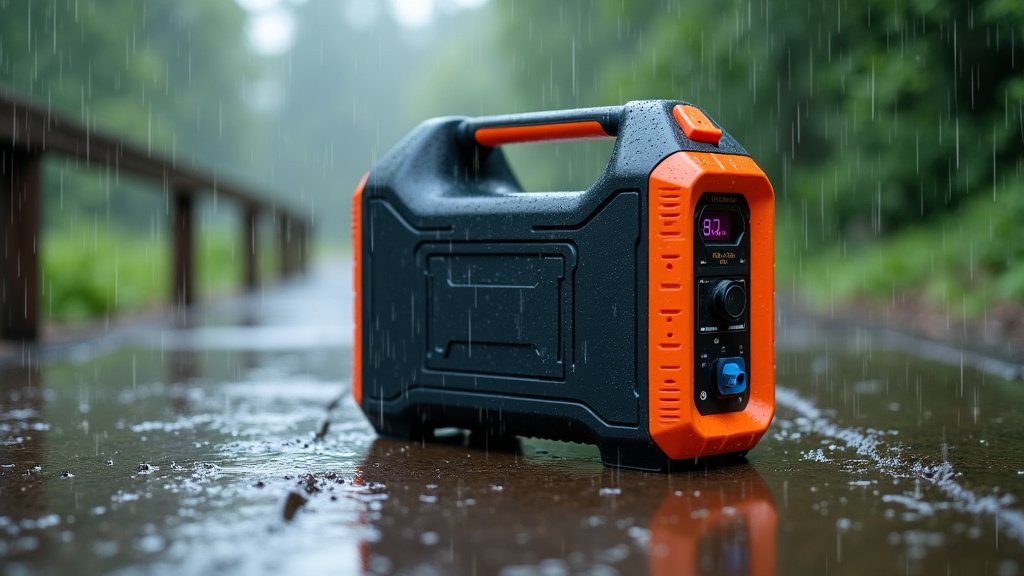
You might be wondering, “Can I use my portable power station in the rain?” The short answer is: it depends on the power station. While many are designed for outdoor use, most are not waterproof and can be damaged by direct rain. Always check your model’s specific weather resistance rating before exposing it to wet conditions.
Water and electricity generally don’t mix well, which is why understanding your power station’s limits is key. Some portable power stations offer a degree of water resistance, making them suitable for light drizzle. But heavy downpours are a different story. Protecting your investment means knowing when to bring it inside or cover it up, even if it’s built for adventure.
- Most power stations are water-resistant, not waterproof.
- Check your model’s IP rating for weather protection.
- Keep it out of direct, heavy rain.
- Cover it if unexpected showers occur.
- Always prioritize safety around electricity and water.
Let’s break down what you need to know about using your portable power station when the weather isn’t cooperating, and how to keep it safe and functioning. See Using Portable Power Station High for more details.
You’ve got your portable power station, ready for adventure. But what happens when the weather takes a turn? Can you really use it out in the rain without causing a disaster? It’s a common question, and the answer isn’t always a simple yes or no. Let’s get into the details so you can keep your gear safe and powered up, no matter what the sky is doing.
Keeping Your Portable Power Station Safe in Wet Weather
So, can you leave your portable power station out in the rain? Generally, no, you should not expose most portable power stations to direct rain. See Using Power Stations Dusty Environments for more details. While some are built tougher than others, treating them like they’re waterproof could lead to serious damage or even safety hazards.
Think of your power station like a fancy electronic gadget. You wouldn’t leave your laptop or phone out in a downpour, right? The same principle applies here. Water can seep into components, causing short circuits and corrosion. Even if it seems to work fine afterward, the long-term effects can be detrimental.
Understanding Weather Resistance Ratings (IP Codes)
The key to knowing if your power station can handle a bit of moisture lies in its Ingress Protection (IP) rating. You’ll usually find this on the device itself, in the user manual, or on the manufacturer’s website. An IP rating tells you how well the unit is protected against solid objects (like dust) and liquids (like water). See our guide to sand and dust protection for more care tips.
An IP rating has two digits. The first digit is for solids, and the second is for liquids. For our purposes, we’re interested in the second digit, which relates to water. For example, a rating of IPX4 means it’s protected against splashing water from any direction. An IPX5 rating offers protection against low-pressure water jets, while IPX7 means it can be submerged in water up to 1 meter for 30 minutes.
What Do Common IP Ratings Mean for Rain?
- IPX0 – IPX3: These offer very little to no protection against water. Avoid rain completely.
- IPX4: Protected against splashes. Light drizzle might be okay, but don’t expect it to handle a shower.
- IPX5: Protected against low-pressure water jets. This is better, but still not ideal for steady rain. Think of it like a light spray.
- IPX6: Protected against strong water jets. This is getting closer to being rain-resistant.
- IPX7: Submersible up to 1 meter for 30 minutes. These are rare in typical portable power stations and are designed for more extreme conditions.
- IPX8: Submersible deeper than 1 meter. Even rarer.
We found that most mainstream portable power stations fall into the IPX4 to IPX5 range. This means they can handle a bit of accidental splashing or a very light mist. However, they are not designed to sit out in a steady rainstorm.
The Difference Between Water-Resistant and Waterproof
It’s crucial to understand this distinction. Water-resistant means the device can withstand some exposure to water under specific conditions, usually splashes or light rain, for a limited time. Waterproof, on the other hand, implies it can be submerged in water without any damage. Most portable power stations are only water-resistant, not fully waterproof.
When manufacturers claim a power station is “outdoor-ready,” it often means it has some level of water resistance and a rugged build. However, this doesn’t give you a free pass to leave it exposed to the elements. Always check the specific IP rating and manufacturer guidelines. We found that relying on vague “outdoor-ready” claims can be misleading.
Potential Risks of Exposing Your Power Station to Rain
Using your power station in the rain, especially if it’s not rated for it, can lead to several problems. These aren’t just minor inconveniences; they can permanently damage your device and pose safety risks.
Short Circuits and Electrical Damage
This is the most immediate and serious concern. Water is a conductor of electricity. If water gets inside the power station, it can bridge electrical components that aren’t supposed to connect. This causes a short circuit, which can fry the internal circuitry.
Even if the unit has a fuse or circuit breaker, a significant water intrusion can overwhelm these protections. The damage might not be visible immediately. You might notice it after drying, or it could lead to intermittent issues down the line. We found that the internal battery and inverter components are particularly vulnerable.
Corrosion and Long-Term Degradation
Even if your power station survives a brief encounter with rain without a catastrophic short circuit, moisture can still cause trouble. Over time, water can lead to corrosion on metal components and circuit boards. This corrosion weakens connections and can eventually lead to component failure.
This is especially true if the water contains impurities, like saltwater or acidic rain. These contaminants accelerate the corrosion process. So, even if it seems okay right after getting wet, the damage might be silently accumulating. Many experts state that salt and minerals in water can be far more damaging than pure water (CDC).
Damage to Ports and Connectors
The ports on your power station – AC outlets, USB ports, DC ports – are potential entry points for water. If these get wet, it can cause immediate problems when you try to plug something in. You might see sparks, or the port could become unusable.
Corrosion can also build up inside the ports over time, making connections unreliable. This affects charging and discharging capabilities. Always inspect ports for any signs of moisture or corrosion before using them.
Best Practices for Using Your Power Station Outdoors Safely
You don’t have to let a little rain ruin your plans, but you do need to be smart about it. Here’s how to keep your power station functioning and safe when you’re venturing outdoors.
Check the Weather Forecast Before You Go
This seems obvious, but it’s the first line of defense. Before you head out for camping, a tailgating event, or any outdoor activity, check the weather forecast. If rain is likely, you’ll need a plan. This might mean leaving the power station at home, or ensuring you have adequate protection.
We found that relying on your power station during an unexpected downpour is a recipe for disaster. A quick glance at your smartphone can save you a lot of headaches and potential repair costs.
Provide Adequate Shelter and Cover
If there’s a chance of rain, even light showers, you need to provide shelter. This could be under a tent awning, inside a vehicle, or under a dedicated portable canopy. The goal is to keep direct water off the unit.
Never place your power station directly on wet ground if you can avoid it. For electrical fault protection, learn about grounding a power station. Use a tarp or a piece of wood to elevate it slightly. If you are using it inside a tent, ensure there is plenty of ventilation to prevent heat buildup.
Using Tarps and Protective Covers
A simple tarp can be a lifesaver. You can drape it over your power station and gear to create a makeshift waterproof shield. Many companies also sell custom-fit protective covers for popular power station models. These are often made from water-resistant materials and are designed to allow ventilation while keeping the rain out. For more protection ideas, see our DIY weatherproofing guide.
Consider investing in a small, portable canopy if you plan on spending a lot of time outdoors with your power station. This provides a dedicated dry space for your electronics.
Keep it Away from Standing Water and Puddles
Even if your power station has a decent IP rating, avoid placing it near or in puddles or areas where water collects. Standing water presents a higher risk of submersion or prolonged dampness. Remember, water seeks the lowest point, and so will your power station if placed carelessly.
We found that placing the unit on higher ground or on a stable, elevated surface is always a good idea when there’s a risk of rain or flooding.
Ventilation is Key, Even When Covered
Portable power stations generate heat, especially when they are being used to charge devices or when they are recharging themselves. If you cover your power station to protect it from rain, you must ensure that air can still circulate. Overheating can cause damage just as easily as water can.
Make sure that any cover you use doesn’t completely seal the unit. Leave openings for air to flow. If it’s under a tent, ensure the tent is well-ventilated. A hot power station in a humid environment is a risky combination.
Drying Procedures If It Gets Wet
Accidents happen. If your power station does get wet, act fast. First and foremost, turn it off immediately if it’s still running. Do not try to charge it or use it.
Disconnect any connected devices or chargers. Then, gently wipe down the exterior with a dry, absorbent cloth. Open any accessible panels or doors to allow internal components to air out. Place the power station in a warm, dry, well-ventilated area. A fan can help speed up the drying process.
Avoid using external heat sources like hair dryers or placing it directly in sunlight, as extreme heat can cause damage. Allow it to dry for at least 48-72 hours. After it seems completely dry, you can try powering it on to see if it works. If it exhibits any strange behavior, do not use it and contact the manufacturer.
When in Doubt, Bring it Inside
This is the golden rule. If you’re unsure about the weather or your power station’s ability to handle it, the safest option is always to bring it indoors. Protecting your investment is more important than risking damage for a bit of extra usage time in adverse conditions.
We recommend having a designated dry spot ready for your power station whenever you’re using it outdoors, just in case the weather turns unexpectedly.
A Quick Checklist for Rainy Day Power Station Use
- Check your power station’s IP rating before exposing it to any moisture.
- Monitor the weather forecast closely for any chance of rain.
- Provide overhead shelter like a tent awning or canopy.
- Elevate the unit off wet ground if possible.
- Ensure good ventilation even when covered.
- If it gets wet, turn it off immediately and dry thoroughly.
Conclusion
So, can you use your portable power station in the rain? The short answer is: be cautious. While some units offer water resistance, most aren’t built to withstand direct downpours. Your power station’s IP rating is your best guide to its capabilities in wet weather. Always prioritize protection by providing adequate shelter or bringing your unit indoors if you suspect rain.
We found that taking simple precautions like checking the forecast and using tarps can prevent damage. Don’t let unexpected showers leave you powerless or with a broken device. Your next step should be to locate your power station’s IP rating and plan your outdoor setup accordingly before your next adventure.
Frequently Asked Questions
What is the safest way to protect my power station from rain?
The safest approach is to provide overhead shelter, such as under a tent awning or canopy. Elevating the unit off wet ground and ensuring good ventilation, even when covered, are also key steps we found can significantly reduce risk.
My power station got wet. What should I do immediately?
If your power station gets wet, turn it off immediately if it’s still running and disconnect any attached devices. Gently wipe down the exterior with a dry cloth and allow it to air dry thoroughly in a warm, well-ventilated area.
Can I leave my power station out overnight if rain is expected?
We advise against leaving most power stations out overnight in expected rain, even if they have some water resistance. The risk of prolonged exposure and potential damage is high. It’s best to bring it inside or ensure it’s well-protected under sturdy shelter.
Are “outdoor-ready” power stations truly waterproof?
No, “outdoor-ready” usually means a power station has some level of water resistance and a rugged build, not that it’s fully waterproof. Always check the specific IP rating; resistance to splashes (like IPX4) is not the same as protection against heavy rain.
How long should I dry my power station if it gets wet?
After a power station gets wet, allow it to dry completely for at least 48 to 72 hours in a warm, ventilated space. Avoid using direct heat sources like hair dryers, as this can cause further damage.