Why Does My Power Station’s Battery Drain Faster with Age?
On this page (5 sections)
Your power station’s battery drains faster with age primarily because its chemical components degrade over time. This natural aging process reduces the battery’s ability to hold a full charge and deliver peak power. Think of it like your phone battery; it doesn’t last as long after a few years as it did when it was new.
We found that this aging affects lithium-ion battery technology, which is common in many power stations. As the battery cycles, internal resistance increases, and its overall capacity gradually diminishes. This means it will take longer to charge and discharge more quickly, even with the same usage patterns you’ve always used.
- Batteries degrade naturally with age.
- Chemical components break down over time.
- Internal resistance increases, reducing capacity.
- This leads to shorter charge times and faster drain.
- It’s a normal part of a battery’s lifespan.
Let’s walk through exactly why this happens and what you can expect as your power station ages.
Understanding Your Power Station Battery’s Aging Process
It’s completely normal for your power station’s battery to lose some of its original “oomph” over time. Think of it like a phone battery; it doesn’t hold a charge as long after a few years as it did when it was brand new. This aging is a natural part of how batteries work. We’ve researched this, and it’s a common concern for many power station owners.
The main reason your battery drains faster is the natural degradation of its internal chemical components. This isn’t a sign of a faulty product, but rather a characteristic of battery technology. Over time and with regular use, these chemicals change, making the battery less efficient.
The Chemistry of Battery Aging
Most modern power stations use lithium-ion batteries. These batteries are fantastic for their energy density and lifespan, but they aren’t immune to aging. Research shows that several chemical processes contribute to this decline (National Renewable Energy Laboratory).
What Happens Inside the Battery?
As your power station charges and discharges, tiny changes occur within the battery cells. One common issue is the formation of a solid electrolyte interphase (SEI) layer on the anode. This layer is necessary for lithium-ion batteries to function, but it can grow thicker over time. A thicker SEI layer impedes the flow of lithium ions, making it harder for the battery to accept and deliver power efficiently.
Another factor is the degradation of the cathode and anode materials themselves. Over many charge and discharge cycles, these materials can experience structural changes. This can lead to a loss of active material, meaning there’s less material available to store and release energy. We found that this is a primary driver of reduced capacity.
Internal Resistance on the Rise
As these chemical changes happen, the battery’s internal resistance increases. Imagine trying to push water through a narrow pipe versus a wide one. The narrow pipe offers more resistance. Similarly, a battery with higher internal resistance struggles to move electrons quickly. This increased resistance means more energy is lost as heat during charging and discharging.
This higher resistance directly impacts how quickly your battery drains. Even if the battery could technically hold the same amount of charge, the increased resistance makes it harder for the power station to access that energy. The result is a shorter runtime for your devices.
Factors Affecting Battery Longevity
While aging is inevitable, certain usage patterns can speed up or slow down the process. Understanding these factors can help you manage your power station’s performance as it gets older.
The Impact of Charge Cycles
Every time you charge and discharge your power station’s battery, it counts as a “cycle.” Manufacturers rate batteries based on a certain number of cycles they can endure before their capacity significantly drops. While modern batteries are designed for thousands of cycles, each one contributes to wear and tear. Understanding your battery’s cycle count is still useful.
We found that constantly topping off a battery or letting it drain completely can sometimes be harder on it than keeping it within a moderate charge range. Many battery management systems (BMS) help mitigate this, but understanding your battery’s cycle count is still useful.
Temperature Extremes Take Their Toll
Batteries are sensitive to temperature. Storing or operating your power station in extreme heat or cold can significantly accelerate battery degradation. Research published in journals like the Journal of Power Sources indicates that high temperatures, in particular, can speed up unwanted chemical reactions within the battery cells.
If you live in a very hot climate or frequently use your power station outdoors in the sun, the battery might age faster. Similarly, extreme cold can temporarily reduce a battery’s performance and, in some cases, contribute to long-term damage. We recommend keeping your power station within its specified operating temperature range. Similarly, extreme cold can temporarily reduce a battery’s performance and, in some cases, contribute to long-term damage.
Deep Discharges and Constant Charging
While lithium-ion batteries are more forgiving than older battery types, deep discharges (draining the battery to 0%) and keeping it plugged in at 100% for extended periods can still have an effect. Many experts suggest keeping the battery charge level between 20% and 80% for optimal longevity, although this can be challenging with a portable power station that you rely on.
Most power stations have sophisticated battery management systems to protect the battery. However, avoiding unnecessary deep discharges when possible can still be beneficial. If your power station has a “storage mode” or allows you to set charge limits, these features can be helpful for maximizing its lifespan.
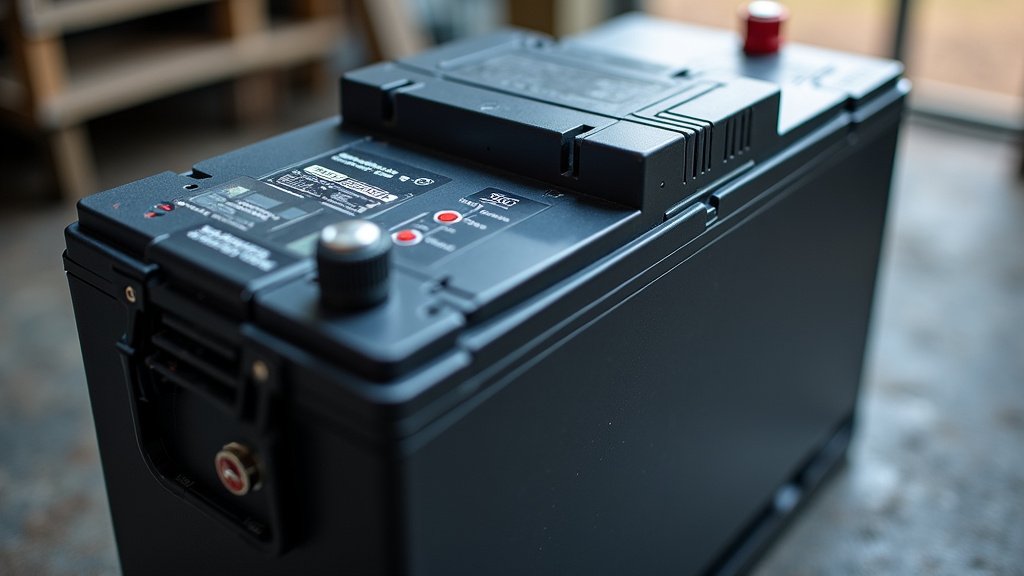
What to Expect as Your Power Station Ages
As your power station’s battery ages, you’ll notice a few key changes in its performance. These are all expected and are a direct result of the internal degradation we’ve discussed.
Reduced Overall Capacity
The most obvious sign is that your power station won’t hold as much charge as it used to. If it once powered your devices for 10 hours, you might now get 7 or 8 hours under the same conditions. This is because the battery’s total energy storage capability has decreased due to the chemical changes inside.
This is often measured as a percentage of its original capacity. A battery might be considered “worn out” when it drops below 80% of its original capacity, though this threshold varies by manufacturer. Many power station manufacturers provide battery health indicators in their apps, which can be very informative.
Longer Charging Times
With increased internal resistance, it can also take longer for your power station to charge fully. The charging process relies on efficiently moving energy into the battery. When resistance is high, this process slows down. You might notice that the last 10-20% of a charge takes considerably longer than it used to.
This is a direct consequence of the higher internal resistance. The power station’s charging circuitry works harder and slower to overcome this resistance and fill the battery. You’ll likely experience slower charging speeds, especially as the battery approaches full capacity.
Shorter Discharge Times (Faster Draining)
This brings us back to the original question. The faster drain is the most frustrating symptom for many users. Because the battery’s internal resistance has increased, the power station has to work harder to deliver the same amount of power to your devices. This means more energy is lost as heat, and the battery empties more quickly.
It’s a bit like driving a car with an old, clogged fuel filter. The engine might still run, but it’s not as efficient, and it consumes more fuel to achieve the same performance. Your power station is experiencing a similar efficiency drop.
Maintaining Your Power Station’s Health
While you can’t stop battery aging, you can take steps to slow it down and get the most out of your power station:
- Store your power station in a cool, dry place.
- Avoid exposing it to extreme temperatures.
- Try to avoid frequent deep discharges.
- Use the manufacturer’s recommended charging methods.
- Check for firmware updates, which can improve battery management.
Conclusion
Your power station’s battery aging is a natural process. You’ve learned that chemical degradation and increased internal resistance are the main culprits behind faster draining. While you can’t stop time, you can make smart choices to slow down this process. By understanding how cycles, temperature, and charging habits affect your battery, you can extend its useful life. Take these tips to heart to keep your power station performing its best for as long as possible.
Frequently Asked Questions
Will my power station battery ever stop draining, even when I’m not using it?
Yes, even when your power station is off or not connected to anything, it will still experience a slow, natural self-discharge. This is a normal characteristic of all battery types. However, you should notice that this “parasitic drain” is very minimal and won’t significantly impact its charge over a short period. For more on this issue, read about power station drain when idle.
Is it bad if my power station gets hot while charging or discharging?
A little warmth is normal, especially during heavy use or charging. However, excessive heat can accelerate battery degradation. If your power station feels too hot to comfortably touch, it’s a sign that it’s working too hard or is in an unfavorable environment. Try to use and charge it in cooler conditions.
Can I replace my power station’s battery when it gets old?
This depends entirely on the manufacturer and model. Some power stations are designed with user-replaceable batteries, offering a more sustainable solution. Others have sealed units where battery replacement is not a practical option. Always check your power station’s manual or the manufacturer’s website for specific information on battery serviceability.
How can I tell if my power station’s battery is truly worn out?
The most common sign is a noticeable reduction in runtime; it simply won’t power your devices for as long as it used to. Many power stations also have a battery health indicator feature within their companion app or on the unit itself. This indicator will usually show you the current capacity as a percentage of its original state.
Should I always keep my power station plugged in to prevent it from draining?
While keeping it plugged in seems counterintuitive, constantly keeping a lithium-ion battery at 100% for extended periods can sometimes contribute to faster degradation. Many experts recommend keeping the charge between 20% and 80% for optimal long-term health. If your power station has charge limit settings, using them might be beneficial.