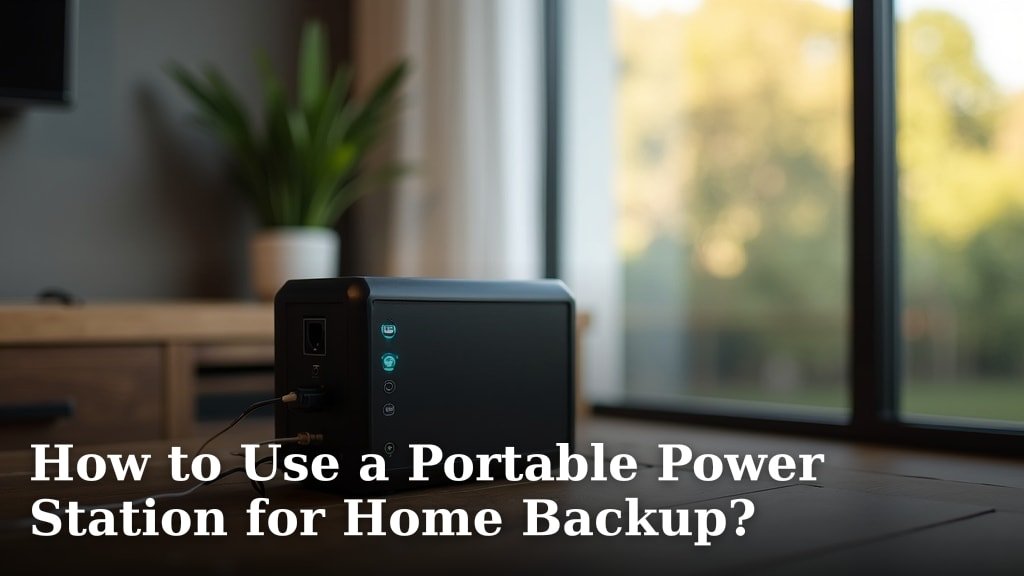
To use a portable power station for home backup, you simply need to charge the power station, then plug your essential devices directly into it during an outage. These handy devices offer a clean and quiet way to keep your home running when the grid goes down, providing power for lights, medical equipment, and even some kitchen appliances.
When the electricity fails, a portable power station can be a true lifesaver, keeping your home comfortable and safe. We found that they are much quieter than gas generators and don’t produce dangerous fumes, making them safe for indoor use. You get peace of mind knowing your family can stay connected and warm.
- Charge your power station regularly.
- Identify your essential home appliances.
- Connect devices directly to the power station.
- Enjoy quiet, fume-free backup power.
Are you wondering which devices you can power or how long it will last? Let’s walk through exactly how to use a portable power station for home backup, step by step.
Getting Started with Portable Power for Your Home
Using a portable power station for home backup is simpler than you might think. It’s all about preparation and understanding what your home needs when the lights go out. We’ll guide you through the process, ensuring you’re ready for any power disruption.
Choosing the Right Portable Power Station
First, you need the right tool for the job. Not all portable power stations are created equal. Their capacity and output vary greatly. Think about what you really need to power during an outage.
Understanding Capacity and Output
When you look at portable power stations, you’ll see two main numbers: Watt-hours (Wh) and Watts (W). Watt-hours tell you how long a device can run. Watts tell you how much power a device needs to operate. A higher Wh means longer run times. A higher W output means you can power more demanding appliances.
For example, a small power station might offer 300Wh and 200W. This is great for charging phones or powering a fan. A larger one might have 1500Wh and 1800W, capable of running a refrigerator or microwave (U.S. Department of Energy).
What Appliances Will You Power?
This is a key question. Make a list of your absolute essential devices. Do you need to keep your refrigerator running? What about medical equipment like a CPAP machine? Do you just need to charge phones and keep a few lights on?
We recommend thinking about your “must-haves” first. Then, consider your “nice-to-haves.” This helps you choose a power station that fits your specific needs without overspending.
Estimating Your Power Needs
Once you know what you want to power, you need to calculate how much electricity those devices use. Don’t worry, it’s not complicated math!
Calculating Appliance Wattage
Most appliances have a label that lists their wattage (W). For example, a small lamp might be 60W, and a full-size refrigerator around 150-200W when running. Some appliances, like coffee makers or microwaves, have much higher wattage but only run for short periods.
Add up the running wattage of all the devices you want to use simultaneously. This gives you the minimum output (W) your power station needs. Then, consider “surge wattage” for things like refrigerators that need extra power to start their motor. Your power station needs to handle these surges too.
Determining Run Time (Watt-hours)
To figure out how long your power station will last, you need to look at its Watt-hour (Wh) capacity. Divide the power station’s Wh by the total running wattage of your devices. For instance, a 1000Wh power station running 100W of devices could last about 10 hours (1000Wh / 100W = 10h). Keep in mind, this is an estimate; actual run times can vary.
We found that it’s always better to overestimate your needs slightly. A little extra capacity gives you peace of mind. You don’t want to run out of power exactly when you need it most.
Preparing Your Portable Power Station
Before an outage hits, you want your power station ready to go. Think of it like filling your car’s gas tank before a long trip. Preparation is key for smooth operation.
Initial Charging and Maintenance
When you first get your power station, charge it fully. Most manufacturers recommend this. After that, keep it charged. We found that most people charge their power stations once every 3-6 months, even if they don’t use them. This helps maintain battery health. A fully charged power station is a useful power station!
Always refer to your specific model’s manual for recommended charging schedules. Different battery chemistries might have different needs. A little care goes a long way in extending its lifespan.
Finding the Best Location
Unlike gas generators, portable power stations are safe for indoor use because they don’t produce carbon monoxide fumes. This is a huge advantage! You can place it in your living room, kitchen, or even a bedroom. Just make sure it’s on a stable surface, away from direct sunlight, and with good airflow. Avoid placing it in small, enclosed spaces like closets, as they can still get warm during use.
Using Your Power Station During an Outage
The power goes out. No need to panic! You’ve got your portable power station ready. Here’s what to do.
Connecting Your Essential Devices
This is the easy part. Simply plug your devices directly into the outlets on your power station. Most power stations have standard AC outlets (just like the ones in your wall), USB ports, and sometimes DC car outlets. Check the labels on your power station and your devices to match them up.
Start with your highest priority items. Do you need to keep your medical equipment running? Plug that in first. Then, move on to your refrigerator, then lights, and finally, phone chargers. This ensures your most critical needs are met.
Monitoring Power Usage and Remaining Charge
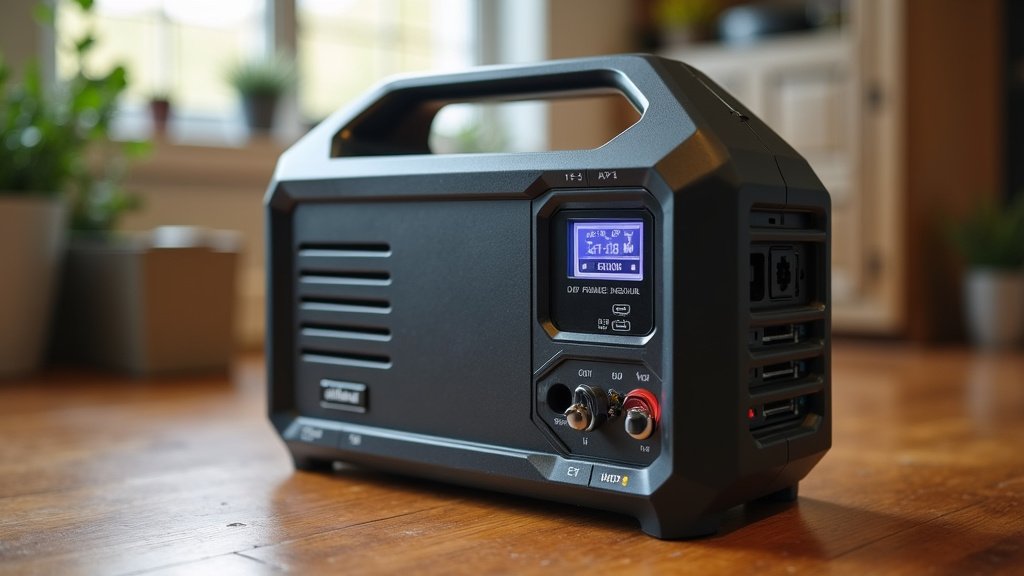
Your portable power station will likely have a display. This screen shows important information: how much power you’re currently using (output wattage), and how much battery charge is left (percentage). Keep an eye on these numbers. They help you manage your power usage and prioritize devices. You don’t want to accidentally drain the battery on non-essential items.
If you see the battery percentage dropping quickly, you might be powering too many things or very high-wattage items. Unplug some non-essential devices to extend your run time.
Important Tips for Home Backup Success
We’ve gathered a few extra pointers to make your home backup experience as smooth as possible.
Prioritize Your Devices Wisely
During an extended outage, every watt-hour counts. Think about what you absolutely cannot live without. For example, keeping your food cold in the refrigerator is usually a higher priority than watching TV. Medical devices always come first. Create a hierarchy of needs before an emergency happens. This avoids frantic decision-making in the dark.
Consider Recharging Options
What if the power stays out for a long time? Many portable power stations can be recharged in a few ways:
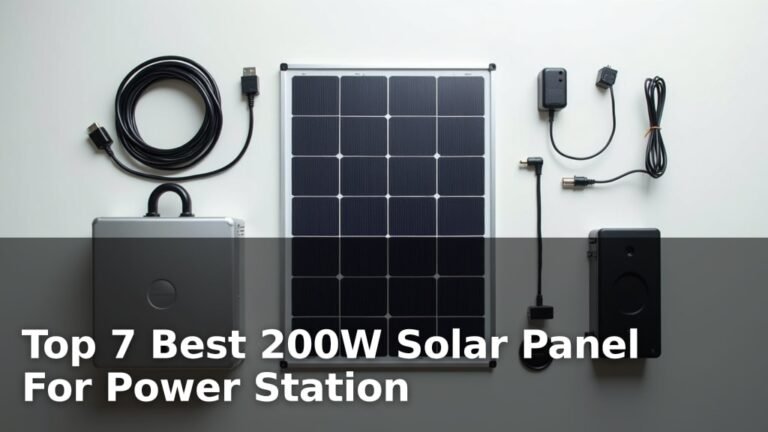
- Solar Panels: If you have solar panels, you can recharge your power station using sunlight. This is a great sustainable option for extended outages.
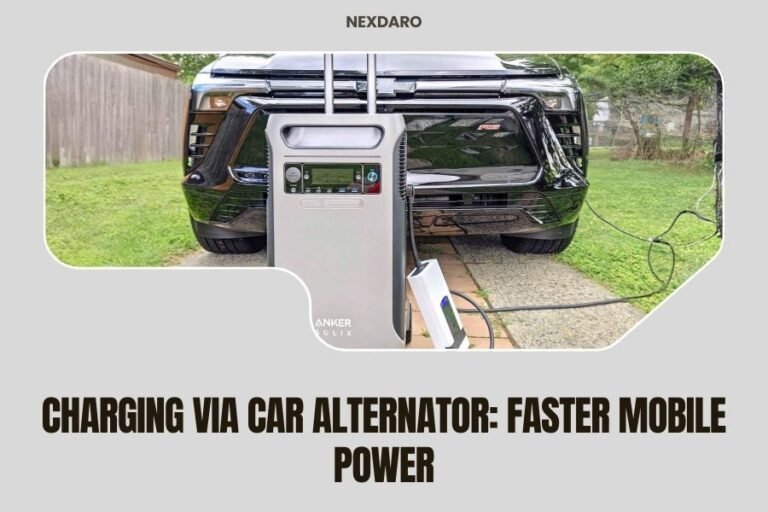
- Car Charger: Many units come with a car charger. You can recharge it from your vehicle’s 12V outlet.
- Another Generator: If you have a larger gas generator, you can use it to recharge your portable power station.
Having a plan for recharging significantly extends your backup capabilities.
What NOT to Power with a Portable Power Station
While powerful, portable power stations have limits. You generally won’t be able to run an entire central air conditioning unit, an electric water heater, or an electric oven. These appliances draw massive amounts of power. Trying to power them could overload your unit. Always check the wattage requirements of your appliances against your power station’s capabilities.
Your Home Backup Checklist
Here’s a quick checklist to make sure you’re ready for the next power outage:
- Choose a portable power station with adequate Wh and W for your needs.
- Identify all essential appliances you want to power.
- Calculate the total wattage and desired run time for your chosen devices.
- Fully charge your power station and keep it topped off regularly.
- Know where you will place your power station during an outage.
- Have a plan for recharging your power station if an outage is prolonged.
Conclusion
Having a portable power station ready for home backup gives you incredible peace of mind. We’ve shown you how straightforward it is to choose the right model, estimate your power needs, and keep your essential devices running. Remember, these quiet, fume-free units are a safe way to maintain comfort and connectivity when the grid goes down. By taking a few simple steps now, you can feel confident and prepared for any unexpected power outage that comes your way.
Frequently Asked Questions
Are portable power stations safe to use indoors?
Yes, absolutely. Unlike gas generators, portable power stations run on batteries and produce no harmful fumes like carbon monoxide. This makes them perfectly safe for indoor use in your home or apartment. Just ensure good airflow around the unit to prevent overheating.
How do I know what size portable power station I need?
To determine the right size, list all the essential appliances you want to power during an outage. Find their wattage (W) and estimate how long you’ll need to run them. Then, choose a power station whose Watt-hour (Wh) capacity and Watt (W) output can handle your total needs with a little buffer.
Can a portable power station power a whole house?
Generally, no. Portable power stations are designed for essential devices and smaller appliances, not whole-house power. They cannot power heavy-duty appliances like central air conditioning, electric water heaters, or electric stoves. These items draw far too much power for most portable units.
How long does it take to charge a portable power station?
Charging times vary greatly depending on the power station’s capacity and the charging method. A smaller unit might fully charge in a few hours from a wall outlet, while a larger one could take 8-12 hours. Solar charging can take significantly longer, depending on sunlight conditions and panel wattage.
What’s the difference between a portable power station and a solar generator?
A portable power station is the battery unit itself. A “solar generator” is essentially a portable power station bundled with solar panels, allowing you to recharge the battery using sunlight. Many portable power stations are solar-ready, meaning you can purchase compatible solar panels separately to create your own solar generator setup.