How to Use a Portable Power Station for Home Backup?
On this page (3 sections)
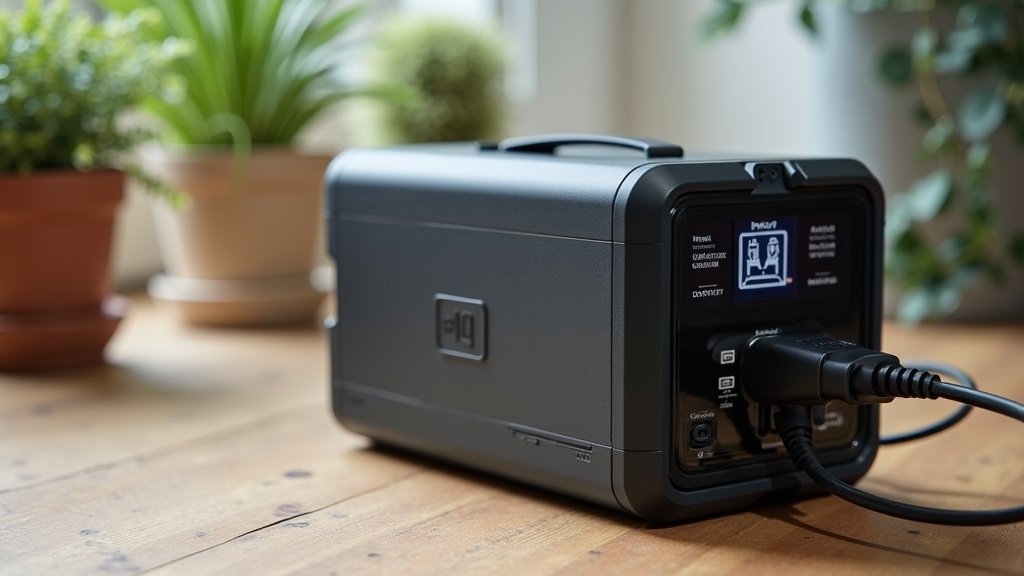
To use a portable power station for home backup, you simply plug your essential devices directly into the power station’s outlets. It acts like a giant, rechargeable battery, giving you power during outages. These units are great for keeping your lights and fridge running when the grid goes down.
Many homeowners are looking for easy ways to keep their homes powered when emergencies strike. We found that portable power stations offer a flexible, clean, and quiet solution. They are much safer and easier to use indoors than traditional gas generators, making them ideal for home backup.
- Plug in your essential devices directly.
- Acts as a large, rechargeable battery.
- Safe and quiet for indoor use.
- Great for keeping lights, fridges, and medical devices on.
- A flexible solution for power outages.
Ready to get your home backup plan sorted? Let’s walk through exactly how to get your portable power station ready for action, step by step.
Getting Your Portable Power Station Ready for Home Backup
Setting up your portable power station for home backup is easier than you might think. It’s all about understanding what you need to power and how to connect it safely. We’ll guide you through the process, step by step, so you feel confident when an outage hits.
Choosing the Right Power Station for Your Needs
Before you even think about plugging things in, you need the right tool for the job. Not all portable power stations are created equal. Think about what you really need to keep running during an outage. Will it just be your phone and a lamp, or are you hoping to power your refrigerator and maybe a small TV?
Understanding Power Capacity (Watt-Hours)
This is perhaps the most important factor. Watt-hours (Wh) tell you how long a device can run. The higher the Wh, the longer your power station can supply energy. See whether 2000 watt-hours is enough for home backup. For example, a 1000Wh power station can run a 100-watt device for about 10 hours. Consider your must-have appliances. What are their wattage ratings? Add them up to get a rough idea.
Output Power (Watts and Surges)
Watts tell you how much power a device needs to run at any given moment. Your power station needs to output enough watts to handle your chosen devices. Look for both continuous wattage and surge wattage. Some appliances, like refrigerators, need a brief burst of higher power (surge) when they start up. Make sure your power station can handle these temporary spikes.
Types of Outlets and Ports
Check the available outlets. Most portable power stations come with standard AC wall outlets, USB-A and USB-C ports, and sometimes 12V car ports. Do you need specific ports for your medical devices or work laptops? We found that having a good mix of options gives you the most flexibility. If a stairlift is part of your plan, see our guide to stairlift battery backup.
Preparing Your Power Station for an Outage
A portable power station is only useful if it’s charged and ready to go. Think of it like a fire extinguisher – you don’t want to find it empty when you need it most.
Keeping Your Power Station Charged
This sounds obvious, but it’s often overlooked. You should always keep your power station at least 80% charged, if not 100%. Many manufacturers recommend this. You can charge it from a wall outlet, a car charger, or even solar panels. We recommend plugging it in regularly, perhaps once a month, to top it off. This ensures it’s always ready for an unexpected blackout.
Designating Essential Devices
During a power outage, you can’t power everything in your home. It’s simply not feasible with a portable unit. So, make a list of your absolute must-have items. What do you truly need to maintain safety and comfort? This might include lights, your refrigerator, a fan, phone chargers, and perhaps a CPAP machine. Planning ahead saves you stress in the moment.
Connecting Your Devices During a Power Outage
Okay, the power’s out. Don’t panic! Grab your fully charged power station and your list of essential devices. This is where the magic happens.
Direct Plug-In Method
This is the simplest and most common way to use your portable power station. For connecting backup power to household circuits, see how to install a home backup circuit. You just plug your devices directly into the available outlets on the unit. For example, you can plug your refrigerator into one of the AC outlets. Then, plug your phone charger into a USB port. It’s just like plugging into a wall outlet, but the power comes from the battery.
Using Extension Cords (Safely!)
Sometimes your power station isn’t right next to your essential device. That’s where a good extension cord comes in handy. Always use a heavy-duty, grounded extension cord, especially for higher-wattage appliances like refrigerators. Avoid overloading the extension cord. Many electrical fires happen due to improper cord usage (NFPA). Make sure the cord itself is rated for the power it will carry.
Managing Power Consumption During an Outage
Even with a good portable power station, you’re on a limited supply of energy. You’ll want to be smart about how you use it to make it last longer.
Prioritizing Power Usage
Remember that list of essential devices? Stick to it! Don’t plug in non-essential items like hair dryers or coffee makers, as they drain a lot of power quickly. We found that being mindful of what you’re powering can significantly extend your backup time. Power only what’s necessary, when it’s necessary.
Cycling Appliances
You might not need to run your refrigerator constantly. You can cycle it. Plug it in for a few hours to keep food cold, then unplug it. The fridge will stay cool for some time, especially if you avoid opening the door. Repeat this process a few times a day. This saves a lot of precious power. You can do the same with fans or other intermittent-use devices.
Here’s a quick checklist to help you manage your power during an outage:
- Check Power Station Charge: Is it 100%?
- Identify Essential Devices: Lights, fridge, medical, phone charging.
- Unplug Non-Essentials: Anything not on your core list.
- Use Energy-Efficient Lighting: LEDs are best.
- Cycle Major Appliances: Don’t run them continuously.
- Monitor Power Station Display: Keep an eye on battery level.
Safety Considerations for Indoor Use
One of the biggest advantages of portable power stations over gas generators is their safety for indoor use. They produce no carbon monoxide. However, there are still a few things to keep in mind.
Proper Ventilation and Placement
Even though they don’t produce fumes, power stations do generate some heat during operation and charging. Always place your unit in a well-ventilated area. Keep it away from curtains, blankets, or anything that could block its vents. This prevents overheating and prolongs the life of your device.
Avoiding Water Exposure
Electricity and water never mix. For outage planning where basement flooding is a concern, see our guide to basement flooding backup. Keep your portable power station away from sinks, wet floors, and any potential spills. This is particularly important during storms when leaks might occur. Treat it like any other electronic device – keep it dry and protected.
Maintaining Your Portable Power Station
Just like any other valuable appliance, your power station needs a little care to stay in top shape. Regular maintenance means it will be ready when you need it most.
Regular Charging and Storage
We already mentioned keeping it charged. For long-term storage, many manufacturers recommend keeping the battery at 50-80% charge. This helps maintain battery health over time. Store it in a cool, dry place, away from direct sunlight or extreme temperatures. Check the manual for specific guidance on your model.
Cleaning and Inspection
Periodically inspect your power station for any physical damage. Keep the ports and vents clean and free of dust and debris. A soft, dry cloth is usually all you need. Never use harsh chemicals or abrasive cleaners. A well-maintained unit is a reliable unit.
By following these steps, you can effectively use your portable power station to keep your home running smoothly during those unexpected power outages. It’s all about preparation, smart usage, and a little bit of care.
Conclusion
You now have a clear roadmap for using a portable power station as your home backup. We’ve shown you how to choose the right unit, prepare it, and manage its power during an outage. By prioritizing essential devices and practicing smart consumption, you can significantly extend your backup time. This preparation helps reduce stress when the unexpected happens.
Take these steps to build your confidence and ensure your household stays comfortable and safe during any power disruption. Start planning your home backup strategy today!
Frequently Asked Questions
Can a portable power station power my entire house?
No, a typical portable power station is not designed to power an entire house. They are best for running essential appliances and devices, not your whole electrical system. For whole-home backup, you would need a much larger, more expensive home battery system or a whole-home generator.
How long do portable power stations usually last on a single charge?
The runtime of a portable power station depends heavily on its capacity (Wh) and the wattage of the devices you plug in. We found that a unit might run a small fridge for 10-20 hours, or charge a phone many times over. Check the manufacturer’s specifications for estimated runtimes for common appliances.
Are portable power stations safe to use indoors overnight?
Yes, portable power stations are generally very safe for indoor use, even overnight. Unlike gas generators, they produce no carbon monoxide emissions, making them ideal for enclosed spaces. Just ensure proper ventilation around the unit to prevent overheating.
Can I use solar panels to recharge my portable power station during an outage?
Absolutely! Many portable power stations are designed to be recharged via solar panels, which is a huge advantage during extended outages. This allows you to replenish your power station’s battery without relying on grid electricity. Make sure to check your specific model for solar input compatibility and panel requirements.
What is the difference between Watt-hours (Wh) and Watts (W)?
Watt-hours (Wh) measure the total energy capacity, indicating how long a device can run. Watts (W) measure the instantaneous power draw, showing how much power a device needs to operate at any moment. Think of Wh as the size of your fuel tank and W as your car’s fuel consumption rate.