How to Install a Home Backup Circuit with a Power Station?
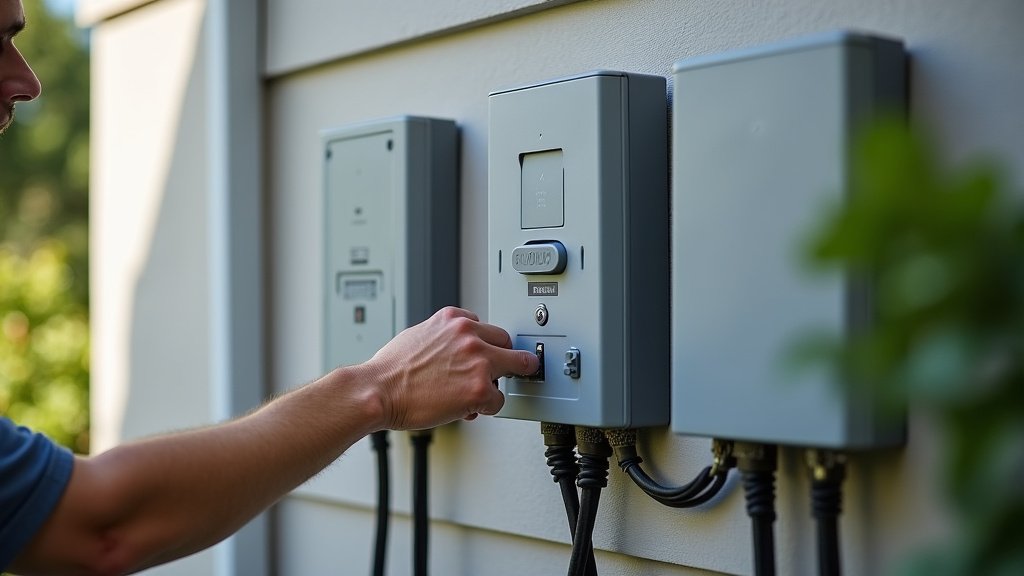
To install a home backup circuit with a power station, you first select an essential circuit in your home’s breaker panel and then connect the portable power station using a transfer switch kit or a power inlet box. This direct connection, often with a manual transfer switch, allows you to power critical appliances during an outage safely.
This method creates a dedicated circuit for backup power without complex wiring. Many experts say it’s a reliable way to ensure your refrigerator, lights, and medical devices stay on. We found this approach is a popular, practical solution for many homeowners.
- Choose a power station with enough wattage for your essential devices.
- Pick an eligible circuit, like your kitchen or home office.
- Install a manual transfer switch box near your main electrical panel.
- Use a generator cord to link the power station to the switch.
- Test the system regularly to ensure it works when needed.
Below, we break down the exact steps for installing your backup circuit, including how to choose the right equipment and stay safe throughout the process.
Conclusion
You now have a clear path to installing a home backup circuit with a portable power station. We covered selecting your essential circuit, choosing a compatible power station, and safely installing a manual transfer switch. This setup gives you reliable power for critical items during an outage; see how to use a station for home backup. It’s a practical project that boosts your home’s resilience without complex wiring.
The most important step is starting. You can begin by taking inventory of your high-priority appliances and researching transfer switch kits that match your breaker panel. Your next move is to consult a licensed electrician if you’re unsure, then gather your equipment to build your first backup circuit.
Frequently Asked Questions
How do I know what size power station I need?
Calculate the total wattage of the devices you want to power. List items like your refrigerator, a few lights, a medical device, and equipment for home office backup. Add their wattage together, then choose a power station with a continuous output rating above that number. We recommend adding a 20% buffer for a safety margin.
Is it safe to install a transfer switch myself?
While many handy homeowners complete this installation, working with your main electrical panel requires caution. We strongly recommend consulting a licensed electrician for the first connection to your breaker panel. This ensures the work meets local codes and keeps your household safe.
Will this setup power my entire house?
No, a transfer switch for a single circuit is designed to power only the specific outlet or circuit you choose. It will not run your air conditioner, oven, or well pump. This system is for critical, small-to-medium loads, not your whole home.
Can I install the transfer switch box in a different room?
The switch box must be installed adjacent to your main electrical panel. The pre-wired cables need a direct, short path between the two. Placing it in another room is not feasible or safe due to wiring length and complexity.
Can I run my power station indoors while it’s charging?
Check your power station’s manual, as it varies by model. Most modern lithium-ion units are **safe for indoor use and charging**. However, always ensure good ventilation and keep it away from flammable materials. Never operate a gas generator indoors.