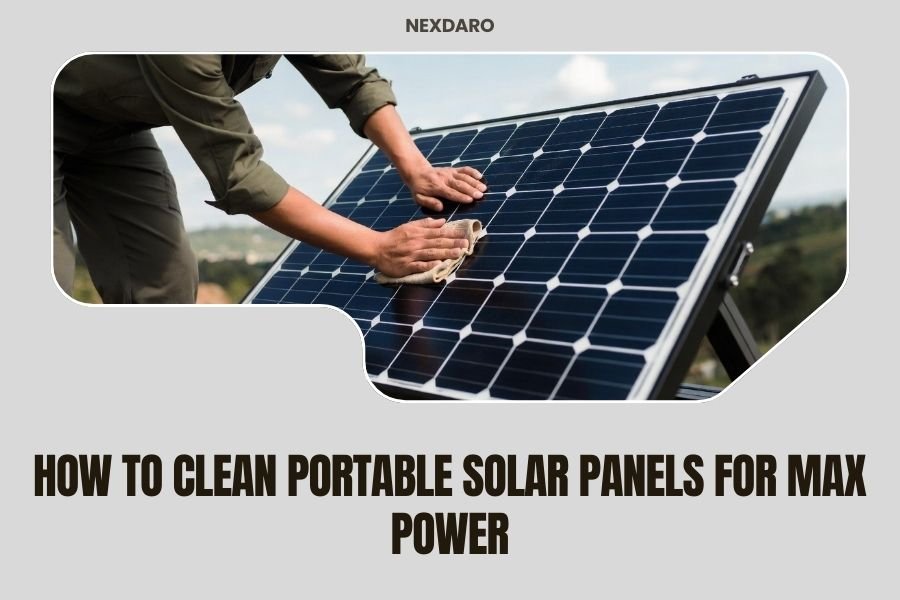
Clean portable solar panels every 2-4 weeks by gently wiping them with a damp microfiber cloth to remove dust, dirt, and debris that blocks sunlight.
Regular cleaning can boost your portable solar panel efficiency by 15-25%, giving you maximum power output for your outdoor adventures.
Picture this: you’re camping in the mountains, relying on your portable solar panels to charge your devices. But after days of dust storms and morning dew, your panels look like they’ve been through a sandstorm. Sound familiar?
Dirty solar panels are power killers. Even a thin layer of dust can slash your energy output significantly. The good news? Cleaning them is easier than you think.
Why Clean Solar Panels Matter More Than You Think
Your portable solar panels work like tiny power factories. When dirt covers them, it’s like putting curtains over your windows. Less light gets through, which means less electricity for your gear.
I found that even light dust can reduce panel efficiency by 10-15%. Heavy dirt buildup? You could lose 30% or more of your power output (National Renewable Energy Laboratory).
Think about it this way: would you drive with a muddy windshield? Your solar panels deserve the same clear view of the sun.
What You’ll Need for Solar Panel Cleaning
Good news – you don’t need fancy equipment. Most cleaning supplies are probably sitting in your RV or camping kit right now.
Essential Cleaning Supplies
- Microfiber cloths (at least 2)
- Soft-bristled brush or old toothbrush
- Squeegee or rubber blade
- Clean water (distilled works best)
- Mild dish soap (just a drop or two)
- Spray bottle
What NOT to Use
- Abrasive cleaners or scouring pads
- Harsh chemicals like bleach
- High-pressure washers
- Hot water on cold panels
- Rough towels or paper towels
The Best Time to Clean Your Solar Panels
Timing matters more than you might think. Clean your panels during the cooler parts of the day – early morning or late afternoon work best.
Why? Hot panels can crack if you splash cold water on them. Plus, cleaning solution evaporates too quickly on hot surfaces, leaving streaks and spots.
Ideal Cleaning Conditions
Look for overcast days or shaded areas when possible. The panels should be cool to the touch. If they’re too hot to comfortably place your hand on, wait a bit longer.
Step-by-Step Cleaning Process
Ready to get those panels sparkling? Here’s your foolproof cleaning routine that takes just 10-15 minutes.
Step 1: Safety First
Turn off your portable power station and disconnect the solar panels. Water and electricity don’t play nice together, even with low-voltage systems.
Check that panels are cool to the touch. If they’re mounted high up, make sure you have stable footing.
Step 2: Remove Loose Debris
Start with a dry microfiber cloth or soft brush. Gently sweep away loose dirt, leaves, and debris. Don’t press hard – you’re just clearing the surface.
Pay extra attention to the edges and corners where dirt loves to hide.
Step 3: Rinse with Clean Water
Use your spray bottle to mist the panel surface. Don’t soak it – a light, even coating works perfectly.
Start from the top and work your way down. This prevents dirty water from running over clean areas.
Step 4: Apply Gentle Soap Solution
Mix one drop of mild dish soap in your spray bottle with clean water. That’s it – you want barely-soapy water, not bubble bath.
Spray lightly across the panel surface. Let it sit for 30 seconds to loosen stubborn grime.
Step 5: Wipe Clean
Here’s where your microfiber cloth shines. Gently wipe in straight lines, not circles. Circular motions can create scratches or swirl marks.
Work from top to bottom, overlapping your strokes slightly. Use light pressure – let the cloth do the work.
Step 6: Final Rinse
Rinse away soap residue with clean water. Any soap left behind can actually attract more dirt later.
Use your squeegee or a clean, damp cloth to remove excess water. Work quickly to prevent water spots.
Step 7: Dry and Inspect
Use a dry microfiber cloth for final drying. Check for any missed spots or streaks.
Look over the panel surface for cracks or damage while you’re at it. Better to catch problems early.
Dealing with Stubborn Stains and Build-up
Sometimes regular cleaning isn’t enough. Bird droppings, tree sap, or mineral deposits need extra attention.
Bird Droppings
Let water soak the area for a few minutes first. Then gently work it loose with your soft brush. Never scrape or use force.
Tree Sap and Sticky Residue
Warm water works better than cold for sticky stuff. Apply a damp cloth and let it sit for 2-3 minutes before wiping.
Mineral Deposits
These white, chalky spots come from hard water. A 50/50 mix of water and white vinegar usually does the trick. Rinse well afterward.
Cleaning Different Types of Portable Solar Panels
Not all portable panels are created equal. Different types need slightly different care.
Rigid Glass Panels
These are the easiest to clean. The glass surface handles gentle cleaning well. Just avoid impact or sudden temperature changes.
Flexible Panels
Be extra gentle with flexible panels. They can’t handle as much pressure. Use very light touches and avoid bending them while cleaning.
Foldable Panels
Clean each section individually when unfolded. Pay attention to the hinges and joints where dirt collects.
How Often Should You Clean Your Panels?
This depends on where you camp and what Mother Nature throws at you.
Weekly Cleaning Situations
- Dusty desert environments
- Areas with heavy pollen
- Spots with lots of bird activity
- Near construction or dirt roads
Monthly Cleaning Situations
- Forest camping with occasional debris
- Coastal areas with salt spray
- General outdoor recreation use
Seasonal Cleaning
Even if panels look clean, give them a thorough wash at the start of each camping season. Storage dust and grime build up over time.
Protecting Your Panels Between Cleanings
Prevention beats cleaning every time. A few simple steps can keep your panels cleaner longer.
Smart Positioning
Angle panels slightly when possible. This helps rain wash away light dust naturally.
Protective Covers
Use covers during dust storms or when panels aren’t in use. Even a light tarp can save hours of cleaning later.
Regular Quick Checks
Give panels a visual once-over every few days. Catching problems early makes cleaning easier.
Common Cleaning Mistakes to Avoid
I’ve seen people make these errors that can damage expensive solar equipment.
Cleaning Hot Panels
This is the big one. Cold water on hot glass can cause cracks. Always wait for panels to cool down.
Using Too Much Pressure
Solar panels aren’t windows. The surface coating is delicate. Gentle pressure works better and lasts longer.
Forgetting to Disconnect
Water and electricity create safety risks. Always disconnect before cleaning, even with low-voltage systems.
Wrong Cleaning Products
Harsh chemicals can damage anti-reflective coatings. Stick to mild soap and water.
Troubleshooting Power Output After Cleaning
Cleaned your panels but still not getting full power? Here are some quick checks.
Connections
Make sure all connections are tight and dry after cleaning. Loose connections kill power output.
Shading
Even small shadows can reduce power significantly. Check for new obstructions like growing branches.
Panel Angle
Panels work best when pointed directly at the sun. Adjust the angle throughout the day if possible.
Storage and Maintenance Tips
Proper storage keeps your panels clean and working longer.
Dry Storage
Always store panels completely dry. Moisture trapped in cases can cause corrosion or mold.
Protective Cases
Invest in quality cases or covers. They prevent scratches and keep dust out during transport.
Regular Inspections
Check for loose wires, cracked glass, or worn mounting hardware during cleaning. Small problems become big ones fast.
| Cleaning Frequency | Environment Type | Power Loss Prevention |
|---|---|---|
| Weekly | Desert, dusty areas | Up to 30% |
| Bi-weekly | Forest, moderate dust | 15-20% |
| Monthly | Clean environments | 5-15% |
Conclusion
Clean portable solar panels are happy solar panels. A few minutes of gentle cleaning every couple of weeks can boost your power output by 15-25%. That extra juice could mean the difference between a dead phone and staying connected on your next adventure.
Remember the golden rules: clean when panels are cool, use gentle pressure, and stick to mild soap and water. Your panels will reward you with reliable power for years to come.
Start checking your panels today. You might be surprised how much dirt has been stealing your sunshine.
How often should I clean my portable solar panels during extended camping trips?
Check your panels every 3-4 days during extended trips. Clean them when you notice visible dust or a 10% drop in power output. Dusty environments may require weekly cleaning, while forest settings might only need attention every 2 weeks.
Can I use regular glass cleaner on my solar panels?
Avoid commercial glass cleaners as they often contain ammonia or other chemicals that can damage anti-reflective coatings. Stick to plain water with a tiny drop of mild dish soap for the safest, most effective cleaning.
What should I do if my solar panel develops scratches from improper cleaning?
Light surface scratches usually don’t affect power output significantly. For deeper scratches, contact the manufacturer about repair options. Focus on preventing future damage by using only soft microfiber cloths and gentle pressure.
Is it safe to clean solar panels in light rain or drizzle?
Light rain actually helps with cleaning, but avoid handling electrical connections when wet. If you must clean during drizzle, ensure all power connections are properly sealed and dry your hands frequently for safety.
Do I need to remove my panels from their mounting system to clean them properly?
Most portable panels clean fine while mounted, but remove them if you can’t reach all areas or if dirt has accumulated around mounting points. This also lets you clean both sides and check for damage underneath.