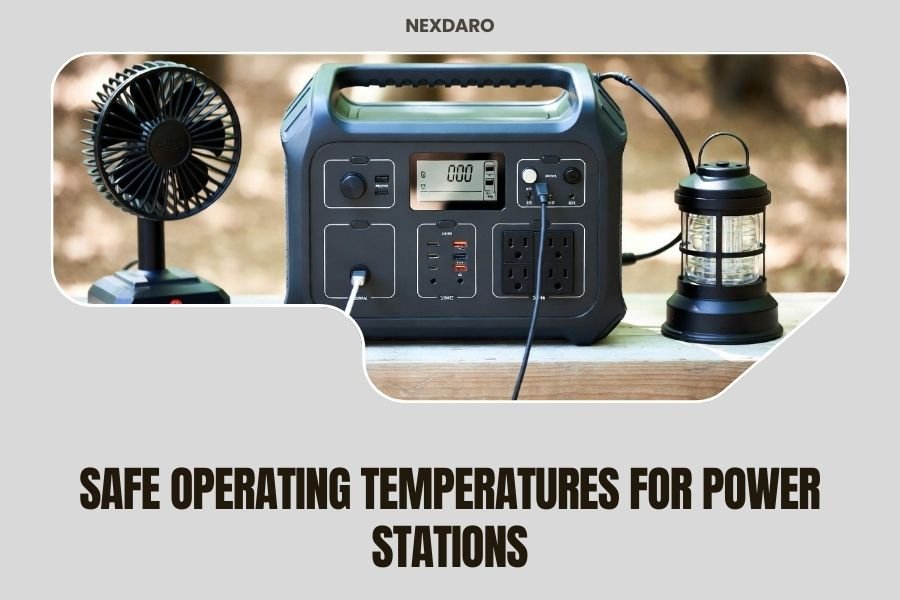
Most power stations operate safely between 32°F and 104°F (0°C to 40°C), with optimal performance around room temperature.
Operating your power station outside safe temperature ranges can damage the battery, reduce capacity, and void your warranty.
Understanding Power Station Temperature Limits
Your power station is like a smartphone battery on steroids. Just as your phone gets sluggish in cold weather or overheats in summer heat, power stations react similarly to temperature changes.
I researched various manufacturers and found that most portable power stations use lithium-ion batteries. These batteries are sensitive to extreme temperatures. When you push them beyond their comfort zone, performance drops fast.
What Happens When It Gets Too Hot
Heat is your power station’s biggest enemy. When temperatures climb above 104°F (40°C), several things happen:
- Battery capacity drops significantly
- Charging speed slows down
- Internal components can suffer permanent damage
- Safety systems may shut down the unit
Think of it like leaving a chocolate bar in your car on a summer day. It doesn’t just melt – it becomes unusable.
Cold Weather Challenges
Cold temperatures below 32°F (0°C) create different problems. The chemical reactions inside lithium batteries slow down dramatically. You’ll notice:
- Reduced power output
- Shorter runtime
- Difficulty charging
- Voltage drops
Optimal Operating Temperature Range
Your power station performs best between 50°F and 85°F (10°C to 29°C). This sweet spot gives you maximum capacity, fastest charging, and longest lifespan.
Many experts recommend keeping your unit as close to room temperature as possible. From what I read, this range matches most home and office environments.
Storage Temperature Recommendations
Storage temperatures can be slightly more flexible than operating temperatures. Most manufacturers suggest storing power stations between 14°F and 95°F (-10°C to 35°C).
Keep the battery charge between 50-80% for long-term storage. This helps maintain battery health during temperature fluctuations.
Brand-Specific Temperature Guidelines
Different manufacturers have slightly different temperature specifications. I found that premium brands often have wider operating ranges.
| Temperature Range | Operating | Charging | Storage |
|---|---|---|---|
| Standard Range | 32°F – 104°F | 32°F – 113°F | 14°F – 95°F |
| Premium Models | -4°F – 113°F | 32°F – 113°F | -4°F – 104°F |
Reading Your Manual Matters
Always check your specific model’s manual. Temperature limits can vary between models from the same company. Some units have built-in heating or cooling features that extend their operating range.
Warning Signs of Temperature Problems
Your power station will tell you when it’s struggling with temperature. Watch for these red flags:
Overheating Symptoms
- Unit feels hot to touch
- Fan runs constantly or loudly
- Automatic shutdown occurs
- Charging stops unexpectedly
- Error codes appear on display
Cold Weather Issues
- Power output drops suddenly
- Battery percentage jumps around
- Charging won’t start
- Display becomes sluggish
- Unit shuts off without warning
Protecting Your Power Station in Hot Weather
Summer heat can destroy your investment quickly. Here’s how to keep your unit cool:
Shade and Ventilation
Never leave your power station in direct sunlight. Even on mild days, enclosed spaces like car trunks can reach dangerous temperatures.
Provide plenty of airflow around the unit. Keep vents clear and avoid covering the device while it’s running.
Indoor vs Outdoor Use
Air conditioning is your friend. When possible, keep power stations indoors during extreme heat. If you must use it outside, create shade with umbrellas or canopies.
Cooling Down Overheated Units
If your power station overheats, don’t panic. Turn it off and move it to a cooler location. Let it return to safe temperatures naturally. Never use ice or cold water – rapid temperature changes can crack internal components.
Cold Weather Protection Strategies
Winter camping with a power station? You’ll need some tricks to keep it working.
Insulation Techniques
Wrap your power station in a blanket or sleeping bag when not in use. This helps maintain internal temperature between usage periods.
Some people build insulated boxes with ventilation holes. This works well for extended cold weather camping.
Warming Methods
Body heat can help warm up a cold power station. Keep it in your tent or RV when possible.
Hand warmers placed near (not on) the unit can provide gentle heat. Make sure they don’t block ventilation.
Pre-warming Before Use
Bring your power station to room temperature before heavy use. This gives you better performance and protects the battery.
Battery Chemistry and Temperature Effects
Different battery types react differently to temperature changes. Most power stations use lithium-ion batteries, but the specific chemistry matters.
Lithium Iron Phosphate (LiFePO4)
These batteries handle temperature extremes better than standard lithium-ion. They’re safer and last longer but cost more initially.
Standard Lithium-Ion
More common in budget models. These are more temperature-sensitive but lighter and cheaper.
Long-term Effects of Temperature Abuse
Operating outside safe temperatures doesn’t just affect immediate performance. It shortens your power station’s lifespan.
Research from battery manufacturers shows that extreme temperatures can cut battery life in half. That expensive power station could need replacement much sooner than expected.
Capacity Loss Over Time
Heat accelerates chemical breakdown inside batteries. Each extreme temperature event reduces total capacity permanently.
Cold damage is usually temporary, but repeated freeze-thaw cycles can cause lasting harm.
Seasonal Storage Tips
Proper storage between seasons keeps your power station healthy for years.
Summer Storage
Find the coolest, driest spot in your home. Basements work well if they’re not too humid. Avoid attics, garages, and sheds during summer months.
Winter Storage
Bring units inside before temperatures drop. Even unheated garages can get too cold for safe storage.
Monthly Maintenance Checks
Check your stored power station monthly. Top off the charge if it drops below 50%. Run it briefly to keep internal systems active.
Climate-Specific Considerations
Your local climate affects how you should handle your power station.
Desert Climates
Extreme heat and temperature swings require extra caution. Consider units with better heat tolerance if you live in places like Arizona or Nevada.
Cold Climates
Northern states and Canada need power stations that can handle freezing temperatures. Look for models with extended cold weather ratings.
Humid Climates
High humidity combined with heat creates extra stress. Ensure good ventilation and consider dehumidifiers for storage areas.
Troubleshooting Temperature-Related Issues
When temperature problems occur, systematic troubleshooting helps identify solutions.
Step-by-Step Diagnosis
First, check the ambient temperature with a thermometer. Your guess might be wrong. Next, feel around the power station for hot spots. Finally, check all vents for blockages.
Document any patterns you notice. Does it only happen during specific weather or usage patterns?
Conclusion
Safe operating temperatures for power stations aren’t just suggestions – they’re essential for performance and longevity. Keep your unit between 32°F and 104°F for operation, with 50°F to 85°F being optimal. Watch for warning signs like overheating, unexpected shutdowns, or capacity drops. Protect your investment with proper storage, adequate ventilation, and climate-appropriate precautions. Remember that extreme temperatures cause permanent damage over time, so prevention is always better than replacement.
What should I do if my power station overheats during use?
Turn off the unit immediately and move it to a cooler, shaded location with good airflow. Let it cool down naturally for at least 30 minutes before using it again. Never use ice or water to cool it rapidly, as this can damage internal components.
Can I use my power station while it’s plugged into solar panels in hot weather?
Yes, but monitor the temperature closely. Solar charging generates additional heat, so ensure excellent ventilation and consider charging during cooler parts of the day. Some units have temperature sensors that automatically reduce charging speed when too hot.
How do I know if cold weather has permanently damaged my power station?
Permanent cold damage usually shows up as reduced capacity that doesn’t recover when warmed up. If your power station consistently provides less runtime than before after cold exposure, the battery may have suffered lasting damage. Most cold-related performance issues are temporary and resolve when warmed.
Is it safe to leave my power station in an RV during winter storage?
Only if your RV stays above freezing temperatures. Unheated RVs can get much colder than outdoor temperatures due to wind chill and lack of thermal mass. It’s safer to store your power station indoors during winter months and reinstall it when camping season returns.
What’s the difference between operating and storage temperature ranges?
Operating temperatures are stricter because the unit is actively working and generating internal heat. Storage temperatures can be slightly more extreme since the unit isn’t running. Most power stations can be stored in temperatures 10-20 degrees outside their operating range, but check your manual for specific limits.