
Yes, buying a power station with solar panels included can be a worthwhile investment for many people, especially if you value portability and convenience. It bundles essential items, often saving you money and hassle compared to buying them separately. This all-in-one approach is great for beginners.
Many people find these kits perfect for camping, RV trips, or as an emergency home backup. You get the portable power you need along with the ability to recharge using the sun, which is a fantastic advantage. It means less worrying about finding outlets and more enjoying off-grid independence.
- Bundled kits often offer better value than separate purchases.
- They provide convenient, portable power for various uses.
- Solar recharging adds valuable off-grid capability.
- Great for camping, RVs, and emergency power.
So, is this bundled approach right for your needs? Let’s dive into the details to help you decide if a power station with solar panels included is your ideal power solution.
Is a Bundled Power Station and Solar Panel Kit a Smart Buy?
Yes, for many people, especially beginners, buying a power station with solar panels as a kit is a very smart purchase. It simplifies the process and often provides better value than buying components separately.
You get everything you need to start generating portable solar power right out of the box. This convenience is a big plus, saving you time and preventing compatibility headaches.
Understanding the “Why” Behind Bundled Kits
Think of it like buying a camera kit versus buying the camera body, lens, and accessories separately. The kit often gives you a better deal and ensures everything works together. Power station and solar panel bundles follow the same logic.
These kits are designed to work together seamlessly. The solar panels are matched to the power station’s charging capabilities, so you don’t have to guess or calculate compatibility (Department of Energy).
Ease of Use for Beginners
If you’re new to portable power, the idea of choosing a power station and then finding compatible solar panels can be a bit much. There are so many specifications to consider, from voltage to connectors.
A bundled kit takes all that guesswork away. You unbox it, plug it in, and you’re good to go. It’s a fantastic entry point into the world of off-grid power.
Cost Savings Over Separate Purchases
Often, buying a kit saves you money. Manufacturers offer these bundles at a lower combined price than if you bought each item individually. It’s a win-win: you save cash, and they sell more units.
We found that many popular brands offer discounts of 10-20% when you buy a power station and solar panel together in a kit versus buying them piece by piece.
What to Expect in a Power Station and Solar Panel Bundle
When you buy a bundle, you’re usually getting a complete system. This means more than just the power station and solar panels themselves.
You can expect to find all the necessary cables, connectors, and sometimes even carrying cases. This “all-in-one” approach means fewer trips to the store for forgotten parts.
The Power Station Component
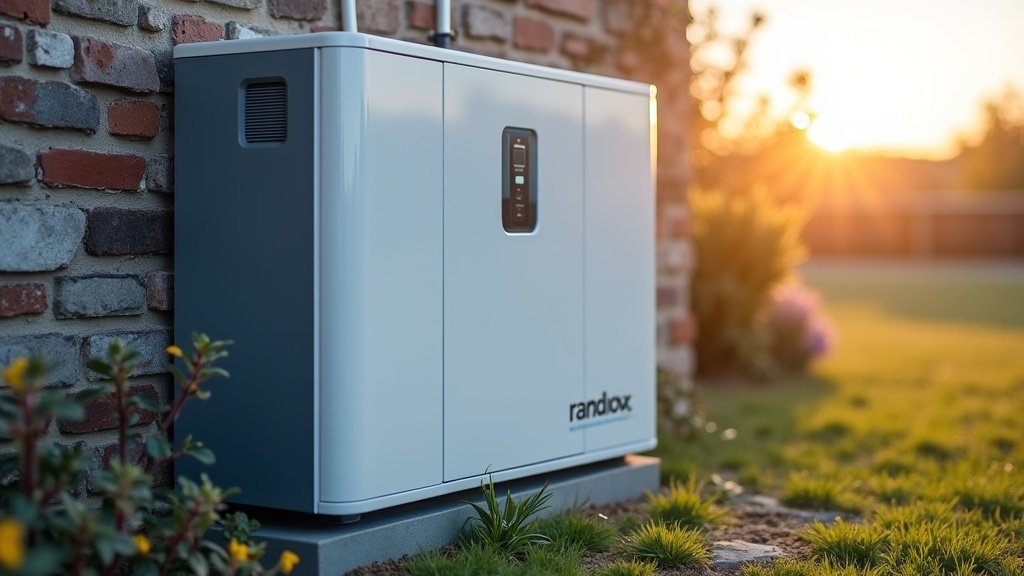
This is the heart of your portable power system. It’s a large battery pack with an inverter, allowing it to output AC power (like your wall outlets) and DC power (like USB ports or car chargers).
When choosing a kit, pay attention to the power station’s capacity (measured in Watt-hours, Wh) and output (measured in Watts, W). A higher Wh means it can run devices longer, and higher W means it can power more demanding appliances.
The Solar Panel Component
The solar panels in a kit are usually foldable and portable. They’re designed to be lightweight and easy to set up, making them perfect for camping or RV trips.
The panels convert sunlight into electricity, which then charges your power station. The more powerful the panels (measured in Watts, W), the faster they will charge your power station.
Panel Types in Bundles
Most bundled solar panels are either monocrystalline or polycrystalline. Monocrystalline panels are typically more efficient and perform better in low light, though they can be a bit pricier.
Polycrystalline panels are generally more affordable and are a good choice if you’re on a tighter budget and have plenty of direct sunlight.
Essential Accessories Included
Good bundles include all the cables you need. This typically means a cable to connect the solar panels to the power station, and sometimes AC wall chargers or car chargers for alternative charging methods.
Some kits also come with carrying bags for the panels or the entire system, making transport and storage much easier. These small additions add to the overall value.
When a Bundled Kit is Your Best Option
These kits aren’t for everyone, but they shine in specific situations. Do any of these sound like you? If so, a bundle might be your perfect match.
- You’re new to portable solar power and want a simple setup.
- You need a reliable emergency backup for basic electronics.
- You enjoy camping, RVing, or tailgating and want off-grid power.
- You want to experiment with solar without a big commitment.
- You value convenience and a guaranteed compatible system.
For Outdoor Adventures and Off-Grid Living
Imagine camping without worrying about your phone dying or your mini-fridge losing power. A power station with solar panels gives you that freedom. You can power lights, charge devices, and even run small appliances.
RVers love these kits because they extend their time away from electrical hookups. It’s like having a tiny, mobile power plant right outside your door.
For Emergency Preparedness
When the power goes out, having a charged power station and solar panels can be a lifesaver. You can keep essential devices running: phones, radios, medical equipment, and even some lights. For those with specific health needs, our guide to the best portable power station for CPAP users can help power essential medical equipment during outages.
The solar panels mean you can recharge the power station as long as the sun shines, providing indefinite power during longer outages. This can offer significant peace of mind (Ready.gov).
Factors to Consider Before Buying a Bundle
While bundles are convenient, it’s smart to think about your specific needs. Not all bundles are created equal, and what works for one person might not work for another.
Take a moment to consider how you’ll use it, what you’ll power, and your budget. This thoughtful approach helps you pick the right kit.
Your Power Needs and Device Compatibility
First, list all the devices you plan to power. Check their wattage requirements. Do you just need to charge phones, or do you want to run a blender or a small refrigerator?
Match the power station’s output (Watts) to your most demanding device, and its capacity (Watt-hours) to how long you need to run everything. Overestimate slightly to be safe!
| Device Type | Typical Wattage (W) | Kit Suitability |
|---|---|---|
| Smartphone Charging | 5-18W | Small to Medium Kit |
| Laptop Charging | 45-90W | Medium to Large Kit |
| Portable Fan | 10-30W | Small to Medium Kit |
| Mini-Fridge (DC) | 40-70W | Medium to Large Kit |
| CPAP Machine | 30-60W | Medium to Large Kit |
| Small Coffee Maker | 600-1000W | Large Kit (for short use) |
Portability and Size
Are you carrying this system on your back, or will it stay in your car? Larger capacity power stations and higher wattage solar panels mean more weight and bulk.
Consider the physical size and weight of the entire kit. If you plan to hike with it, a smaller, lighter option is better, even if it means less power.
Budget and Long-Term Value
Bundles offer good initial value, but think about the long run. Will you outgrow a smaller system quickly? Sometimes investing a bit more upfront saves you from upgrading later.
Compare different brands and models. Look for sales, but also read reviews about durability and customer service. A cheaper kit isn’t a deal if it breaks quickly.
Charging Time and Solar Efficiency
How quickly do you need your power station to recharge? This depends on the wattage of the included solar panels and the power station’s battery size.
Larger solar panels generally mean faster charging. Check the estimated solar recharge times listed by the manufacturer, but remember these are often under ideal sun conditions.
Checklist for Choosing Your Power Station and Solar Panel Bundle
Ready to pick one out? Use this quick checklist to guide your decision. It helps make sure you’re getting exactly what you need.
- Does the power station capacity (Wh) meet your running time needs?
- Can the power station output (W) handle your most power-hungry device?
- Are the included solar panels powerful enough for your charging speed goals?
- Is the overall size and weight practical for how you’ll use it?
- Does the kit include all necessary cables and accessories?
- Does the brand have good reviews for reliability and customer support?
Conclusion
Deciding on a power station with solar panels included comes down to your specific needs. If you value convenience, cost savings, and a beginner-friendly setup, these bundles are an excellent choice. They simplify portable power for emergencies, camping, or RV life. By considering your power requirements, portability needs, and budget, you can find a kit that perfectly fits your lifestyle.
You’re now equipped to make an informed decision and confidently step into the world of portable solar power!
Frequently Asked Questions
Are all solar panels compatible with all power stations in a bundle?
Yes, in a bundle, the included solar panels are specifically chosen to be compatible with that particular power station. This is one of the main advantages of buying a kit, as it removes any guesswork about voltage, connectors, or charging protocols.
You won’t have to worry about mismatched components, ensuring efficient and safe charging right out of the box.
Can a power station with solar panels run a full-size refrigerator?
Generally, no, most portable power station bundles are not designed to run a full-size home refrigerator for extended periods. They might power it for a short burst or a very efficient mini-fridge.
Full-size refrigerators draw significant power (especially at startup), so you’d need a much larger, more expensive power station and higher-wattage solar panels than typically found in consumer bundles.
How long do the batteries in these power stations typically last?
The lifespan of a power station’s battery, often lithium-ion, is measured in “cycles.” Most modern power stations offer 500 to 3,500 full charge-discharge cycles before their capacity significantly degrades (e.g., to 80% of original).
With typical use, this means many years of reliable performance. Proper care, like avoiding extreme temperatures, helps extend this lifespan.
Can I add more solar panels to my bundled power station later?
It depends on the power station model. Many larger power stations allow you to connect additional solar panels to increase charging speed, often through parallel connectors.
However, some smaller, more basic kits might have a fixed input limit. Always check the specifications of your power station to see if it supports additional solar input.
What is the best way to store a power station and solar panels when not in use?
Store your power station in a cool, dry place, ideally at a charge level between 50% and 80% for optimal battery health. Avoid extreme heat or cold.
For solar panels, ensure they are clean, dry, and folded if they are portable, then store them in a protective bag or case away from direct sunlight and moisture.
