Can a Portable Power Station Run a Refrigerator?
On this page (3 sections)
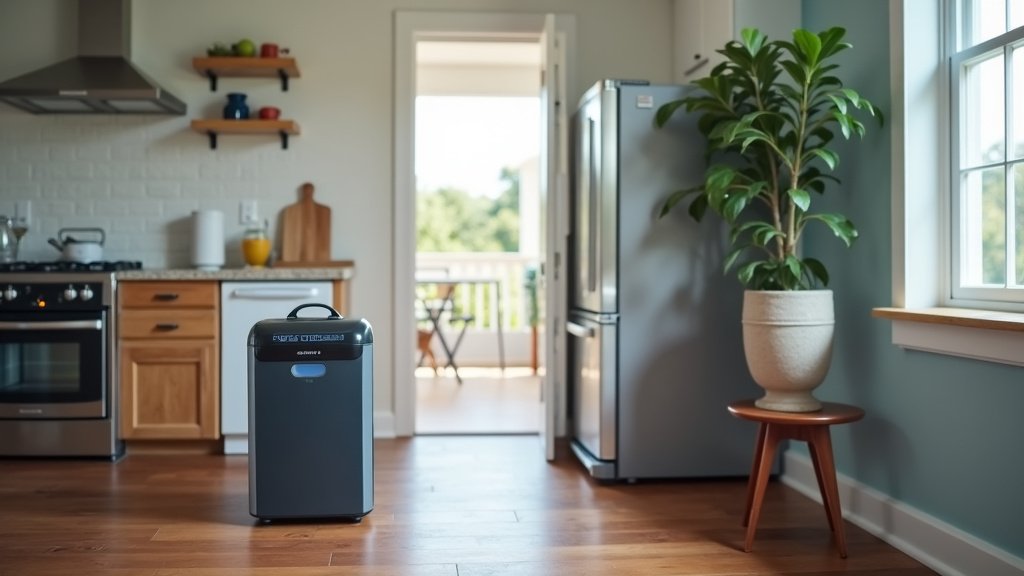
Yes, a portable power station can run a refrigerator, but its ability depends on the power station’s capacity and the refrigerator’s needs. You’ll want to match the wattage output of the power station to your fridge. For another household appliance, review the power needs of a washing machine power needs. Overlooking this step could leave your food warm.
You can keep your food cold during a power outage or on a camping trip. Today’s power stations offer a reliable backup power solution. We found many models are surprisingly powerful for their size. This flexibility means you have options when the unexpected happens.
- Match the power station’s output to your fridge’s needs.
- Consider your refrigerator’s starting and running wattage.
- Look for a power station with adequate battery capacity.
- Not all portable power stations are created equal in terms of power.
- Factor in how long you need to run your fridge.
So, how do you find the right portable power station for your refrigerator? Let’s walk through everything you need to know to make an informed choice.
Choosing the Right Portable Power Station for Your Refrigerator
You’re ready to ensure your food stays cold, even when the power goes out. The first step is understanding how to match a portable power station to your refrigerator’s unique needs. We found that this isn’t a one-size-fits-all situation.
Understanding Your Refrigerator’s Power Demands
Before you even look at power stations, you need to know what your fridge requires. For a related setup, see how to run a chest freezer on solar. Every refrigerator has specific power needs, and these determine what kind of backup power source you’ll need. It’s like knowing your shoe size before buying shoes.
Starting Wattage vs. Running Wattage
This is where many people get tripped up. Your refrigerator doesn’t use a constant amount of power. It has two main power demands you need to consider:
- Starting Wattage (Surge Watts): When your refrigerator’s compressor first kicks on, it needs a burst of power. This surge can be two to three times its running wattage. This is why some portable power stations might trip if they can’t handle this initial spike. Think of it like a car engine needing extra fuel to start moving.
- Running Wattage (Continuous Watts): Once the compressor is running smoothly, it settles into its continuous power usage. This is the wattage listed on most appliance labels and is what your fridge uses most of the time. This is the most common number you’ll see.
You can usually find both these numbers in your refrigerator’s owner’s manual or on a label inside the fridge door. If not, a quick online search for your model number often reveals these details. We recommend always checking the manual first for the most accurate information.
How to Calculate Your Fridge’s Power Consumption
Let’s say your fridge runs at 150 watts, and its starting wattage is 450 watts. You’d need a power station that can handle at least 450 watts momentarily and continuously supply 150 watts. But wait, there’s more!
Refrigerators don’t run constantly. They cycle on and off to maintain temperature. An average fridge might run for about 8 hours out of every 24 hours in normal conditions. So, for our 150-watt example, the total daily consumption would be 150 watts * 8 hours = 1200 Watt-hours (Wh).
Knowing this Watt-hour figure is critical for understanding how long a power station can keep your food cold. It helps you understand total energy needed, not just instantaneous power.
Key Features to Look For in a Portable Power Station
Now that you know your fridge’s needs, let’s talk about what makes a good power station. You want something reliable that will perform when you need it most. We found several factors are crucial.
Output Wattage Capacity
This is probably the most essential specification. The power station’s output wattage, often listed as “AC output” or “rated power,” must exceed your refrigerator’s starting wattage. If the power station’s surge capacity is 500 watts, and your fridge surges at 600 watts, it won’t work.
It’s always better to have a bit of headroom. Aim for a power station with an AC output at least 20-30% higher than your fridge’s stated running wattage, and ensure its peak/surge wattage can handle your fridge’s startup. This gives you a safety margin.
Battery Capacity (Watt-hours)
This tells you how long the power station can run your appliances. Battery capacity is measured in Watt-hours (Wh). The same planning matters when estimating portable power for an AC. For example, a 1000Wh power station can theoretically run a 100-watt appliance for 10 hours. However, real-world usage often sees a slight reduction due to power conversion losses.
To keep your fridge running for, say, 24 hours, you’ll need to know its daily Watt-hour consumption. If your fridge uses 1200Wh per day, you’d need a power station with at least 1200Wh capacity. If you want longer run times, you’ll need a larger capacity or the ability to recharge the power station.
Many experts recommend aiming for at least 800-1500Wh capacity for consistent refrigerator backup, especially if you need it for more than a few hours (CDC).
Pure Sine Wave Inverter
This is a big one for delicate electronics like refrigerators. Make sure the portable power station features a pure sine wave inverter. Household AC power is pure sine wave, and most modern appliances are designed to run on it. Anything less, like a “modified sine wave” inverter, can potentially damage sensitive electronics, cause buzzing noises, or reduce efficiency.
While cheaper power stations might use modified sine wave inverters, we strongly advise against using them for refrigerators. It’s a small detail that makes a big difference in the health of your appliance.
Port and Outlet Options
Of course, your power station needs an AC outlet (standard wall plug) to connect your refrigerator. Most portable power stations today offer multiple outlets, including USB ports for charging phones and DC outlets for car-powered devices. Ensure it has at least one standard 120V AC outlet.
How Long Can a Portable Power Station Run a Refrigerator?
The million-dollar question, right? How long depends entirely on the factors we’ve discussed: your refrigerator’s power consumption and the power station’s battery capacity. There isn’t a single answer, but we can give you a clear way to calculate it.
Estimating Run Time
Here’s a simple formula to estimate how long a fully charged portable power station can run your refrigerator:
Estimated Run Time (Hours) = (Power Station Capacity in Wh * 0.85) / Refrigerator’s Running Wattage (Avg. Cycling)
We multiply by 0.85 (or 85%) to account for conversion losses within the inverter. This is a realistic estimate, as no power conversion is 100% efficient. Remember, your fridge doesn’t run continuously, so using its average cycling wattage (which we estimated earlier as 8 hours out of 24) is crucial for accurate daily runtime.
- If your fridge uses 1200Wh per day, and your power station is 1500Wh, it can run your fridge for a little over a day between charges.
- If your power station is 500Wh, it might only keep your fridge cold for 10-12 hours, depending on how often the compressor cycles.
External factors like ambient temperature, how often you open the fridge door, and how full the fridge is will also influence how often the compressor runs, affecting actual run time. A warm kitchen means your fridge works harder.
Factors Affecting Refrigerator Efficiency and Power Use
You can actually extend the time your portable power station runs your fridge. Small changes make a big difference when you’re conserving power.
- Door Openings: Every time you open the fridge door, cold air escapes, and the compressor has to work harder to cool it down again. Try to minimize opening the door.
- Temperature Setting: A colder setting means more work for the compressor. Consider setting it slightly higher than normal during an outage, just enough to keep food safe.
- Food Load: A full fridge stays colder longer than an empty one, as the food itself acts as a thermal mass.
- Ambient Temperature: If the room your fridge is in is hot, the compressor will run more frequently.
These simple tips can significantly reduce your refrigerator’s power consumption, meaning your portable power station can keep it running for longer.
Checklist for Choosing Your Portable Power Station
Ready to make a choice? Use this quick checklist to guide your decision-making process:
- Determine your refrigerator’s starting and running wattage.
- Calculate your refrigerator’s daily Watt-hour consumption.
- Select a power station with an AC output greater than your fridge’s starting wattage.
- Ensure the power station’s battery capacity (Wh) meets your desired run time.
- Confirm it has a pure sine wave inverter.
- Consider recharge options (solar, car, wall) for extended outages.
Comparing Common Portable Power Station Capacities
To give you a better idea of what different capacities can do, here’s a general comparison. Keep in mind these are approximations, and actual performance will vary.
| Power Station Capacity (Wh) | Typical Refrigerator Size | Estimated Run Time (Hours) | Best Use Case |
|---|---|---|---|
| 500-700 Wh | Mini Fridge, Small Dorm Fridge | 6-12 hours | Short outages, car camping |
| 800-1200 Wh | Mid-size Refrigerator (10-15 cu ft) | 12-24 hours | Moderate outages, RV adventures |
| 1500-2000 Wh | Full-size Refrigerator (15-20+ cu ft) | 24-36+ hours | Extended outages, home backup |
| 2000+ Wh | Large Fridge, Fridge + Freezer Combo | 36+ hours, multiple appliances | Long-term backup, off-grid living |
As you can see, matching capacity to your needs is crucial. Don’t undershoot, or you’ll be disappointed. Think about your habits and how long you typically need backup power.
Conclusion
Choosing the right portable power station for your refrigerator doesn’t have to be complicated. By understanding your fridge’s power demands and matching them to a power station’s capabilities, you can ensure your food stays safely cold. Always prioritize enough wattage and capacity, and don’t forget that pure sine wave inverter for appliance safety. We covered how to make an informed decision and feel confident in your choice.
Now, take the next step. Check your refrigerator’s manual and then start comparing power stations. Your peace of mind (and fresh food) is worth it.
Frequently Asked Questions
Can a small portable power station run a full-size refrigerator?
Generally, a small portable power station (under 800Wh) won’t run a full-size refrigerator for very long. Full-size fridges have higher starting and running wattages. You’ll likely need a model with a capacity of at least 1200Wh or more to provide adequate backup power.
Will my refrigerator get damaged if I use a portable power station?
Your refrigerator won’t be damaged if you use a portable power station with a
pure sine wave inverter. This type of inverter mimics household AC power. Using a modified sine wave inverter could potentially harm sensitive refrigerator components over time.
How can I extend the run time of my refrigerator on a portable power station?
To extend run time, minimize opening the fridge door so cold air doesn’t escape. Set the refrigerator temperature slightly higher if safe for your food. A full fridge also stays colder longer, reducing how often the compressor runs. You can also move the fridge to a cooler room if possible.
Do portable power stations need to be fully charged to start a refrigerator?
It’s best to have your portable power station
fully charged before connecting a refrigerator. The initial
starting wattage for a fridge can be quite high. A power station with a low charge might struggle to provide this surge, potentially tripping or failing to start the appliance.
Can I charge a portable power station with solar panels while it’s running my refrigerator?
Yes, many portable power stations support
pass-through charging, meaning they can be charged by solar panels while simultaneously powering your refrigerator. This setup is ideal for extending run times during longer outages or off-grid use. We found this feature offers great flexibility.