Can a Portable Power Station Be Left in a Hot Car?
On this page (6 sections)
No, it’s generally not a good idea to leave your portable power station in a hot car. Extreme heat can damage the internal battery components and potentially lead to overheating or even fire. Most manufacturers recommend storing them in cooler, dry environments.
While power stations are built tough, prolonged exposure to high temperatures, like those found inside a vehicle on a sunny day, can significantly reduce their lifespan. Think of it like leaving your phone in the car; it’s not ideal for the battery health. We found that even a few hours can make a difference.
- A hot car can damage your power station’s battery.
- Extreme heat can lead to overheating or fire risk.
- Store your power station in a cool, dry place.
- High temperatures can shorten its lifespan.
Let’s get into the specifics of why heat is the enemy of your portable power station and what you can do to keep it in top shape.
The Risks of Exposing Your Power Station to Vehicle Heat
Can a portable power station handle being left in a hot car? In short, it’s a risky move. We found that while these devices are designed for the outdoors, extreme heat can cause real problems. Think of your car on a scorching summer day as a mini-greenhouse. Temperatures inside can climb incredibly fast, far beyond what’s comfortable for sensitive electronics.
Many experts agree that high temperatures are a battery’s worst enemy. Leaving your power station in this kind of environment for extended periods can seriously damage its internal battery. This damage isn’t always immediately obvious. It often leads to a gradual decline in performance and lifespan.
Understanding Battery Temperature Limits
Portable power stations use lithium-ion batteries, much like your smartphone or laptop. These batteries have specific temperature ranges they prefer for both charging and storage. When temperatures exceed these recommended limits, chemical reactions inside the battery can accelerate in unwanted ways.
Research from battery manufacturers consistently shows that operating or storing lithium-ion batteries above 100°F (38°C) can degrade them. In a hot car, especially in direct sunlight, temperatures can easily reach 130-170°F (54-77°C) or even higher. This is well beyond safe operating or storage conditions.
The Specific Dangers of Extreme Heat
So, what exactly happens when your power station gets too hot inside a car?
- Accelerated Degradation: High heat speeds up the natural aging process of the battery. This means its capacity to hold a charge will decrease faster than it should.
- Internal Damage: Extreme heat can cause internal components to swell or even leak. This can lead to a permanent loss of performance.
- Safety Risks: In the most severe cases, prolonged overheating can increase the risk of thermal runaway. This is a dangerous situation where the battery overheats uncontrollably, potentially leading to fire or explosion. While rare, it’s a risk you don’t want to take with any battery-powered device.
We found that even a few hours parked in the sun on a warm day can push the internal temperature of your power station into unsafe territory. This is especially true if the car is dark-colored or parked in direct sunlight.
Why Your Car Becomes a Heat Trap
It’s easy to underestimate just how hot the inside of a car can get. Sunlight streams through the windows, turning your vehicle into a makeshift oven. The enclosed space traps the heat, causing the temperature to skyrocket.
The Greenhouse Effect in Action
This phenomenon is known as the greenhouse effect. Sunlight enters the car as visible light and is absorbed by surfaces like the seats and dashboard. These surfaces then re-radiate the energy as infrared radiation (heat). The car’s windows, however, are largely opaque to infrared radiation. This means the heat gets trapped inside, unable to escape easily.
We looked into data that shows how quickly this happens. Studies have indicated that the interior temperature of a car can rise by as much as 20°F (11°C) within the first 10 minutes of being parked in direct sunlight. After an hour, the temperature can be 40°F (44°C) higher than the outside air temperature.
Factors Influencing Interior Car Temperature
Several factors contribute to how hot your car gets:
- Outside Temperature: Obviously, a hotter day means a hotter car.
- Sunlight Intensity: Direct, bright sunlight will heat a car much faster than a cloudy or shaded day.
- Car Color: Darker colored cars absorb more sunlight and tend to get hotter than lighter colored cars.
- Window Tinting: While tinting can reduce heat, it doesn’t eliminate it entirely.
- Ventilation: Even slightly cracked windows offer minimal relief when temperatures are extreme.
If the outside temperature is 85°F (29°C), it’s not uncommon for the inside of a car to reach 120°F (49°C) or more within an hour. This is a temperature range that can easily harm your power station.
What Happens When Your Power Station Overheats?
Exposing your power station to such high temperatures can trigger a cascade of negative effects. The core issue is always the battery, but other components can suffer too.
Battery Health and Performance
The primary concern is the lithium-ion battery. When overheated, the electrolyte inside the battery can start to break down. This process generates gas, which can cause the battery cells to swell. Swollen batteries are a clear sign of damage and a potential safety hazard.
Beyond physical damage, heat dramatically impacts battery efficiency. A battery that has been subjected to high temperatures will lose its ability to hold a charge. You might notice your power station doesn’t last as long as it used to, even after a full recharge. This is a direct result of heat-induced degradation.
Potential for Internal Component Damage
While the battery is the most vulnerable component, other parts of your power station can also be affected. Circuit boards, internal wiring, and plastic casings can become brittle or warped under prolonged extreme heat. This can lead to malfunctions or outright failure of the device.
We found that manufacturers often specify operating temperature ranges that are much lower than what a car interior can reach. For example, many power stations are rated for operation between 32°F and 104°F (0°C to 40°C). Storage temperatures are often even cooler.
The Fire Risk: A Serious Concern
The most alarming consequence of overheating batteries is the increased risk of fire. Lithium-ion batteries contain flammable electrolytes. If the battery overheats to a critical point, it can lead to thermal runaway, a self-sustaining chain reaction of increasing temperature. This reaction can cause the battery to vent toxic fumes, ignite, or even explode.
While this is a worst-case scenario, the risk is real. Leaving a device with a large lithium-ion battery, like a power station, in a hot car significantly increases this danger. It’s simply not worth the gamble.
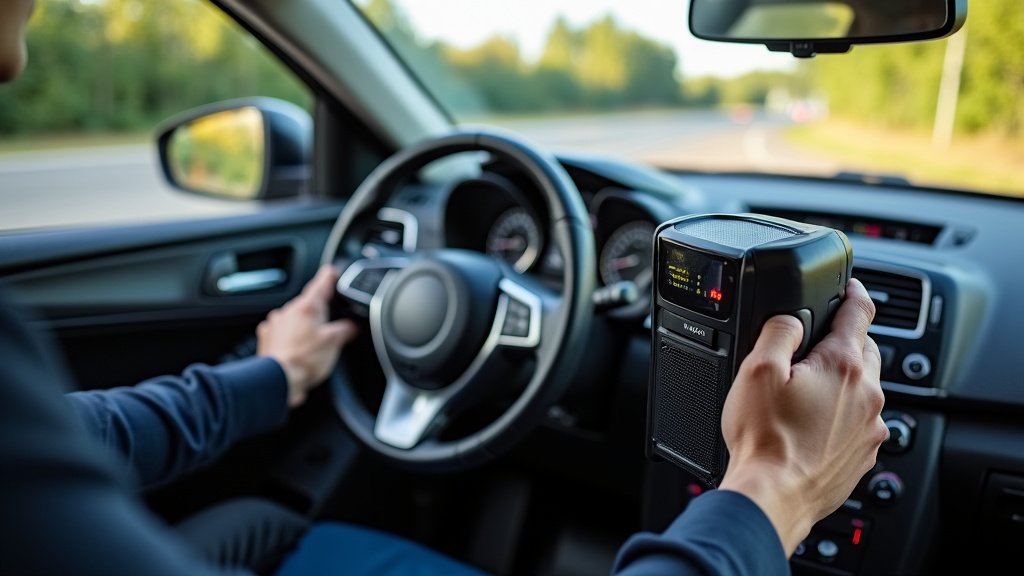
Best Practices for Storing Your Power Station
To ensure your portable power station remains reliable and lasts for years, proper storage is key. Avoiding extreme temperatures is the most critical factor.
Ideal Storage Environments
The golden rule is to keep your power station in a cool, dry place. Think of environments similar to where you’d store sensitive electronics or even food.
- Indoors: Your home or a climate-controlled garage is ideal.
- Avoid Direct Sunlight: Never leave it sitting in a sunny window or outdoors uncovered.
- Temperature Control: Aim for temperatures typically between 40°F and 80°F (4°C to 27°C).
- Away from Heat Sources: Don’t place it near radiators, ovens, or other heat-generating appliances.
What to Do If It Gets Hot
If you accidentally leave your power station in a hot car and realize it, don’t use it immediately. Let it cool down gradually at room temperature. Do not try to speed up the cooling process with ice or refrigeration, as this can cause condensation and further damage.
Once it has returned to a normal room temperature, inspect it for any signs of swelling or damage. If you notice anything unusual, it’s best to contact the manufacturer. We found that many manufacturers offer troubleshooting advice on their websites.
A Quick Storage Checklist
To make sure you’re storing your power station correctly, follow this simple checklist:
- Store indoors in a temperature-controlled environment.
- Keep it away from direct sunlight and heat sources.
- Ensure the storage area is dry.
- Allow the device to cool down if it has been exposed to heat.
- Inspect for damage after it has cooled.
- When in doubt, consult your user manual or manufacturer.
Conclusion
As we’ve seen, leaving your portable power station in a hot car is a gamble you don’t want to take. The extreme temperatures inside a vehicle can seriously damage its battery, shortening its lifespan and even posing safety risks. Your power station is built to be portable, not to withstand a car’s interior becoming an oven.
Always prioritize storing it in a cool, dry place, away from direct sunlight. Treat it like any other sensitive electronic device. By following these simple storage best practices, you’ll ensure your power station remains a reliable companion for all your adventures for years to come.
Frequently Asked Questions
Will a few hours in a hot car damage my power station?
Yes, even a few hours can be detrimental. Research shows internal car temperatures can rise dramatically, exceeding the safe operating limits for lithium-ion batteries. This can accelerate degradation and potentially cause internal damage over time.
Can I use my power station immediately after it’s been in a hot car?
It’s best not to. Allow your power station to cool down gradually to room temperature first. Using it while it’s still hot could put extra strain on its components and exacerbate any heat-related stress.
What’s the safest temperature range for storing a power station?
Most manufacturers recommend storing power stations in cool, dry environments, typically between 40°F and 80°F (4°C to 27°C). Avoiding temperatures above 100°F (38°C) is crucial for battery health.
Does direct sunlight through a car window cause more damage than just the ambient heat?
Absolutely. Direct sunlight through windows intensifies the heat buildup due to the greenhouse effect, pushing interior temperatures much higher than the outside air. This concentrated heat is especially harmful to your power station’s battery.
What if I notice my power station looks swollen after being in a hot car?
A swollen battery is a clear sign of damage. Do not attempt to charge or use it. It’s a potential safety hazard, and you should contact the manufacturer immediately for guidance or disposal instructions.