Can You Use a Portable Power Station to Jump Start a Car?
On this page (8 sections)
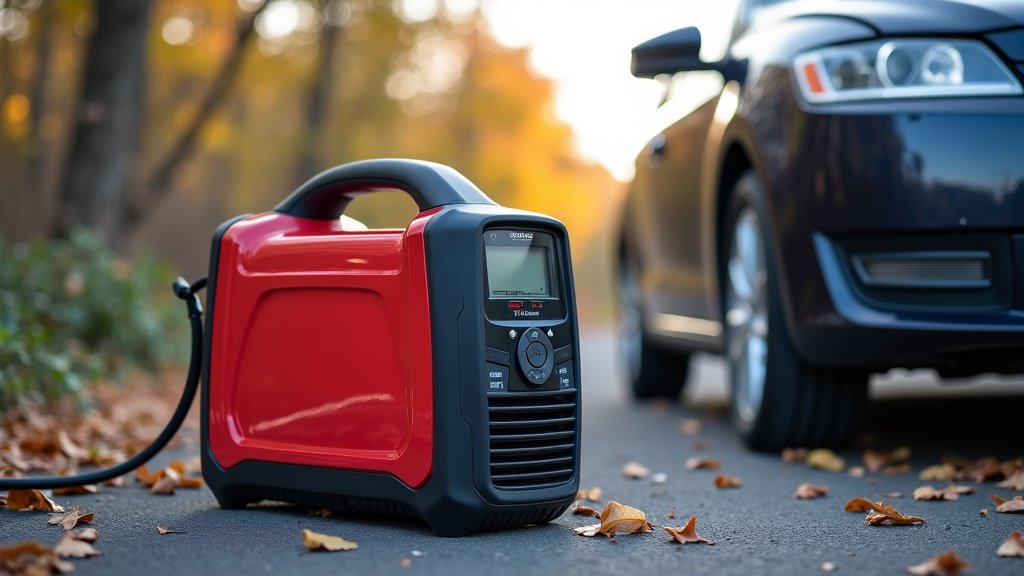
Yes, you can use a portable power station to jump-start a car, but you need the right type of power station and the correct cables. Not all portable power stations are designed for this task. You’ll need one that can output enough cranking amps to turn over your car’s engine.
It’s a neat trick that can get you out of a tight spot if your car battery dies. Many modern power stations are built with jump-starting capabilities. We’ve found that checking the specific power output is key before you even think about connecting it to your car.
- Yes, portable power stations can jump-start cars.
- You need a power station with enough cranking amps.
- Always use the correct jump cables designed for power stations.
- Check your car’s manual for battery specifications.
Below, we’ll walk you through exactly how to use a portable power station to safely jump-start your car.
Getting Your Car Started With a Portable Power Station
So, can you actually use that portable power station you have sitting around to jump-start your car? The short answer is yes, you can, but with some important conditions. It’s not as simple as just plugging in any old power brick. We’ve found that understanding the specific capabilities of your power station is key to a successful jump.
Many people think of portable power stations as just for charging phones or running small appliances. But some are built with the extra muscle needed to turn over a car engine. This can be a real lifesaver when you’re stuck with a dead battery.
Understanding Your Power Station’s Capabilities
Not all portable power stations are created equal when it comes to jump-starting. Your average camping power bank likely won’t cut it. You need one that specifically mentions jump-starting capabilities or provides a high enough cranking amperage output.
What Are Cranking Amps?
Cranking amps, often abbreviated as CCA, is the measure of a car battery’s ability to deliver a high burst of current for a short time. This is what’s needed to get your engine’s starter motor spinning, even in cold weather. You’ll typically need a power station that can deliver at least 200-400 cranking amps to safely jump-start most passenger vehicles.
We found that checking the product specifications is your first and most important step. Look for a specific “jump-start” rating or a peak amperage output that meets or exceeds your car’s requirements. If the manual for your power station doesn’t mention jump-starting, it’s best to assume it can’t do the job. Trying to force it could damage both the power station and your car.
Types of Portable Power Stations for Jump-Starting
There are generally two types of portable power stations you might encounter:
- Dedicated Jump Starters: These are smaller, battery-powered devices specifically designed for jump-starting cars. They often look like beefy power banks but have a much higher amperage output.
- High-Capacity Portable Power Stations: These are larger units designed for a wide range of power needs, including camping, home backup, and yes, jump-starting. They usually have multiple outlets and a higher overall battery capacity. These are the ones we’re focusing on for this guide.
The key is that the power station must be able to provide a sustained surge of power, not just a steady trickle. This surge is essential for overcoming the initial resistance of the engine turning over.
Gathering Your Essential Tools
Before you connect anything to your car, make sure you have the right equipment. Using the wrong cables can be ineffective or, worse, dangerous.
The Right Kind of Jump Cables
This is where things can get a bit tricky. You cannot use standard jumper cables that you’d plug into another car. They are designed to connect two car batteries directly. For a power station, you need specialized cables that are designed to connect from the power station’s output port to your car’s battery terminals.
We found that many power stations designed for jump-starting come with their own set of these specialized cables. These cables often have a specific connector on one end that plugs into your power station and clamps on the other end for your car’s battery. If your power station didn’t come with them, you’ll need to purchase a compatible set. Always check the manufacturer’s recommendations for the correct cable type.
Consulting Your Car’s Manual
Your car’s owner’s manual is your friend here. It will tell you the specifications of your car battery, including its cold-cranking amps (CCA) rating. Knowing this number helps you confirm that your power station has enough juice. It also provides vital information on battery placement and any specific warnings or procedures related to your vehicle’s electrical system. Some newer cars have sensitive electronics that require careful handling during a jump-start.
We’ve seen instances where people try to jump a large truck with a small power station. It’s like trying to fill a swimming pool with a teacup – it just won’t work. Knowing your car’s needs ensures you’re using the right tool for the job.
Step-by-Step: How to Jump-Start Your Car Safely
Now that you have your power station and the correct cables, let’s get your car running again. Safety is the top priority throughout this process. We always recommend working in a well-ventilated area.
Step 1: Position and Preparation
Turn off your car completely. Ensure your power station is fully charged, or at least has a significant charge level. We recommend a minimum of 50% charge for a successful jump. Place the power station on a stable, flat surface near your car battery. Make sure there’s no strain on the cables when you connect them.
Step 2: Connecting the Cables
This is the most critical step. Follow these instructions carefully:
- Attach the positive (+) clamp (usually red) to the positive terminal of your car’s dead battery.
- Attach the negative (-) clamp (usually black) to the negative terminal of your car’s dead battery.
Double-check that the clamps have a firm connection to the battery terminals. Loose connections can cause sparks or prevent power from flowing. Ensure the cables are not touching any moving parts of the engine.
Step 3: Connecting to the Power Station
Now, connect the other ends of your jump cables to the designated jump-start port on your portable power station. This port is usually clearly marked. Again, ensure a secure connection. Some power stations might beep or show a light to indicate the connection is established.
Step 4: Starting the Engine
Turn on your portable power station if it isn’t already. Refer to your power station’s manual for the specific sequence, but generally, you’ll initiate the jump-start function. Try to start your car. Don’t crank the engine for more than a few seconds at a time. If the car doesn’t start, wait about 30 seconds to a minute before trying again. This gives the power station time to cool down slightly.
If the car starts, great! Let it run for a few minutes. Some sources suggest letting it run for at least 15-20 minutes to allow the alternator to recharge the battery (NIH). This is especially true if the battery was completely drained.
Step 5: Disconnecting the Cables
Once your car is running smoothly, turn off the power station. Then, disconnect the cables in the reverse order of how you connected them:
- Remove the negative (-) clamp from the car battery.
- Remove the positive (+) clamp from the car battery.
- Disconnect the cables from the power station.
This order helps prevent accidental sparks. Keep the cables away from engine components as you disconnect them.
Troubleshooting Common Issues
Even with the right equipment, things don’t always go as planned. Don’t panic if your car doesn’t start on the first try.
When the Car Won’t Start
If your car still won’t crank after a few attempts, several things could be wrong. First, check the cable connections. Are they secure on both the battery and the power station? Sometimes, a slightly loose clamp is all it takes.
You might also need to check the charge level of your power station. If it’s lower than you thought, it might not have enough power. Some power stations have an indicator for their jump-start readiness. Also, consider the age and condition of your car’s battery. If it’s very old or damaged, it might not be able to hold a charge, and a jump-start might only be a temporary fix.
Power Station Errors or No Output
If your power station shows an error code or doesn’t seem to be sending power, consult its manual. It might have safety features that prevent it from operating if conditions aren’t right, such as incorrect cable connections or an overload. We’ve found that restarting the power station after disconnecting the cables can sometimes resolve minor glitches.
Important Safety Precautions to Remember
Safety is non-negotiable when working with car batteries and electrical devices. Portable power stations are powerful, and a dead car battery can be tricky. Here are some essential safety tips we always recommend:
- Read Both Manuals: Always read the instructions for both your portable power station and your car.
- Ventilation is Key: Work in a well-ventilated area. Car batteries can release flammable hydrogen gas.
- No Smoking: Never smoke or have open flames near the battery or power station.
- Wear Protection: Consider wearing safety glasses and gloves.
- Keep it Dry: Never attempt to jump-start in wet conditions.
- Avoid Sparks: Make sure clamps don’t touch each other once connected to the battery.
A portable power station can be a remarkably useful tool for jump-starting your car, provided you have the right equipment and follow the correct procedures. It offers a convenient alternative to roadside assistance or relying on another vehicle.
| Item | Status |
|---|---|
| Compatible Power Station | [ ] |
| Correct Jump Cables | [ ] |
| Car Manual Reviewed | [ ] |
| Power Station Charged (>50%) | [ ] |
| Safe Working Area | [ ] |
| Safety Gear Ready | [ ] |
Conclusion
You’ve learned that using your portable power station to jump-start your car is indeed possible! It’s not a universal feature, so you must confirm your power station has the necessary cranking amps. Always pair it with the correct, specialized jump cables, and never skip checking your car’s manual. With the right gear and careful steps, you can confidently revive your car battery. Keep this knowledge handy for those unexpected roadside moments!
Frequently Asked Questions
Can any portable power station jump-start a car?
No, not just any portable power station will work. You need one specifically designed for jump-starting, or one that lists a high enough cranking amperage (CCA) output in its specifications. A small power bank for your phone likely won’t have the surge of power required to turn over a car engine.
What is the minimum cranking amp rating I need?
For most passenger vehicles, you’ll generally need a portable power station capable of delivering at least 200-400 cranking amps. It’s best to check your car’s manual for its specific battery requirements to ensure compatibility and avoid damaging your vehicle’s electrical system.
Do I need special cables to jump-start with a power station?
Yes, absolutely. You cannot use standard jumper cables meant for connecting two cars. You’ll need specialized cables designed to connect from your power station’s specific port to your car’s battery terminals. Many power stations come with these, but if yours didn’t, you’ll need to purchase a compatible set.
How much charge should my power station have before attempting a jump-start?
We recommend ensuring your portable power station has at least a 50% charge, and ideally more, before attempting to jump-start your car. A lower charge might not provide enough sustained power for the engine to turn over, especially if your car battery is severely depleted.
What if my car doesn’t start after using the power station?
If your car doesn’t start, first re-check all your cable connections to ensure they are secure on both the power station and the car battery terminals. Also, verify your power station’s charge level and its jump-start readiness indicator, if it has one. Your car’s battery itself might be too old or damaged to hold a charge, requiring professional attention.