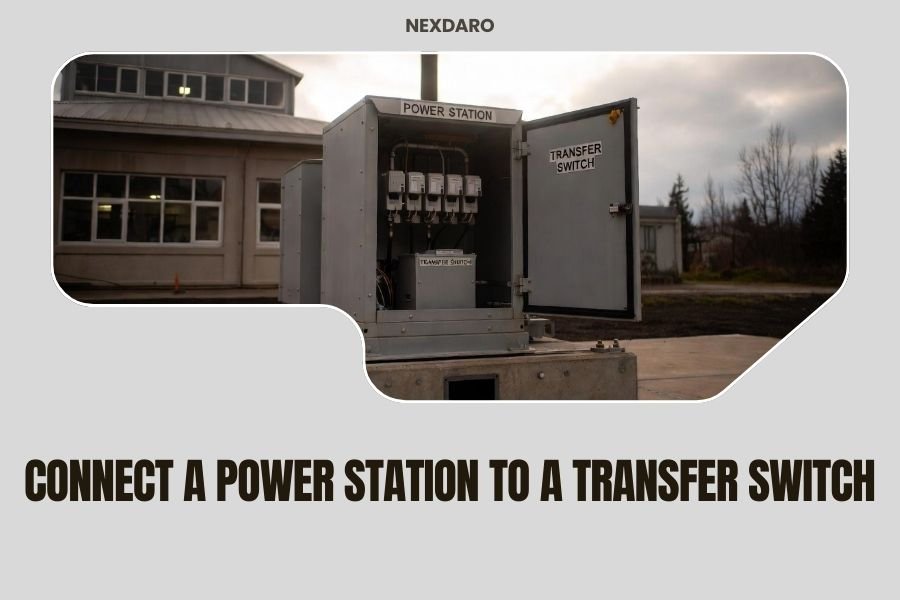
How to Connect a Power Station to a Generac Transfer Switch
A power station can connect to a Generac transfer switch only if the switch, power station output, neutral setup, and connection method are compatible. Confirm the exact models and instructions with Generac or a licensed electrician before connecting anything.
On this page (9 sections)
- Can you connect a power station to a Generac transfer switch?
- What should you check on the Generac switch?
- Why does neutral bonding matter?
- How do you check the power station's connection requirements?
- What connection method is acceptable?
- Does a surge protector make the connection safer?
- How do you choose a compatible transfer switch?
- What should you do before using the setup?
- How to connect a power station to a Generac transfer switch safely
A power station can connect to a Generac transfer switch only when the exact switch, power station output, neutral setup, and wiring method are compatible. Check both manuals and have Generac or a licensed electrician confirm the setup before energizing any household circuit.
A transfer switch keeps selected circuits separate from utility power when a backup source is in use. A power station may not behave like the generator a given switch was designed for, even if its plug appears to fit.
Can you connect a power station to a Generac transfer switch?
Possibly, but model compatibility must be confirmed first. Generac makes different transfer switches, and power stations vary in output, grounding, and connection options.
Identify the full model numbers for the switch and power station. Then check the switch instructions for its approved backup sources, inlet requirements, and neutral configuration, along with the power station manual for its AC output and grounding guidance.
If either manual is unclear, contact Generac or an electrician before connecting the equipment. A compatible-looking connector does not confirm that the voltage, current, neutral, and grounding arrangement is safe.
For a broader overview of connection types and planning, see how to connect a power station to a transfer switch. If you are still deciding whether a switch is needed, read do you need a transfer switch for a portable power station?.
What should you check on the Generac switch?
Start with the exact switch model and the circuits it controls. The manual should identify the approved connection method and any limits that apply to the backup source.
Check whether the switch is manual or automatic. An automatic switch may rely on signals or operating behavior expected from a compatible generator, so don't assume a battery power station will trigger or operate it as intended.
Confirm the inlet type, rated voltage, circuit limits, and how the neutral is handled. If the manual doesn't address power stations, ask Generac or a licensed electrician rather than adapting a connection yourself.
A transfer switch is part of a home's electrical system. Do not remove covers, change wiring, or backfeed a circuit through a standard receptacle.
Why does neutral bonding matter?
The neutral and ground arrangement must match the equipment instructions. Power stations and transfer switches can use different electrical configurations, and an incorrect combination can create unsafe current paths or prevent equipment from operating as expected.
Some power stations have a floating neutral, while other sources or equipment may use a bonded neutral. Whether a neutral bond is needed depends on the specific source and switch arrangement, so don't use a generic rule to decide.
Don't add a bonding plug, ground wire, or other adapter unless the power station manufacturer and switch instructions explicitly allow it. Ask an electrician to verify the configuration at the equipment and confirm it complies with applicable electrical requirements.
How do you check the power station's connection requirements?
Read the power station manual for its AC output, grounding notes, and approved connection options. Capacity alone does not show whether the unit can supply a transfer switch or the circuits connected to it.
Compare the station's output rating with the switch and circuit requirements. Account for starting loads as well as normal running power, and avoid connecting loads beyond the power station's limits.
A small station such as the Jackery Explorer 300 has a 300 W rated output and 2 AC outlets, so it is intended for modest loads rather than assuming it can support a home's selected circuits.
Use a transfer switch only if the station's manual and the switch instructions support the connection method. See how to hook up a portable power station to a house for the broader planning questions around home backup.
What connection method is acceptable?
Use only the inlet and cord arrangement specified by the transfer switch and power station manuals. Have a licensed electrician install or inspect any connection that ties backup power to household wiring.
Never plug a power station into a wall outlet to feed the house. That can energize wiring in an uncontrolled way and may expose utility workers or occupants to dangerous backfeed.
Do not modify plugs, make a homemade adapter, or defeat a ground pin. If the station does not have an approved output path for the switch, use it directly for individual devices instead of connecting it to the home's wiring.
A larger unit may offer more output, but that does not guarantee transfer-switch compatibility. The Anker SOLIX C1000 is rated for 1,800 W output, yet its neutral arrangement and approved connection method still need to match the switch.
Does a surge protector make the connection safer?
A plug-in surge protector does not make an incompatible transfer-switch connection safe. It cannot correct a neutral mismatch, approve a connection method, or replace a transfer switch's required protections.
The BSEED Surge Protector Home Appliance is designed to interrupt current during certain voltage spikes, fluctuations, and brownouts, with indicator lights for normal, high, low, and delay states. Its single outlet is for an appliance connection, not a substitute for a transfer switch.
Don't place a protector between equipment unless both manufacturers allow it. Extra devices can affect the connection path and don't resolve electrical compatibility questions.
How do you choose a compatible transfer switch?
Choose based on the intended power source, supported circuits, and installation requirements. Confirm that the switch maker permits the type of power station you plan to use, then verify the inlet and neutral details with an electrician.
A transfer switch designed around a conventional generator may not support a battery station. Compare the device instructions and connection options before buying, and avoid relying on connector shape or wattage alone.
Our guide to the best transfer switch for a portable power station explains what to compare across switch types. If you plan to recharge from solar, how to connect solar panels to a portable power station covers a separate charging path.
What should you do before using the setup?
Get the exact models and instructions reviewed before the first connection. Have a licensed electrician confirm installation, neutral and grounding, circuit limits, and the safe operating sequence.
Before use, inspect cords and plugs for damage and keep equipment dry and ventilated as directed by its manuals. Turn off loads before switching sources if the instructions require it.
Do not connect two stations together as a workaround for inadequate output. That requires equipment designed for linked operation; see whether you can connect two power stations together for the limits.
How to connect a power station to a Generac transfer switch safely
For connecting a power station to a Generac transfer switch, use the combination only after the exact models and neutral setup are confirmed by the manuals, Generac, or a licensed electrician. If the connection isn't explicitly supported, run suitable devices directly from the power station instead.
A 300 W station fits modest device backup; a higher-output model may serve larger loads only when the switch and wiring support it. Pick the transfer-switch path based on verified compatibility, not on a plug that happens to fit.
Frequently asked questions
Can a portable power station connect to a Generac transfer switch?
Sometimes, but compatibility depends on the exact Generac switch, the power station's output and connection method, and its neutral configuration. Check both manuals and get confirmation from Generac or a licensed electrician.
Never connect a power station to a home's wiring through a wall outlet or an improvised cord.
Does a power station need a bonded neutral for a transfer switch?
There is no single answer for every setup. Transfer switches and power stations can handle neutral and ground differently, so check the manuals for the exact models and have an electrician confirm whether the combination is allowed.
Don't add a bonding plug or alter wiring based on a guess.
Can I plug a power station into a Generac generator inlet?
Only if the power station has an approved output and connector arrangement for that inlet, and the transfer switch and neutral setup are compatible. A connector that fits does not prove electrical compatibility.
Use the equipment instructions and a licensed electrician's guidance before energizing the circuit.
Can I use a power station with a Generac automatic transfer switch?
Don't assume an automatic transfer switch can use a portable power station as a standby generator. The switch may expect a specific generator signal, voltage, connection, or neutral arrangement.
Check the switch manual and ask Generac or an electrician to confirm whether your exact power station is supported.