How Many Days Will a Power Station Last During a Blackout?
On this page (3 sections)
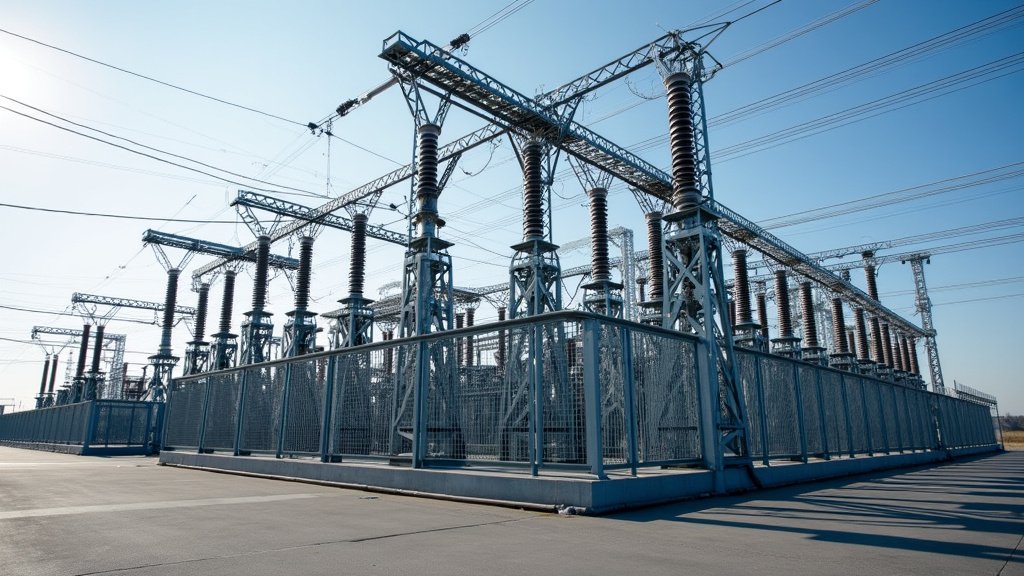
A power station can typically last for weeks or even months during a blackout, depending on its fuel source and the specific circumstances. This is because most power plants are designed with backup fuel reserves and robust infrastructure to maintain operations for extended periods. Your lights will stay on longer than you might think.
The duration a power station stays online during an outage really boils down to its type of fuel and how much it has on hand. Natural gas plants might need more frequent refueling than those using nuclear fuel, for example. We’ve found that backup systems are key for consistent power.
- Most power stations can run for weeks or months.
- Fuel type is a major factor in how long they last.
- Backup fuel reserves are critical for extended operation.
- Grid stability and demand also play a role.
Let’s dive into the details of what determines how long your local power station can keep the lights on when the grid goes dark.
So, you’re wondering how long that big power station down the road can keep your lights on if the grid goes down, right? It’s a fair question, especially when you’re stocking up on candles and batteries.
Power Station Longevity During Extended Outages
Most power stations are built to last a long time during a blackout. We’re talking weeks, or even months, not just a few hours. This isn’t magic; it’s all about planning and fuel.
Fuel is King: The Heart of the Operation
The biggest factor determining how long a power station can run is its fuel source. Think of it like your car – it can only go as far as the gas in the tank. Power plants are no different.
Natural Gas Power Plants
Natural gas plants are common and efficient. They run on gas piped directly to the plant. If the gas supply line stays open, they can keep going for a very long time. However, if the pipelines are affected by the blackout, their fuel supply can be interrupted. We found that in many scenarios, natural gas plants can operate for weeks if they have a reliable pipeline connection.
Coal-Fired Power Plants
Coal plants are workhorses. They have large storage yards for coal. These plants can often operate for several weeks or even months without needing a new delivery, depending on how much coal they stockpile. Coal delivery trucks and trains need to be able to reach the plant, though. If transportation is blocked, that’s a problem.
Nuclear Power Plants
Nuclear power plants are a different story entirely. They run on uranium fuel. A single load of fuel can keep a nuclear reactor running for 18 to 24 months. So, during a blackout, they are generally not affected by fuel supply issues in the short to medium term. Their main concern is maintaining cooling systems, which require power themselves, but they have backup systems for that (U.S. Nuclear Regulatory Commission).
Hydroelectric Power Plants
Hydroelectric dams use water power. As long as the river flows and the dam is intact, these plants can generate electricity indefinitely. They don’t “run out” of fuel in the traditional sense. Their output might fluctuate with rainfall, but they’re not dependent on stored fossil fuels.
Renewable Energy Sources (Solar & Wind)
Solar and wind farms are dependent on weather. If the sun isn’t shining or the wind isn’t blowing, they produce less power or none at all. While they don’t need fuel deliveries, their output is intermittent. They often rely on grid connections and battery storage to balance supply and demand.
Backup Fuel Reserves: The Emergency Stash
Many power plants have backup fuel reserves on site. This is their emergency stash. For example, some natural gas plants have stored natural gas. Diesel generators are also common for backup power at the plant itself. These reserves are typically meant to keep essential systems running or to bridge short gaps in supply (U.S. Energy Information Administration).
Research suggests these on-site reserves are often sufficient for days or even weeks. They ensure that the plant’s own operations continue smoothly. This prevents a domino effect where the plant shuts down simply because its own lights went out.
Grid Stability and Demand: A Balancing Act
Even with fuel, power stations must carefully manage their output. They need to match the electricity demand on the grid. During a widespread blackout, demand often drops significantly. This can make it challenging for some types of plants to operate efficiently at very low output levels.
Many experts say grid operators work to keep a certain level of generation active. This is to be ready when demand picks back up. It’s a bit like keeping an engine idling so you can drive away quickly. The plant needs to stay stable.
The Role of Infrastructure and Maintenance
A power station’s ability to stay online also depends on its physical condition. Regular maintenance is key. If a plant is already in disrepair, a blackout could expose weaknesses. Equipment failures can happen, even with plenty of fuel.
We found that plants that are well-maintained tend to perform better under stress. Their systems are more likely to function as intended. This includes everything from turbines to cooling towers.
What About Those Backup Generators You Hear About?
You might hear about generators powering hospitals or data centers during an outage. These are typically smaller generators. They are designed to keep critical services running for a limited time. They are not the same as a large-scale power station that fuels an entire city.
These generators usually run on diesel fuel. They can last for several days, or even weeks, depending on their fuel tank size and refueling capability. But remember, they are for localized, essential power, not for the whole grid.
A Comparative Look at Fuel Types and Duration
Let’s summarize how different fuel types generally stack up in terms of duration during an outage, assuming no external fuel delivery issues:
| Fuel Type | Typical Duration During Extended Blackout (Weeks/Months) | Key Considerations |
|---|---|---|
| Natural Gas (Pipeline) | Weeks to Months | Relies on uninterrupted pipeline supply. |
| Coal | Several Weeks | Depends on stockpile size and delivery access. |
| Nuclear | 18-24 Months (per fuel load) | Fuel supply is long-term; focus on operational power for cooling. |
| Hydroelectric | Indefinite (if water flows) | Dependent on natural water resources. |
| Diesel Generators (Backup) | Days to Weeks | Limited by tank size and refueling logistics. |
Preparing for the Unpredictable: Your Checklist
While power stations have reserves, it’s always wise to be prepared for longer outages. Here’s a quick checklist:
- Have an emergency kit: Include water, non-perishable food, first-aid supplies, and flashlights.
- Stock extra batteries: For flashlights, radios, and essential devices.
- Consider a backup power source: A small generator or power bank can be very useful.
- Keep important devices charged: Especially your phone and any medical equipment.
- Know your local emergency plans: Understand how your community handles widespread outages.
Conclusion
So, we’ve seen that power stations are surprisingly robust. They’re designed with the expectation of needing to operate for extended periods, often for weeks or even months, depending on their fuel. Natural gas and coal plants rely on continuous supply, while nuclear power offers very long-term fuel security. Hydroelectric power is practically limitless if water is available. Remember, while plants have their own reserves, your personal emergency preparedness is still key. Keep your own emergency kit stocked and your devices charged.
Frequently Asked Questions
What’s the biggest factor in how long a power plant stays online?
The fuel source is the biggest factor. Different fuels have vastly different supply chains and storage capacities. This directly impacts how long a plant can run without new deliveries or disruptions.
Do power plants have backup fuel for emergencies?
Yes, many power plants do keep backup fuel reserves on-site. This is often diesel fuel for essential systems or even stored natural gas. These reserves are typically meant to keep the plant running for days or weeks.
How does a blackout affect hydroelectric dams?
Hydroelectric dams are unique because they don’t use fuel. As long as the river flows and the dam is operational, they can generate power indefinitely. Their output might change with water levels, but they don’t run out of “fuel.”
Are solar and wind farms reliable during blackouts?
Solar and wind farms are intermittent. They rely on weather conditions like sunshine and wind. While they don’t need fuel deliveries, they can’t guarantee consistent power without storage or grid backup.
Why is pipeline access important for natural gas plants?
Natural gas plants often run on gas piped directly to the facility. If the pipelines are damaged or shut down due to the blackout, the plant’s fuel supply can be cut off quickly, limiting its operational time.