How to Wire a Transfer Switch to a Power Station?
On this page (7 sections)
Wiring a transfer switch to a power station is absolutely possible and a smart way to use backup power. You can directly connect your generator’s output to a transfer switch. This allows you to safely power specific circuits in your home. You’ll need the right transfer switch and a good understanding of electrical wiring.
A power station, often called a portable power station, acts like a giant battery. It can power appliances when the grid goes down. Connecting it through a transfer switch means you aren’t just plugging in a few things. You can power essential home circuits like your fridge or sump pump. This requires careful planning to ensure safety and proper function.
- You can connect a power station to a transfer switch.
- This allows you to power home circuits safely.
- Make sure you have the correct type of transfer switch.
- Always follow electrical safety guidelines.
- Consult a professional if you’re unsure.
Let’s walk through exactly how this works step by step and what you need to know before you start.
Connecting Your Power Station to a Transfer Switch Safely
You’re probably wondering if you can really use your portable power station with a home transfer switch. The short answer is yes! It’s a fantastic way to channel backup power to your essential home circuits when the grid goes down. You won’t be stuck with just flashlights and phone chargers. This setup lets you power things like your refrigerator, sump pump, or even a few lights.
But before you grab your tools, let’s be clear: this isn’t quite as simple as plugging a lamp into an outlet. You’re dealing with electricity, and safety is non-negotiable. We’ll walk through what you need to know to make this connection secure and reliable.
Understanding Your Transfer Switch and Power Station
What is a Transfer Switch?
Think of a transfer switch as a smart gatekeeper for your home’s electricity. It sits between your main power source (like the utility grid or a generator) and your home’s circuits. Its main job is to prevent back-feeding. Back-feeding is when power flows from your generator back into the utility grid. This is extremely dangerous for utility workers and can damage your equipment.
There are a few types of transfer switches. Manual ones require you to physically flip a switch to change from grid power to generator power. Automatic ones do this for you when they detect a power outage. For connecting a power station, you’ll typically use a manual transfer switch.
What is a Power Station?
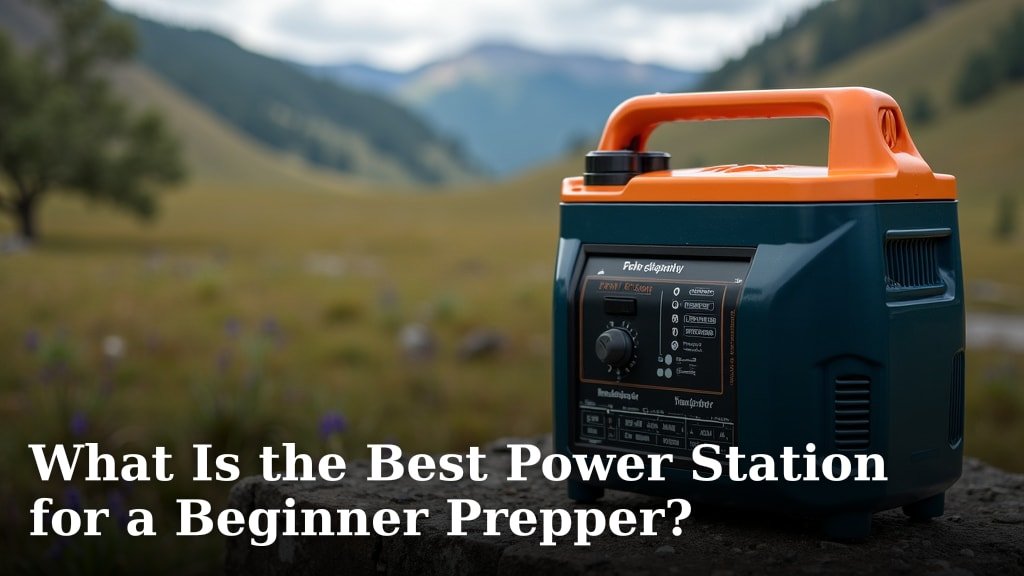
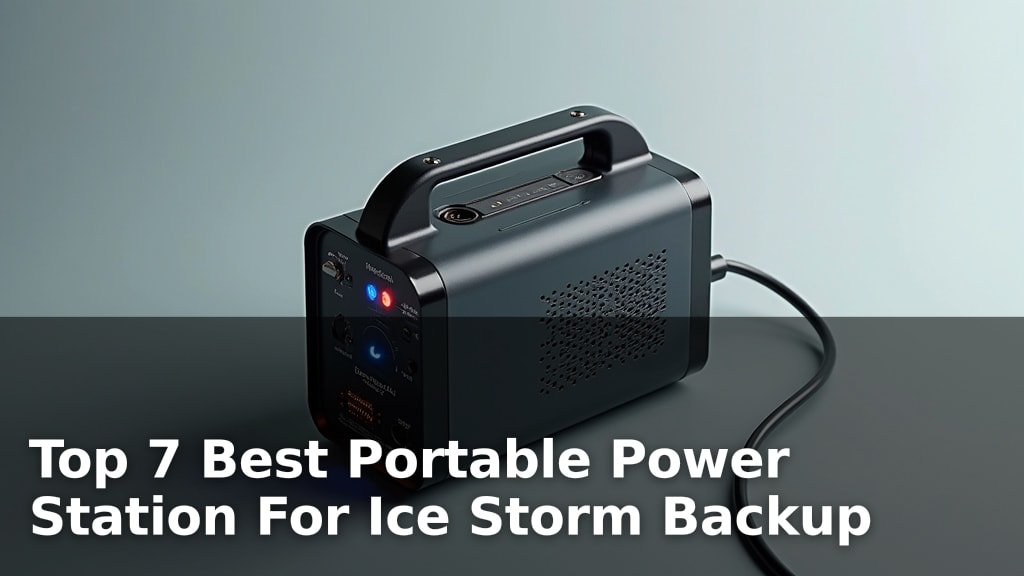
A power station, often called a portable power station, is essentially a large rechargeable battery with built-in power outlets and sometimes even AC inverters. Unlike traditional generators that burn fuel, power stations are quiet, produce no emissions, and are incredibly user-friendly. They store energy and can deliver it when needed.
The key difference for our purpose is how they output power. Most power stations have standard AC outlets (like the ones in your wall). Some higher-end models might offer different connection types or higher wattages. You need to know the total wattage your power station can output and the types of outlets it has.
Compatibility Check: The Crucial First Step
Can your specific power station handle powering a transfer switch? This is the most important question to ask. You need to check two main things:
- Continuous Wattage Output: Your power station must be able to provide enough continuous power to run the circuits you want to activate through the transfer switch. Running a refrigerator, for example, requires a consistent amount of power.
- Outlet Type: Most transfer switches are designed to accept input from a standard generator outlet. This is usually a twist-lock connector (like an L14-30R or L5-30R). Check if your power station has an adapter or a direct outlet that can connect to this type of inlet.
Many portable power stations have wattage limits. If your power station’s continuous output is too low for the combined load of your desired circuits, it won’t be able to power them reliably. You might also trip the power station’s internal protection. Always check your power station’s manual for its maximum sustained output and the types of outlets it provides.
Types of Transfer Switches for Power Stations
Manual Transfer Switches Explained
For connecting a power station, a manual transfer switch is generally your best bet. These switches require you to physically select your power source. This means you’ll be the one to decide when to disconnect from the utility grid and connect to your power station, and vice-versa.
They come in different configurations, often corresponding to the number of circuits you want to control. A common setup is a 6-circuit or 10-circuit manual transfer switch. This allows you to select which few essential circuits in your home will be powered by your backup source.
Why Not Automatic Transfer Switches?
Automatic transfer switches (ATS) are designed for permanently installed generators. They automatically detect a grid outage and start the generator, then switch the home’s power source. They require a direct, high-amperage connection and often a 240V input. Most portable power stations don’t meet these specific requirements. Their output is typically lower, and they are not designed to “start” or be controlled by an ATS. Trying to force an ATS to work with a power station can be unsafe and damage your equipment.
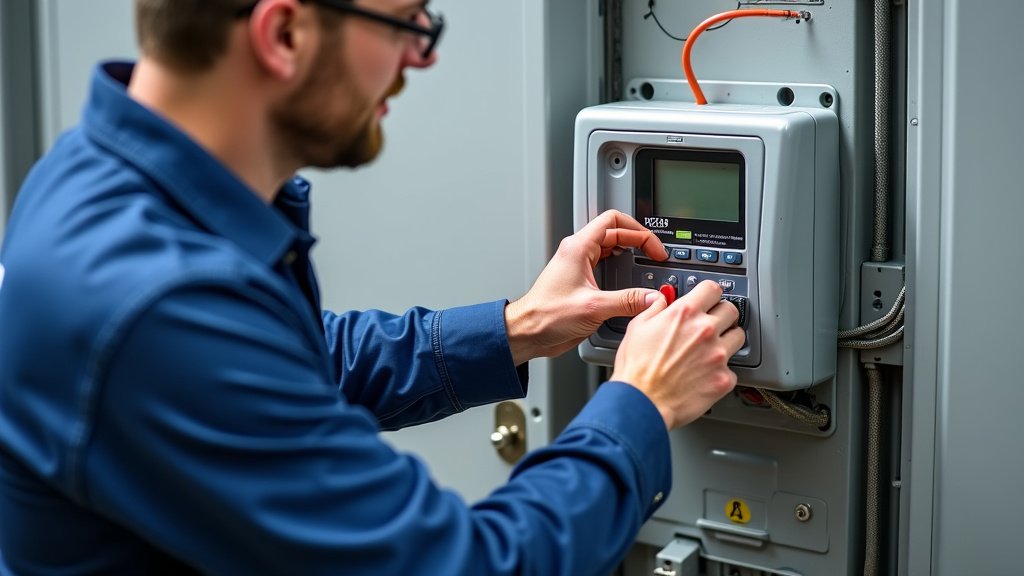
The Wiring Process: Step-by-Step
Gathering Your Supplies
Before you begin, ensure you have all the necessary tools and materials. This will make the process smoother and safer. You’ll need:
- The transfer switch: Ensure it’s rated for your power station’s output and your home’s circuits.
- Appropriate gauge electrical wire: The gauge depends on the amperage rating and the length of the wire run. Always check electrical codes for proper sizing.
- Power station input adapter: If your power station doesn’t have a direct compatible outlet, you might need a specific adapter cable to connect from your power station to the transfer switch’s inlet box.
- GFCI outlet tester: To verify proper wiring.
- Wire strippers and cutters: For preparing the wires.
- Screwdrivers: For electrical boxes and terminals.
- Voltage meter/multimeter: To confirm power is off and check for correct voltage.
- Safety glasses and insulated gloves: Essential personal protective equipment.
Step 1: Safely Disconnect Main Power
This is the absolute first and most critical step. You must ensure all power to your home is turned off. Go to your main electrical panel and shut off the main breaker. Then, for added safety, you can also turn off individual breakers for the circuits you plan to connect to the transfer switch. Using a voltage meter is the best way to confirm there is no power in the panel or in the areas where you’ll be working. Never assume power is off; always test.
Step 2: Install the Transfer Switch Inlet Box
The transfer switch typically has an exterior inlet box. This is where you will connect your power station’s output. You’ll need to mount this box on an exterior wall of your home. The cable from this inlet box will then run to your main electrical panel, connecting to the transfer switch itself.
You’ll need to drill a hole through your exterior wall to pass the wires from the inlet box to the inside of your home. Make sure this hole is properly sealed to prevent water or pest intrusion. Once the box is mounted and wired, ensure all connections are tight and secure.
Step 3: Connect the Transfer Switch to Your Electrical Panel
This is where things get more involved and require careful attention. You’ll need to run wires from the inlet box through your wall and into your main electrical panel. Inside the panel, the transfer switch will connect to specific breakers, bypassing your main panel breakers for the selected circuits.
Each circuit you want to power via the transfer switch will have its own breaker within the transfer switch unit. You will connect the wires from the inlet box to the input terminals of the transfer switch. Then, you’ll connect the output terminals of the transfer switch to the selected circuit breakers in your main panel. This is essentially rerouting those specific circuits to go through the transfer switch. It’s recommended to consult your transfer switch’s manual for its specific wiring diagram.
Step 4: Connect Your Power Station to the Inlet Box
Once the transfer switch is wired into your home’s electrical system, you can connect your power station. Use the appropriate cable or adapter to connect your power station’s AC output to the inlet box you installed on the exterior of your home. Ensure the connection is snug and the power station is turned on.
Before you activate the transfer switch, double-check your power station’s display to ensure it’s operating normally and providing stable power. You want to be sure it’s ready to send out a clean electrical signal. This connection is temporary, only used when you need backup power.
Step 5: Testing the System Safely
With your power station connected to the inlet, you can now test the transfer switch. Slowly and deliberately, flip the breaker for your main power source OFF in the transfer switch. Then, flip the breaker for your power station ON. Your selected circuits should now be powered by the station. Use a GFCI outlet tester or a simple lamp to verify power is flowing.
Test each circuit you’ve connected. If anything seems amiss—flickering lights, unusual noises, or no power—immediately turn everything OFF and re-check your connections. Never proceed if you’re unsure. It’s better to stop and get help than to risk damage or injury.
Important Safety Considerations
Wiring a transfer switch isn’t a DIY project for the faint of heart. Electrical work carries inherent risks. Always follow these safety guidelines:
- Never work on live circuits. Always confirm power is off with a voltage meter.
- Use appropriate wire gauge and connectors. Undersized wires can overheat and cause fires.
- Ensure all connections are tight. Loose connections are a common cause of electrical failures and hazards.
- Do not overload your power station or circuits. Know the wattage of your appliances and the capacity of your power station.
- Understand your power station’s limitations. Some may not be designed for continuous use or high surge loads.
Many electrical codes require that any work done on your home’s electrical system be performed by a licensed electrician. While you might be comfortable with some DIY, this is one area where professional expertise can prevent serious accidents.
When in doubt, always hire a qualified electrician. They have the knowledge and experience to ensure the installation is safe, code-compliant, and functions correctly. Think of it as an investment in your safety and peace of mind during an outage.
Power Station Wattage vs. Circuit Load
This is where many people run into trouble. Your power station has a maximum wattage it can output, and your home circuits have a load they draw. You must ensure the total load of the circuits you activate through the transfer switch does not exceed your power station’s continuous output capacity.
For example, if your power station provides 1000W continuous, you cannot power a refrigerator (which might surge to 1200W startup) and a freezer (another 600W startup) simultaneously. You’ll need to be selective about which circuits you power. Appliances like refrigerators, freezers, and sump pumps have higher startup or surge wattage requirements than their running wattage. You need to account for both. Research the typical wattage for each appliance you intend to run.
We found that many resources, including those from electrical safety organizations, recommend keeping the total connected load at least 20% below the power station’s maximum output. This provides a buffer and prevents the power station from being overworked. Many power stations have built-in overload protection, which will shut them down if they are strained too much.
Grounding and Bonding
Proper grounding is essential for electrical safety. It provides a path for electricity to flow to the ground in the event of a fault, preventing shock hazards. Both your transfer switch and your power station need to be properly grounded.
Your power station likely has a ground connection built into its chassis and AC outlets. The transfer switch itself should be connected to your home’s grounding system. The inlet box should also be properly grounded. If you’re unsure about grounding requirements in your area, it’s best to consult an electrician. They can ensure your system meets all local codes and safety standards.
When to Call a Professional Electrician
Let’s be honest: electrical work can be intimidating. If you’re not comfortable working with wiring, don’t understand electrical panels, or are unsure about any part of this process, now is the time to call a professional. Electricians are trained to handle these tasks safely and efficiently.
They can ensure your installation is up to code, properly sized for your needs, and won’t pose a safety risk. The cost of hiring an electrician is often far less than the potential cost of electrical damage, a fire, or personal injury. Your safety is the most important thing, so don’t hesitate to seek expert help.
Consider this checklist before you start wiring:
- Have you confirmed your power station’s continuous wattage output?
- Have you identified which essential home circuits you want to power?
- Is the transfer switch you purchased compatible with your power station and home’s electrical system?
- Do you have all the necessary tools and safety gear, including insulated gloves and a voltage meter?
- Are you comfortable working inside your main electrical panel and running new wiring?
- If unsure about
Conclusion
You’ve learned that connecting your power station to a transfer switch is a smart backup power solution. It lets you keep your essential home circuits running when the grid fails. Remember, this project requires careful attention to detail and safety. Always double-check your power station’s wattage, understand your circuit loads, and ensure all connections are secure.
If you’re feeling uncertain about any step, especially inside your electrical panel, don’t hesitate to call a qualified electrician. They can ensure your setup is safe and up to code. Your peace of mind during an outage is worth the effort!
Frequently Asked Questions
Can I use any portable power station with a transfer switch?
Not all power stations are suitable. You need a power station with sufficient continuous wattage output to handle the combined load of your selected circuits. Also, ensure its outlet type can connect to your transfer switch’s inlet.
How do I know if my power station’s wattage is enough?
Check your power station’s manual for its maximum sustained wattage. Then, add up the running wattage of all the appliances you plan to power through the transfer switch. It’s wise to keep the total load at least 20% below your power station’s maximum output.
What’s the difference between a manual and automatic transfer switch for a power station?
A manual transfer switch requires you to physically flip a switch to select your power source. An automatic transfer switch is designed for larger, permanently installed generators and usually isn’t compatible with portable power stations.
Do I need an electrician to install a transfer switch for my power station?
While some DIYers can handle it, working inside your electrical panel can be dangerous. If you’re not experienced with electrical wiring or are unsure about any part of the process, it’s highly recommended to hire a licensed electrician to ensure safety and code compliance.
What happens if I overload my power station through the transfer switch?
Most power stations have built-in overload protection. If you try to draw too much power, it will likely shut itself down to prevent damage. This could leave you without backup power when you need it most.